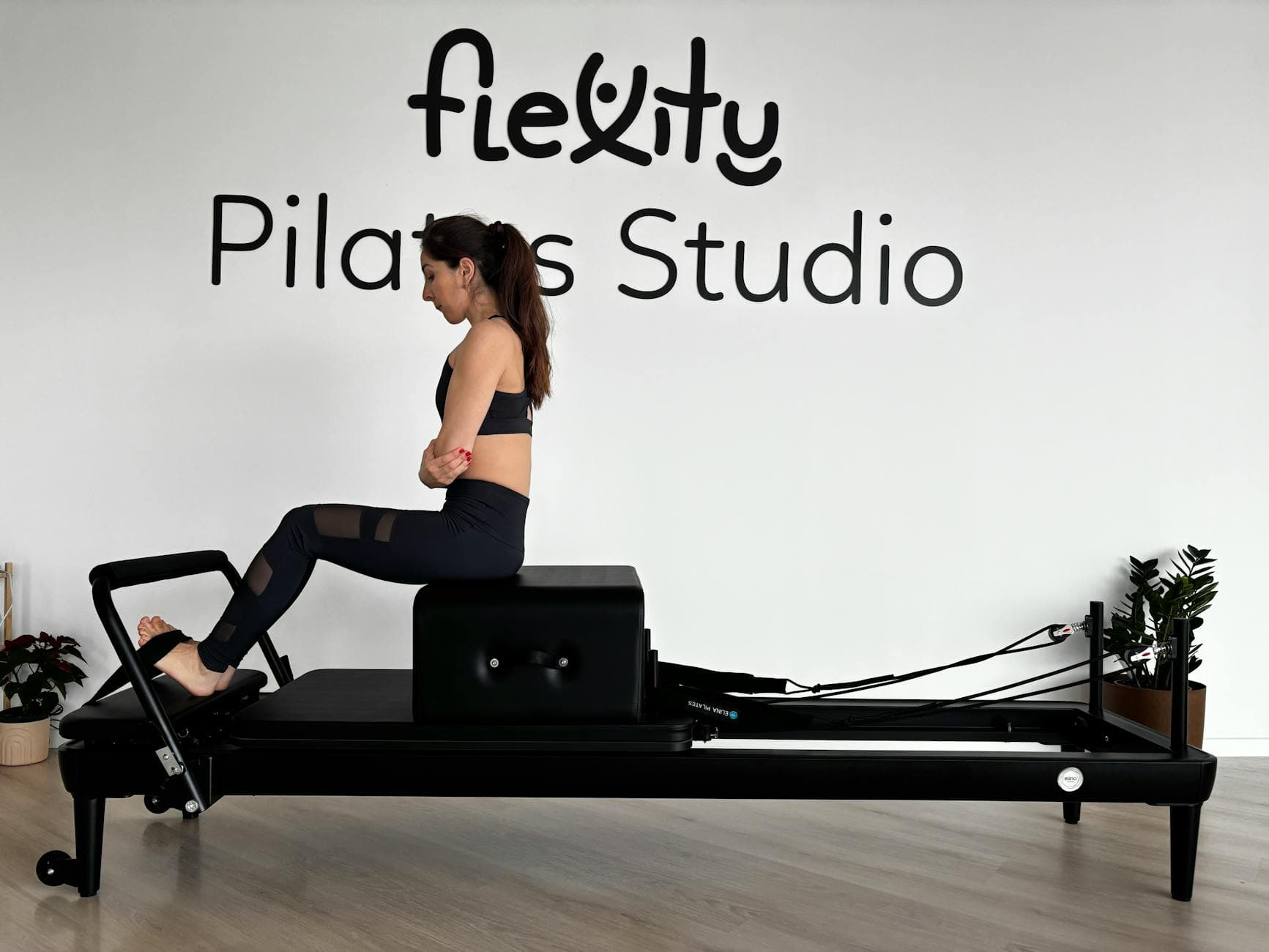
Have you ever watched someone move with such effortless grace, such controlled power, that you just knew they had a secret? A way of understanding their body, connecting mind to muscle, that most of us just… don't? I’ll be real with you, for years I chased that feeling. I tried every high-intensity trend, pushed my body to its limits, and honestly, often ended up feeling more broken than strong. It wasn't until I truly embraced the principles behind common pilates exercises that I started to unlock that kind of mindful, resilient strength.
Pilates isn't just about flat abs, though it certainly helps with that. It's a holistic system, a philosophy of movement developed by Joseph Pilates himself, that aims to integrate mind, body, and spirit. It’s about building a solid foundation, finding your center, and moving from a place of genuine control. And trust me, once you get a handle on some basic pilates exercises, it changes everything.
What Even Is Pilates, Anyway? (And Why I Swear By It)
I used to think Pilates was just glorified stretching, something for dancers or people recovering from injury. Man, was I wrong. Joseph Pilates, a truly visionary individual, developed his method, which he originally called "Contrology," during World War I to help rehabilitate interned soldiers. He understood that true strength came from a well-balanced body, not just big biceps.
Beyond the Buzzwords: Joseph Pilates' Vision
The man himself said, "Physical fitness is the first requisite of happiness." That sentiment really resonates with me. Pilates isn't just a workout; it's a system designed to improve physical strength, flexibility, posture, and mental awareness. It's about retraining your body to move efficiently and gracefully, correcting imbalances that years of bad habits or other sports might have created.
For me, it wasn't about adding another workout to my routine; it was about refining how I moved in all my workouts. It became the missing piece, the foundational work that made everything else better. This emphasis on quality over quantity, on precision and control, is what makes the Joseph Pilates method so profoundly effective.
The Core Principles that Changed My Game
There are six key pilates principles that guide every movement. Honestly, internalizing these is more important than memorizing a dozen exercises. They are: centering, concentration, control, precision, breath, and flow. Centering means all movement originates from your core, your powerhouse. Concentration is about being fully present, paying attention to every muscle. Control ensures no sloppy movements; every action is deliberate. Precision means executing each exercise exactly as intended. Breath is deep, intentional breathing that supports and facilitates movement. Finally, flow connects movements seamlessly, creating a graceful, efficient sequence.
I remember one instructor telling me to imagine my torso as a solid block of granite, unmoving, while my limbs moved freely. That mental image, rooted in the principle of centering, completely transformed my understanding of core engagement. It's a game-changer for anyone looking for pilates for core strength.
Who Benefits Most from This Method?
Look, I've seen everyone from professional athletes to my own grandmother benefit from Pilates. If you're looking to improve your posture, reduce back pain, increase your flexibility, or simply move with more ease and confidence, Pilates is for you. It's particularly fantastic for anyone dealing with the stiffness that comes from prolonged sitting – you know, that desk job slump. Incorporating even just a few standing desk exercises alongside your Pilates practice can make a huge difference.
For beginners, it's an incredibly safe and effective way to build strength without high impact. If you're searching for Pilates for Beginners: Easy Exercises to Build Core Strength, you've come to the right place. It’s a gentle yet powerful entry point into fitness, promoting incredible body awareness.
The Foundation: Essential Pilates Mat Exercises for Beginners
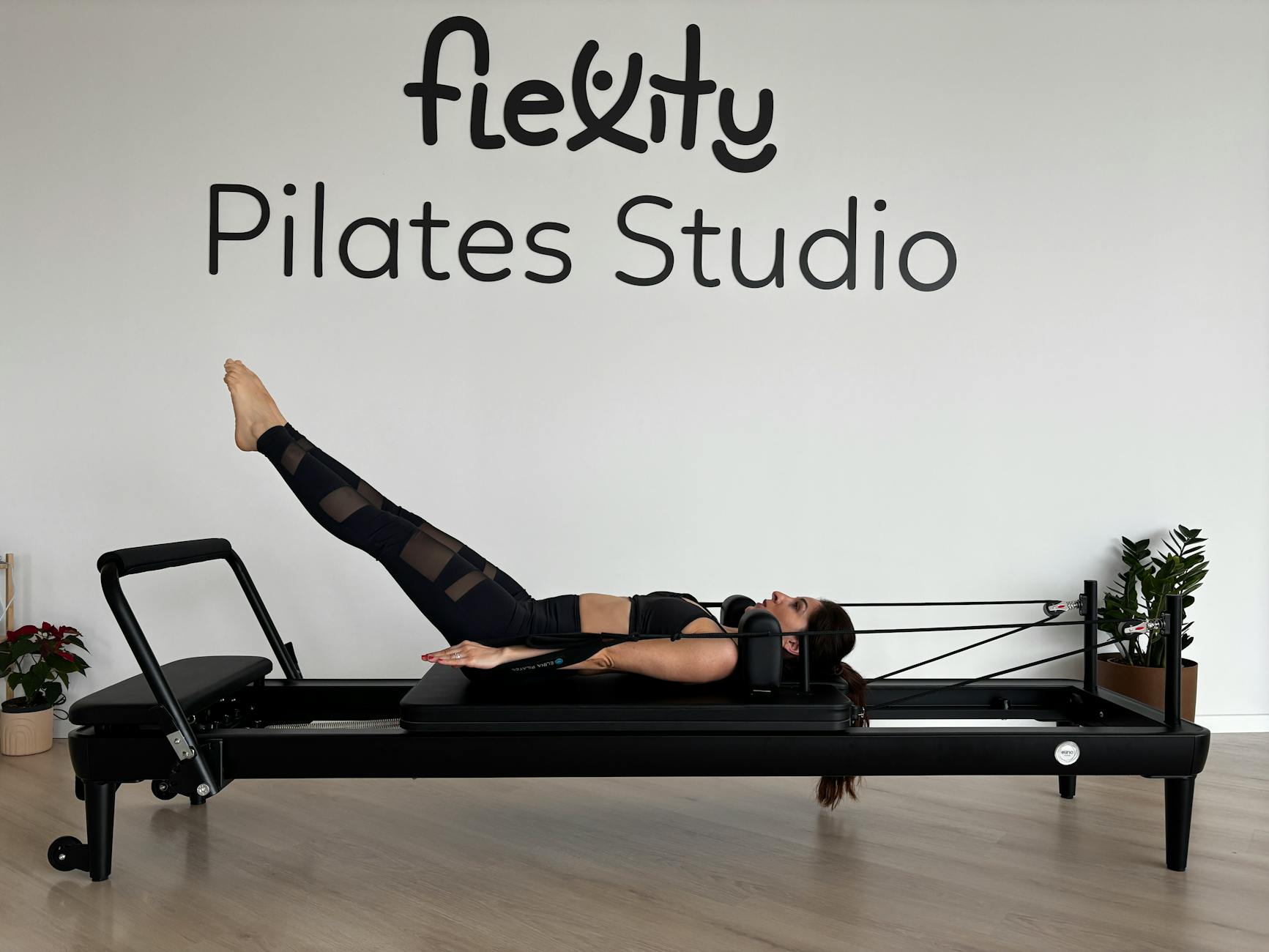
When you first start, don't get caught up in fancy equipment. The beauty of Pilates is that some of the most profound work happens right on your mat. These are the basic pilates exercises that form the bedrock of the entire system. Mastering these will give you a fantastic base for all other pilates workout moves.
Breathing: The Unsung Hero
Before we even get to movement, let's talk about breathing. This one surprised me. I used to think breathing was just... breathing. But in Pilates, it's an active, integral part of every exercise. We use lateral breathing – inhaling to expand the rib cage sideways and backward, and exhaling to draw the navel to the spine, engaging the deep core muscles. This helps stabilize the trunk and allows for more effective movement of the limbs.
Think about the last time you truly focused on your breath during exercise. Probably not often, right? But this conscious, controlled breathing is fundamental to the pilates benefits, especially for core activation and calming the nervous system.
My Top 5 Basic Pilates Exercises to Start With
These are the classics, the fundamental pilates mat exercises you'll encounter in almost every beginner class. They might look simple, but the precision required is where the magic happens. Focus on form over speed.
The Hundred
This is probably the most iconic Pilates exercise. Lying on your back, lift your head and shoulders, bringing your legs to a tabletop position (or straight if you can maintain a neutral spine). Pump your arms vigorously up and down, inhaling for five counts and exhaling for five counts, repeating ten times for a total of one hundred pumps. It’s a fantastic warm-up and really gets the blood flowing, igniting your core like nothing else.
Roll-Up
Starting flat on your back, arms extended overhead, inhale to prepare. As you exhale, slowly peel your spine off the mat, articulating each vertebra, reaching your hands towards your feet. Then, reverse the movement, slowly rolling back down. This is a profound exercise for spinal mobility and abdominal strength. It teaches you control, challenging your core to prevent flopping.
Single Leg Stretch
Lying on your back, lift your head and shoulders. Bring one knee towards your chest, holding it with both hands, while the other leg extends long and low. Switch legs, maintaining a stable torso. This is one of my favorite common pilates exercises for improving coordination and challenging your core stability as your limbs move independently. It's part of the "Ab Series" and really targets the deep abdominal muscles.
Double Leg Stretch
From the same starting position as the Single Leg Stretch (head and shoulders lifted), bring both knees to your chest. Inhale as you extend both arms and legs away from your body, then exhale as you circle your arms around and draw your knees back in. This one is a serious test of core strength and control. You'll feel it, trust me. The goal is to keep your lower back pressed into the mat, preventing any arching.
Criss-Cross
Again, from the same lifted head and shoulders position, interlace your fingers behind your head. Bring one elbow towards the opposite knee as the other leg extends long. Switch sides. This is a fantastic oblique builder, challenging your rotational core strength. It's often misunderstood as just a "bicycle crunch," but the Pilates version emphasizes control and spinal articulation over speed, making it much more effective.
Why Mat Work is Your Best Friend
Mat work is pure, unadulterated body control. There's no machine to assist you, no springs to provide resistance. It's just you, your mat, and your body. This pure form helps you develop an incredibly deep connection to your muscles, especially your core. It's the ultimate proving ground for the pilates principles, teaching you to move from your center and truly understand your body's capabilities. Plus, it’s perfect for pilates at home, requiring minimal space and no fancy gear.
Moving Beyond the Basics: Elevating Your Pilates Practice
Once you’ve got a solid grasp of the foundational pilates mat exercises, you'll naturally start seeking progression. This isn't about doing more repetitions; it's about deepening your understanding and increasing the challenge through more complex movements and greater control.
Integrating Flow and Control
The beauty of Pilates truly shines when you can link the exercises together with seamless flow. This isn't about rushing; it's about moving from one position to the next with deliberate grace, maintaining your core connection throughout. It transforms a series of individual movements into a dance, a continuous conversation between your mind and body. This is where the artistry of the joseph pilates method really comes alive.
Think of it like learning to play an instrument. You learn the notes, then you learn to play them in a melody. The melody is the flow. It’s about creating a rhythm, a cadence that makes your body feel incredibly integrated and powerful. This level of focus also brings significant pilates benefits beyond just physical strength, impacting mental clarity and stress reduction.
The Power of Progression: Intermediate Pilates Workout Moves
As you get stronger, you'll find yourself ready for more challenging pilates workout moves. Exercises like the Teaser, the Saw, or the Swan Dive demand greater core strength, balance, and spinal articulation. The Teaser, for example, is a full-body balance challenge where you hold your body in a V-shape, balancing on your sit bones, with arms and legs extended. It's tough, but incredibly rewarding when you nail it.
This progression isn't just about showing off; it's about continually challenging your body to adapt and grow. It's about finding new ways to engage your powerhouse and refine your control, pushing the boundaries of your pilates for flexibility and strength.
Equipment? Not Always Necessary (But Sometimes Fun)
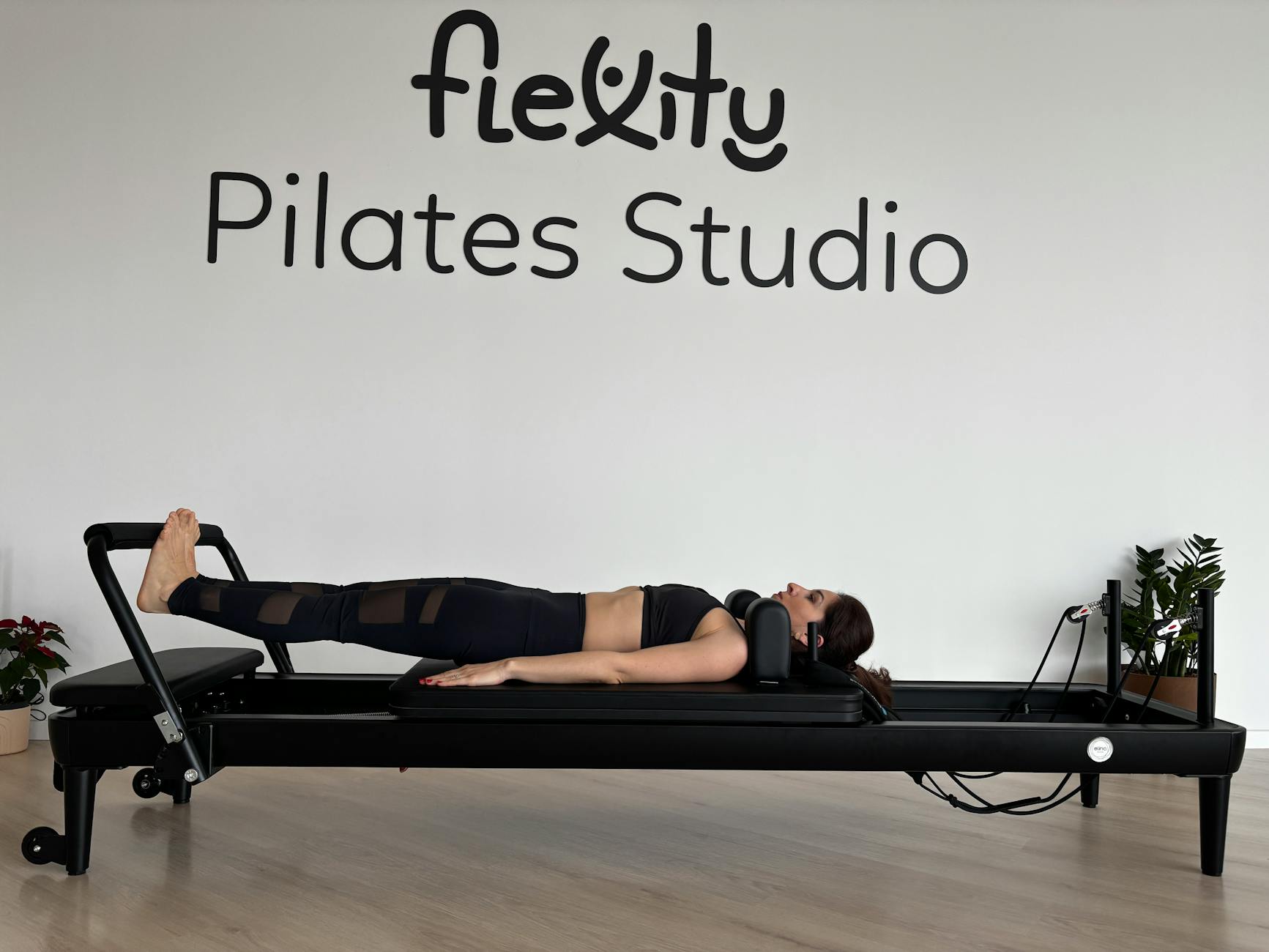
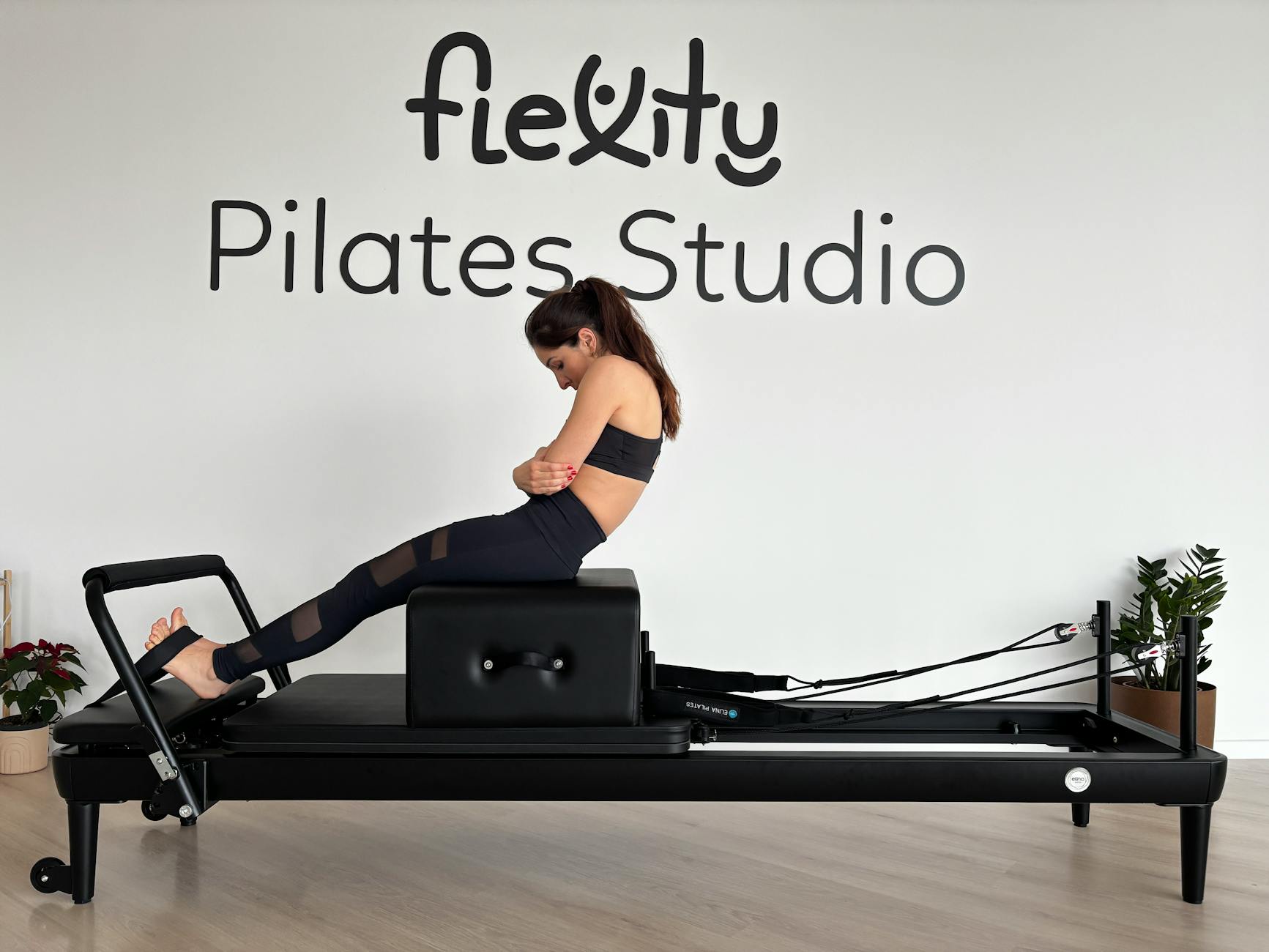
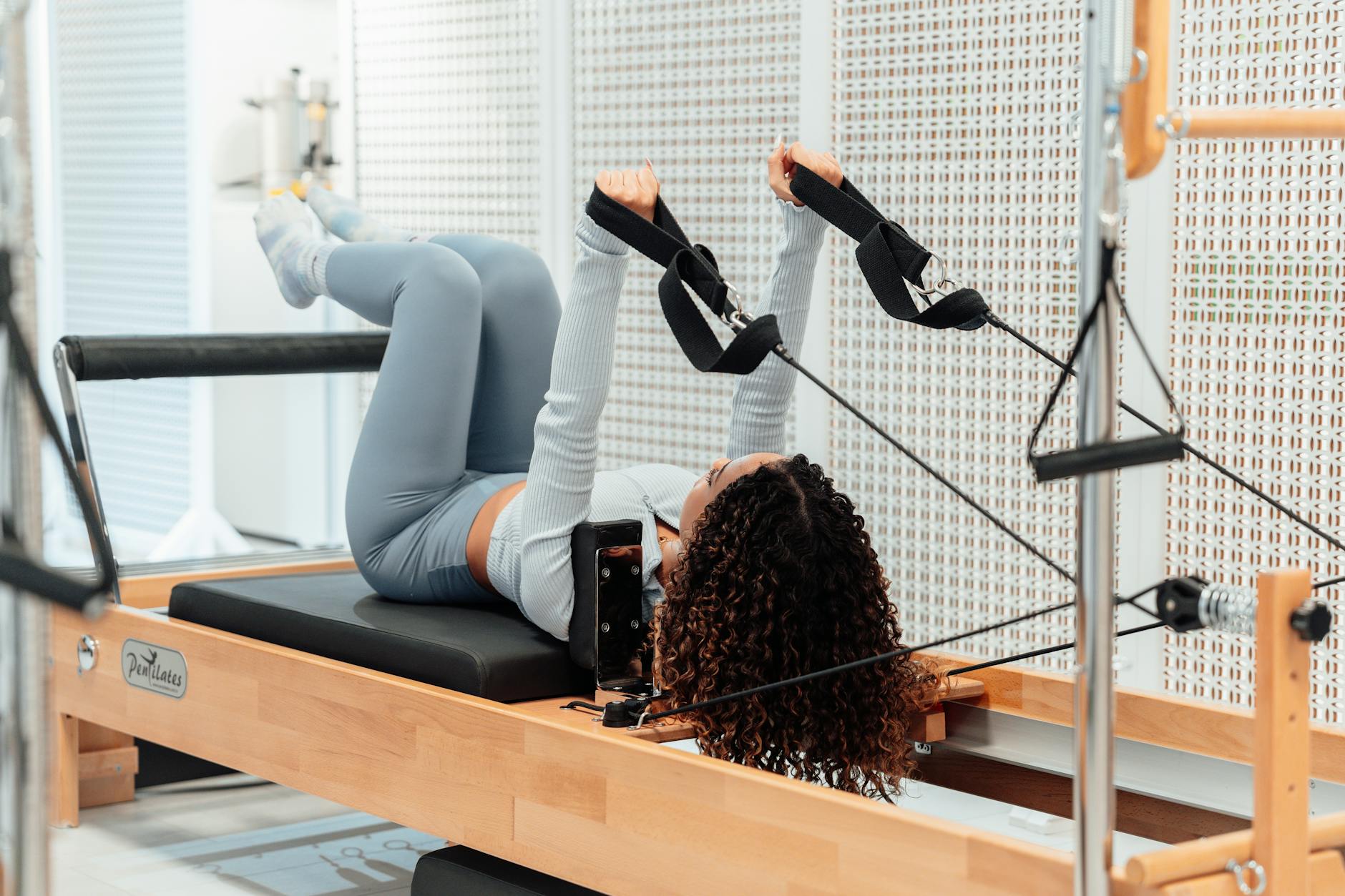
While the mat is supreme, pilates equipment like the Reformer, Cadillac, or Wunda Chair offer unique challenges and support. The springs provide resistance and assistance, allowing you to deepen stretches or intensify core work. I'll be honest, the first time I got on a Reformer, I felt like I was learning Pilates all over again – in the best way possible. It opened up new dimensions of movement.
However, don't feel like you need expensive gear to get started or progress. My personal experience, and what I tell everyone, is to master the mat first. Then, if you want to explore, a good instructor and a studio with equipment can be a fantastic way to diversify your practice. Even simple props like resistance bands or a magic circle can add a new layer of challenge to your Wall Pilates Exercises: Your Guide to a Stronger Core, for instance.
The Unexpected Angle: Pilates for Mental Fortitude
You might be wondering, "James, what's so mental about moving your body?" Here's the thing: the profound level of concentration required for Pilates isn't just about getting the movement right. It's a form of active meditation, a way to train your mind to stay present and focused. This one really surprised me, and it's a huge part of why I'm so passionate about it.
Finding Stillness in Movement
In a world constantly pulling our attention in a million directions, Pilates offers a sanctuary. When you're trying to articulate your spine one vertebra at a time in a Roll-Up, or stabilize your core during the Hundred, there's no room for thoughts about your to-do list or that annoying email. Your mind has to be in your body, in that moment. This forced mindfulness is incredibly powerful. It's not passive meditation; it's an active engagement that grounds you.
This deep focus helps quiet the mental chatter. It's a skill that translates off the mat, helping you approach daily challenges with greater calm and clarity. It’s like a workout for your brain as much as your body, fostering a resilience that extends far beyond physical strength.
My Personal Revelation: More Than Just Abs
I used to measure my workouts purely by sweat and muscle burn. If I wasn't drenched and exhausted, I felt like I hadn't worked hard enough. Pilates taught me a different kind of strength. It taught me patience, persistence, and the value of internal awareness. I remember one particularly stressful period in my life, and my Pilates practice became my anchor. It wasn't just about the physical release; it was the mental discipline, the enforced presence, that pulled me through.
It helped me understand that true fitness isn't just about how much you can lift or how fast you can run. It's about how well you can inhabit your body, how resilient your mind is, and how gracefully you can navigate life's challenges. It provides pilates benefits that are truly holistic.
Practical Tips for Mindfulness in Pilates
To cultivate this mental fortitude, try these things: first, before you even start, take three deep, intentional breaths. Set an intention for your practice – maybe it's "focus" or "release tension." Second, throughout your session, if your mind wanders, gently bring it back to your breath or the specific sensation in your muscles. Don't judge yourself; just observe and redirect. Finally, after your session, take a moment to notice how your body feels, how your mind feels. This integration of mind and body is the heart of the Joseph Pilates method.
Making Pilates Part of Your Life: Practical Steps
So, you’ve learned about the common pilates exercises and why they matter. Now, how do you weave this powerful practice into your everyday? It’s simpler than you think, but it requires commitment – the good kind, the kind that feels like an investment in yourself.
Consistency Over Intensity: A Hard-Learned Lesson
This is probably the biggest piece of hard-won wisdom I can share. Forget about trying to do an hour-long, super-intense session every day and burning out. Twenty minutes, three times a week, done with focus and consistency, will yield far better results than sporadic, intense bursts. Your body thrives on regularity, on building muscle memory and neural pathways over time. I learned this the hard way, always pushing too hard, too fast. Slow and steady truly wins the race with Pilates.
It's about making it a sustainable habit. Just like you wouldn't expect to build muscle overnight with bodyweight muscle building, you won't master Pilates in a week. Give yourself grace and time.
Where to Practice: Pilates at Home or Studio?
Both have their merits. Starting with some pilates at home using online resources, perhaps even a Beginner Yoga YouTube: Your Free Guide to Starting At Home channel that also covers Pilates, is a fantastic, accessible way to get started. You can learn the basic pilates exercises at your own pace without feeling self-conscious. However, I highly recommend finding a good instructor, even if it's just for a few private sessions or a beginner's class. A skilled eye can spot misalignments and give you cues that truly transform your practice. I mean, they'll see things you'd never notice yourself.
That personalized feedback, especially when you're first learning the nuances of the pilates principles, is invaluable. It helps prevent bad habits from forming and ensures you're getting the most out of every movement.
Listening to Your Body: The Ultimate Guide
Finally, and this is critical, listen to your body. Pilates is not about pushing through pain; it's about finding your edge and working within your current capabilities. There will be days when you feel stronger, more flexible, and days when you feel tighter or fatigued. Honor those feelings. Modify exercises when needed. The goal is to build a stronger, more resilient body, not to injure yourself trying to achieve a perfect pose.
Your body is an incredibly wise instrument. Learn to interpret its signals, and your Pilates practice will become a lifelong journey of discovery and profound self-care. It's not just about the exercises; it's about the deep respect you cultivate for your own physical being.