Here's a common misconception I hear all the time: "Pilates? Oh, that's just for dancers, or people who are already super flexible, right?" Honestly, I used to think something similar years ago, dismissing it as too gentle or not 'hardcore' enough for my fitness goals. But I'll be real with you, that couldn't be further from the truth. If you're looking to build foundational strength, improve your movement, and genuinely feel better in your own skin, then diving into pilates for beginners might just be one of the best decisions you make.
Pilates isn't about being bendy; it's about building a strong, intelligent body from the inside out. It's a method designed to connect your mind and body, focusing on controlled movements, core engagement, and precise breathing. And trust me, it’s far from easy in the way you might imagine. It demands focus, and that's precisely why it works so well, especially for those just starting out.
What Even Is Pilates, Anyway?
At its heart, Pilates is a full-body workout system developed by Joseph Pilates in the early 20th century. He called it "Contrology," which, when you think about it, is a far more accurate name. It's about gaining control over your body, not just flailing through movements. This isn't just another set of exercises; it's a philosophy of movement.
More Than Just Stretching
Many people see Pilates and assume it's like a really slow, controlled stretching session. And while flexibility is definitely a benefit, it's not the primary goal. Pilates is a strength-building discipline, particularly for what we call the "powerhouse" – your core muscles, including your abdominals, lower back, hips, and glutes. Every movement originates from this central point, making it incredibly effective for developing a stable foundation.
Think about it: almost every physical activity, from lifting a box to running a marathon, relies on a strong core. Pilates hones that strength in a way that traditional gym workouts often miss, focusing on deep, stabilizing muscles rather than just the superficial ones. It's a gym core workout that goes beyond crunches.
The Core Principles
Joseph Pilates laid out six key principles that guide every exercise: Centering, Concentration, Control, Precision, Breath, and Flow. These aren't just fancy words; they're non-negotiable elements for getting the most out of your practice.
For instance, 'Centering' means engaging your core before you even move. 'Breath' isn't just about inhaling and exhaling; it's about using your breath to deepen your movements and activate your core more effectively. These principles are what differentiate Pilates from other forms of exercise and make it such a powerful tool for body awareness.
Why I Switched My Thinking
I used to be one of those guys who thought if I wasn't sweating buckets and lifting heavy, it wasn't a real workout. My joints were achy, my back sometimes flared up, and I felt generally stiff. A few years back, after a particularly stubborn shoulder issue, a physical therapist actually recommended I try Pilates. I was skeptical, to say the least.
But after just a few weeks of consistent mat pilates for beginners, something shifted. My core felt tighter, my posture improved, and that nagging shoulder pain started to subside. This one surprised me. It wasn't about brute force; it was about intelligent movement, and it was making me feel stronger and more resilient than ever before. It's a Mayo Clinic research on pilates for beginners backed approach to improving overall well-being.
The Real Benefits You'll Feel (Not Just Hear About)
Look, I could list a dozen benefits from a textbook, but I want to talk about the ones that genuinely impact your daily life. These are the shifts I've seen in myself and countless others who commit to a regular beginner pilates workout.
A Stronger, Smarter Core
This is the big one, and it's not just about aesthetics. A strong core isn't just about having a six-pack; it's about having a stable foundation for all movement. When your core is strong, your limbs can move more freely and powerfully. You'll notice it when you reach for something on a high shelf, carry groceries, or even just sit upright for longer without slouching. It's a game-changer for overall functional strength.
This isn't just my opinion; Harvard Health research on pilates for beginners consistently highlights its efficacy in building core strength and stability, which translates to better balance and injury prevention.
Moving with Less Pain
I can't tell you how many people I've worked with who came to Pilates specifically because of chronic back pain. Modern life, with all its sitting and looking at screens, is brutal on our spines. Pilates, with its focus on core stability and spinal articulation, is incredibly effective for strengthening the muscles that support your back. It's a fantastic standing desk exercises complement, helping to counteract the effects of prolonged sitting.
Many find significant relief from wall pilates exercises, which offer additional support and feedback, making them ideal for those recovering from injuries or dealing with persistent discomfort. It's a fantastic low impact workout that can truly transform how your body feels day-to-day.
Better Posture, Better Mood
Poor posture doesn't just look bad; it can lead to tension headaches, neck pain, and even impact your breathing. Pilates actively works to realign your spine and strengthen the muscles that hold you upright. You'll literally stand taller, and that often translates to feeling more confident and energetic. It's not just about looking better; it's about feeling better, both physically and mentally.
Getting Started: Your First Steps with Pilates for Beginners
The beauty of Pilates is its accessibility. You don't need fancy equipment or a dedicated studio to begin. You can absolutely start with pilates at home for beginners, and I highly recommend it.
What You Actually Need (Spoiler: Not Much)
Honestly, you really only need one thing: a mat. A yoga mat or even a thick towel on a carpeted floor will do the trick. Beyond that, comfortable clothing that allows for full range of motion is key. You don't need special shoes, weights, or reformers to start your journey. That's one of the reasons I love it so much – it removes almost all barriers to entry.
Finding Your First Routine
The internet is a treasure trove of resources. You can find tons of free beginner yoga YouTube videos, and the same goes for Pilates. Search for "easy pilates exercises" or "pilates for beginners at home" and you'll be flooded with options. Look for instructors who emphasize proper form and offer clear, concise cues. Don't feel pressured to keep up with anyone; focus on your own body and what feels right.
I suggest starting with routines specifically labeled for beginners, ideally around 15-20 minutes long. Consistency is far more important than intensity when you're just starting out.
Mastering the Breath
This is probably the most overlooked, yet most crucial, aspect of Pilates. The breathing technique, often called lateral or posterior breathing, involves inhaling deeply to expand your rib cage sideways and backwards, then exhaling fully as you engage your deep abdominal muscles. It's not just about getting air in and out; it's about using your breath to support and deepen each movement, engaging your core from the very first breath.
Practice this even before you do any exercises. Lie down, place your hands on your lower ribs, and feel them expand as you inhale, then draw in and down as you exhale. It's foundational.
Easy Pilates Exercises to Try Right Now (Beginner Pilates Workout)
Ready to give it a go? Here are a few fundamental, easy pilates exercises you can try today. Remember, focus on control and breath over speed or range of motion.
The Hundred
Lie on your back, knees bent, feet flat. Lift your head and shoulders slightly off the mat, looking towards your belly button. Extend your arms long by your sides, palms down. Inhale for 5 counts as you pump your arms up and down vigorously, then exhale for 5 counts, pumping your arms. Repeat this 10 times for a total of 100 pumps. If lifting your head is too much, keep it down. This is a classic core strength exercise.
Pelvic Tilts
Still on your back, knees bent, feet flat, hip-width apart. As you exhale, gently press your lower back into the mat, tilting your pelvis slightly upwards, as if you're trying to flatten a blueberry under your lower back. Inhale and release back to a neutral spine, where there's a small natural curve. This is subtle but incredibly effective for connecting with your deep core and mobilizing your lower back.
The Bridge
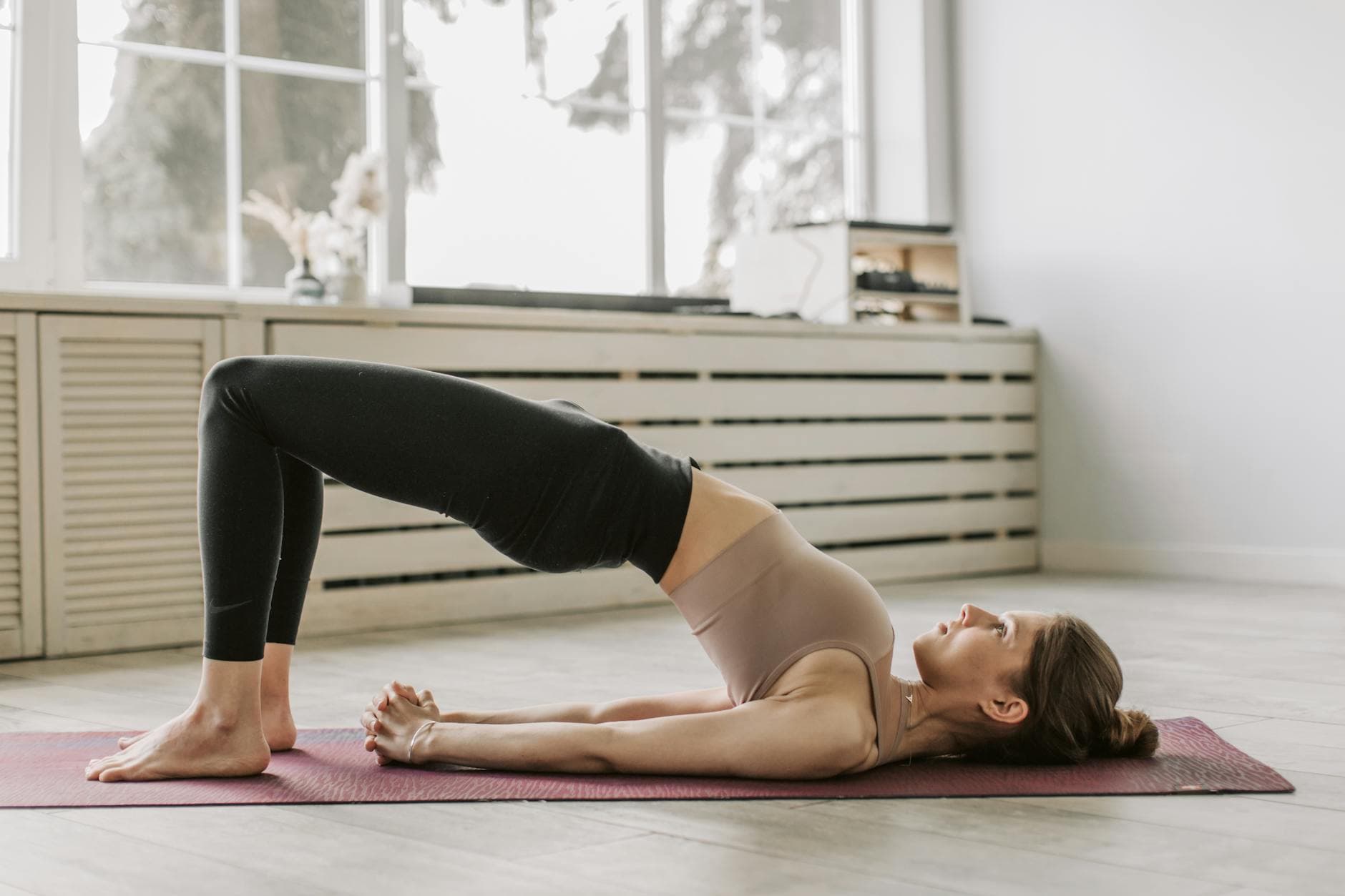
From the same starting position, exhale and tilt your pelvis as with the pelvic tilt, then continue to peel your spine off the mat one vertebra at a time, lifting your hips towards the ceiling. Your weight should be on your shoulders and feet. Inhale at the top, and as you exhale, slowly articulate your spine back down, one vertebra at a time, until your tailbone rests on the mat. This is fantastic for glutes, hamstrings, and spinal mobility.
Leg Slides
Lie on your back, knees bent, feet flat. Keep your core engaged and your lower back stable. Gently slide one leg straight out along the mat, keeping your heel in contact with the floor. Don't let your lower back arch. Inhale as you slide the leg back to the starting position. Alternate legs. This exercise teaches you to move your limbs independently of your core, maintaining stability.
Cat-Cow Stretch
Start on all fours, hands directly under your shoulders, knees under your hips. Inhale as you drop your belly towards the mat, lifting your chest and tailbone (Cow pose). As you exhale, round your spine towards the ceiling, tucking your chin and tailbone (Cat pose). Move fluidly between these two positions, coordinating with your breath. This is brilliant for spinal flexibility and releasing tension.
Pilates At Home For Beginners: Making It Stick
Consistency is the secret sauce for any fitness journey, and Pilates is no exception. It's not about doing an intense hour-long session once a month; it's about showing up regularly, even for short bursts.
Setting Up Your Space
Find a quiet corner in your home where you won't be interrupted. Clear some space for your mat. If you're doing a video, make sure you can see the screen clearly. This dedicated space signals to your brain that it's time to focus and move. Even a small rug in your living room can become your Pilates sanctuary. This is key for successful bodyweight muscle building and other home workouts.
Consistency Over Intensity
Aim for 2-3 sessions a week, even if they're only 15-20 minutes long. You'll get far more benefit from consistently showing up for shorter, focused sessions than from sporadic, hour-long workouts that leave you feeling overwhelmed. The World Health Organization emphasizes the importance of regular physical activity, and Pilates fits perfectly as a sustainable, effective option for beginners.
Don't beat yourself up if you miss a day. Just get back on the mat the next day. The progress in Pilates is often subtle at first – better balance, less stiffness, deeper core connection – but it builds powerfully over time.
When to Push, When to Pull Back
Listen to your body. This isn't a "no pain, no gain" scenario. You should feel your muscles working, maybe a gentle shake, but never sharp pain. If something hurts, modify the exercise or skip it entirely. Pilates is about building strength intelligently, not forcing your body into uncomfortable positions. There's always a modification for a beginner pilates workout.
Common Mistakes & How to Avoid Them
As an instructor, I've seen these patterns repeatedly. Being aware of them can save you a lot of frustration and help you get more out of your practice.
Rushing Through Movements
This is probably the most common mistake. Pilates is about control and precision, not speed. Each movement should be deliberate and mindful, almost like a slow dance with your muscles. When you rush, you lose the opportunity to engage the deep stabilizing muscles and often rely on momentum instead.
Slow it down. Focus on the start, middle, and end of each movement. Can you feel the specific muscles working? That's the goal.
Holding Your Breath
Remember those breathing principles? Holding your breath negates much of the core engagement and can create unnecessary tension. It's a natural reaction when something feels challenging, but actively remember to keep that breath flowing. Inhale to prepare, exhale to initiate the effort.
Ignoring Your Body's Signals
Your body is giving you feedback constantly. Are you arching your lower back when it should be stable? Is your neck straining? These are signs that you might be pushing too hard, or your form needs adjusting. Use a mirror or record yourself if you're unsure. Adjust, modify, and prioritize proper form over trying to do the "full" version of an exercise.
Beyond the Mat: What's Next?
Starting with mat pilates for beginners is an excellent foundation, but it's just the beginning of what this incredible method has to offer.
Exploring Different Styles
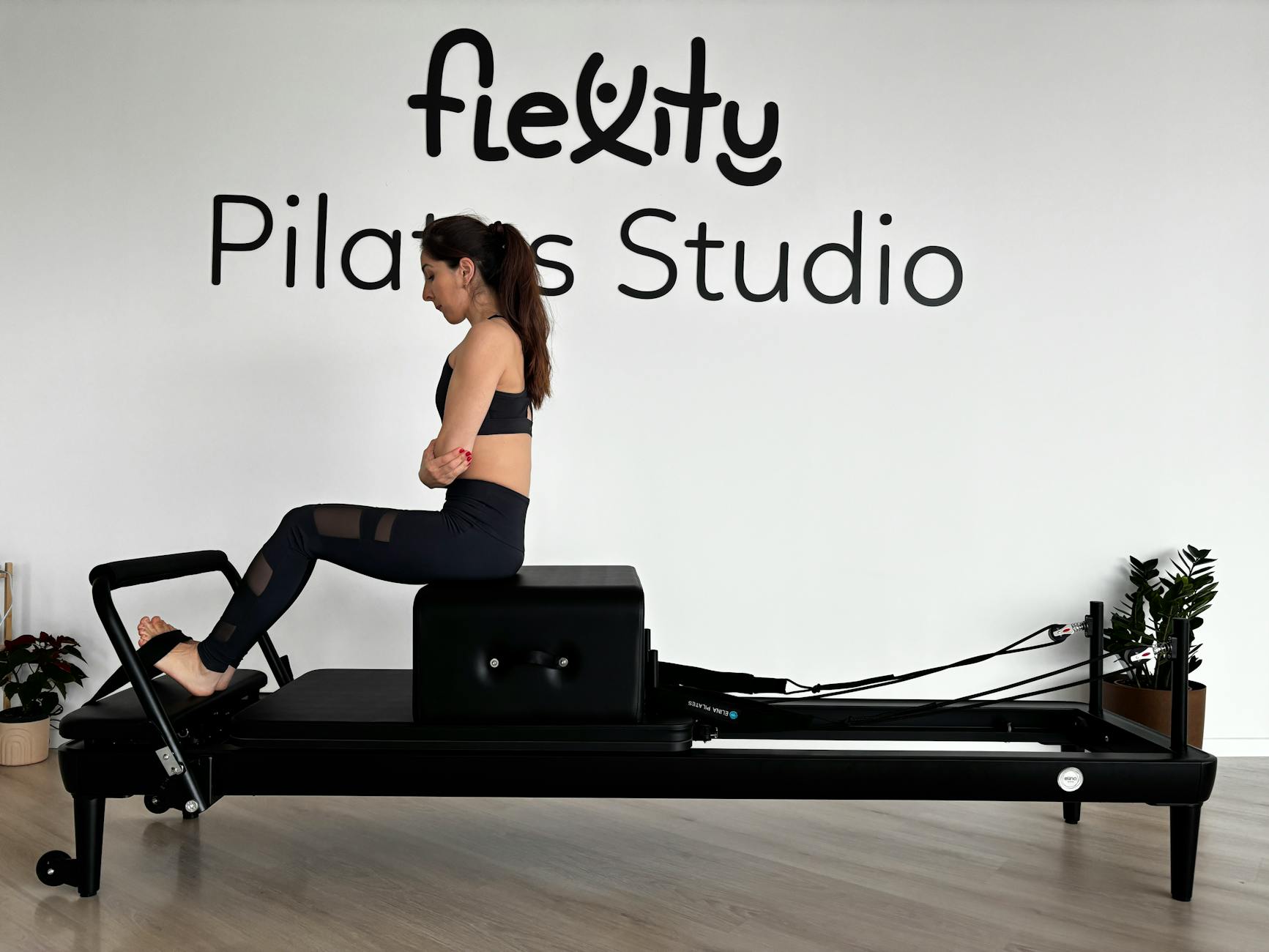
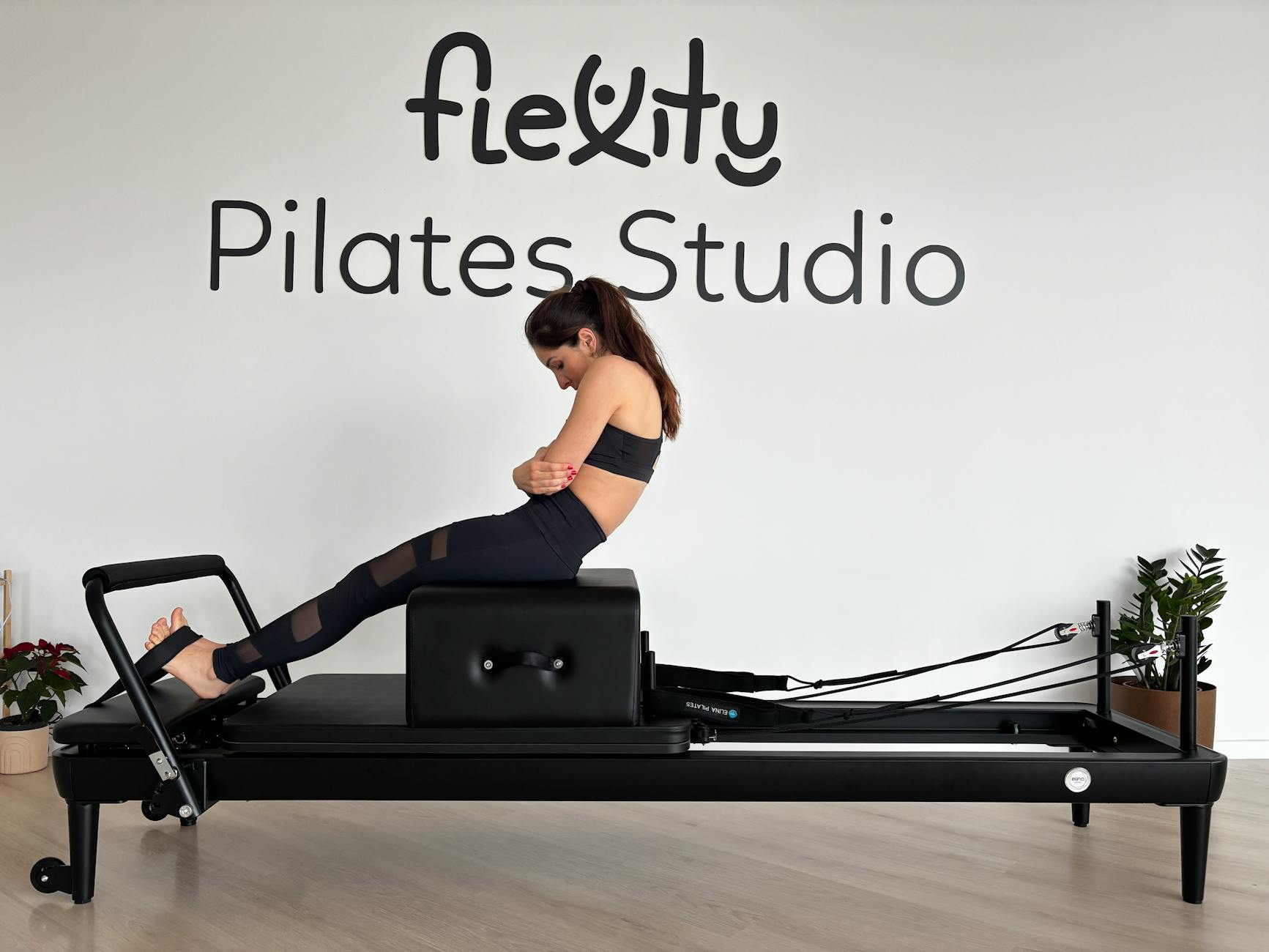
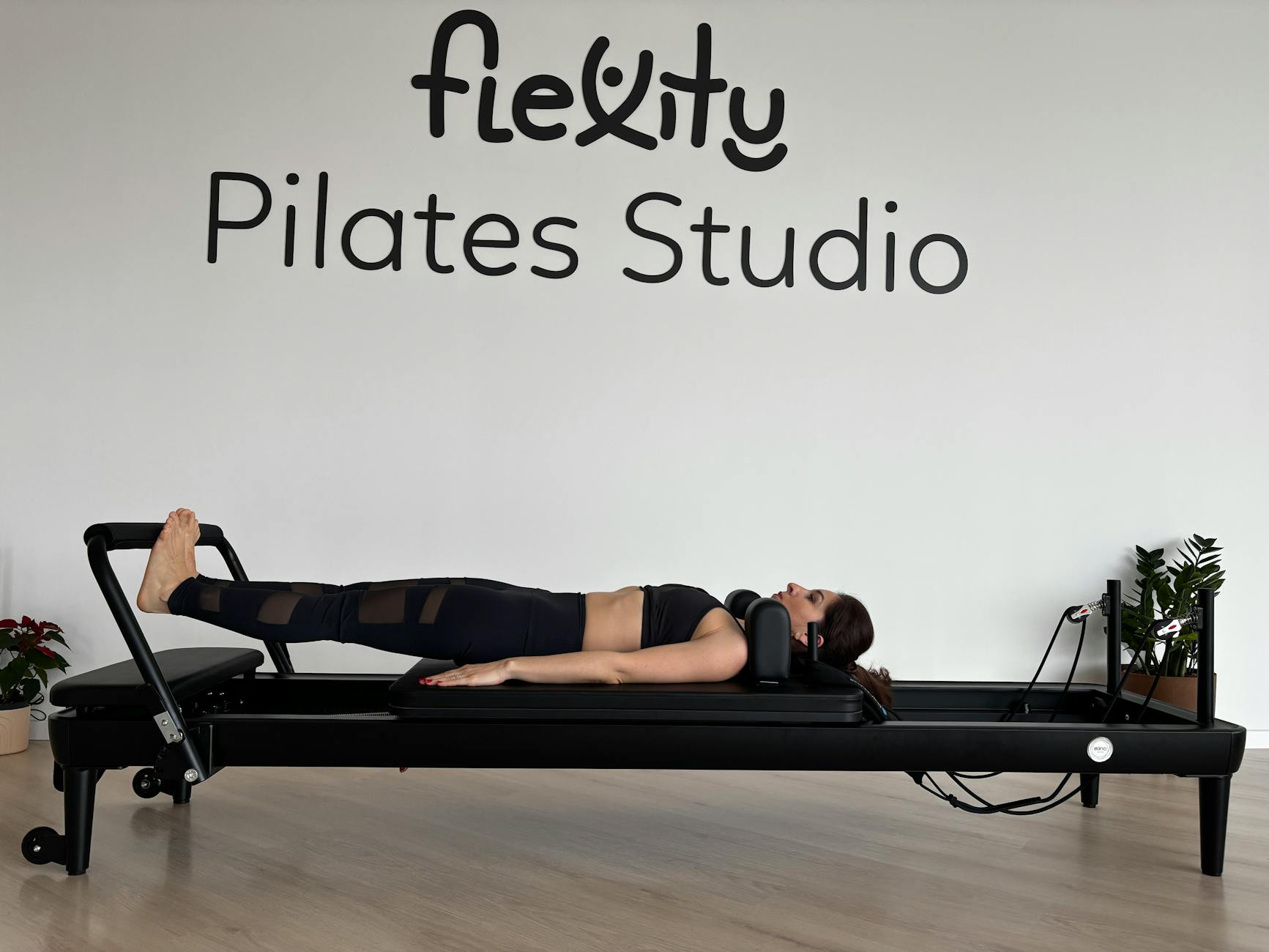
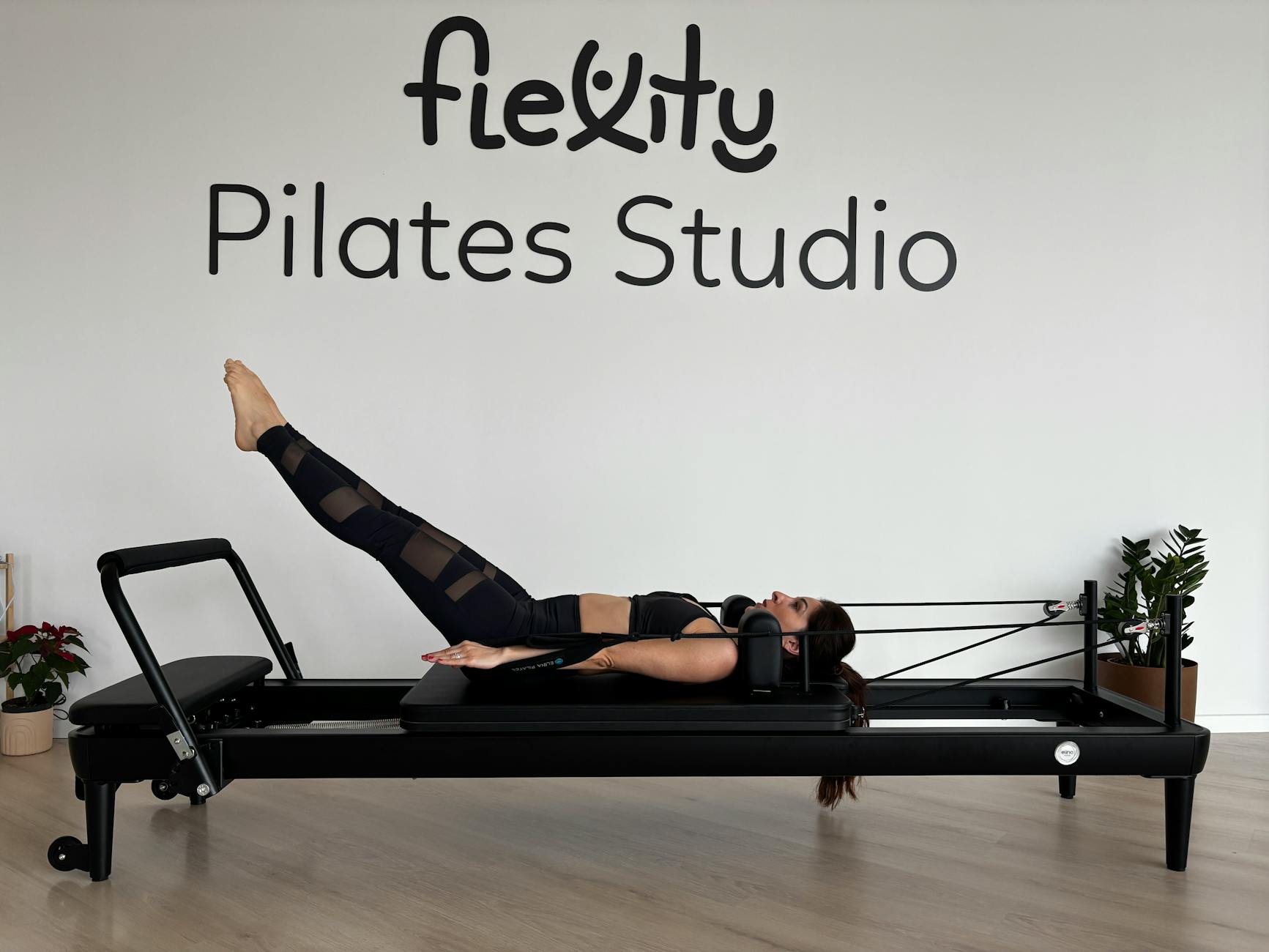
Once you're comfortable with the basics, you might consider exploring different styles of Pilates. Classical Pilates adheres strictly to Joseph Pilates' original sequence and exercises, while contemporary Pilates often incorporates modern biomechanical understanding and variations. There's also reformer Pilates, which uses specialized equipment to add resistance and support, offering a whole new dimension to your practice.
Integrating Pilates into Your Life
The principles you learn on the mat – core engagement, controlled movement, mindful breathing – can be carried into every aspect of your life. Think about how you sit at your desk, how you lift groceries, or even how you walk. Applying Pilates principles can improve your posture, reduce strain, and make daily activities feel more efficient and less taxing. It's not just a workout; it's a way of moving through the world.
The Long-Term Payoff
Pilates isn't a quick fix; it's a journey of continuous improvement. The more you practice, the more deeply you'll understand your body, its strengths, and its limitations. You'll build resilience, reduce pain, and move with a grace and efficiency you might not have thought possible. It's an investment in your physical and mental well-being that pays dividends for years to come.
So, forget the myths. Pilates is for you, especially if you're just starting out and want to build a truly strong, intelligent body. Take that first step, find a beginner routine, and commit to showing up. Your body will thank you for it, and honestly, you might just surprise yourself with how good you feel.