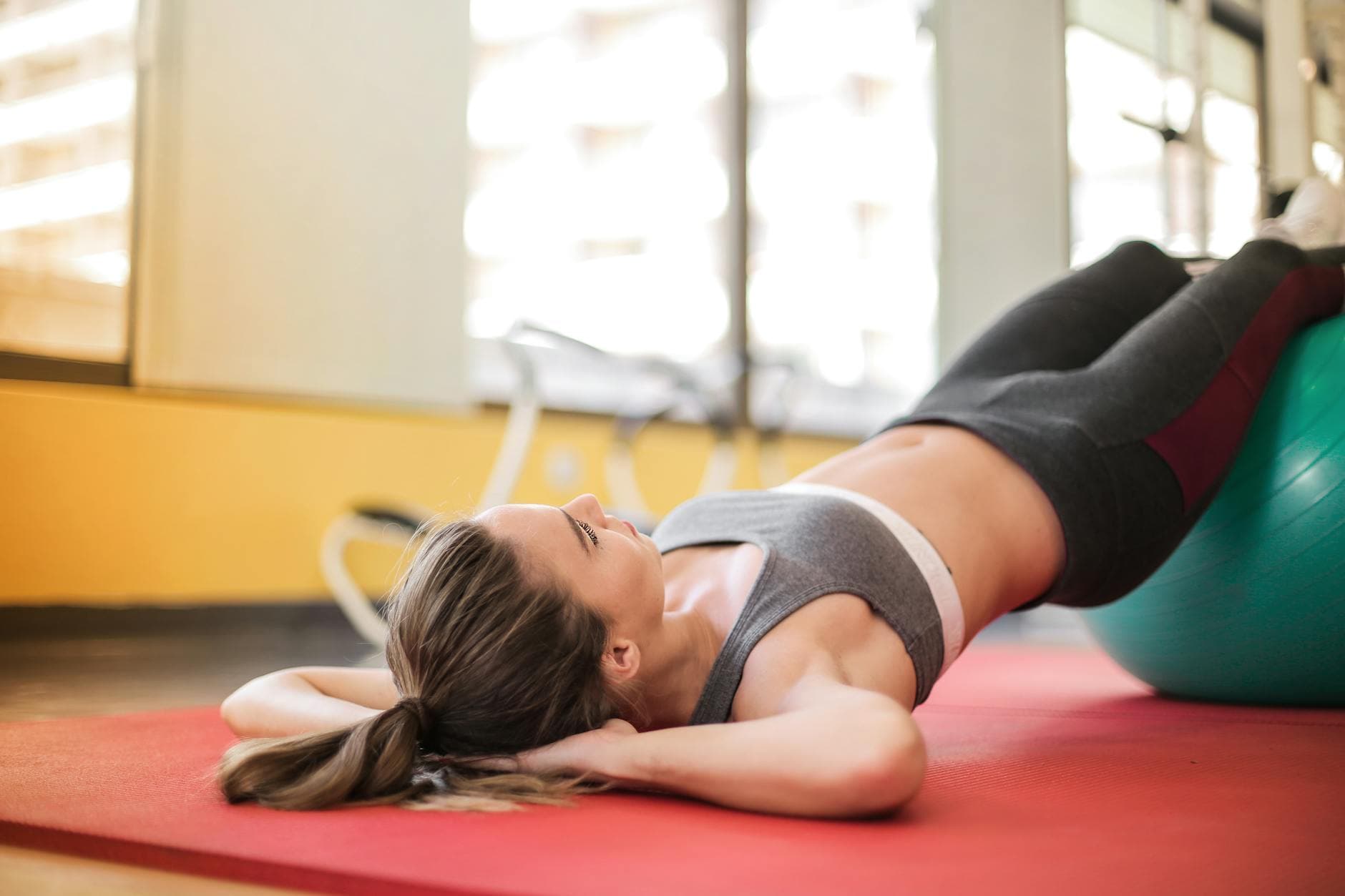
Here’s a tough pill to swallow: most people spend more time scrolling through social media in a day than they do actively working on their body's ability to move freely. We prioritize strength, we chase cardio goals, but flexibility? That often gets relegated to an afterthought, a quick 30-second hamstring pull if we even remember it. But honestly, neglecting your range of motion is like building a house on a shaky foundation. You might look strong from the outside, but inside, things are stiff, vulnerable, and just waiting for a breakdown. That's why diving into some solid flexibility exercise examples is absolutely crucial, not just for athletes, but for every single one of us trying to live a pain-free, active life.
Why Most People Get Flexibility Wrong (And Why It Matters So Much)
The Hidden Costs of Stiffness
You know, it's easy to dismiss stiffness as just "getting old" or "part of the deal." But I'll be real with you, that's a dangerous mindset. Chronic stiffness isn't just uncomfortable; it's a major contributor to injuries, poor posture, and even daily aches and pains that you might not even connect to your lack of mobility. Think about it: if your hips are tight, your lower back often picks up the slack, leading to strain. Stiff shoulders can compromise your neck and upper back. It's all connected, and ignoring one part of the chain inevitably impacts the others.
It's Not Just About Touching Your Toes
I used to think flexibility was just for gymnasts or people who wanted to do impressive yoga poses. That's a common misconception. The truth is, flexibility is about having the necessary range of motion to perform everyday tasks without restriction or pain. It's about being able to reach for something on a high shelf, tie your shoes comfortably, or get out of a low car without groaning. It's about maintaining independence and quality of life as you age. The World Health Organization (WHO) has even highlighted the importance of physical activity, including flexibility, for overall well-being, emphasizing its role in preventing non-communicable diseases.
What Happens When You Don't Stretch (My Own Experience)
Look, I've been there. For years, I was all about the heavy lifts. Squats, deadlifts, bench press – I loved feeling strong. But I barely stretched. My hamstrings were like steel cables, my shoulders were always hunched, and my lower back? Forget about it. I had nagging knee pain, constant tension in my neck, and eventually, a debilitating herniated disc that put me out of commission for months. That's when I had my wake-up call. I realized that all the strength in the world couldn't compensate for a lack of mobility. My body simply couldn't move through its full potential, and it paid the price. Learning how to improve flexibility became my top priority after that, and it transformed not just my workouts, but my entire life.

Understanding the Different Flavors of Movement: Types of Flexibility Exercises
Before we dive into specific examples, it's important to understand that not all stretching is created equal. There are different types of flexibility exercises, each with its own purpose and best time to be performed. Knowing the difference can really supercharge your results and keep you safe.
Dynamic Stretching: Movement Prep
Think of dynamic stretches as active movements that take your joints and muscles through their full range of motion. You don't hold these stretches; you move through them. They're fantastic for warming up your body, increasing blood flow, and preparing your muscles for activity. They mimic the movements you're about to perform, making them ideal before a workout or any physical activity. These are truly good flexibility exercises to get your body ready.
Static Stretching: The Deep Dive
This is probably what most people think of when they hear "stretching." Static stretches involve holding a stretch for a sustained period, typically 20-30 seconds, to lengthen the muscle and increase its flexibility. These are best done when your muscles are already warm, like after a workout. Holding them for too long before a workout can actually decrease performance, so save the deep holds for your cool-down.
Proprioceptive Neuromuscular Facilitation (PNF): Advanced Techniques
PNF stretching is a more advanced technique that involves contracting and then relaxing a muscle, often with the help of a partner or a resistance band, to achieve a greater stretch. It can be incredibly effective for increasing range of motion quickly, but it requires a bit more understanding and control. I wouldn't recommend it for absolute beginners without some guidance, but it's a powerful tool once you're comfortable with the basics.
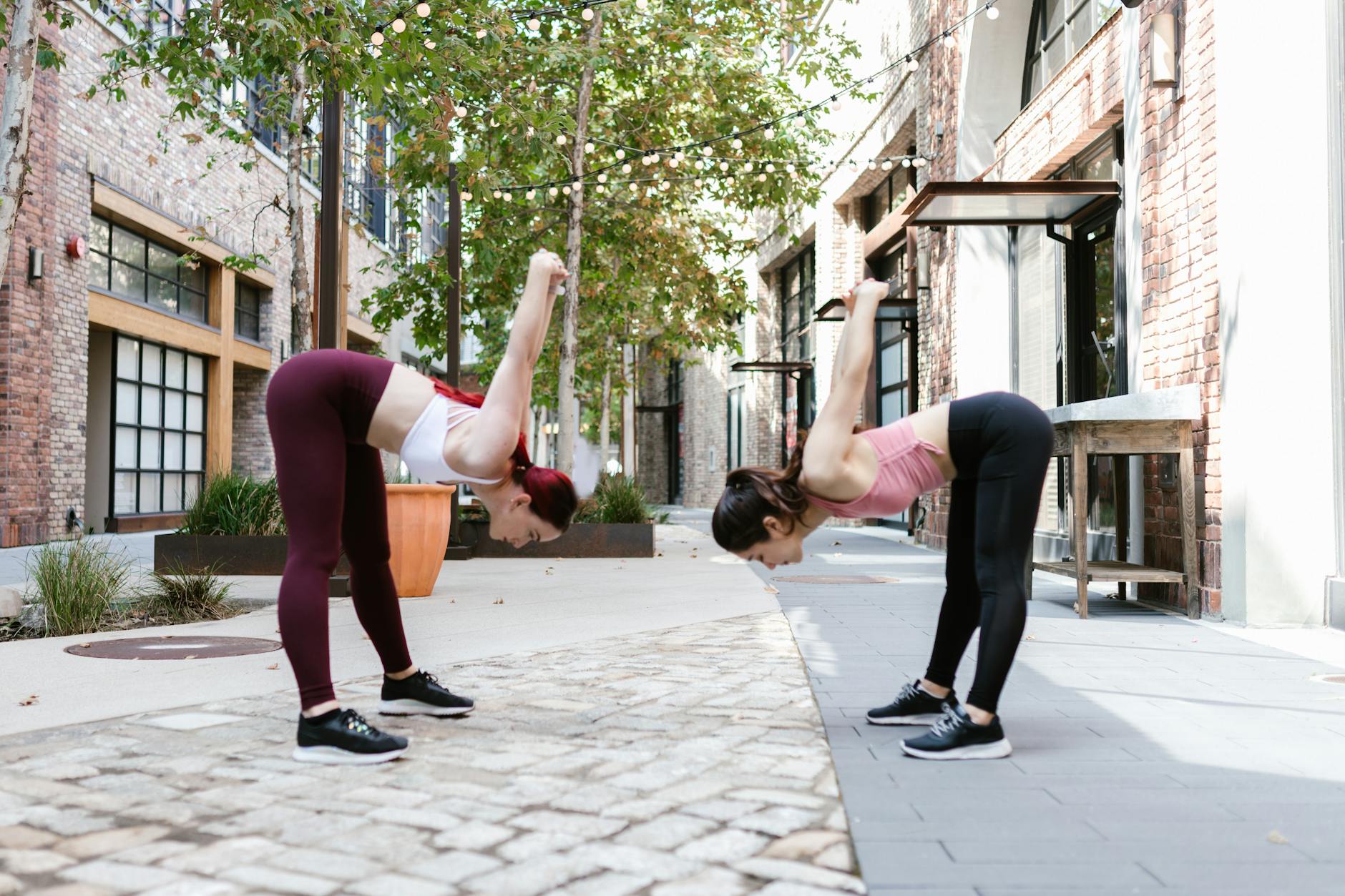
Essential Flexibility Exercise Examples You Can Start Today
Alright, let's get to the good stuff. These are some common flexibility exercises that I recommend to almost everyone. They hit the major muscle groups and are relatively simple flexibility exercises to learn.
Dynamic Warm-ups for Everyday Life
These are fantastic best flexibility exercises to weave into your daily routine, even if you're not hitting the gym. Just a few minutes can make a world of difference.
Arm Circles
Stand tall with your feet shoulder-width apart. Extend your arms out to your sides, parallel to the floor. Make small circles forward, gradually increasing the size until you're doing large, sweeping circles. Do about 10-15 circles forward, then reverse the direction for another 10-15. This gets your shoulders and upper back moving.
Leg Swings
Stand next to a wall or sturdy object for balance. Swing one leg forward and backward like a pendulum, keeping your core engaged and your standing leg slightly bent. Aim for 10-15 swings per leg, gradually increasing the height of the swing. This is brilliant for opening up your hips and hamstrings.
Torso Twists
Stand with your feet shoulder-width apart, knees slightly bent. Place your hands lightly behind your head or cross them over your chest. Gently twist your torso from side to side, keeping your hips relatively stable. This helps mobilize your spine and obliques.
Static Stretches for Deep Release
These are the bread and butter of increasing your range of motion. Remember to hold each of these for 20-30 seconds, breathing deeply into the stretch, and never bouncing.
Hamstring Stretch (Seated or Standing)
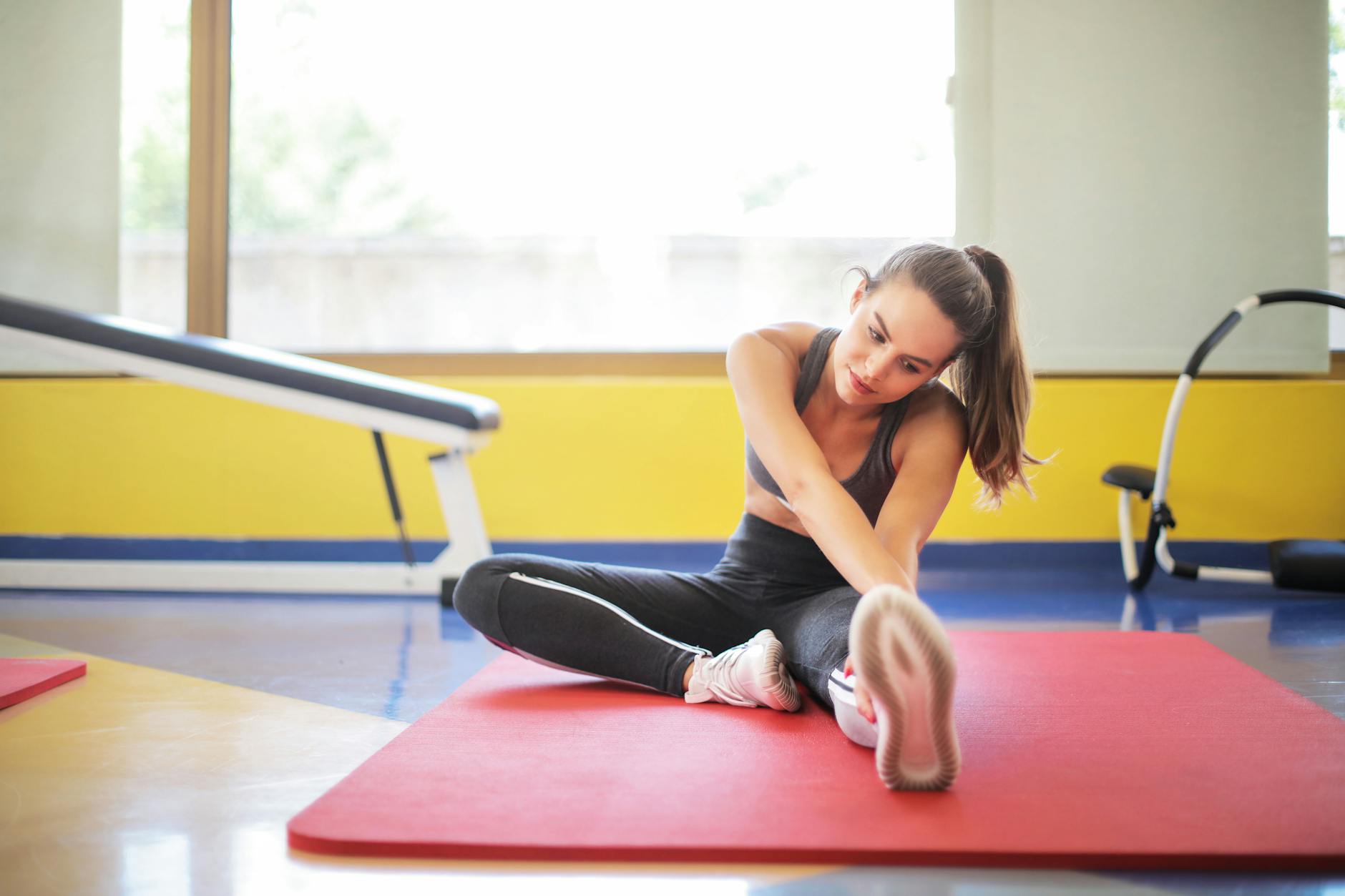
Seated: Sit on the floor with one leg extended straight out, the other bent with your foot against your inner thigh. Hinge forward from your hips, reaching towards your toes. Keep your back straight. You'll feel this along the back of your extended thigh. Standing: Place one heel on a slightly elevated surface (like a step or low bench). Keep both legs straight but not locked, and hinge at your hips, reaching towards your foot. This is one of the most important stretching exercises for flexibility.
Quad Stretch (Standing)
Stand tall and hold onto a wall or chair for balance. Grab your right foot with your right hand, pulling your heel towards your glute. Keep your knees together and feel the stretch down the front of your thigh. Repeat on the other side. This one surprised me with how much it improved my knee comfort.
Hip Flexor Stretch (Kneeling Lunge)
Kneel on one knee (use a pad if needed) with the other foot flat on the floor in front of you, forming a 90-degree angle. Gently push your hips forward, keeping your torso upright. You'll feel a deep stretch in the front of the hip of the kneeling leg. This is a game-changer for anyone who sits a lot, and pairs well with hip mobility exercises.
Calf Stretch
Stand facing a wall, placing your hands on it at shoulder height. Step one foot back, keeping that leg straight and your heel on the ground. Lean into the wall, bending your front knee. Feel the stretch in your back calf. To hit a different part of the calf, slightly bend the back knee. This is essential for ankle mobility.
Triceps/Shoulder Stretch
Lift one arm overhead, then bend your elbow so your hand drops behind your head. Use your other hand to gently press down on the bent elbow, deepening the stretch. You'll feel this in your triceps and the back of your shoulder.
Piriformis Stretch (Figure-Four)
Lie on your back with your knees bent and feet flat on the floor. Cross your right ankle over your left knee, forming a "figure four." Gently pull your left thigh towards your chest, feeling the stretch deep in your right glute/hip. This is excellent for relieving sciatica-like symptoms and improving Pilates for Back Pain often includes similar movements.
Core-Focused Mobility (Pilates Influence)
These gentle, controlled movements are fantastic for spinal mobility and core awareness. They're often found in common Pilates exercises.
Cat-Cow
Start on all fours, hands under shoulders, knees under hips. As you inhale, drop your belly, arch your back, and look up (Cow pose). As you exhale, round your spine, tuck your chin to your chest, and pull your belly button towards your spine (Cat pose). Move fluidly between these two poses for 8-10 repetitions. This is a brilliant way to mobilize your entire spine.
Pelvic Tilts
Lie on your back with knees bent, feet flat. Gently flatten your lower back into the floor by tilting your pelvis up slightly, engaging your abs. Then, gently arch your lower back, creating a small space between your back and the floor, tilting your pelvis down. This small, controlled movement helps improve lumbar spine flexibility and core control.
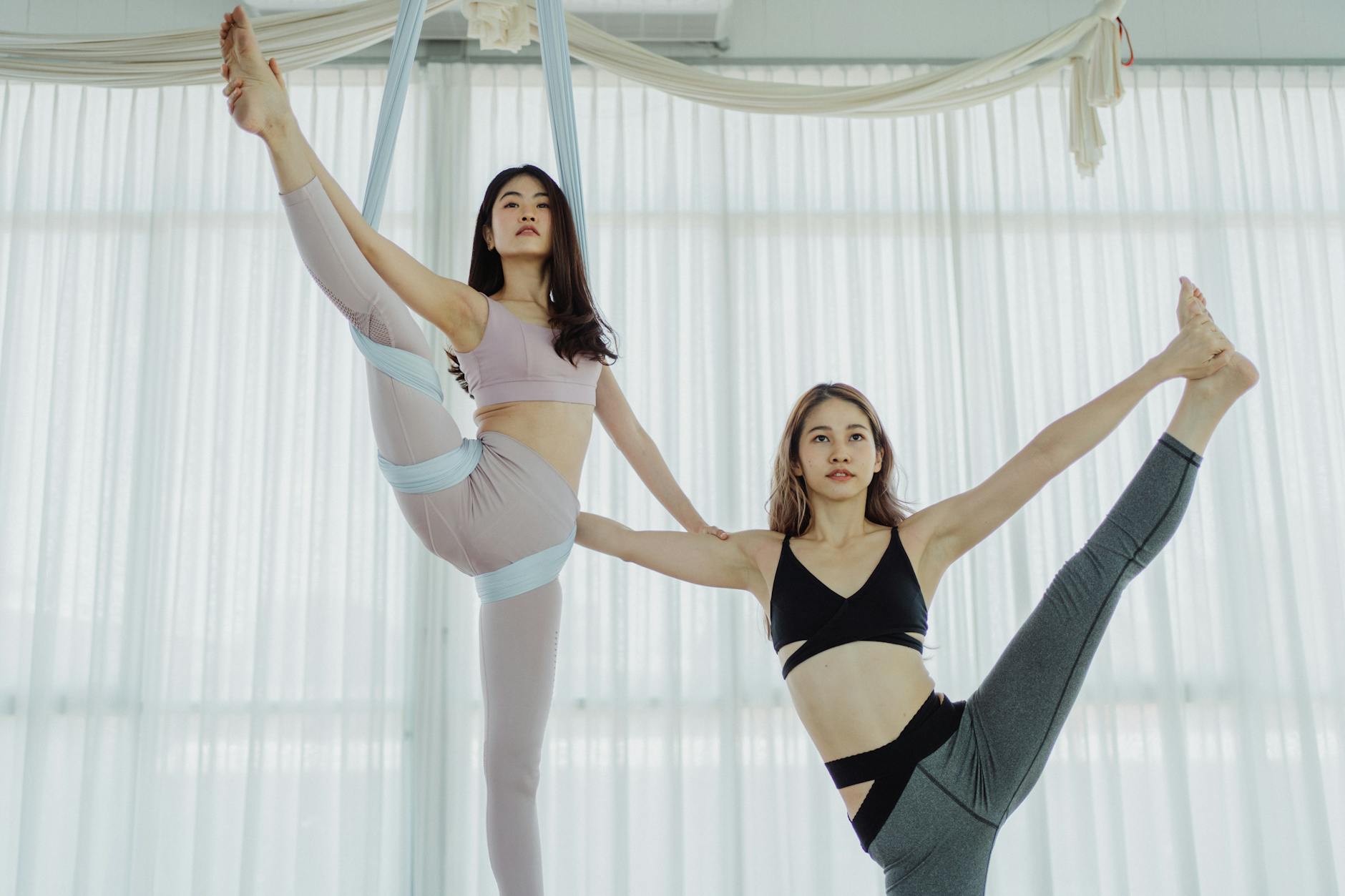
Building Your Own Stretching Routine: Simple Flexibility Exercises for Beginners
You might be wondering, "Okay, James, these are great flexibility exercise examples, but how do I put them all together?" Here's the truth: consistency is king. A short, regular routine is far more effective than an hour-long session once a month.
How Often Should You Stretch?
Ideally, you want to incorporate some form of flexibility work most days of the week. Dynamic stretches are perfect before any workout or activity. Static stretches are best after a workout, or even as a standalone session on an off day when your muscles are warm. Even 10-15 minutes a day can yield significant benefits. The Centers for Disease Control and Prevention (CDC) recommends flexibility activities at least 2-3 times a week.
The Golden Rules of Safe Stretching
- Warm-up First: Never stretch cold muscles. A few minutes of light cardio (like marching in place or jumping jacks) or dynamic stretches will get the blood flowing.
- No Pain, No Gain is a Lie: You should feel a gentle pull, not sharp pain. If it hurts, ease off.
- Breathe Deeply: Holding your breath tenses your muscles. Inhale, then exhale slowly as you deepen the stretch.
- Be Patient: Flexibility takes time. Don't force it. Your body will adapt gradually.
- Consistency: This is the most important rule. Little and often beats long and rare.
A Sample Daily Routine (Concrete Example)
Here’s a simple routine you could do every evening, or after a workout. It takes about 10-12 minutes.
- 5 minutes of light cardio (e.g., walking, marching in place, arm circles, leg swings)
- Hamstring Stretch (30 seconds per leg)
- Quad Stretch (30 seconds per leg)
- Hip Flexor Stretch (30 seconds per leg)
- Calf Stretch (30 seconds per leg)
- Piriformis Stretch (30 seconds per side)
- Cat-Cow (1 minute, slow and controlled)
- Gentle Torso Twists (30 seconds per side)
This routine covers the major areas prone to tightness and provides a good start for anyone looking to improve their flexibility exercises for beginners.
What Nobody Tells You About Flexibility (And How to Stick With It)
It's Not Always Comfortable (But It Shouldn't Hurt)
Here's the thing: stretching can be uncomfortable, especially when you're starting from a place of significant tightness. You'll feel that "pull," that sensation of resistance. That's normal. What's not normal is sharp, stabbing pain. If you experience that, back off immediately. The goal is to gently persuade your muscles to lengthen, not to yank them into submission. Over time, that discomfort will lessen as your range of motion increases. This is where patience and consistent effort truly pay off.
Consistency Trumps Intensity
I can't stress this enough. You don't need to become a contortionist overnight. Five to ten minutes of focused stretching every day or most days will get you far more progress than one brutal hour-long session once a week. Think of it like brushing your teeth – a little bit every day keeps the problems away. Building flexibility is a marathon, not a sprint. The National Institutes of Health (NIH) consistently publishes research supporting the long-term benefits of consistent, moderate physical activity, including flexibility training, for overall health.
Tracking Progress and Celebrating Small Wins
It can be tough to stay motivated when progress feels slow. This is where tracking comes in. Try this: pick one stretch, like the seated hamstring stretch. Measure how far you can reach on day one (maybe you can only touch your shins). Then, re-measure every two weeks. You'll be amazed at how those small, incremental gains add up. Maybe you can now touch your ankles, or even your toes! Celebrating these small victories is crucial for long-term adherence. It reminds you that your efforts are truly making a difference.
So, there you have it. Flexibility isn't just an optional extra; it's a fundamental component of a healthy, functional body. Incorporating these flexibility exercise examples into your life isn't about becoming a yoga guru; it's about reclaiming your body's natural ability to move, to bend, to reach, and to live without constant aches. Start small, stay consistent, and I promise you, your body will thank you for it. It's time to stop just existing in your body and start truly moving in it.