I remember standing in my tiny apartment living room, staring at a dusty set of dumbbells I barely used. My gym membership felt like a monthly guilt trip, and honestly, the thought of commuting just to lift heavy things was draining my motivation. I wanted to get stronger, to build real muscle, but I was convinced you needed a rack full of iron to do it. That’s when I stumbled into the world of bodyweight muscle building, and it absolutely changed everything I thought I knew about fitness.
For years, I was that guy who believed if you weren't benching your body weight, you weren't really working out. But here's the thing: that mindset is a barrier for so many people. It makes fitness feel inaccessible, expensive, and intimidating. What if I told you that the most powerful gym you own is already with you, right now? Your own body holds incredible potential for growth, strength, and a physique you’ll be proud of, all without a single piece of equipment.
The Myth of "You Need Weights to Get Big"
We've been conditioned to think weights are king for hypertrophy. Walk into any commercial gym, and you'll see rows of machines and free weights, all promising to sculpt your physique. This isn't inherently wrong, but it overshadows a fundamental truth: muscles don't know if they're lifting iron or your own flesh and bone. They only understand tension, resistance, and challenge.
Why We Underestimate Bodyweight Training
Many people dismiss calisthenics for muscle growth, thinking it's just for cardio or toning. I used to think bodyweight exercises to build muscle were only for beginners, a stepping stone to "real" lifting. That's a huge misconception, perpetuated by fitness culture that often glorifies the heaviest lift. The reality is, advanced bodyweight movements require immense strength, control, and coordination, pushing your muscles far beyond what simple dumbbell curls ever could.
The Science Behind Bodyweight Muscle Growth
Muscle hypertrophy, or growth, occurs when you challenge your muscles enough to create microscopic tears, which then repair and grow back stronger. This process doesn't demand external weights. It demands National Institutes of Health research on bodyweight muscle building consistently shows that progressive overload, applied through bodyweight strength training, is just as effective for muscle gain as traditional weightlifting for many individuals. The key is how you apply that challenge.
Understanding Muscle Hypertrophy
Hypertrophy is stimulated through mechanical tension, muscle damage, and metabolic stress. Bodyweight exercises can provide all three. Think about holding a plank for an extended period – that’s metabolic stress. Performing a slow, controlled push-up with perfect form creates mechanical tension and muscle damage. The body adapts to these stressors, leading to increased muscle mass and strength.
My Own Journey: A Skeptic Converted
I’ll be real with you, I was skeptical. I started with basic push-ups and squats, thinking I wouldn't see much change. But then I started researching progressive overload bodyweight techniques. I moved from knee push-ups to regular push-ups, then to incline, and eventually one-arm push-ups. My chest and triceps exploded in a way I hadn't seen with weights alone. My core became like steel from holding planks and L-sits. This one surprised me: my back and biceps, traditionally hard to hit without a pull-up bar, still grew through creative variations and consistent effort. It's truly possible to build muscle without weights.
The Core Principles of Bodyweight Muscle Building
If you want to see real results, you can't just do endless reps of the same exercise. There's a method to the madness, a set of bodyweight training principles that unlock serious gains. These aren't secrets, but they are often overlooked.
Progressive Overload: Your Non-Negotiable Rule
This is the absolute cornerstone of any muscle-building program, bodyweight or otherwise. Your muscles need to be challenged more over time. If you can do 20 push-ups easily, doing 20 push-ups every day won't make you stronger or bigger. You have to make it harder. This is where most people fail when trying to build muscle without weights.
How to Apply Progressive Overload Without Weights
There are many ways to increase the challenge:
- Increase reps or sets: The most obvious, but not always sustainable indefinitely.
- Decrease rest time: Less recovery between sets boosts metabolic stress.
- Improve leverage: Move from easier variations to harder ones (e.g., knee push-ups to standard, then incline to decline).
- Slow down the movement (Time Under Tension): A 5-second eccentric (lowering) phase on a squat is far harder than dropping down quickly.
- Unilateral movements: Working one limb at a time (e.g., pistol squats, one-arm push-ups) dramatically increases the load on that limb.
- Add pauses: Holding at the hardest part of the movement (e.g., bottom of a squat, top of a pull-up).
Mastering Form Over Reps: Quality First
This is where I get really passionate. I see so many people cranking out ugly, half-rep push-ups or squats, thinking more reps mean more gain. Wrong! Poor form is a recipe for injury and inefficient muscle activation. A perfectly executed set of 5 slow, deep push-ups is far superior for muscle building than 20 sloppy ones. Focus on the muscle contraction, feel the burn, and control the movement throughout the entire range of motion. Quality always trumps quantity.
Consistency and Patience: The Unsung Heroes
Look, muscle gain at home isn't a sprint; it's a marathon. You won't transform your body in two weeks. What you will see is steady, compounding progress if you show up, day in and day out, and apply those progressive overload principles. Consistency builds habits, and patience allows your body the time it needs to adapt and grow. Don't get discouraged if you don't see massive changes overnight. Trust the process.
Essential Bodyweight Exercises to Build Muscle
You might be wondering, "Okay, so what are the best bodyweight exercises for this?" The truth is, a few fundamental movements, when progressively overloaded, can hit every major muscle group effectively. These are your bread and butter.
Upper Body Powerhouses
To build a strong upper body without weights, you need to cover pushing and pulling movements.
Pushing Movements
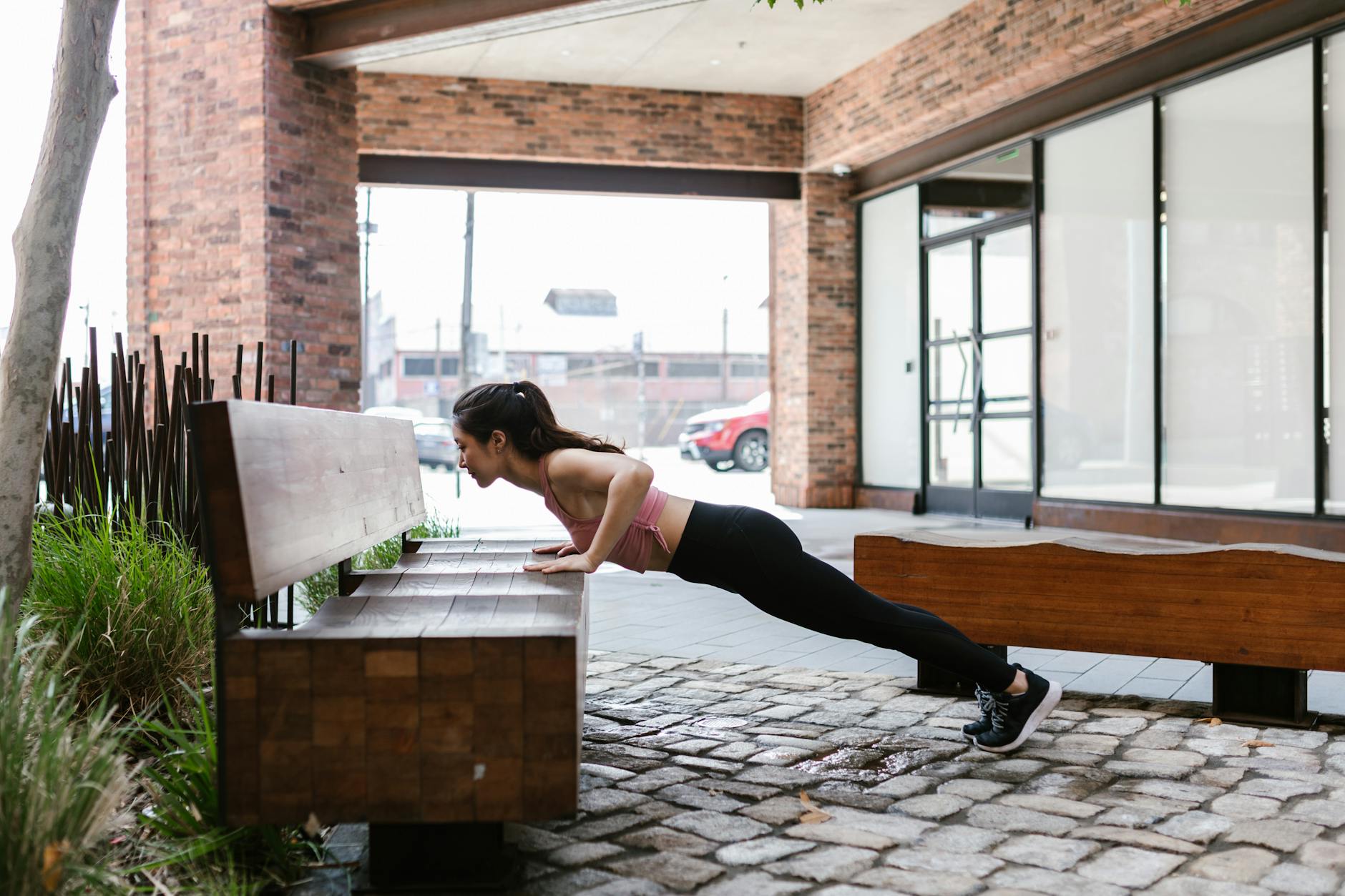
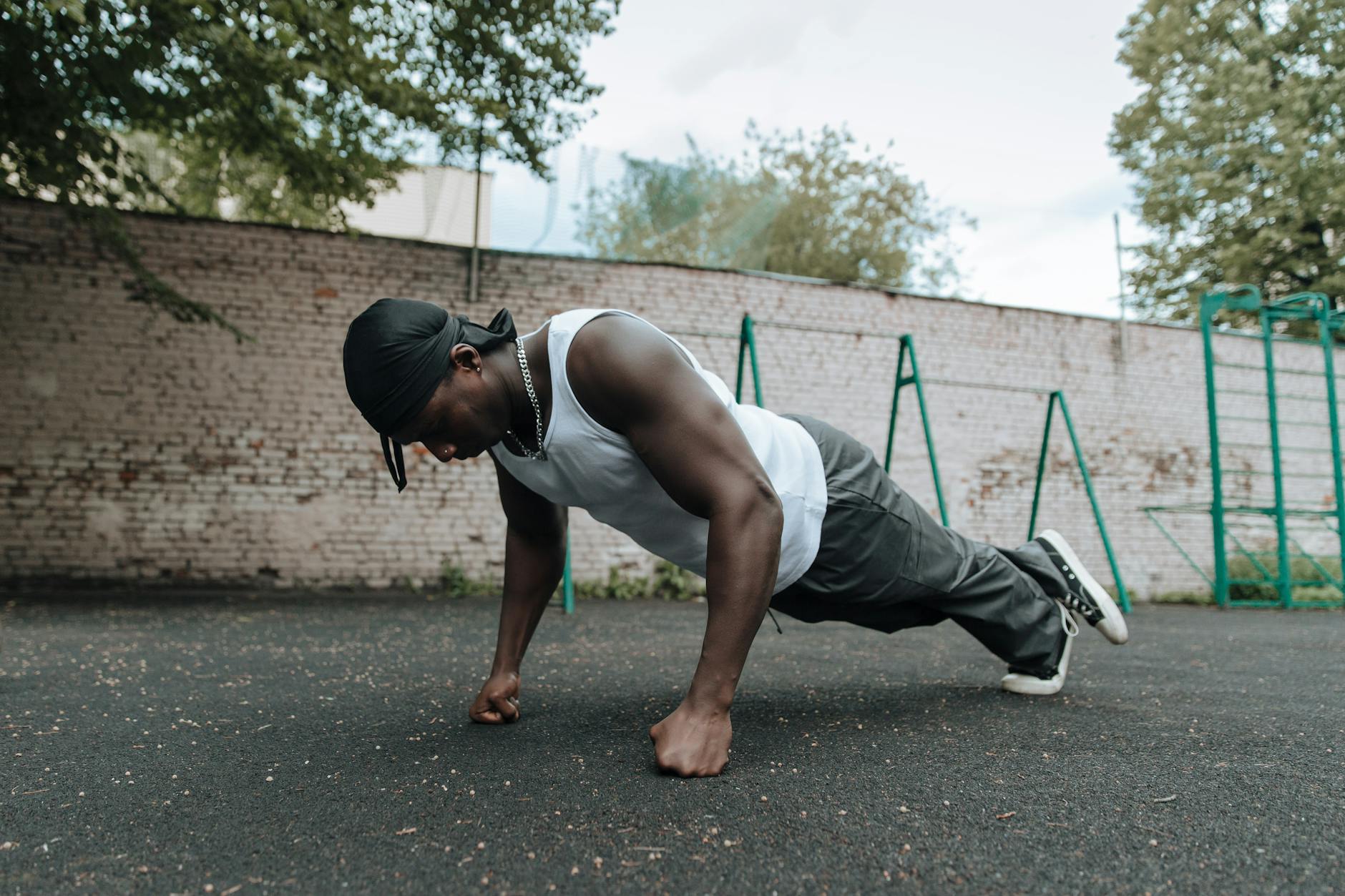
Push-ups: The king of chest and tricep development. Start on your knees, then progress to standard, decline (feet elevated), pseudo planche push-ups, and eventually one-arm push-ups. Each progression significantly increases the load on your muscles. Dips: If you have parallel bars or sturdy chairs, dips are incredible for triceps and chest. Again, progressive overload here means adding weight (a backpack), slowing down, or moving to harder variations.
Pulling Movements (Creative Solutions)
This is often the hardest part for no equipment muscle building, but not impossible. Pull-ups/Chin-ups: If you have access to a sturdy bar (door frame pull-up bar, playground, tree branch), these are non-negotiable for back and biceps. Work on negatives, assisted pull-ups, and then full reps. Inverted Rows: Find a sturdy table, low bar, or even two chairs. Lie underneath, grab the edge, and pull your chest up. Adjust your foot position to make it easier or harder. This hits your back muscles beautifully. Door Frame Rows: A surprisingly effective way to hit your back and biceps. Stand in a sturdy door frame, grip the sides, and lean back, pulling yourself forward. The further you lean, the harder it gets.
Lower Body Foundations
Your legs are powerful, and bodyweight training can make them even stronger.
Squats: From basic air squats to sumo squats, Bulgarian split squats (one foot elevated on a chair), and the ultimate challenge, pistol squats. These build serious quad, hamstring, and glute strength. Lunges: Forward, reverse, and lateral lunges hit your legs from different angles, improving balance and unilateral strength. Glute Bridges/Hip Thrusts: Fantastic for targeting the glutes and hamstrings. Progress by doing single-leg variations or elevating your feet.
Core Strength for Overall Stability
A strong core is the foundation for all movement. Incorporate dedicated core work into your routine. For more specific guidance, consider checking out a Core Workout at Home: Build Strength & Sculpt Your Abs guide. Even if you eventually transition to a Gym Core Workout: Strengthen Your Abs & Improve Stability, these bodyweight principles are invaluable.
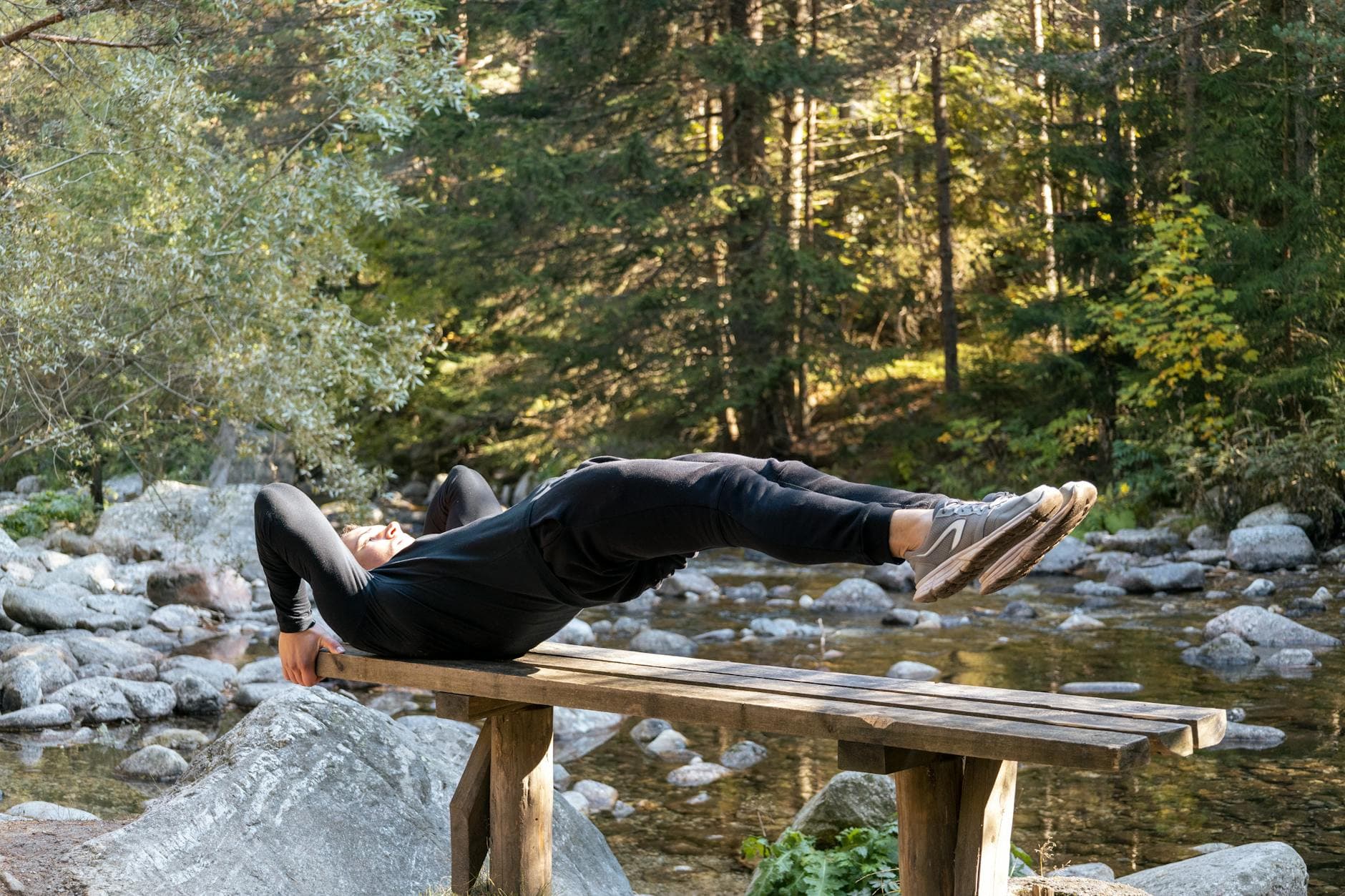
Planks: Front, side, and dynamic planks. Hold for time, or add movement. Leg Raises: Lying leg raises, hanging leg raises (if you have a bar), and knee tucks. Crunches/Sit-ups: Basic but effective when done with good form. Progress to V-ups or bicycle crunches. Hollow Body Hold: A fundamental gymnastics exercise that builds incredible full-body tension.
Crafting Your Effective Bodyweight Workout Plan
Knowing the exercises isn't enough; you need a structure. A well-designed Bodyweight Workout Plan: Your Guide to Strength & Fitness is crucial for consistent progress and preventing overtraining.
Structuring Your Weekly Routine
How often should you train? For muscle building, hitting each muscle group 2-3 times a week is generally optimal. This allows for sufficient stimulus and recovery. A common structure is training every other day, or a 3-4 day per week schedule.
Full Body vs. Split Routines
For bodyweight training, especially when starting, a full-body approach is often best. It allows you to hit all major muscle groups frequently, promoting overall strength and muscle gain. A typical full body weight workout (even bodyweight equivalent) could involve 3-4 exercises per major muscle group, performed for 3-5 sets each. As you advance, you might consider a push/pull/legs split, but full-body offers excellent synergy.
Warm-up and Cool-down: Don't Skip These
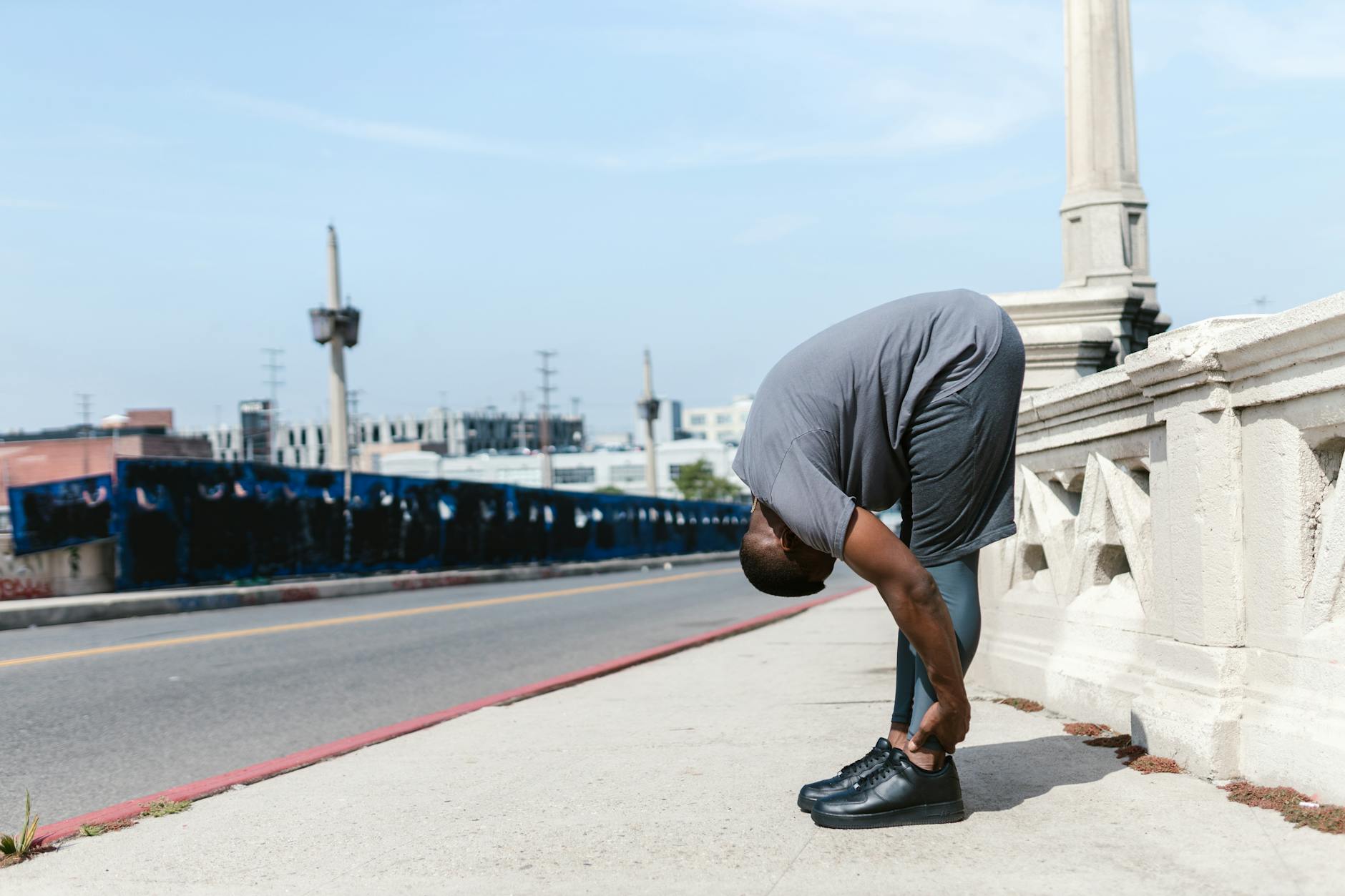
Honestly, this is where I used to cut corners, and it was a mistake. A proper warm-up prepares your body for movement, increases blood flow, and reduces injury risk. Think 5-10 minutes of light cardio (jumping jacks, high knees) followed by dynamic stretches. Similarly, a cool-down with static stretches helps improve flexibility and aids recovery. Consider incorporating elements from a Beginner Yoga YouTube: Your Free Guide to Starting At Home video for a great cool-down.
Recovery and Nutrition: The Silent Growth Partners
You don't build muscle during your workout; you build it during recovery. That means prioritizing sleep (7-9 hours), managing stress, and fueling your body right. Aim for adequate protein intake (around 0.7-1 gram per pound of body weight), plenty of complex carbohydrates for energy, and healthy fats. Hydration is also incredibly important. The World Health Organization research on bodyweight muscle building emphasizes the importance of holistic health, including nutrition and rest, for any physical activity.
Overcoming Plateaus and Advanced Bodyweight Strength Training
Eventually, you’ll hit a point where your standard progressions feel stagnant. This is normal. It's an opportunity to get creative and push past your limits.
Leverage & Unilateral Work: Turning Up the Heat
Manipulating leverage is a powerful tool. Moving your hands closer together during push-ups, elevating your feet further, or performing single-leg movements like pistol squats or one-arm push-ups, drastically increases the demand on your muscles. These aren't just parlor tricks; they are legitimate ways to continue challenging yourself and achieve significant bodyweight muscle building.
Time Under Tension and Controlled Negatives
Instead of just counting reps, focus on how long your muscles are under tension. Slow down your movements, especially the eccentric (lowering) phase. A 5-second negative on a pull-up or a push-up can fatigue your muscles much faster and stimulate more growth than a quick, uncontrolled rep. This technique is incredibly effective for breaking through strength plateaus.
Listening to Your Body: The Ultimate Guide
No program is perfect for everyone. Pay attention to how your body feels. Are you recovering adequately? Are you experiencing persistent pain (not just muscle soreness)? Adjust your volume, intensity, or take an extra rest day. The Centers for Disease Control and Prevention research on bodyweight muscle building consistently highlights the importance of listening to your body to prevent injury and ensure sustainable progress. This individualized approach is key to long-term success.
So, forget the idea that you need fancy equipment or an expensive gym membership to build a strong, muscular physique. Your body is an incredible machine, capable of amazing feats of strength and growth. With consistent effort, intelligent application of progressive overload, and a genuine commitment to mastering your own movement, you can achieve incredible results. Start today, right where you are, and unlock the power of your own body.