Picture this: you bend down to tie your shoe, and it feels like your hips are made of concrete. Or maybe you're trying to squat deeper in the gym, but your knees cave in, and your lower back screams a silent protest. Perhaps you sit at a desk for eight hours, stand up, and feel like a rusty robot for the first first few steps. Sound familiar? That stiff, restricted feeling isn't just a minor annoyance; it's a sign that your hips are crying out for attention, and it's time to incorporate some dedicated hip mobility exercises into your routine.
I've been there, truly. For years, I ignored the subtle stiffness, chalking it up to "just getting older" or "being active." But here's the thing: our hips are the powerhouse of our body, connecting our upper and lower halves. When they're locked up, everything else suffers – your squats, your runs, even just walking around the block. Honestly, neglecting hip health is like trying to drive a car with square wheels; it's inefficient, painful, and eventually, something's going to break.
The Hidden Problem with Modern Life: Why Your Hips Are Tight
Our bodies are designed for movement, for hunting, gathering, squatting by a fire. Yet, for many of us, the most strenuous activity our hips see all day is the transition from the office chair to the car seat. This sedentary lifestyle is, in my opinion, the single biggest culprit behind widespread hip stiffness and pain.
The "Sitting Disease" Epidemic
You've probably heard the term "sitting is the new smoking," and while that might sound extreme, there's a lot of truth to it, especially concerning our hips. When you sit for prolonged periods, your hip flexors (the muscles at the front of your hips) shorten and tighten. Your glutes, on the other hand, become inactive and weak. This creates an imbalance that pulls on your pelvis, affecting your posture and leading to a whole host of issues. I used to think a quick stretch after a long day was enough, but it really isn't; it takes consistent effort to counteract hours of static positioning.
Beyond Just Feeling Stiff: Real Consequences
Tight hips aren't just about discomfort. They can lead to significant problems. Think about your running stride: if your hips can't extend fully, your body compensates, often by over-rotating your spine or putting extra stress on your knees and ankles. This is why Mayo Clinic research often highlights the interconnectedness of joint health. I've seen countless runners sidelined with knee pain that, after proper assessment, traced back directly to a lack of hip range of motion. It impacts your ability to generate power, move freely, and even contributes to chronic lower back pain relief.
The Spine-Hip Connection
Your pelvis acts as a crucial link between your spine and your legs. If your hips are restricted, that movement has to come from somewhere else, and often, it's your lumbar spine that takes the hit. This compensation can cause instability and pain, especially during activities like lifting or even just standing for extended periods. Improving your hip range of motion exercises can literally unlock your back.
Understanding True Hip Mobility: More Than Just Stretching
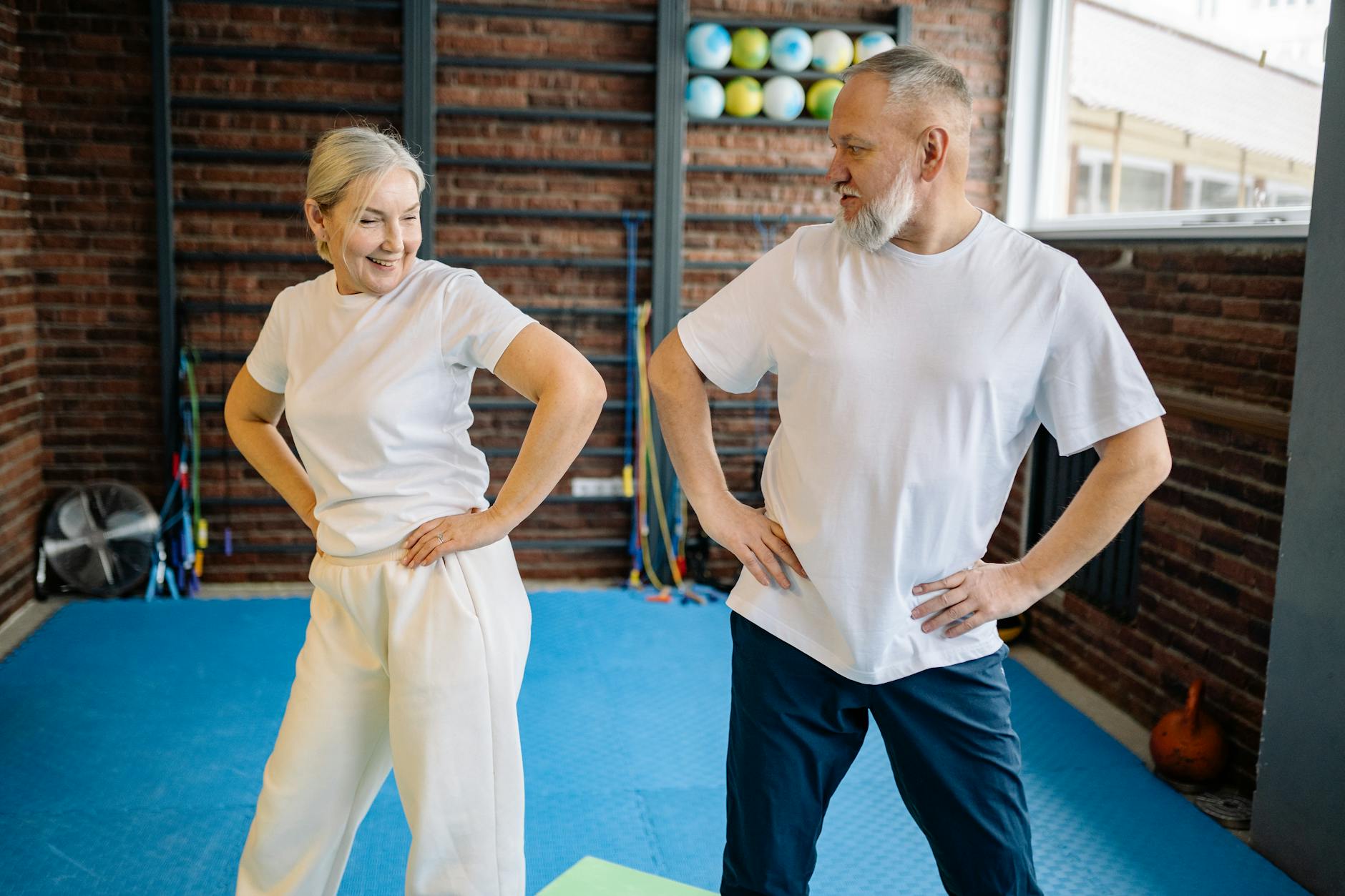
When people talk about hip mobility, they often just think of touching their toes. But it's so much more nuanced than that. It's about having control and strength throughout your hip's entire range of motion, not just passively stretching into a position.
What is "Good" Hip Mobility, Really?
Good hip mobility means your hip joint can move freely and without pain through all its natural planes of motion: flexion, extension, abduction, adduction, and internal and external rotation. It means you can squat deep with an upright torso, kick high, or comfortably sit cross-legged on the floor. It's the ability to move through your life with grace and power, without feeling restricted by your own body.
Active vs. Passive Flexibility
This one surprised me when I first learned it. Passive flexibility is when you use external help (like gravity or your hands) to get into a stretch. Active flexibility, on the other hand, is the ability to move your joint through its full range using only your own muscles. For true, functional hip mobility, you need both. You need to be able to stretch your tight hip exercises, but also strengthen the opposing muscles to actively pull yourself into that new range. This distinction is paramount for long-term progress.
Why Strength Matters for Mobility
Look, you can stretch all day long, but if you don't have the strength to control that newfound range, you're not truly mobile; you're just flexible. Strength provides stability and allows your body to feel safe in those deeper positions. Think about it: if your body doesn't trust that it can stabilize a deep squat, it's going to put up a fight, keeping you from going deeper. Common Pilates exercises, for example, are fantastic for building this kind of integrated strength and flexibility.
Essential Hip Mobility Exercises You Can Do Today
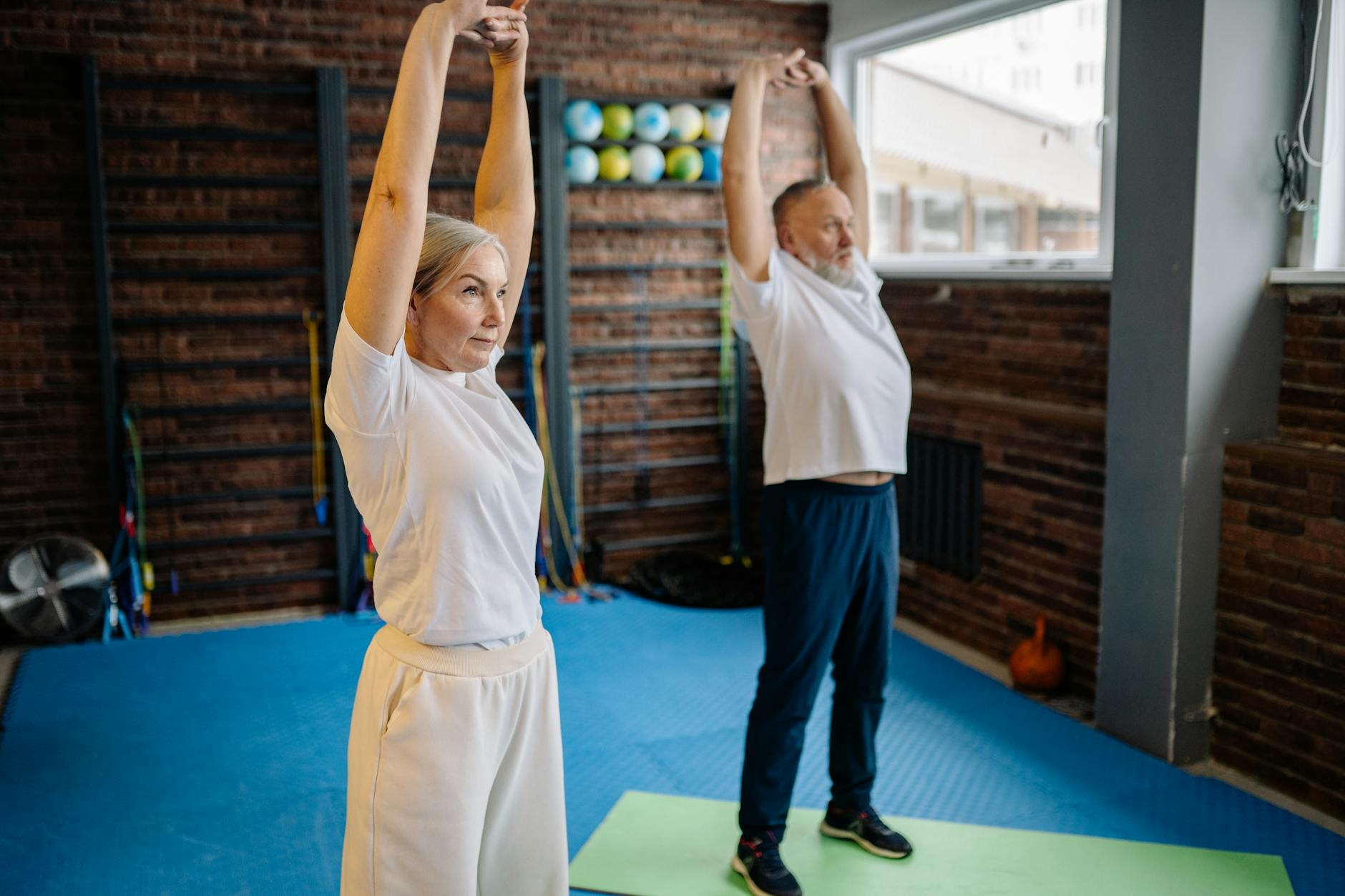
Let's get down to business. These are the exercises for hip flexibility that I swear by, the ones that have made a real difference for me and countless clients. Integrate these consistently, and you'll notice a huge shift.
Dynamic Warm-ups for the Hips
Before any workout or even just to shake off the morning stiffness, dynamic movements are key. They prepare your muscles and joints for action without holding static stretches.
Leg Swings (Front/Back & Side-to-Side)
Stand tall, holding onto a wall or chair for balance if needed. Swing one leg forward and backward in a controlled motion, gradually increasing the height. Do 10-15 swings per leg. Then, turn to face the wall and swing your leg side-to-side across your body, opening up the inner and outer hip. These are fantastic for getting the joint fluid moving and improving hip range of motion exercises.
Cat-Cow with Hip Circles
Start on your hands and knees in a tabletop position. Perform a few rounds of classic cat-cow stretches, arching and rounding your spine. Then, while in the cow position (arched back), begin to make slow, controlled circles with your hips, moving them over your heels and then forward. Reverse direction. This gentle movement lubricates the hip joint in multiple planes.
Targeted Stretches for Deep Release (Hip Flexibility Stretches)
Once you're warm, you can delve into some deeper stretches to address those stubborn tight spots. Hold each of these for 30-60 seconds, breathing deeply into the stretch.
90/90 Stretch
Sit on the floor with your right knee bent at 90 degrees in front of you, foot flat on the floor. Your left knee should also be bent at 90 degrees, but out to your side, with your shin parallel to your torso. Keep both sit bones on the floor as much as possible. Lean forward over your front leg for an external rotation stretch, then try to lean towards your back leg for an internal rotation stretch. This targets both internal and external rotation, which is crucial for balanced hip flexibility.
Pigeon Pose (Modified or Full)
From a downward dog position, bring your right knee forward and place it behind your right wrist, with your shin as parallel to the front of your mat as comfortable. Extend your left leg straight back. You can stay upright or fold forward over your front leg. If this is too intense, try a figure-four stretch lying on your back (threading one ankle over the opposite knee). Pigeon is a powerhouse for opening the external rotators and glutes, offering significant hip pain relief.
Frog Stretch
Start on your hands and knees. Slowly widen your knees, keeping your ankles in line with your knees, feet flexed. Lower down onto your forearms, letting your hips sink towards the floor. This is an intense adductor stretch, excellent for improving inner thigh and groin flexibility. Be gentle with this one; it can be very potent for tight hip exercises.
Strengthening for Stability and Range (Exercises for Hip Flexibility)
Remember, true mobility comes from strength and control. These exercises will help you build that stability.
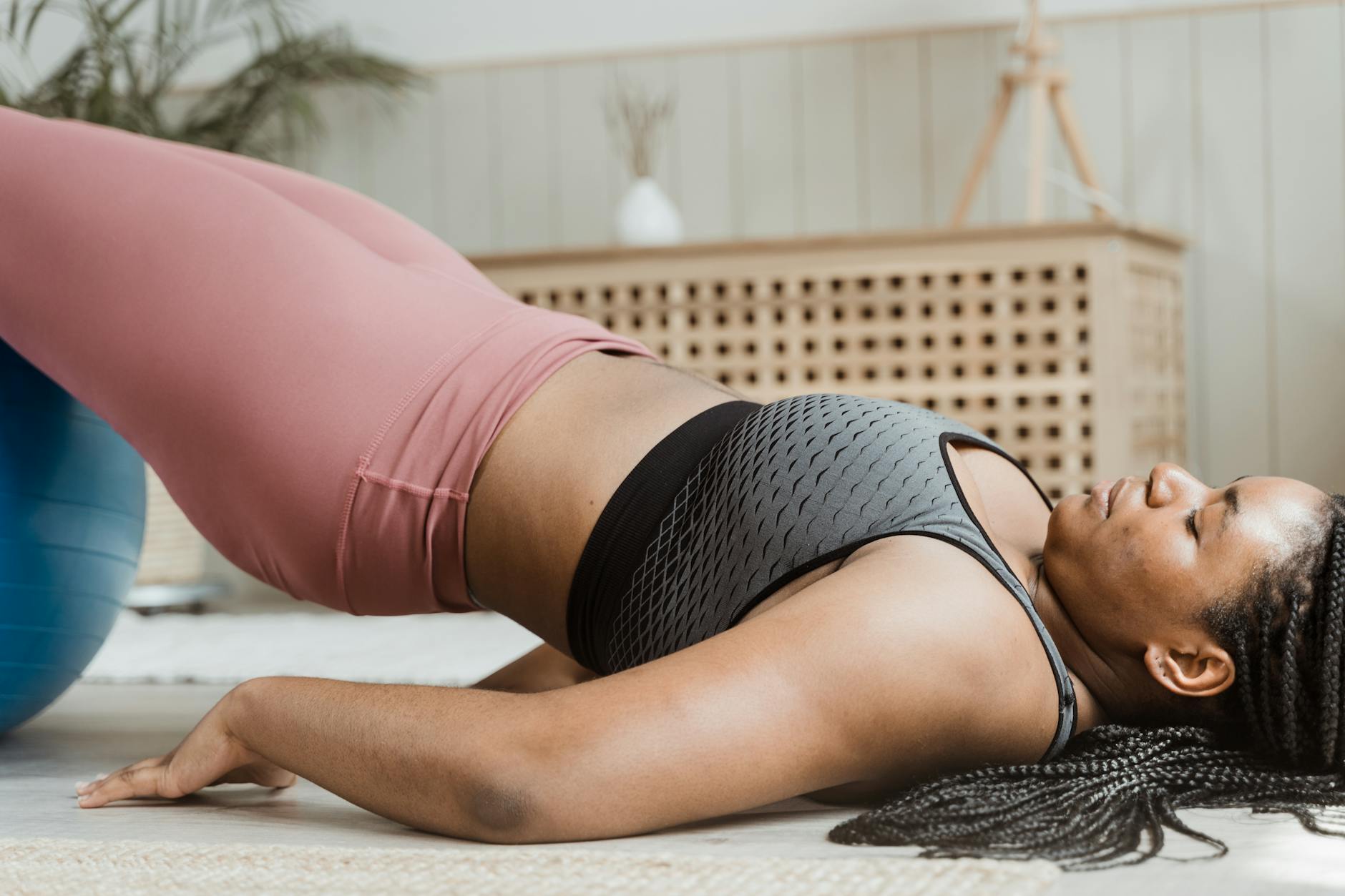
Glute Bridges
Lie on your back with your knees bent, feet flat on the floor, hip-width apart. Drive through your heels, lifting your hips towards the ceiling until your body forms a straight line from your shoulders to your knees. Squeeze your glutes at the top. Lower slowly. This is a fundamental Pilates for Beginners exercise, excellent for glute activation exercises, which are vital for hip extension.
Clamshells
Lie on your side with your knees bent and stacked, feet together. Keep your hips stacked and lift your top knee towards the ceiling, keeping your feet together. Slowly lower. This targets the glute medius, a key muscle for hip abduction and stability. Performing 15-20 reps per side will really wake up those often-neglected muscles.
Cossack Squats
Stand with a wide stance, toes pointed slightly out. Shift your weight to one side, bending that knee deeply while keeping the other leg straight, foot flat on the floor (or heel slightly lifted if necessary). Your torso remains upright. Push back to center and repeat on the other side. This is a fantastic exercise for hip range of motion exercises, challenging both hip adduction and abduction while building strength.

Tackling Specific Problems: Runner's Hips and Lower Back Pain
Your specific issues often dictate which hip mobility exercises you should prioritize. Let's talk about a couple of common ones.
Runner Hip Stretches for Performance and Prevention
Runners often suffer from tight hip flexors and weak glutes, leading to issues like IT band syndrome, knee pain, and even plantar fasciitis. Focusing on psoas stretch variations (like a kneeling hip flexor stretch) and strong glute activation exercises is non-negotiable. I've found that integrating Wall Pilates Exercises can also provide amazing support for runners looking to improve core stability and hip control, which directly translates to a more efficient and injury-free stride.
How Tight Hips Fuel Lower Back Pain Relief
As I mentioned, the hips and lower back are intimately linked. If your hips lack mobility, your lower back often has to compensate, leading to chronic tension and pain. A prime example is the inability to extend your hips fully, which forces your lumbar spine into hyperextension during standing or walking. Addressing this with consistent hip flexibility stretches and strengthening the surrounding muscles can bring significant Pilates for Back Pain relief.
The Psoas Muscle: Your Hidden Hip Culprit
The psoas major muscle, often just called the psoas, is the deepest of your hip flexors, connecting your lumbar spine to your femur. When it's chronically tight from sitting all day hips, it can pull on your lower back, causing pain and poor posture. Specific psoas stretch variations, like a kneeling lunge with a posterior pelvic tilt, are crucial for releasing this deep-seated tension. It's often overlooked, but it's a game-changer for many people.
My Personal Approach to Unlocking Your Hips: A Practical Routine
I'll be real with you: you don't need to spend an hour every day doing these. Consistency and smart integration are far more important than intensity.
Consistency Over Intensity
Instead of one massive, infrequent stretching session, try incorporating 5-10 minutes of hip mobility exercises daily. Maybe it's a few leg swings and a pigeon stretch in the morning, or some glute bridges before your workout. Even a couple of times a day, for just a few minutes, will yield better results than one long session once a week. The Centers for Disease Control and Prevention consistently emphasizes the benefits of regular, moderate activity over sporadic bursts.
Listen to Your Body, Always
Mobility work should challenge you, but never cause sharp pain. If something hurts, back off. Our bodies are incredibly intelligent, and they'll tell you what they need if you just listen. Some days you'll feel more open, others more restricted. That's normal. Respect where you are each day.
Integrating Mobility into Your Day
Think about where you can naturally weave these in. While waiting for your coffee to brew, do some hip circles. During a quick break from your desk, try a standing figure-four stretch. Before a run, incorporate some dynamic hip range of motion exercises. It doesn't have to be a separate, intimidating block of time. I often find myself doing a quick adductor stretches or a few cat-cows while watching TV; it just becomes part of the routine.
Your hips are your foundation. They allow you to walk, run, jump, and move through life with freedom. Don't let them become a source of pain or restriction. By dedicating just a little bit of time each day to these hip mobility exercises, you're not just stretching muscles; you're investing in your long-term health, your athletic performance, and your ability to move through the world feeling strong, fluid, and genuinely connected to your body. Start small, stay consistent, and prepare to feel a profound difference.