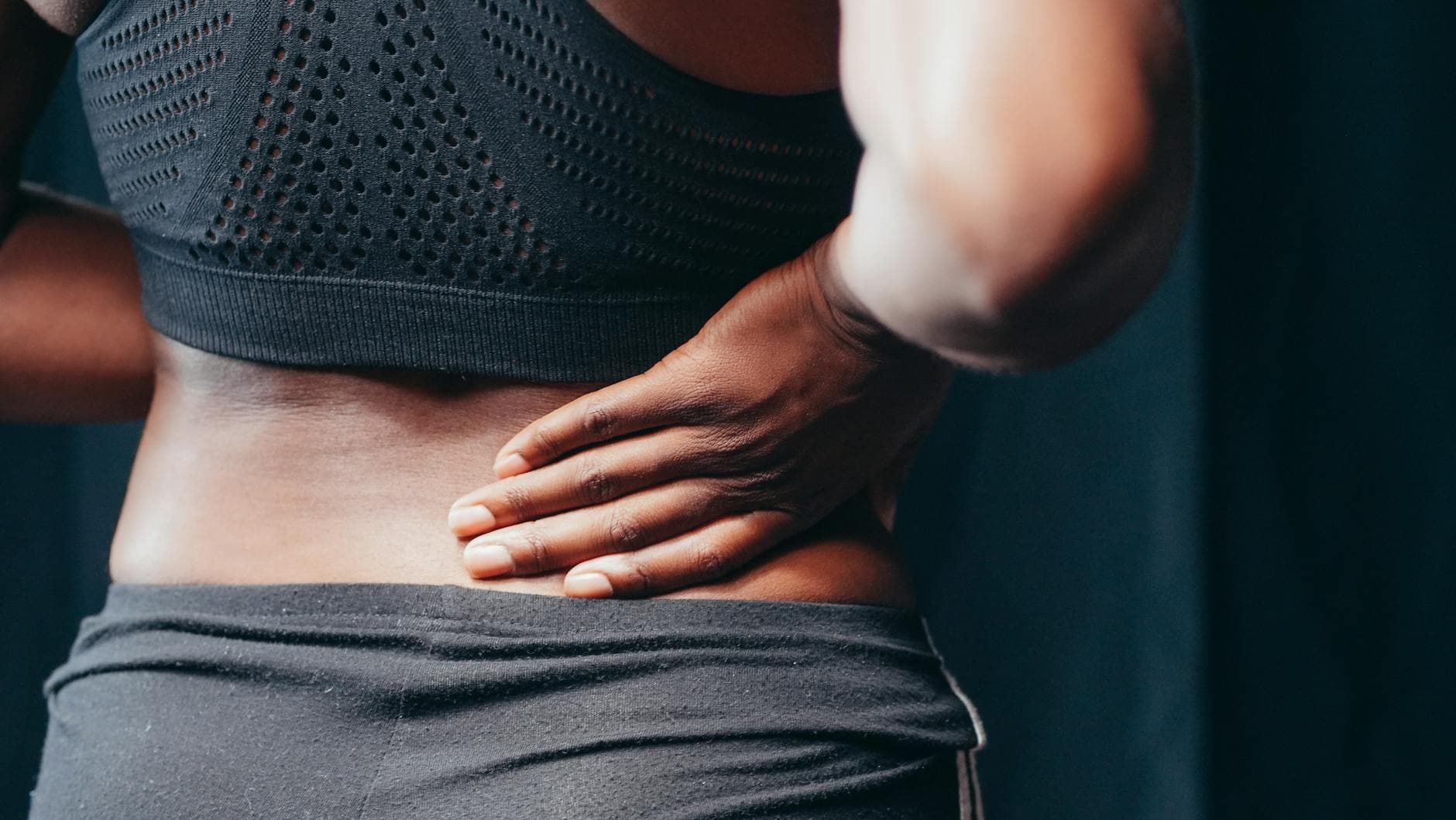
Honestly, for years, I just accepted it. That dull ache in my lower back after a long drive, the stiffness in my shoulders after a day at the desk, the occasional sharp twinge when I tied my shoes. It was just part of getting older, right? A badge of honor for someone who loved lifting weights and pushing their body. I tried everything – stretching, foam rolling, even those fancy ergonomic chairs that cost a fortune. Some things helped a little, for a little while, but the underlying issue always seemed to persist. That's when I stumbled upon something that genuinely surprised me: pilates for back pain. And let me tell you, it wasn't what I expected.
The Relentless Ache: My Battle, Your Struggle
The Silent Epidemic of Back Pain
Back pain isn't just an inconvenience; for millions, it's a daily battle that saps energy, limits movement, and dims the joy of life. Think about it: how many people do you know who don't complain about their back? It feels like an epidemic, doesn't it? From the constant slouching over smartphones to the endless hours spent chained to a desk, our modern lifestyles are practically engineered to wreak havoc on our spines. We're asking our bodies to do things they weren't designed for, day in and day out.
The World Health Organization research on pilates for back pain confirms that back pain is a leading cause of disability globally. It's not just about age; young people are experiencing it too, often due to poor posture, weak core muscles, and repetitive strain. This isn't just about feeling uncomfortable; it's about compromised quality of life.
Why Conventional Wisdom Often Fails Us
When our backs hurt, what's the first thing many of us do? We reach for pain relievers, or maybe we try to stretch the tight spots. We might even avoid movement altogether, thinking rest is the answer. While these approaches have their place, they often miss the fundamental problem. They treat the symptom, not the cause. You can stretch a tight hamstring all day, but if your pelvis is unstable or your core is weak, that tension is likely to return.
I used to think that "core strength" meant endless crunches. Boy, was I wrong! That kind of thinking often leads to more imbalance, not less. We need a more holistic, intelligent approach that addresses the entire kinetic chain, from your feet to your head.
Enter Pilates: A Different Kind of Healing
This is where pilates for back pain truly shines. It's not about brute force; it's about intelligent movement, precision, and control. Joseph Pilates, the founder, believed in strengthening the body from the inside out, focusing on deep core muscles, spinal mobility, and proper alignment. It's a method that encourages awareness of your body in space, helping you identify and correct imbalances that contribute to pain.
Unlike some high-impact exercises that can exacerbate back issues, Pilates offers a controlled, low-impact environment. It teaches you how to move efficiently and effectively, translating into real-world bodyweight muscle building and everyday standing desk exercises without pain. This method is about building resilience, not just temporary relief.
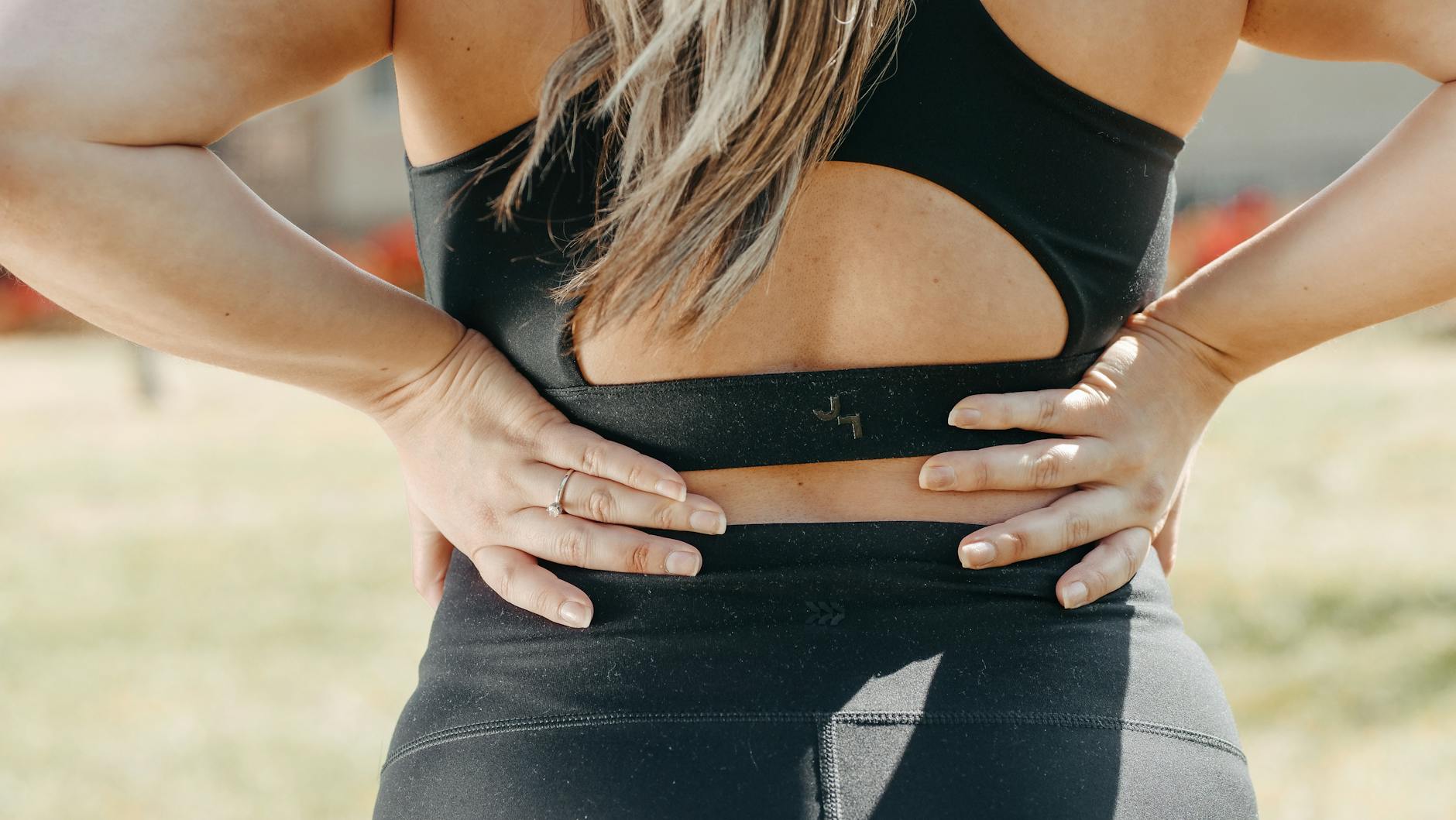
Unpacking the Pilates Philosophy: More Than Just Abs
Building Your Foundation: The True Core Strength
When people talk about core strength, they often picture six-pack abs. But the truth is, your core is a complex cylinder of muscles – including your deep abdominals (transversus abdominis), pelvic floor, diaphragm, and multifidus muscles – that wrap around and support your spine. These are your body's natural corset.
Pilates specifically targets these deep stabilizing muscles, teaching them to engage effectively. This isn't just about looking good; it's about creating a stable base from which all movement originates. A strong, integrated core is your best defense against lower back pain, providing crucial support for your spine.
Reclaiming Your Spine: Mobility and Flexibility
Our spines are designed to move in multiple directions: flexion, extension, lateral flexion, and rotation. Yet, for many of us, daily life reduces our spine's movement to a rigid, often hunched, posture. This lack of movement leads to a stiff back, tight muscles, and decreased spinal mobility.
Pilates actively encourages gentle, controlled spinal articulation. Through movements like the Cat-Cow or Spine Stretch Forward, it helps lubricate the spinal joints, stretch tight muscles, and improve the overall flexibility of your back. This increased range of motion is vital for back pain relief and preventing future issues.
The Posture Puzzle: Pelvic Stability and Alignment
Here's the thing: your back pain might not even originate in your back. Often, it's a symptom of instability elsewhere, particularly in your pelvis. Your pelvis is the foundation of your spine, and if it's out of alignment or lacking stability, your back muscles have to work overtime to compensate.
Pilates places a huge emphasis on pelvic stability and neutral spine alignment. By strengthening the muscles that support your pelvis and teaching you to maintain a neutral position, pilates for back pain helps correct postural imbalances that contribute to discomfort. This focus on alignment creates a cascade of positive effects throughout your entire kinetic chain.
Specific Moves for Specific Pains: Pilates Exercises for Back Pain
You might be wondering, "Okay, James, but what does this actually look like?" The beauty of Pilates is its adaptability. There are specific pilates exercises for back pain that can be incredibly effective, whether you're dealing with acute discomfort or looking for long-term strengthening. Remember, always listen to your body and consult a professional if you have severe pain or a diagnosed condition like a National Institutes of Health research on pilates for back pain herniated disc.
Easing Lower Back Pain and Sciatica
For those suffering from pilates for beginners lower back pain or even sciatica, the goal is often gentle movement to decompress the spine and strengthen supporting muscles without aggravation. These simple moves can make a world of difference.
Pelvic Tilts: Your First Step to Relief
Lie on your back with knees bent, feet flat on the floor, and arms by your sides. Gently flatten your lower back into the mat by tilting your pelvis upwards, as if trying to bring your pubic bone towards your belly button. Then, release back to a neutral spine, creating a small arch. This small, controlled movement helps wake up your deep core muscles and mobilize your lower spine. It's one of the best pilates for lower back pain openers.
Cat-Cow: Gentle Spinal Fluidity
Starting on all fours, hands directly under shoulders, knees under hips. As you inhale, drop your belly towards the floor, lift your chest and tailbone (Cow pose). As you exhale, round your spine towards the ceiling, tucking your chin and tailbone (Cat pose). This fluid movement is excellent for improving spinal mobility and can be incredibly soothing for a stiff back. It's a foundational common pilates exercises that most beginners learn.
Strengthening for a Stiff Back and Upper Back Pain
To build pilates for back strength and address that persistent pilates for stiff back feeling, we need to focus on both strengthening the posterior chain and opening the chest.
Shoulder Bridge: Building Support
Lying on your back with knees bent, feet flat and hip-width apart. As you exhale, peel your spine off the mat one vertebra at a time, lifting your hips towards the ceiling until your body forms a straight line from shoulders to knees. Inhale at the top, then exhale to slowly lower back down. This strengthens your glutes, hamstrings, and deep core, providing crucial support for your lower back.
Swan Dive Prep: Opening the Upper Body
Lie face down, hands under your shoulders, elbows tucked in. Gently press into your hands to lift your head and chest off the mat, keeping your gaze down and lengthening through the crown of your head. Imagine a string pulling your head forward and up. This move, a fantastic pilates for upper back pain solution, strengthens your back extensors and opens your chest, counteracting the effects of prolonged sitting.
A Word on Herniated Discs and Professional Guidance
If you have a herniated disc or severe sciatica, I cannot stress this enough: seek guidance from a qualified Pilates instructor or physical therapist who has experience working with these conditions. While Pilates can be incredibly beneficial for herniated disc relief, certain movements need to be modified or avoided altogether. A good instructor will help you navigate the exercises safely and effectively, ensuring you get the back pain relief you're looking for without causing further harm. Mayo Clinic research on pilates for back pain often emphasizes individualized approaches.
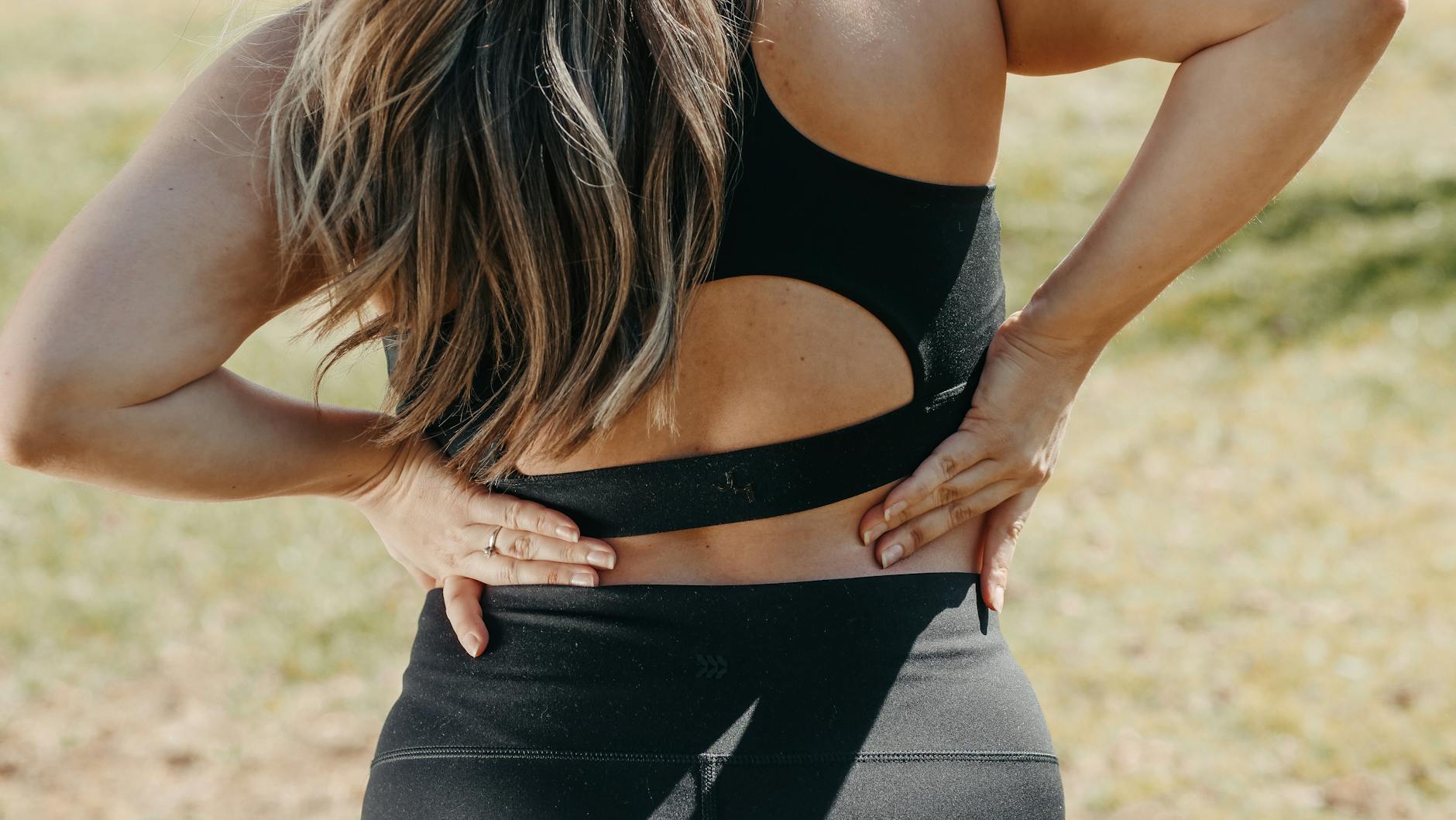
Beyond the Studio: Making Pilates a Lifestyle
Finding Your Tribe: Instructors and Classes
Starting Pilates can feel a bit overwhelming with all the options: mat classes, reformer classes, private sessions. My advice? Start with a beginner mat class or, if your budget allows, a few private sessions. A knowledgeable instructor is worth their weight in gold, especially when you're dealing with back pain. They can provide personalized cues and modifications that make all the difference. Look for someone certified by a reputable organization.
Many studios now offer online classes, including wall pilates exercises, which can be a fantastic way to start from the comfort of your home. The key is finding a format and instructor that resonates with you.
The Power of Persistence: Small Steps, Big Gains
Pilates isn't a quick fix; it's a practice. You won't magically wake up pain-free after one session. It's the consistent, deliberate effort that yields lasting results. Aim for 2-3 sessions a week. Even 15-20 minutes of focused movement a few times a week can start to rewire your body and brain, improving your core strength and overall body awareness. Don't underestimate the cumulative effect of small, consistent actions.
The Non-Negotiable: Listening to Your Body
This is perhaps the most important lesson Pilates taught me, especially regarding back pain. Our bodies are constantly sending us signals. Pain is not just a nuisance; it's a message. In Pilates, you learn to differentiate between effort and pain. Effort is good; pain is a red flag. Never push through sharp or increasing pain. Modify, adjust, or skip the exercise. This mindful approach is critical for healing and preventing re-injury.
My Own Transformation: From Skeptic to Believer
A Desk-Bound Dilemma and a Desperate Search
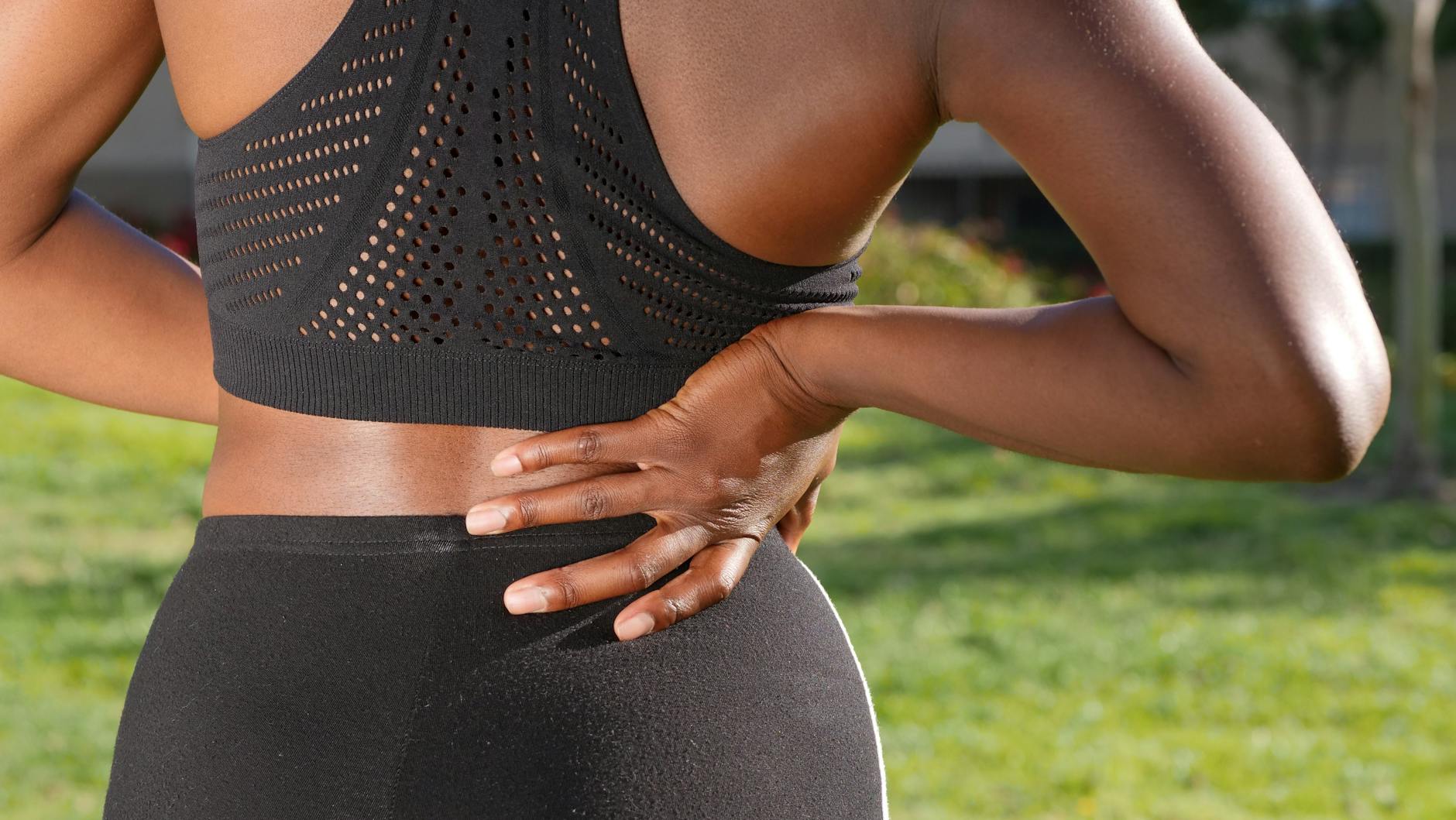
I'll be real with you, I was skeptical. As someone who loved the intensity of traditional strength training, the subtle movements of Pilates felt almost too gentle. But after months of nagging lower back pain that even interfered with my sleep, I was desperate. My doctor suggested it, and a friend swore by it. So, I signed up for a beginner's mat class, figuring I had nothing to lose.
My first few sessions were humbling. I discovered muscles I didn't even know I had, and my coordination wasn't as great as I thought. I realized how much I'd been compensating with larger, more superficial muscles instead of engaging my deep core. This was a completely new way of moving, a true challenge to my body awareness.
The Slow Burn of Progress and Unexpected Freedom
After about six weeks of consistent practice, something shifted. The constant ache in my lower back started to subside. I noticed I was sitting taller at my desk without even thinking about it. Getting up from a chair no longer involved that slight wince. My overall pilates for back strength improved dramatically, but in a functional, supportive way. I felt more balanced, more grounded, and genuinely stronger from the inside out.
This one surprised me: my running improved! With a more stable core and mobile spine, my stride became more efficient, and I felt less fatigued. It wasn't just about back pain relief; it was about unlocking a new level of physical freedom. It's a testament to how profoundly pilates for back pain can transform your entire physical experience.
Avoiding the Pitfalls: Maximizing Your Pilates Journey
Don't Push Through Pain
I mentioned this before, but it bears repeating. Pilates is about control and precision, not forcing your body into positions it's not ready for. If something hurts, stop. Modify. Ask your instructor. There's no ego in Pilates; only progress through mindful movement.
Quality Over Quantity
It's far better to do five repetitions of an exercise with perfect form and deep engagement than twenty sloppy ones. The brain-body connection is paramount in Pilates. Focus on how you're moving, where you're feeling the work, and maintaining your breath. This intentionality is what makes Pilates so powerful for healing and strengthening your back.
If you're living with back pain, I urge you to give Pilates a real, honest try. It’s not just another exercise fad; it’s a time-tested method that can fundamentally change your relationship with your body. It changed mine. It taught me that strength isn't just about lifting heavy, but about moving well, moving mindfully, and building a resilient body from the inside out. Your back deserves that kind of care.