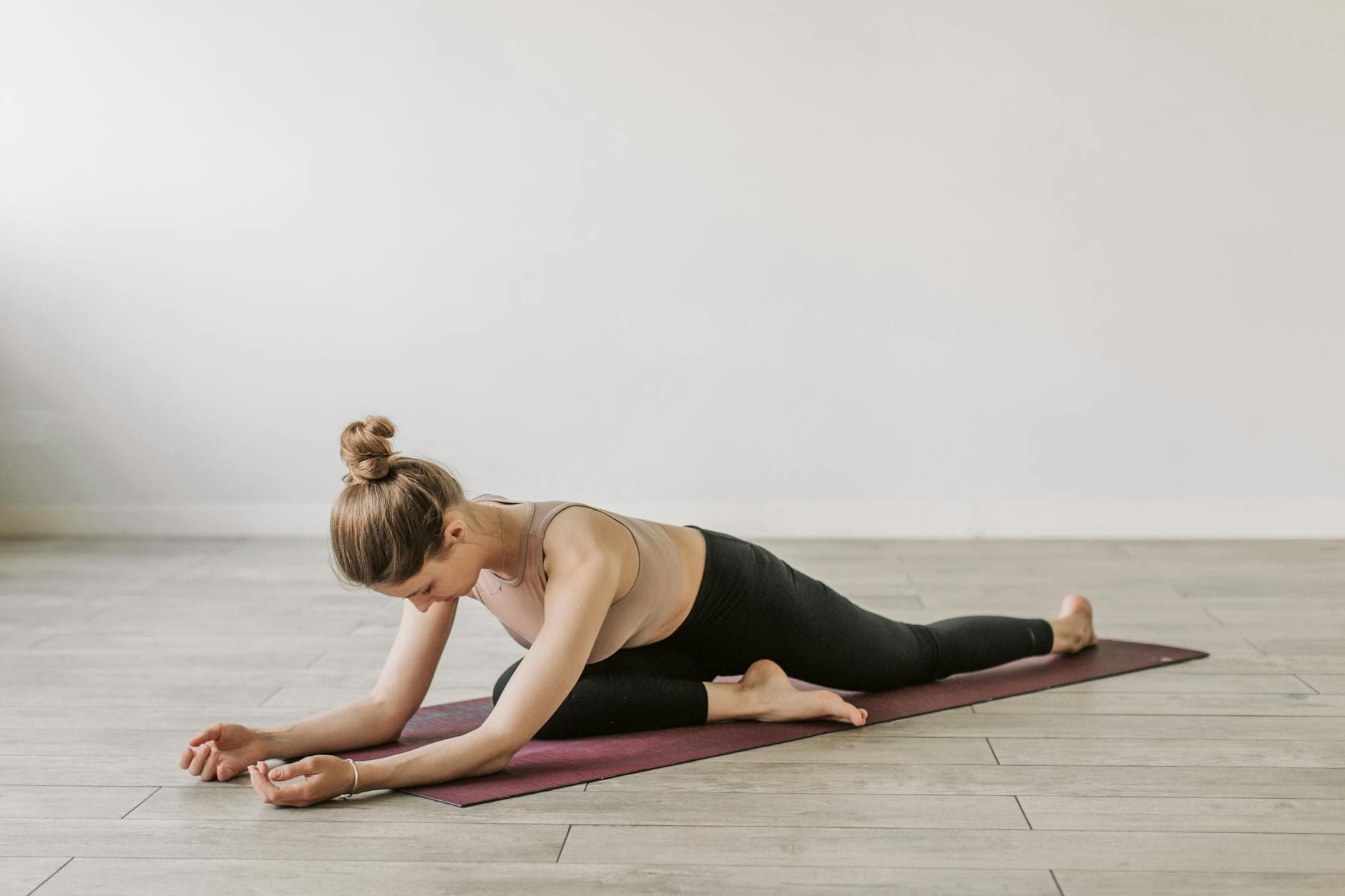
The Underrated Power of Pilates Mat Exercises
A lot of people think you need fancy equipment or a super-expensive studio to get the incredible benefits of Pilates. Honestly, that’s just not true. You can achieve a powerful, transformative workout with just a mat and your own body. The real magic of Pilates mat exercises lies in their ability to connect your mind and body, building strength from the inside out. I used to think I needed to be in a gym to really challenge myself, but discovering the versatility of a simple mat session changed everything for me. It's accessible, adaptable, and incredibly effective.
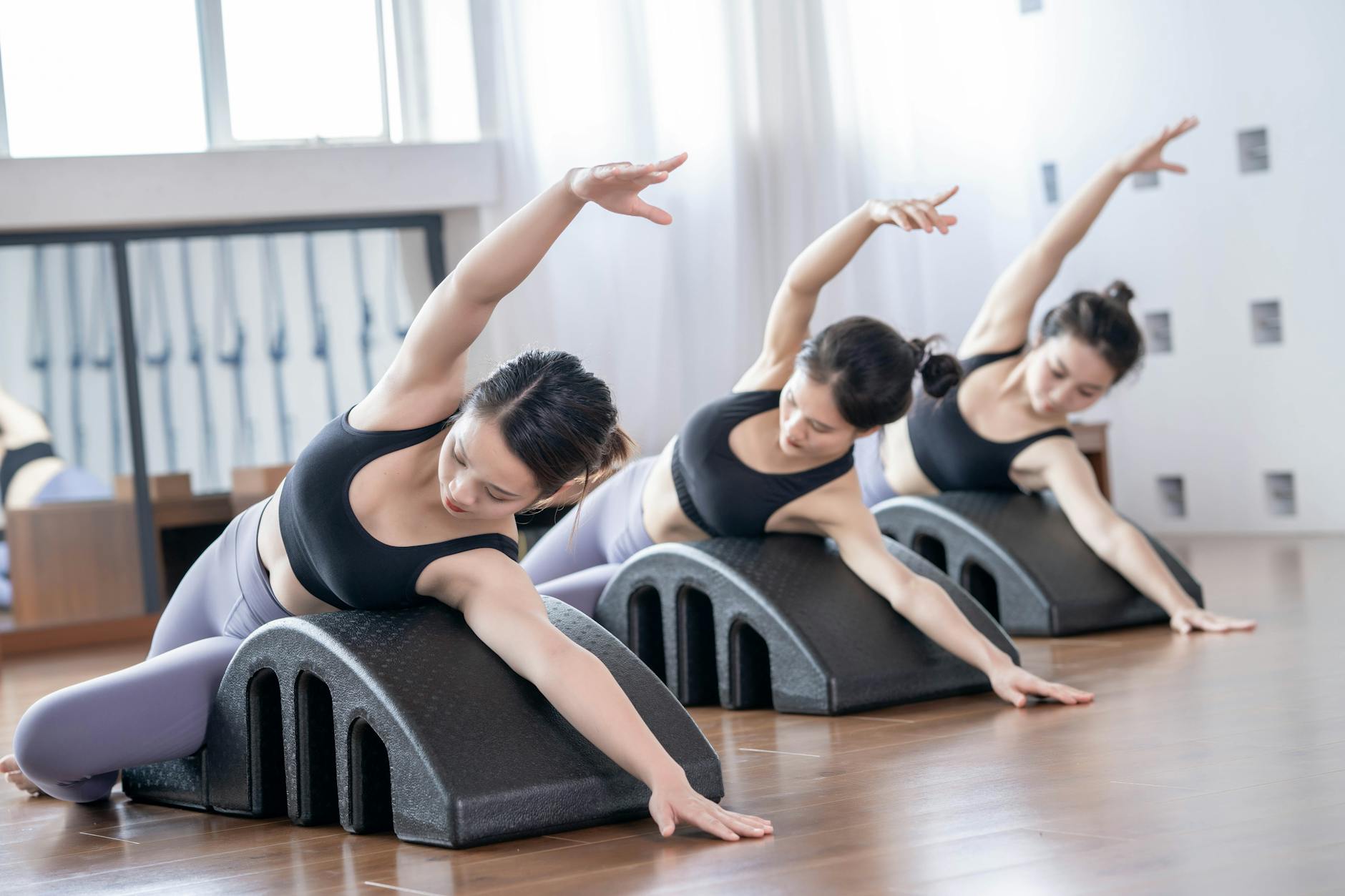
Why Mat Pilates is More Than Just Stretching
Forget the idea that Pilates is just gentle stretching. While flexibility is a great byproduct, the core of mat Pilates is about building deep, functional strength. It focuses on controlled movements, precise form, and engaging those often-forgotten deep core muscles. This isn't about brute force; it's about intelligent movement.
The Core Connection
Building Stability from Within
Beyond the Abs
Getting Started: Your First Pilates Mat Workout
If you're new to this, the thought of a full pilates mat routine might feel a little daunting. Don't sweat it. The beauty is you can start with the basics and build from there. Think of your first few sessions as learning the language of your body.
Essential Foundations for Beginners
When you're starting out with pilates mat exercises, the most crucial thing is to focus on your breath and your form. It's easy to rush through movements, trying to get them "done," but that defeats the purpose. The breath is your anchor in Pilates. It helps you engage the right muscles and keeps your mind focused.
For example, in the Hundred exercise, a foundational move, the goal isn't to do 100 breaths as fast as possible. It's about maintaining a steady, controlled inhale and exhale while keeping your core deeply engaged and your arms pumping rhythmically. You might only manage 20-30 breaths with good form when you first start, and that's perfectly okay. I remember my first attempt; I was gasping for air after about 40. It took weeks of consistent practice to build up to the full 100 with control.
Your First Few Moves
Start with exercises like the Pelvic Curl, the Leg Circles, and the Spine Stretch Forward. These are fundamental for understanding core engagement and spinal articulation. They’re not flashy, but they lay the groundwork for everything else.
What to Expect in a Beginner Session
A good beginner pilates mat workout will introduce you to the core principles: centering, control, concentration, precision, breath, and flow. You'll feel challenged, but not overwhelmed. The focus is on quality over quantity. You might be surprised at how much your body can do and how much you can learn about it in just 30 minutes. If you're looking for a gentle way to ease into a fitness routine, these pilates mat exercises for beginners are a fantastic starting point.
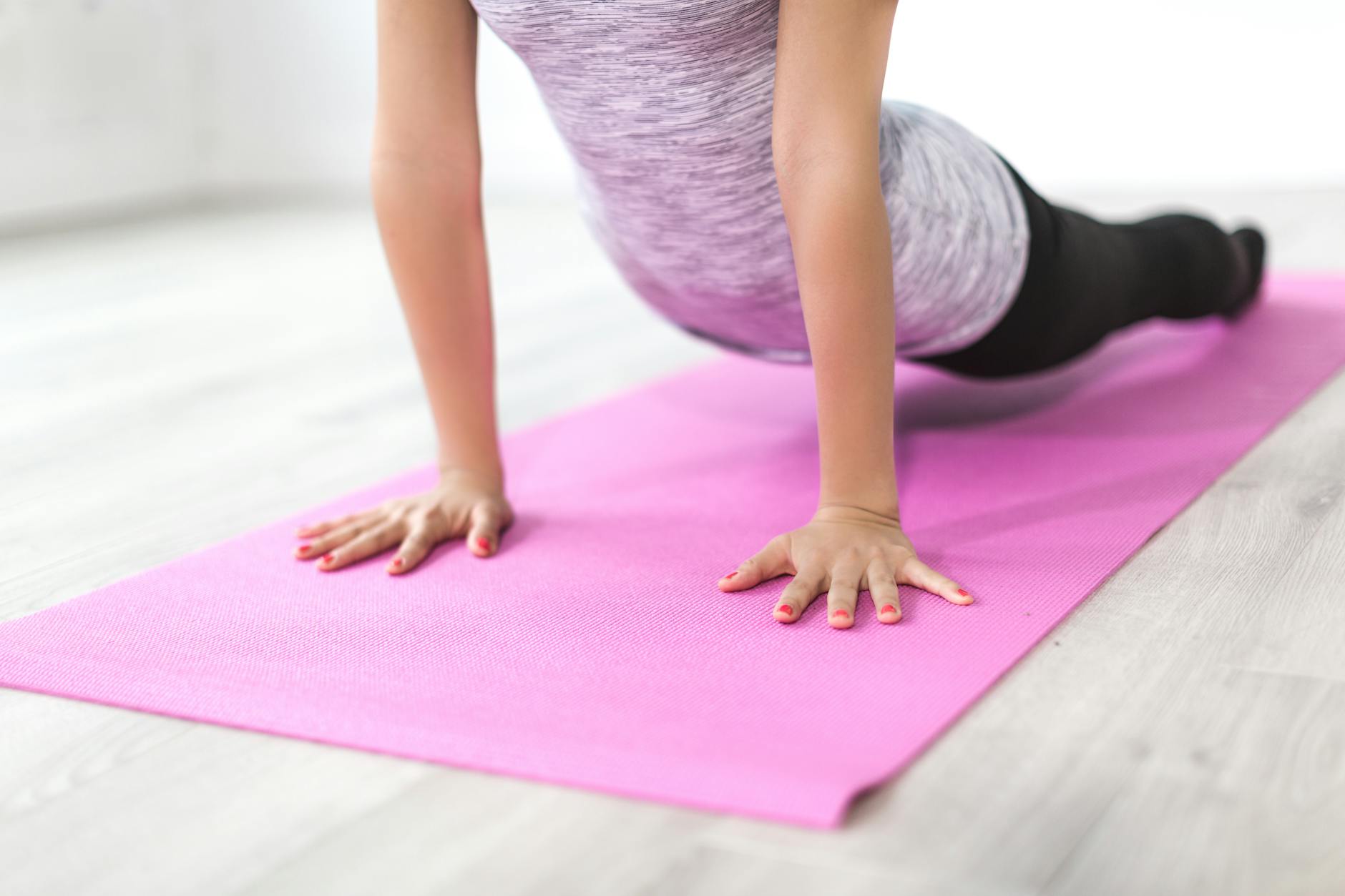
Key Pilates Mat Exercises and Their Magic
There are a handful of pilates mat exercises that form the backbone of almost any routine. Mastering these will give you a solid understanding of the practice and unlock significant benefits.
The Hundred: Your Core Awakening
This is often the first exercise people learn, and for good reason. It’s a powerful warm-up that gets your blood flowing and fires up your deep abdominal muscles. It requires you to coordinate your breath with your arm movements while keeping your head and shoulders lifted, your legs at a specific angle, and your core completely stable. It’s deceptively simple but incredibly effective for building endurance in your core muscles.
Roll Up: Spinal Articulation and Strength
The Roll Up is a classic that challenges your abdominal strength and your ability to articulate your spine segment by segment. It’s about controlling the movement both on the way up and on the way down. If you can't quite roll all the way up initially, it’s common! Many people modify this by bending their knees or using their hands to assist slightly. The goal is to build towards that smooth, controlled roll.
Single Leg Stretch and Double Leg Stretch: Flowing Power
These exercises are fantastic for building coordination and strength in your entire core, including your obliques. The single leg stretch involves bringing one knee towards your chest while extending the other leg, alternating sides. The double leg stretch takes it up a notch, requiring you to extend both legs and arms away from your center before sweeping them back in. Precision here is key; you don't want your lower back arching.
The Swan Dive: Back Extension and Openness
While many think of Pilates as all about the front of the body, exercises like the Swan Dive are crucial for building strength and mobility in the back. It involves lying on your stomach and lifting your chest and head off the mat using your back muscles, keeping your hips grounded. This movement is excellent for counteracting the effects of prolonged sitting and improving posture. It’s also a great example of how mat pilates benefits include improved spinal health.
The Transformative Benefits of a Consistent Pilates Mat Routine
You might be wondering if a simple pilates mat workout can really make a difference. Let me tell you, the consistency is where the magic happens. It’s not about doing one killer session; it’s about showing up regularly.
Core Strength and Stability
This is the big one, right? Pilates mat exercises are unparalleled for developing a strong, stable core. We're talking about the deep muscles that support your spine and pelvis. A strong core isn't just for looking good; it translates to better posture, reduced back pain, and improved performance in everyday activities and other sports. Think about the last time you had to lift something heavy or twist quickly; a solid core makes all the difference.
The Mayo Clinic research on pilates mat exercises often highlights the significant improvements in core strength and functional movement patterns. It's not just about aesthetics; it's about building a resilient body.
Improved Posture and Alignment
If you spend a lot of time hunched over a computer or phone, you've probably noticed your posture taking a hit. Pilates mat exercises systematically work to realign your body, lengthening your spine and strengthening the muscles that hold you upright. This can alleviate aches and pains associated with poor posture and give you a more confident stance.
Enhanced Flexibility and Mobility
While not a stretching class, Pilates inherently improves your range of motion. The controlled movements, particularly the spinal articulation exercises, help to release tension and increase flexibility throughout your body. This can make everyday movements feel easier and reduce your risk of injury. It’s a gentle yet profound way to gain mobility, which is why it’s often recommended for those dealing with breaststroke swimming benefits or recovering from certain types of strain.
Mind-Body Connection
This is something that surprised me when I first started. Pilates demands your full attention. You have to concentrate on each movement, each breath, and how your body feels. This heightened awareness spills over into other areas of your life, helping you become more present and less reactive. It’s a moving meditation that leaves you feeling both energized and calm. This focus is also a key element in practices like Morning Yoga YouTube: Energize Your Day Fast!
Making Pilates Mat Exercises Work for You at Home
The convenience of a home pilates mat routine is undeniable. You can fit it in whenever you have a spare 20-30 minutes, no travel time required.
Setting Up Your Space
You don't need a lot of space. A yoga mat is really all you need for most pilates mat exercises. Find a quiet spot where you won't be interrupted. A comfortable, non-slip mat is your best friend here; it provides cushioning and prevents you from sliding around during those more dynamic moves. Honestly, the best pilates mat is subjective, but finding one with good grip and adequate thickness for comfort is key.
Structuring Your Pilates Mat Routine
Whether you're aiming for a full-body workout or focusing on specific areas, a structured routine is helpful. You might start with a warm-up of breathwork and gentle stretches, move into core-focused exercises, then work on leg and arm strength, and finish with some spinal mobility work. A good weekly workout plan can incorporate Pilates a few times a week, complementing other activities like a Spring Bodyweight Workout: 5 Moves to Re-Energize.
Listening to Your Body
This is paramount. If something hurts, stop. Pilates is about precision, not pushing through pain. Modify exercises as needed. There's no shame in using props or taking breaks. The goal is sustainable progress. Remember that Harvard Health research on pilates mat exercises consistently points to the importance of proper form and listening to your body's signals for injury prevention.
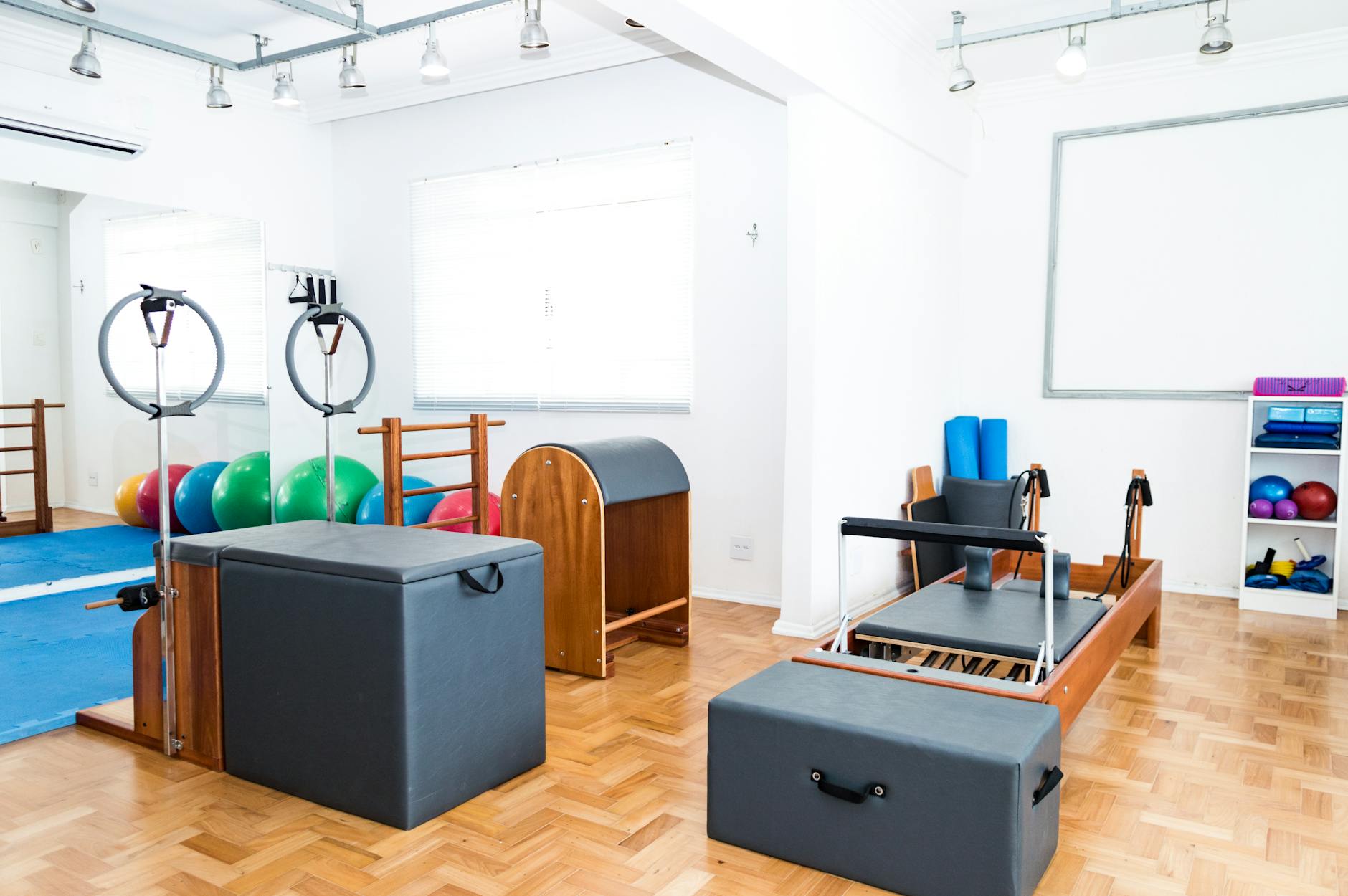
Pilates Mat vs. Reformer: What's the Difference?
You've probably seen those fancy Pilates machines, the reformers. They look intimidating, but they serve a different purpose than mat work.
The Role of Springs
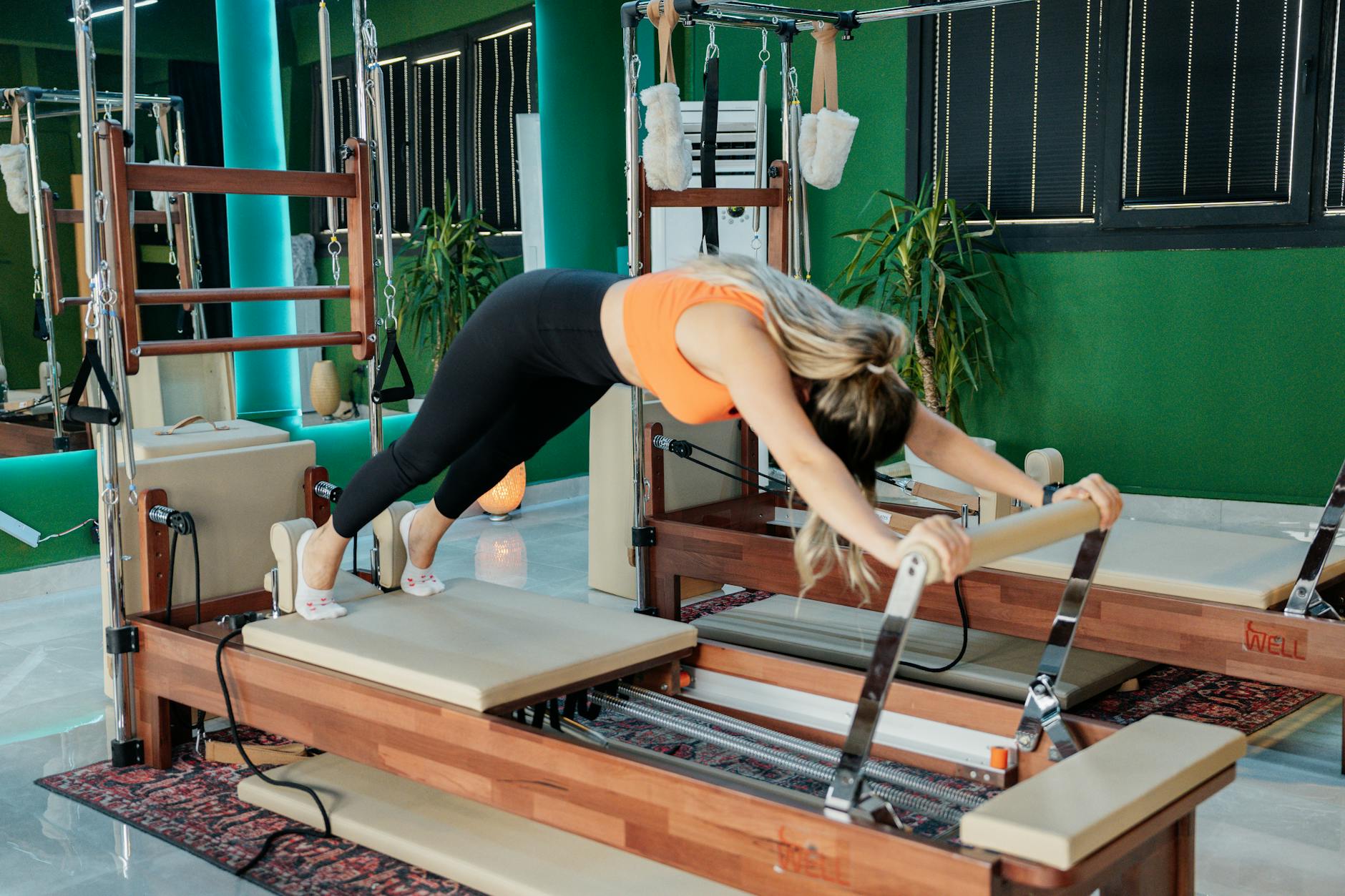
Reformer Pilates uses spring-loaded resistance to either assist or challenge your movements. This can be fantastic for rehabilitation, building specific types of strength, or for those who need more support. The springs offer variable resistance that you can't replicate on the mat.
The Mat Advantage
Home pilates mat sessions, on the other hand, rely entirely on your body weight and gravity for resistance. This forces your core muscles to work harder to stabilize you, leading to a different, often more profound, type of strength development. It’s also incredibly portable and budget-friendly. While both are beneficial, for building foundational strength and body awareness at home, the pilates mat exercises are hard to beat.
Accessibility and Versatility
For most people, starting with mat exercises is more accessible. You don't need a huge investment, and you can do it anywhere. A Spring Workout Plan: Transition & Thrive! can easily include mat Pilates sessions. While reformer training is wonderful, it often requires studio access and can be more costly. The beauty of the mat is its simplicity and its effectiveness in teaching you to control your own body.
The Long-Term Impact of Pilates Mat Exercises
What nobody tells you is how deeply Pilates can impact your overall well-being. It’s not just about the physical changes, though those are significant. It's about the mental clarity, the improved self-awareness, and the sense of empowerment that comes from mastering your own body. Consistent practice can lead to a significant reduction in chronic pain, particularly World Health Organization research on pilates mat exercises often cites its effectiveness in managing musculoskeletal conditions. You'll find yourself moving with more grace and ease in everything you do. It's a journey of continuous discovery, and the humble mat is your perfect starting point.