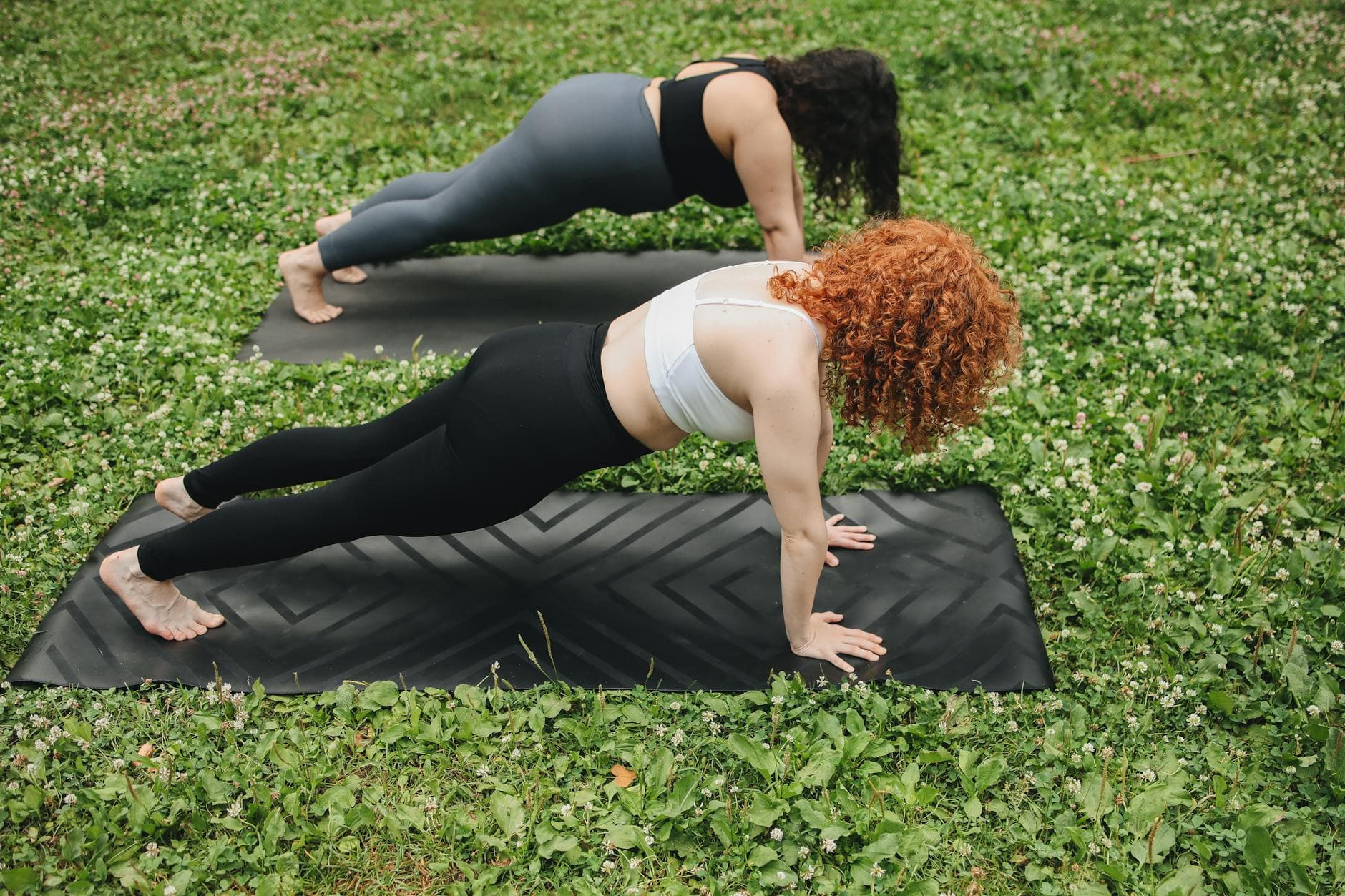
Remember that feeling when the first truly warm day of spring hits? The one where you shed that heavy winter coat and feel a lightness you forgot you had? If you're anything like me, that feeling usually sparks a thought: "Okay, time to get outside and move." If you're looking to embrace the season with some fantastic spring outdoor workouts, you've come to the right place. I've spent years figuring out what works, what doesn't, and how to actually enjoy getting fit when the weather finally cooperates.
Embracing the Great Outdoors: Your Spring Fitness Awakening
The thaw has arrived, and with it, a renewed sense of possibility. Winter can be a time of hibernation for our fitness routines, and that's okay. But spring? Spring is the season for reawakening. It’s about shaking off the cobwebs and rediscovering the joy of movement in the open air. These spring outdoor workouts aren't just about burning calories; they're about reconnecting with nature and yourself.
The Allure of Al Fresco Fitness
There's a certain magic to exercising outside. The fresh air, the natural light, the sounds of birds – it’s a sensory experience that indoor gyms just can't replicate. You've probably noticed how a brisk walk in a park can lift your mood more than a treadmill session. This isn't just in your head; there's real science behind the benefits of outdoor exercise.
Why Your Body Craves Spring
Our bodies are tuned to natural rhythms. After months of being cooped up, the increased sunlight and warmer temperatures signal a time for activity. Vitamin D production kicks into high gear, which is crucial for everything from bone health to mood regulation. Plus, the varied terrain you encounter outdoors naturally engages more muscles than a flat, predictable gym floor. Think about the last time you navigated a slightly uneven trail – your stabilizing muscles were working overtime!
Setting Realistic Spring Fitness Goals
Here's the thing: transitioning from indoor workouts to outdoor fitness in spring requires a gentle approach. Don't try to replicate your peak summer performance on day one. Start with what feels comfortable and gradually increase intensity and duration. It’s about building momentum, not burning out. I used to think I could just pick up where I left off last fall, and that usually ended with me feeling sore and demotivated. Patience is key.
Designing Your Spring Workout Routine
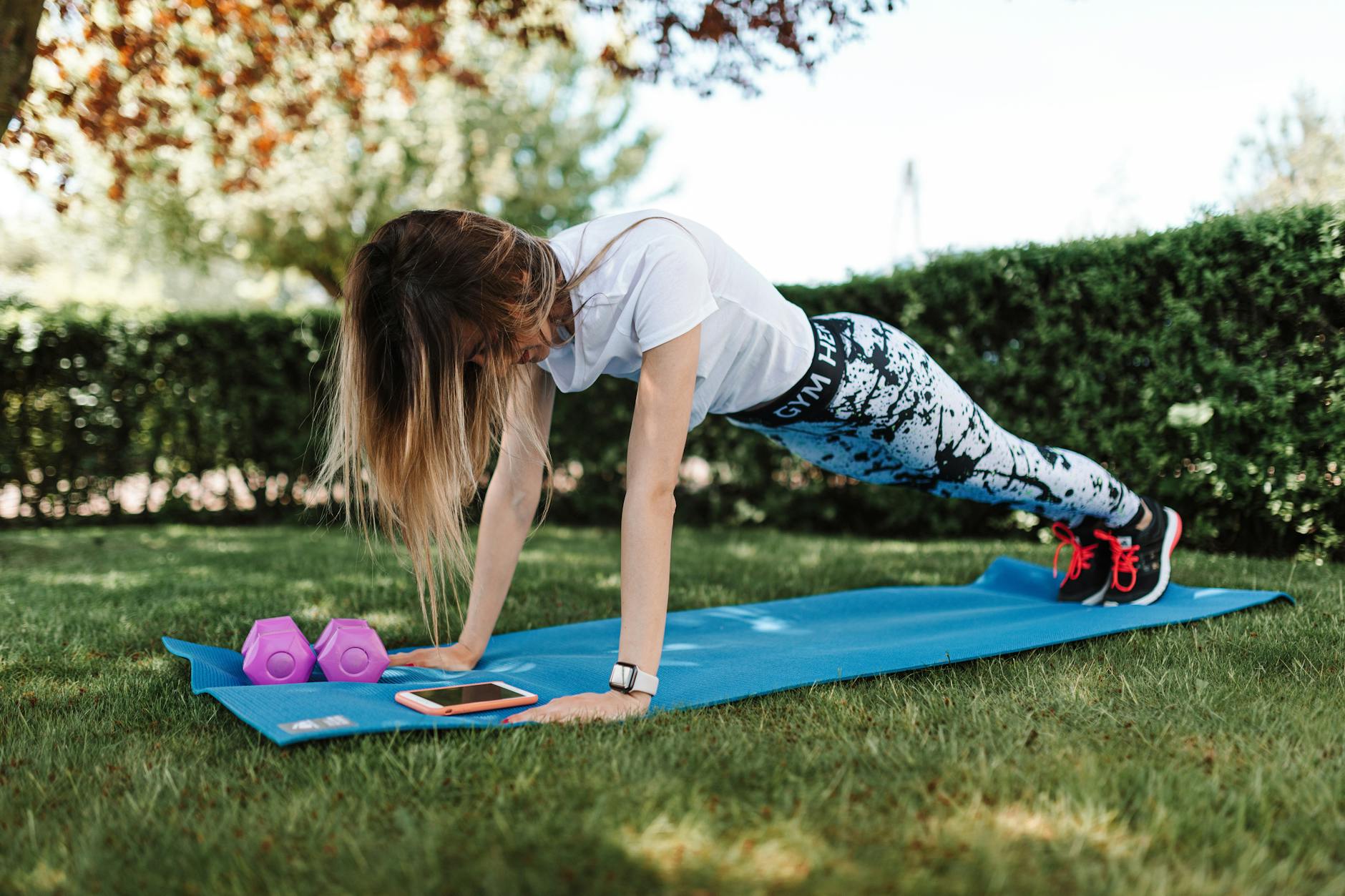
The beauty of spring outdoor workouts is their versatility. You don't need fancy equipment to get a fantastic workout. The world is your gym, and the possibilities are endless. The goal here is to create a sustainable spring workout routine that you'll actually look forward to.
Cardio That Captures the Season
When you think of outdoor cardio in spring, running or jogging often comes to mind, and for good reason. It's accessible, effective, and lets you cover a lot of ground. But don't limit yourself. Cycling is another fantastic option, allowing you to explore further afield. Consider brisk walking, especially if you're new to fitness or coming back after a break; it's a great way to ease into things and still reap significant cardiovascular benefits. Look into Hiking for Weight Loss: Beginner's Spring Guide too; it’s a fantastic way to get your heart rate up while enjoying scenic routes.
Trail Running vs. Road Running
Trail running offers a more challenging and engaging experience. The uneven surfaces improve balance and proprioception, and the natural environment can be incredibly refreshing. Road running provides a more consistent pace and is often more accessible. For your first few outdoor cardio sessions, I’d recommend sticking to familiar, well-lit paths, especially if you're exercising early in the morning or late in the evening. Safety first, always.
Strength Training Outdoors: The Unconventional Approach
Who says you need a fully equipped gym for strength training? Spring outdoor workouts can incorporate bodyweight exercises that are incredibly effective. Think push-ups against a park bench, lunges on the grass, or pull-ups on a sturdy playground bar. You can also use natural elements: a fallen log can become a weight for presses or carries, and hills provide resistance for step-ups and squats. This type of training is often referred to as al fresco fitness, and it's incredibly empowering.
Bodyweight Powerhouses
Squats, lunges, push-ups, planks, burpees – these are staples of any good strength routine, and they require zero equipment. Find a nice patch of grass or a flat park surface and get to work. A simple circuit of these exercises can give you a full-body workout that rivals many gym sessions. Remember to focus on proper form; it's more important than how many reps you do. If you're unsure about form, look up instructional videos or even consider a session with a trainer who can guide you through foundational movements.
Leveraging Your Environment
Parks often have benches, stairs, and even low walls that can be used for a variety of exercises. Step-ups onto a bench, incline push-ups, or even calf raises using a curb can add variety and challenge to your routine. Don't underestimate the power of these simple, readily available resources. I once did an entire leg workout just using a park bench and some stairs!
Flexibility and Balance: The Often-Overlooked Components
While cardio and strength training get a lot of attention, don't forget about flexibility and balance. Spring is a perfect time to incorporate more mindful movement. Yoga outdoors, whether on a mat in your backyard or in a park, can be incredibly restorative. You can also dedicate a few minutes after your main workout to static stretching, which has proven static stretching benefits like improved range of motion and reduced muscle soreness.
Outdoor Yoga and Pilates
Imagine flowing through poses with the gentle breeze on your skin. Outdoor yoga and Pilates sessions can be incredibly grounding. Many studios offer outdoor classes in spring, or you can simply follow along with an online routine in your favorite outdoor spot. This is a wonderful way to improve core strength and flexibility simultaneously. For beginners, a Beginner Yoga Routine: Easy Poses for Your First Workout is a great starting point.
Incorporating Balance Drills
Simple balance exercises, like standing on one leg for a set period or performing tandem stance drills, can be done anywhere. These are crucial for preventing falls and improving overall athletic performance. They also engage your core, so it's a win-win. A strong core is the foundation for everything, and a dedicated core workout day can significantly boost your overall fitness.
Navigating Spring Weather for Safe Outdoor Workouts
The biggest hurdle for many when it comes to spring outdoor workouts isn't motivation, it's the weather. Spring can be notoriously unpredictable, with sunshine one minute and a chilly downpour the next. Learning to dress appropriately and being aware of your surroundings is crucial for safe and enjoyable outdoor exercise.
Layering is Your Best Friend
This is non-negotiable for spring weather. You'll want to wear layers that you can easily add or remove as your body temperature changes or the weather shifts. Start with a moisture-wicking base layer, add an insulating middle layer (like fleece), and top it off with a windproof and water-resistant outer shell. This allows you to adapt to fluctuating temperatures without overheating or getting chilled.
The "Too Cold" Dilemma
If it's genuinely cold (below 40°F or 4°C), you need to be extra cautious. Your extremities – hands, feet, and head – lose heat the fastest. Invest in good quality gloves, warm socks, and a hat that covers your ears. Also, consider shorter, more intense workouts to minimize exposure time. And remember, if you have any pre-existing conditions, consult with your doctor before exercising in cold weather. The Mayo Clinic research on spring outdoor workouts often highlights the importance of weather preparedness.
When the Rain Comes Down
A little rain doesn't have to stop your workout. If it's a light drizzle, a good waterproof jacket and pants can make it manageable. However, if there's lightning, heavy rain, or strong winds, it's time to head indoors or opt for a different activity. Slippery surfaces can increase the risk of falls and injuries. Always prioritize your safety. Sometimes, a quick Beginner Workouts: Top Exercises for Easy Fitness Success session at home is the wisest choice.
Sun Protection: Don't Forget It!
Even on cloudy spring days, UV rays can be strong. Apply sunscreen with an SPF of 30 or higher to all exposed skin at least 15-20 minutes before heading out. Don't forget your ears, neck, and the tops of your feet. Wearing a hat and sunglasses provides additional protection and can make your workout much more comfortable.
Hydration: It Still Matters
You might not feel as thirsty in cooler spring weather as you do in summer, but staying hydrated is still critical. Carry water with you, especially for longer workouts, and sip it regularly. Dehydration can sneak up on you, leading to fatigue, headaches, and reduced performance. Aim to drink water before, during, and after your exercise session.
The Undeniable Benefits of Spring Outdoor Workouts
Moving your fitness routine outdoors in spring offers a wealth of advantages that go far beyond just physical fitness. It’s a holistic approach to well-being that impacts your mind, body, and spirit.
Mental Health Boost
Spending time in nature has been scientifically proven to reduce stress, anxiety, and symptoms of depression. The combination of physical activity and the natural environment can significantly improve mood and boost mental clarity. Studies by the National Institutes of Health research on spring outdoor workouts consistently show positive correlations between outdoor exercise and improved mental well-being.
Cortisol Levels and Green Spaces
Research indicates that spending time in green spaces can lower cortisol levels, the body's primary stress hormone. This reduction in stress can have cascading positive effects on your overall health, from better sleep to a stronger immune system. The simple act of being surrounded by trees and open sky can be incredibly therapeutic.
Improved Focus and Creativity
Many people report feeling more focused and creative after spending time exercising outdoors. The change of scenery and the break from screens can help clear your mind and allow for new ideas to emerge. It's like hitting a mental reset button.
Physical Health Enhancements
Beyond the obvious cardiovascular and strength benefits, outdoor exercise can improve your immune system, boost energy levels, and even enhance sleep quality. The varied terrain also challenges your body in new ways, leading to better coordination and balance.
Vitamin D Power-Up
As mentioned earlier, sunlight exposure is crucial for Vitamin D synthesis. This essential nutrient plays a vital role in bone health, immune function, and mood. Getting regular, safe sun exposure during your outdoor workouts is a fantastic way to ensure you're getting enough. Just remember that sunscreen is your friend, even on a cloudy day.
Natural Resistance Training
The unpredictable nature of outdoor environments provides a form of natural resistance training. Uneven surfaces, wind resistance, and inclines all force your body to work harder and engage stabilizer muscles that might be neglected in a controlled gym setting. This leads to more functional strength.
The Joy Factor
Honestly, exercising outdoors in spring is just plain more enjoyable for most people. The fresh air, the sunshine, the natural beauty – it all adds up to a more motivating and pleasant experience. When you look forward to your workouts, you're much more likely to stick with them long-term. It’s about finding joy in movement again.

Transitioning to Outdoor Fitness: Practical Tips
Making the switch from indoor to outdoor workouts doesn't have to be complicated. Here are some practical tips to help you ease into your spring outdoor workouts and make them a consistent part of your life.
Start Small and Be Consistent
Don't try to do too much too soon. If you're used to indoor workouts, start with shorter outdoor sessions and gradually increase the duration and intensity. Consistency is more important than intensity when you're first transitioning. Even 20-30 minutes a few times a week can make a significant difference. Think about building a habit, not just completing a single workout.
Gradual Progression
If you're a runner, start with run-walk intervals. If you're walking, focus on increasing your pace or distance over time. For strength training, begin with fewer reps or sets and focus on mastering the form before adding more challenge. The key is to listen to your body and avoid overexertion, which can lead to injury and burnout.
Schedule Your Workouts
Treat your outdoor workouts like any other important appointment. Block out time in your calendar and stick to it. This helps create accountability and ensures that your outdoor fitness sessions don't get pushed aside by other demands.
Listen to Your Body
This one is crucial. Your body is adapting to new stimuli. Pay attention to any aches or pains, and don't push through sharp or persistent discomfort. Rest and recovery are just as important as the workouts themselves. If you feel unusually fatigued or sore, it's okay to take an extra rest day or opt for a lighter activity.
Recognizing Overtraining Signs
Signs of overtraining can include persistent fatigue, decreased performance, irritability, and sleep disturbances. If you notice these, it's a sign you need to dial back your intensity or take a break. Proper recovery allows your muscles to repair and rebuild, making you stronger in the long run.
Find a Workout Buddy or Group
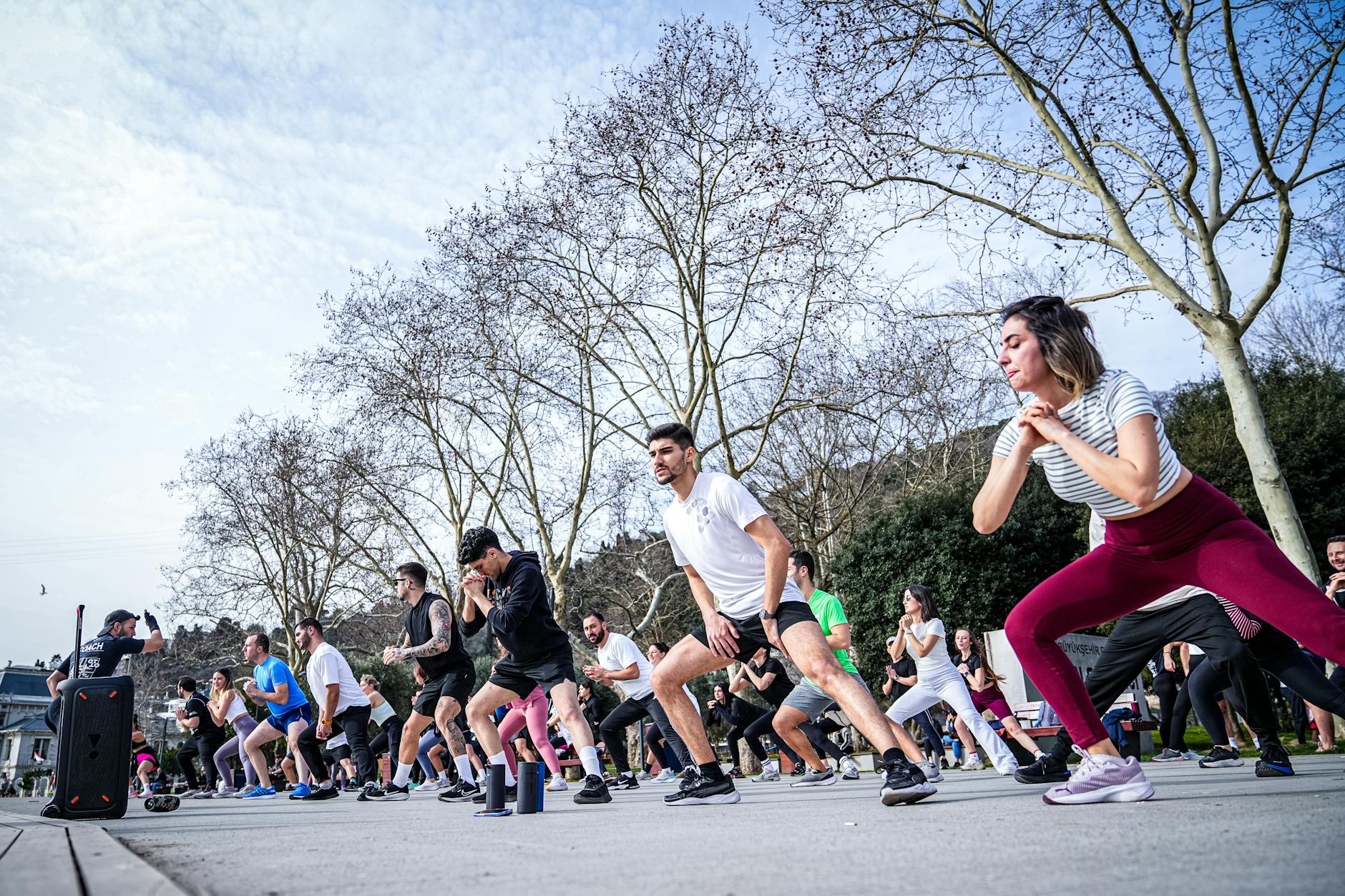
Exercising with a friend or joining a local fitness group can significantly boost motivation and accountability. It makes the experience more social and can push you to try new activities. Plus, having someone to share the experience with makes those early morning outdoor sessions much more appealing.
The Power of Social Support
Knowing someone is waiting for you at the park or looking forward to your joint run can be a powerful motivator. It also provides an opportunity to connect with others who share similar fitness goals. Many communities have informal running clubs or walking groups that are very welcoming to newcomers.
Explore and Enjoy!
The most important tip is to have fun! Spring outdoor workouts should be an enjoyable experience. Explore new parks, trails, or routes. Try different activities. The novelty and enjoyment will keep you motivated and coming back for more. Embrace the season and the incredible opportunities it presents for your health and well-being. It’s a time to truly thrive.