
Most people think that once winter coats are shed and the sun starts peeking out, all their hydration worries disappear. Honestly, that’s a dangerous assumption. Spring is a sneaky season when it comes to fluid balance, and a solid spring hydration plan is more crucial than you might realize.
The Deceptive Nature of Spring Hydration
Why Warmer Weather Isn't Always Your Friend
You'd think that as temperatures rise, staying hydrated would be easier. The truth is, spring often brings increased activity levels. You're eager to get back outdoors after being cooped up all winter. Whether it's dusting off the bike for Spring Cycling Routes: Discover Top Scenic Trails, lacing up for that Couch to 5K Spring: Your Beginner's Outdoor Running Plan, or just enjoying longer walks, your body is working harder. This increased exertion means more fluid loss through sweat, even if you don't feel drenched.
The Subtle Signs of Dehydration
Here's the thing: dehydration doesn't always hit you like a ton of bricks. In spring, you might experience subtle shifts. Headaches that weren't there before, a general feeling of fatigue that you chalk up to "spring fever," or even a dip in your usual workout performance. These are often your body's quiet signals that it needs more water. I used to think I was just "tired" in the spring, only to realize later that my water intake had plummeted because I wasn't feeling the intense heat of summer.
Seasonal Hydration Needs: Beyond Just Thirst
Your body's needs change. Spring often involves a transition. You might be eating more fresh fruits and vegetables, which have higher water content, but that doesn't negate the need for plain old water. Furthermore, allergies can kick in during spring. Antihistamines can sometimes have a dehydrating effect, adding another layer to your seasonal hydration needs. It’s a complex interplay, and a proactive spring hydration plan accounts for all of it.

Building Your Personalized Spring Hydration Plan
Assessing Your Individual Needs
The first step to any effective plan is understanding yourself. How much water to drink isn't a one-size-fits-all answer. Consider your activity level, your body weight, the climate you live in (even spring can be dry!), and any underlying health conditions. A good starting point for many is the general recommendation of around eight 8-ounce glasses per day, but for active individuals, this needs significant adjustment. Think about the last time you felt truly sluggish after a workout; was your water bottle full before you started?
The Role of Hydration for Athletes
For anyone serious about fitness, hydration for athletes is non-negotiable. Optimal performance hinges on proper fluid balance. Dehydration symptoms in athletes can include muscle cramps, reduced endurance, impaired cognitive function (which can affect decision-making during sports), and increased perceived exertion. For instance, a 2% drop in body weight due to fluid loss can significantly impact your performance. This is where a detailed spring hydration plan becomes your secret weapon.
Performance Hydration: Fueling Your Goals
Performance hydration is about more than just gulping water before a race. It's a strategic approach. This means drinking consistently throughout the day, not just when you're parched. It also involves understanding when to incorporate electrolytes. For prolonged or intense exercise, especially in warmer spring conditions, replacing lost salts and minerals is vital. This helps maintain fluid balance and prevent hyponatremia, a dangerous condition caused by over-diluting your blood with too much plain water.
Optimal Hydration Tips for Spring Wellness
Making Water Your Go-To Beverage
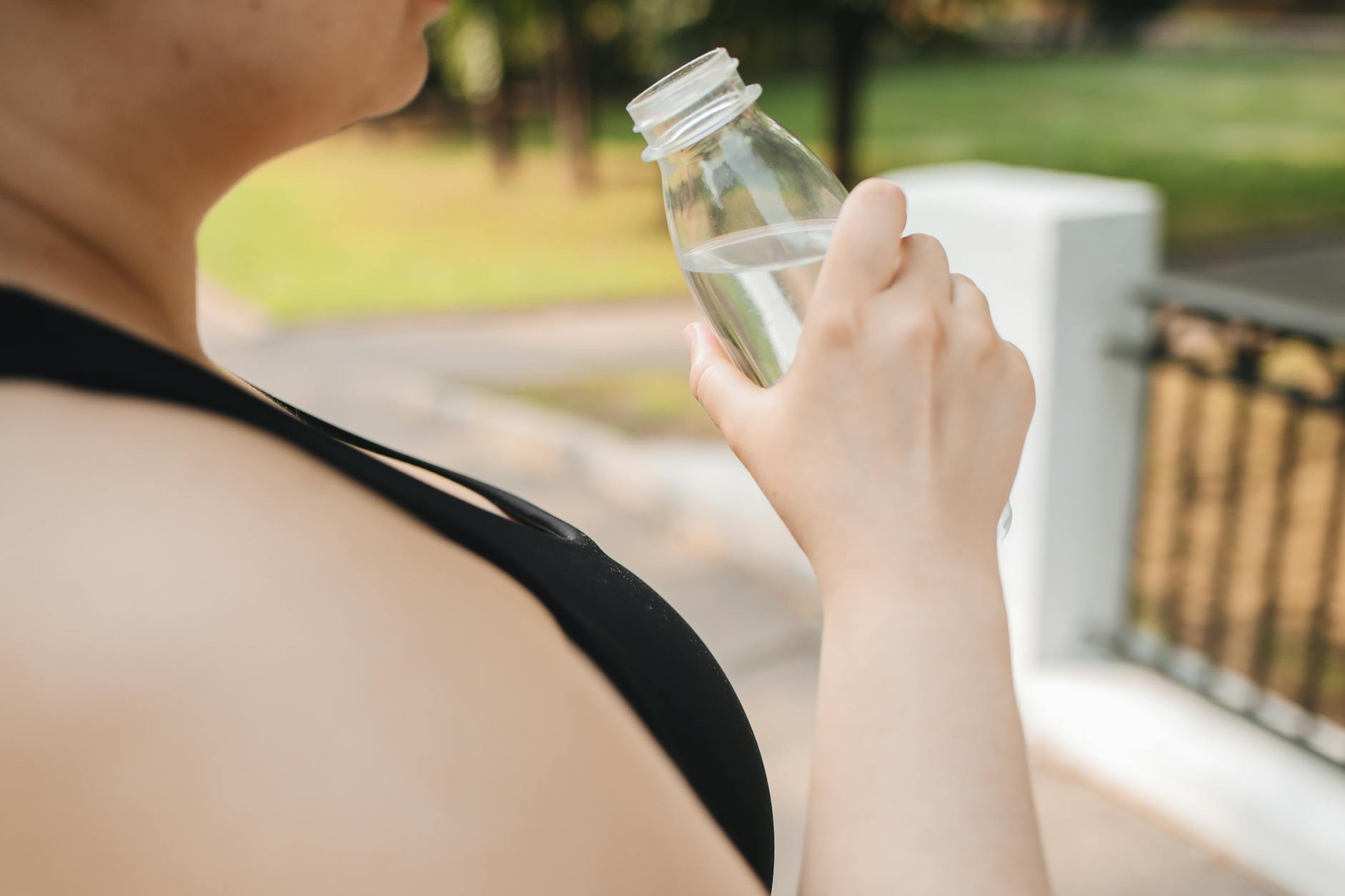
This might sound obvious, but it's the cornerstone of any successful spring hydration plan. Start your day with a large glass of water before you even think about coffee or tea. Keep a reusable water bottle with you at all times – at your desk, in your car, by your bedside. Seeing it serves as a constant reminder. I found that setting reminders on my phone was a game-changer when I was first establishing this habit.
Beyond Water: Hydrating Foods and Drinks
While water is king, other sources contribute to your fluid intake. Many fruits and vegetables are packed with water – think watermelon, cucumbers, strawberries, and oranges. These can be great additions to your spring diet. Herbal teas can also be a refreshing way to boost hydration, provided they aren't caffeinated or overly sugary. However, be mindful of sugary drinks like sodas and even some fruit juices, which can actually hinder hydration and add unnecessary calories. They offer little benefit for your spring wellness hydration goals.
Listen to Your Body: Recognizing Dehydration Symptoms
I can't stress this enough: learn to recognize the signs. Beyond thirst, watch for dry mouth, infrequent urination (or very dark urine), fatigue, dizziness, and irritability. If you're experiencing these, you're already behind. The Centers for Disease Control and Prevention (CDC) offers extensive resources on the importance of hydration, detailing how even mild dehydration can impact your health and daily functioning. They emphasize that proactive intake is far more effective than reactive chugging. My personal experience with dehydration symptoms often started with a dull headache and a strange metallic taste in my mouth – signals I now know to act on immediately.
Integrating Hydration into Your Spring Fitness Routine
Pre-Hydration: Setting the Stage
Before you even start your workout, you need to be adequately hydrated. Aim to drink about 16-20 ounces of water two to three hours before exercise. Then, about 20-30 minutes before you begin, have another 8 ounces. This ensures your body has a good fluid reserve to draw from. For those preparing for more intense activities, like a long run or a challenging HIIT for Busy People: Fast Workouts for Your Schedule, this pre-hydration becomes even more critical.
During Exercise: Staying Fueled
During your workout, the goal is to replace fluids lost through sweat. For sessions lasting less than an hour, plain water is usually sufficient. Sip regularly, aiming for 7-10 ounces every 10-20 minutes. If your workout is longer or more intense, or if you're sweating heavily, consider a sports drink that contains electrolytes. This is where performance hydration strategies really come into play. You don't want to be caught depleted when you're hitting your stride on a scenic Spring Cycling Routes: Discover Top Scenic Trails.
Post-Exercise: Replenishing Your Reserves
The recovery phase is just as important. After your workout, continue to drink water to fully rehydrate. A good rule of thumb is to drink 16-24 ounces of fluid for every pound of body weight lost during exercise. Weighing yourself before and after a workout can give you a tangible idea of your fluid loss. This post-exercise replenishment is key for muscle repair and preventing delayed onset muscle soreness. It’s a vital part of your overall spring hydration plan for athletic recovery.
Electrolytes for Hydration: When and Why
Understanding Electrolytes' Role
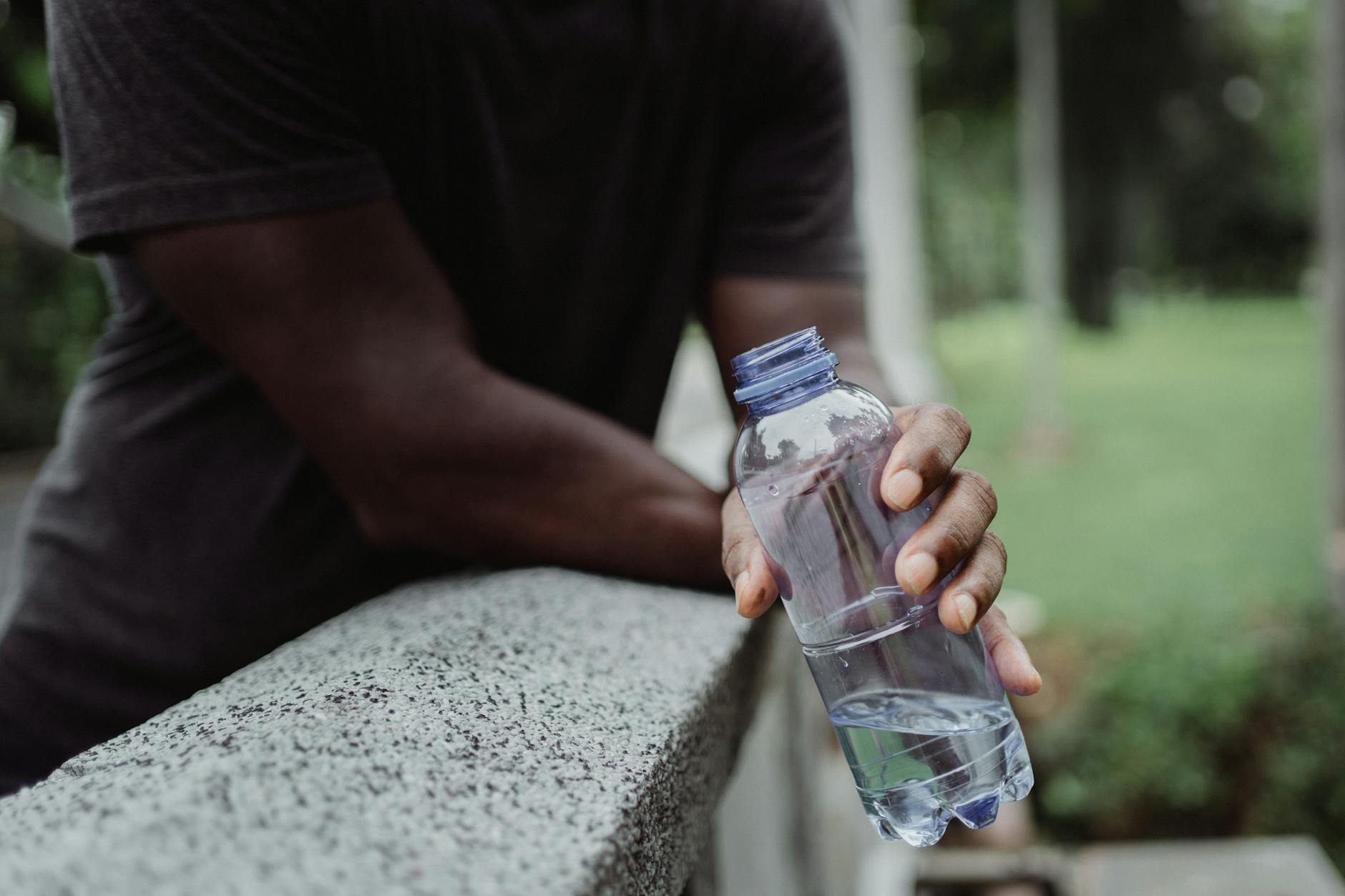
Electrolytes – like sodium, potassium, and magnesium – are minerals that carry an electric charge. They are crucial for nerve and muscle function, maintaining blood pressure, and regulating fluid balance. When you sweat, you lose electrolytes along with water. Replenishing them is essential for optimal hydration, especially during strenuous activity. The World Health Organization (WHO) has extensively documented the importance of electrolyte balance for bodily functions.
When to Consider Electrolyte Replacement
If you're exercising for more than an hour, especially in warm or humid conditions, or if you're a heavy sweater, you'll likely benefit from electrolyte intake. This can come from sports drinks, electrolyte tablets, or even certain foods. However, for casual exercise or shorter durations, plain water is typically adequate. Don't overdo it with electrolytes; too much can also be detrimental. It’s about finding that sweet spot for your specific needs.
Natural Sources of Electrolytes
You don't always need a fancy sports drink. Bananas are a great source of potassium. Coconut water is naturally rich in electrolytes. Even a pinch of salt in your water can help replenish sodium levels. For those looking to boost their intake through diet, incorporating leafy greens, avocados, and dairy products can be beneficial. This approach aligns perfectly with the broader goal of spring wellness hydration, focusing on nutrient-dense choices.
Beyond the Plan: Long-Term Hydration Habits
The Benefits of Staying Hydrated Year-Round
The positive effects of staying hydrated extend far beyond just improved athletic performance. Benefits of staying hydrated include clearer skin, better digestion, improved mood, increased energy levels, and a boosted immune system. Think about the last time you felt truly sluggish; was dehydration a contributing factor? Maintaining consistent hydration habits can prevent many common ailments and make you feel more vibrant overall. This is a principle that applies universally, not just to your spring hydration plan.
Using a Water Intake Calculator
While I've given you general guidelines, a water intake calculator can provide a more personalized estimate. These tools typically factor in your age, weight, activity level, and climate to suggest a daily fluid target. It’s a great starting point to fine-tune your individual needs. Remember, these are estimates, and you should always adjust based on how you feel. The National Institutes of Health (NIH) research portal offers a wealth of information on fluid requirements and their impact on health.
Making Hydration a Lifestyle, Not a Chore
The ultimate goal is to make hydration second nature. It shouldn't feel like a chore or a strict regimen. Integrate it into your daily routines. Enjoy the feeling of being properly fueled and energized. As you transition from spring into summer, your needs might shift again, and you'll be well-equipped to adapt. A well-executed spring hydration plan lays the foundation for a summer of optimal health and performance. It’s about building a sustainable habit that supports your well-being all year long.