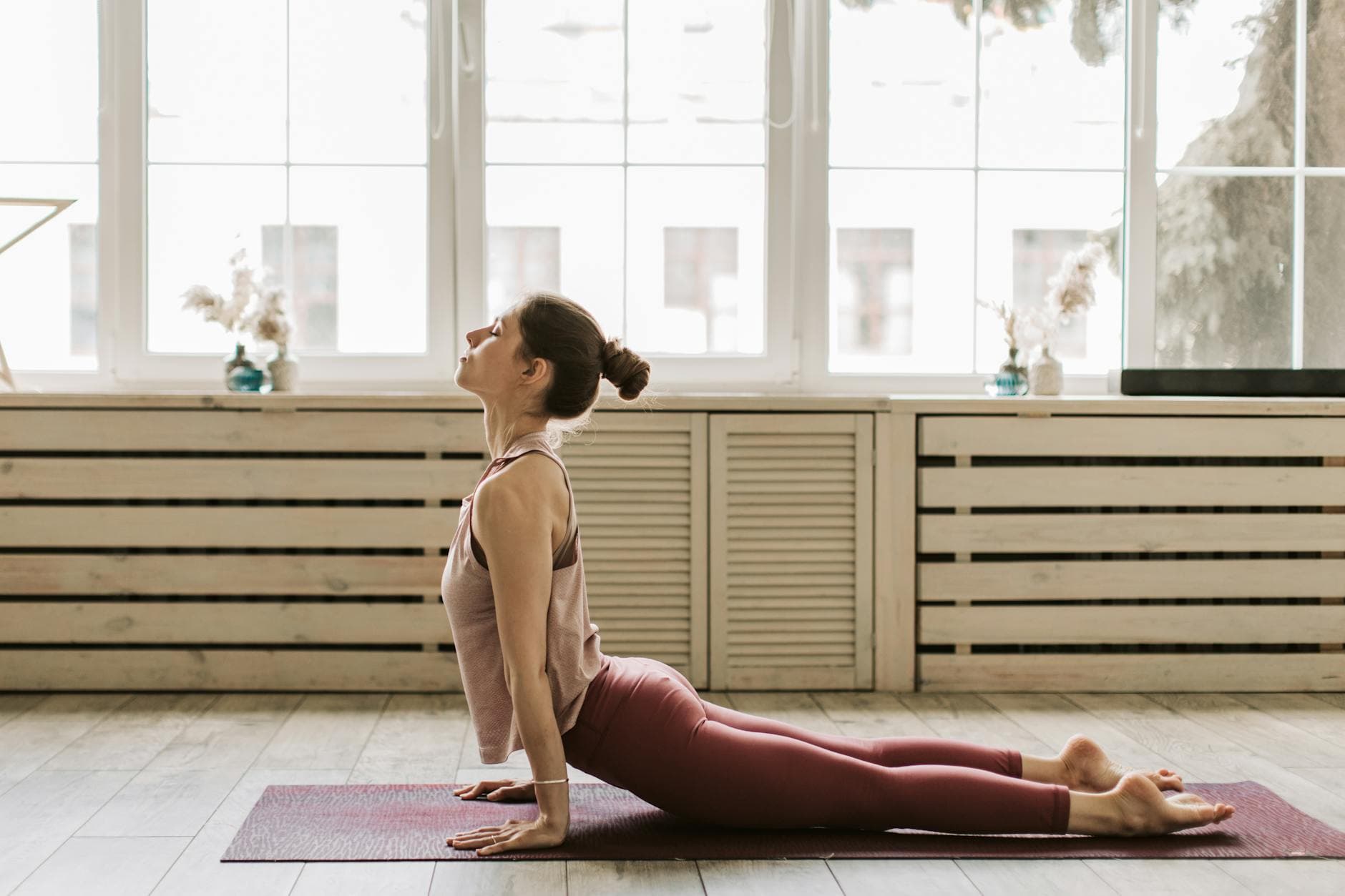
Your First Steps on the Mat: A Beginner Yoga Routine
There's this idea that to do yoga, you need to be able to twist yourself into a pretzel or have the flexibility of a gymnast. Honestly, that’s just not true. Most people get it wrong, thinking you need to be already super flexible or have some innate grace. The truth is, yoga is for *everybody*, and a well-designed beginner yoga routine is your gateway to experiencing its incredible benefits. If you're brand new to this, feeling a little intimidated is normal, but I'm here to guide you, step-by-step, through a practice that feels accessible, rewarding, and genuinely helpful. Think of this as your personal invitation to discover what your body and mind can do.
Understanding the "Why" Behind Your Practice
Before we even get to the poses, let's talk about why you're here. You're not just looking for a workout; you're likely seeking something more. Perhaps it's stress relief yoga, a way to improve your flexibility, or simply a gentle yoga workout to start your day. Whatever your motivation, yoga offers a holistic approach to well-being.
More Than Just Stretching
While improving flexibility is a fantastic outcome, yoga is so much more. It's about connecting your breath to movement, building strength in a mindful way, and cultivating a sense of calm. You might be surprised at how quickly you start to feel a difference, not just physically, but mentally too. This isn't about competition; it's about self-discovery.
Setting Realistic Expectations
Your first yoga class, or your first home yoga for beginners practice, won't transform you overnight. And that's perfectly okay. Progress comes with consistency. Focus on showing up for yourself, even if it's just for 15-20 minutes. Small, consistent efforts build momentum. You'll learn to listen to your body and honor its limits, which is a crucial skill in itself.
Crafting Your Accessible Beginner Yoga Routine
When I first started, I’d see these incredibly complex poses online and think, "There's no way I'll ever do that." It was discouraging. But the reality of a beginner yoga routine is that it focuses on foundational poses that build strength and awareness. We’re going to build a sequence that’s safe, effective, and leaves you feeling grounded, not overwhelmed.
The Importance of Breath (Pranayama)
Your breath is your anchor in yoga. It’s often overlooked by beginners, but it's arguably the most important element. Deep, conscious breathing calms the nervous system and helps you move with more intention. Even before we move into poses, taking a few moments to simply breathe can make a huge difference.
Here’s a simple breathing exercise to start: Find a comfortable seated position. Close your eyes gently. Inhale deeply through your nose, feeling your belly expand. Exhale slowly through your nose, drawing your navel towards your spine. Repeat this for 5-10 breaths. This is a fundamental part of any gentle yoga workout.
Foundational Yoga Poses for New Yogis
For yoga for new yogis, we want poses that are stable and teach you proper alignment. These aren't just random stretches; they're building blocks for more complex movements later on. We’ll focus on poses that open the hips, strengthen the legs, and stretch the spine.
My first experience with a structured beginner yoga sequence was eye-opening. I realized I didn't need to contort myself. I just needed to understand how to engage my muscles and breathe through each movement. This focus on fundamentals is key.
Your Go-To Beginner Yoga Routine Sequence
This beginner yoga routine is designed to be a full-body experience, focusing on ease and accessibility. Aim to hold each pose for 5-8 breaths, moving mindfully from one to the next. This is your gentle yoga workout, your starting point.
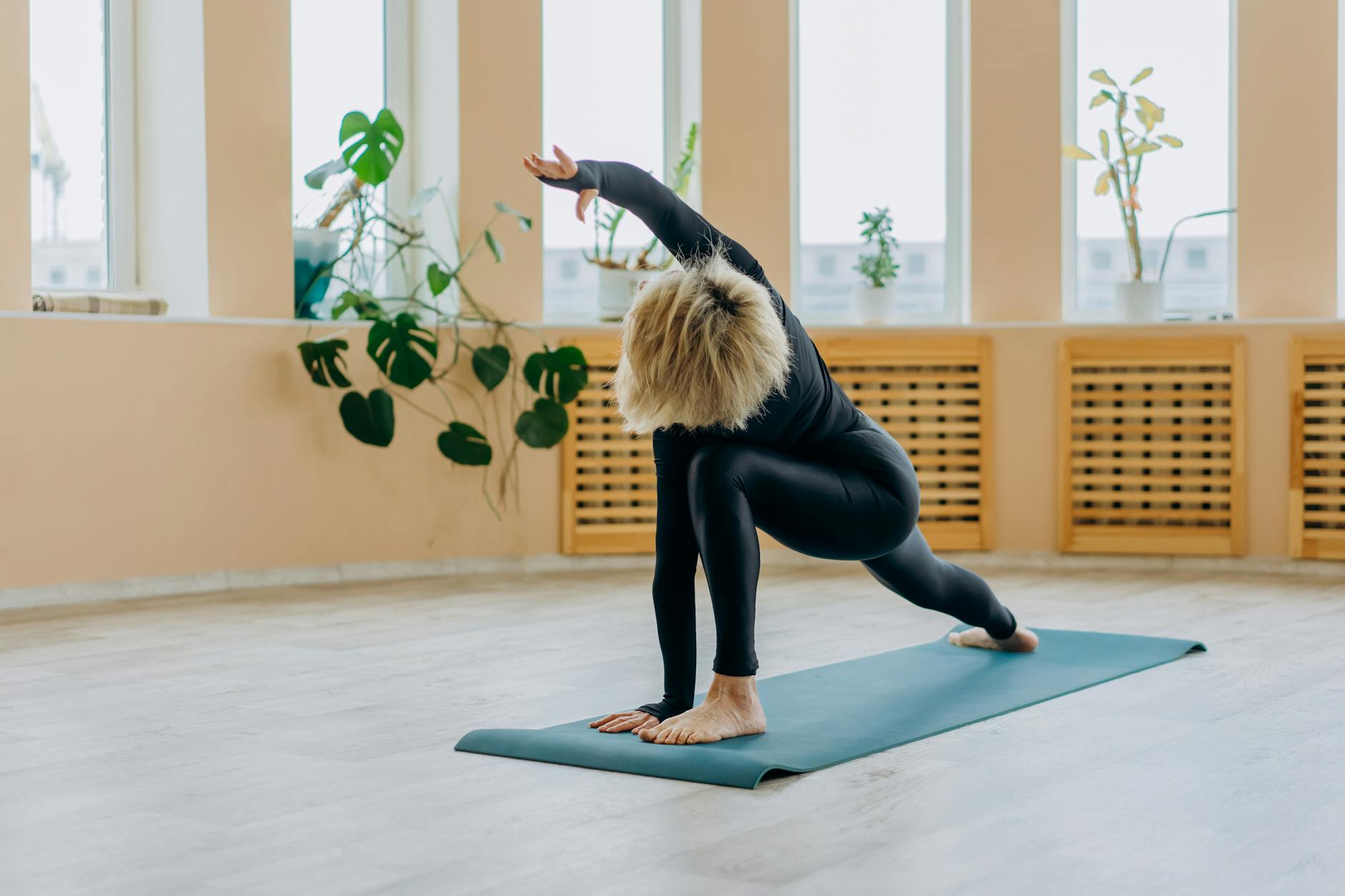
Building Strength and Stability
Many beginners think yoga is just about stretching, but you'll be surprised at how much strength you build. These poses engage your core, legs, and arms in ways that traditional exercises might not, all while maintaining a focus on breath and form.
Mountain Pose (Tadasana)
This is the foundation of all standing poses. Stand with your feet hip-width apart or together, whichever feels more stable. Ground down through all four corners of your feet. Engage your leg muscles, lengthen your spine, and relax your shoulders away from your ears. Your arms can rest by your sides, palms facing forward.
Subtle Engagement
It might seem simple, but really focusing on the subtle engagements in Tadasana is powerful. Feel your quadriceps gently lifting, your core lightly drawn in, and your shoulder blades sliding down your back. This pose teaches you presence and proper alignment.
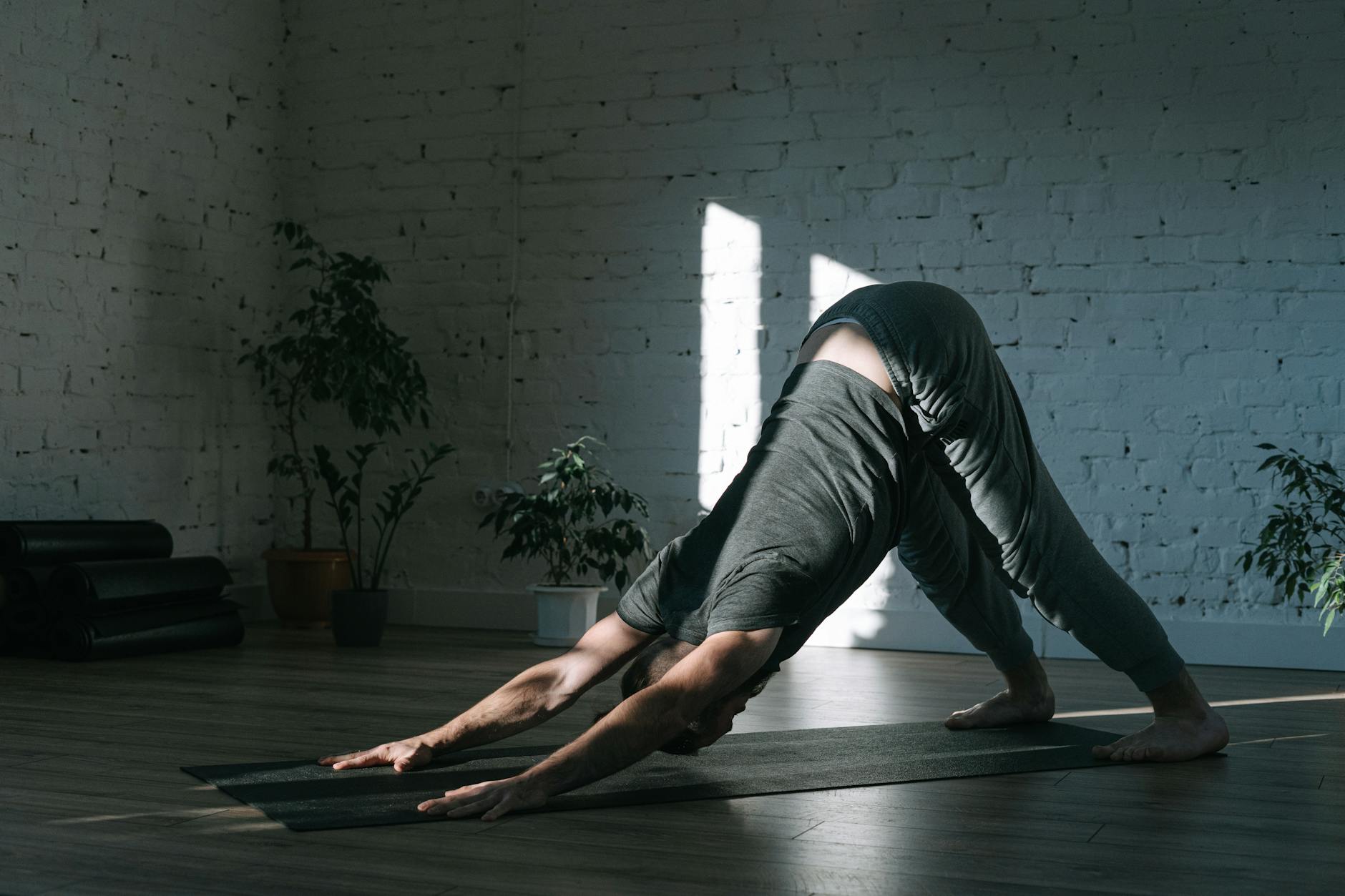
Downward-Facing Dog (Adho Mukha Svanasana)
This is a classic, and for good reason. Start on your hands and knees. Tuck your toes and lift your hips up and back, forming an inverted V-shape. Your hands should be shoulder-width apart, fingers spread wide. Your feet can be hip-width apart. Bend your knees generously if your hamstrings are tight – this is crucial for beginners. Let your head hang freely.
Modifications are Key
If your wrists are sensitive, you can come down onto your forearms for Dolphin Pose. If your hamstrings feel very tight, keep a significant bend in your knees. The goal is to create length in your spine, not to get your heels to the floor. This is a cornerstone pose in most easy yoga for beginners sequences.
Warrior II (Virabhadrasana II)
Step your feet wide apart. Turn your right foot out 90 degrees and your left foot in slightly. Align your right heel with the arch of your left foot. Bend your right knee over your right ankle, keeping your thigh parallel to the floor if possible. Extend your arms out to the sides at shoulder height, gazing over your right fingertips. Keep your torso centered over your hips.
Core Engagement in Warrior II
Feel the strength in your legs and the steady breath. Your core should be engaged to support your torso. This pose builds stamina and confidence. Remember to switch sides for an even practice.
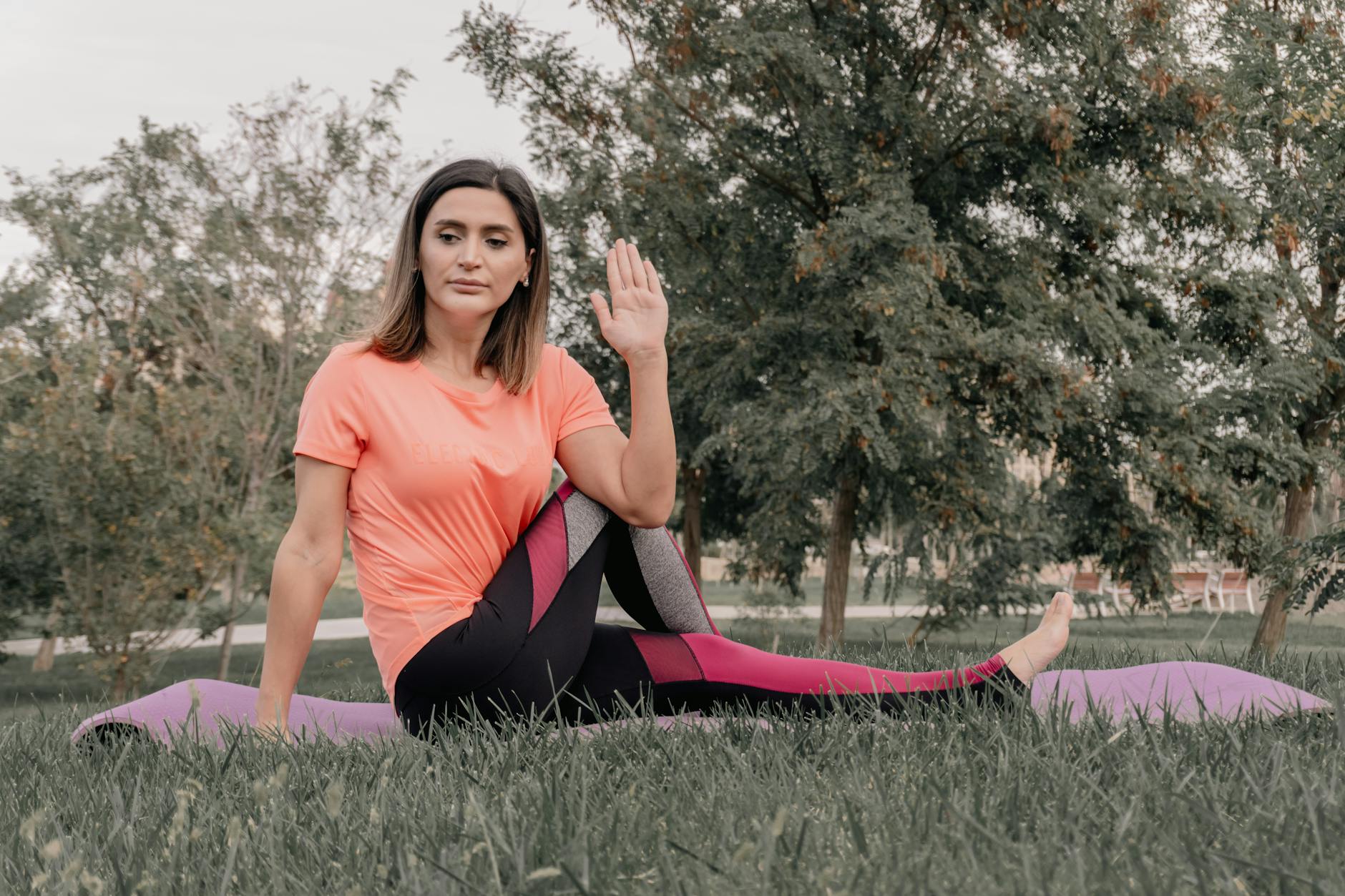
Flexibility and Flow: Gentle Stretches
Now that we’ve built a little heat, we’ll move into poses that encourage flexibility and a sense of release. These are designed to be gentle on your joints while still providing a good stretch. This is where you might start to notice the benefits of yoga for flexibility.
Low Lunge (Anjaneyasana)
From Downward-Facing Dog, step your right foot forward between your hands. Lower your left knee to the mat. You can keep the back toes tucked or untucked. Ensure your right knee is stacked directly over your right ankle. You can keep your hands on the mat, or if you feel stable, bring them to your front thigh or even reach them overhead.
Opening the Hips
This pose is excellent for opening up the hip flexors, which often get tight from sitting. Feel a gentle stretch in the front of your left hip. If it feels too intense, simply bring your hands back down to the mat for support.
Cat-Cow Pose (Marjaryasana-Bitilasana)
Come to your hands and knees, with your wrists under your shoulders and your knees under your hips. As you inhale, drop your belly, lift your chest and tailbone, and gaze slightly upward (Cow pose). As you exhale, round your spine, tuck your chin to your chest, and draw your navel towards your spine (Cat pose). Move back and forth between these two poses, linking your breath to the movement.
Spinal Articulation
This simple flow is fantastic for warming up and mobilizing the spine. It's a fundamental part of any beginner yoga sequence and helps to relieve tension in the back. You can do this for 5-10 rounds.
Child's Pose (Balasana)
From your hands and knees, bring your big toes to touch and widen your knees as much as is comfortable. Sink your hips back towards your heels. Rest your forehead on the mat and extend your arms forward or rest them alongside your body. This is a resting pose, so allow yourself to completely relax here.
Rest and Recharge
Child's Pose is your sanctuary. It’s a moment to pause, breathe, and let go of any tension. Use this pose whenever you need a break during your practice. It's a perfect example of stress relief yoga in action.
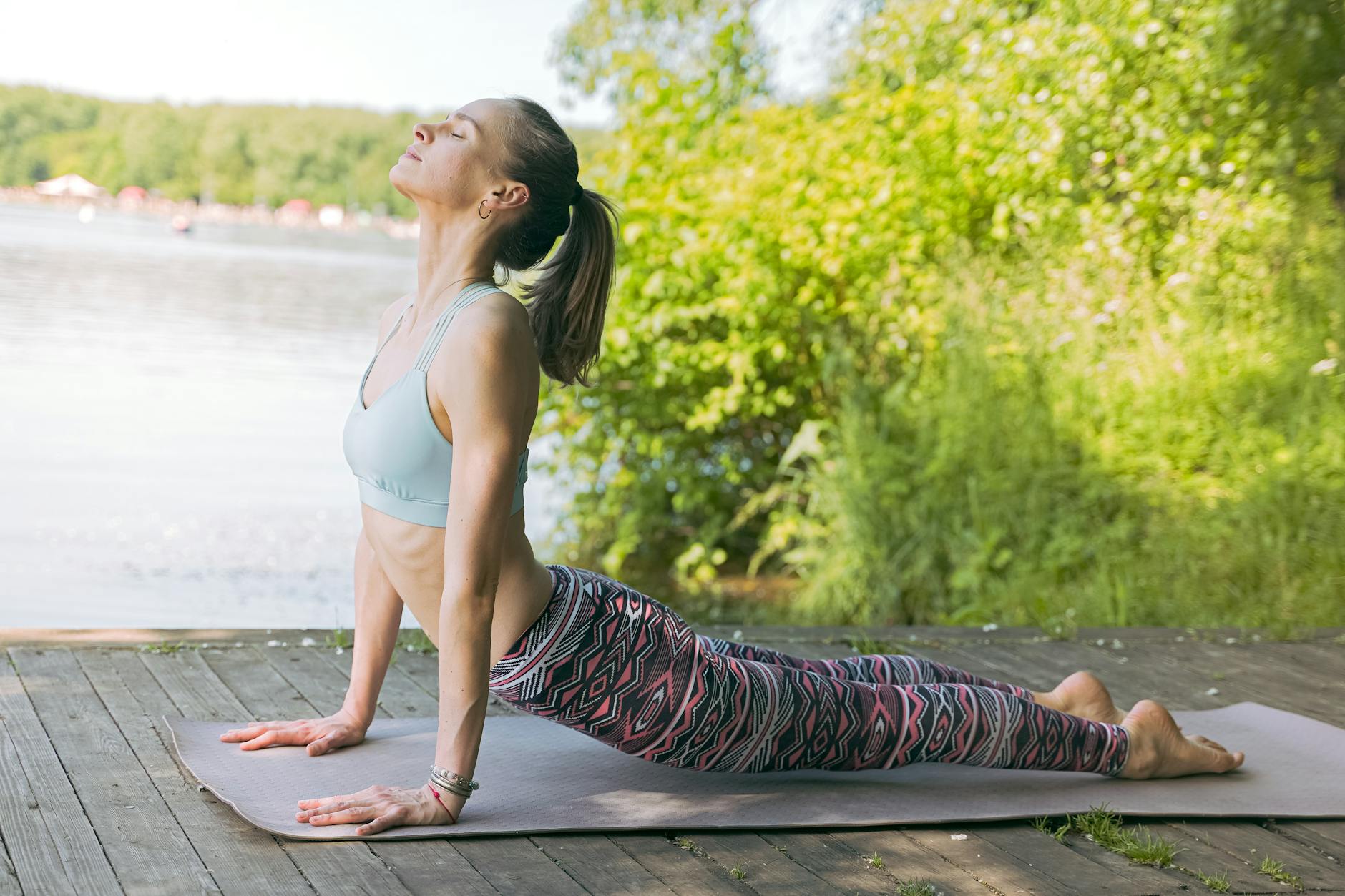
Cooling Down and Finding Stillness
As we begin to wind down, the focus shifts to gentle release and preparing the body for rest. This part of your beginner yoga routine is just as important as the active poses.
Seated Forward Bend (Paschimottanasana)
Sit on the mat with your legs extended straight in front of you. You can place a cushion under your hips if they feel tight. Inhale and lengthen your spine. As you exhale, hinge forward from your hips, reaching your hands towards your feet. It’s okay if you don’t touch your toes; rest your hands on your shins or the mat. Keep a slight bend in your knees if your hamstrings are tight.
Gentle Hamstring Stretch
This pose is a wonderful way to stretch the hamstrings and the entire back of the body. Remember to keep your spine long rather than rounding your back excessively. This is part of what makes it an easy yoga for beginners pose.
Supine Spinal Twist (Supta Matsyendrasana)
Lie on your back with your knees bent and feet flat on the floor. Hug your right knee into your chest. Extend your left leg long. Gently guide your right knee across your body to the left, allowing your hips to stack. Extend your right arm out to the side at shoulder height, and gaze towards your right hand if comfortable for your neck. Keep both shoulders grounded as much as possible.
Releasing the Spine
This gentle twist helps to release tension in the spine and promotes digestion. It’s a calming pose that prepares you for relaxation. Hold for several breaths on each side.
Corpse Pose (Savasana)
Lie flat on your back with your legs extended and arms resting by your sides, palms facing up. Allow your feet to fall open naturally. Close your eyes and consciously release any tension in your body, starting from your toes and moving all the way up to the crown of your head. Simply be present with your breath. This is perhaps the most important pose for stress relief yoga.
Deep Relaxation
Savasana is where the true integration of your practice happens. Don’t skip it! Aim to stay here for at least 5-10 minutes. This is your time to absorb the benefits of your beginner yoga routine and cultivate deep relaxation. You've earned this moment of peace.
Putting It All Together: Your Home Yoga for Beginners Practice
When you’re starting out, a consistent beginner yoga routine that you can do at home is invaluable. Aim for 20-30 minutes, a few times a week. You don't need fancy equipment – a yoga mat is helpful, but a carpeted floor will do. The most important thing is showing up for yourself. This is your journey, and every step you take on the mat is progress.
Listen to Your Body
This is the golden rule for any yoga for new yogis. If something feels painful, back off. If a pose feels accessible, explore it with curiosity. Your body will tell you what it needs. There's no right or wrong way to feel in a pose, only your way.
Consistency Over Intensity
I'll be real with you, I used to think I had to push myself hard to get results. But with yoga, it's the consistent, gentle practice that yields the most profound changes. Even a 15-minute morning yoga routine can set a positive tone for your entire day. You can find studies from the World Health Organization research on beginner yoga routine highlighting the benefits of regular physical activity, and yoga fits perfectly into that.
Think about the last time you felt truly relaxed and centered. Yoga can help you access that feeling more often. The World Health Organization also emphasizes the importance of mental well-being, and a consistent yoga practice can significantly contribute to that, as supported by National Institutes of Health research on beginner yoga routine.
Beyond the Mat: Integrating Yoga into Your Life
The benefits of a beginner yoga routine extend far beyond the time you spend on your mat. You’ll likely notice improvements in your posture, a greater sense of calm, and better sleep. The Mayo Clinic research on beginner yoga routine points to its effectiveness in managing stress and improving physical function.
Mindfulness in Daily Activities
Yoga teaches you to be present. You can start to bring this mindfulness into other areas of your life. Whether you're eating, walking, or even doing chores like gardening strength training, you can approach these activities with more awareness and intention.
Exploring Further
As you grow more comfortable, you might explore different styles of yoga or classes. Perhaps you'll try Chair Yoga Poses: Easy & Effective Stretches for All if you need something even more accessible, or perhaps you'll be ready for more dynamic practices like Interval Training Fitness: Boost Spring Performance Now down the line. The possibilities are vast, and your beginner yoga routine is just the beginning of a wonderful exploration.
Remember, the goal isn't perfection; it's practice. Be patient with yourself, celebrate your small victories, and enjoy the process of discovering your own strength and peace. This journey is yours, and it starts with that first breath on the mat.