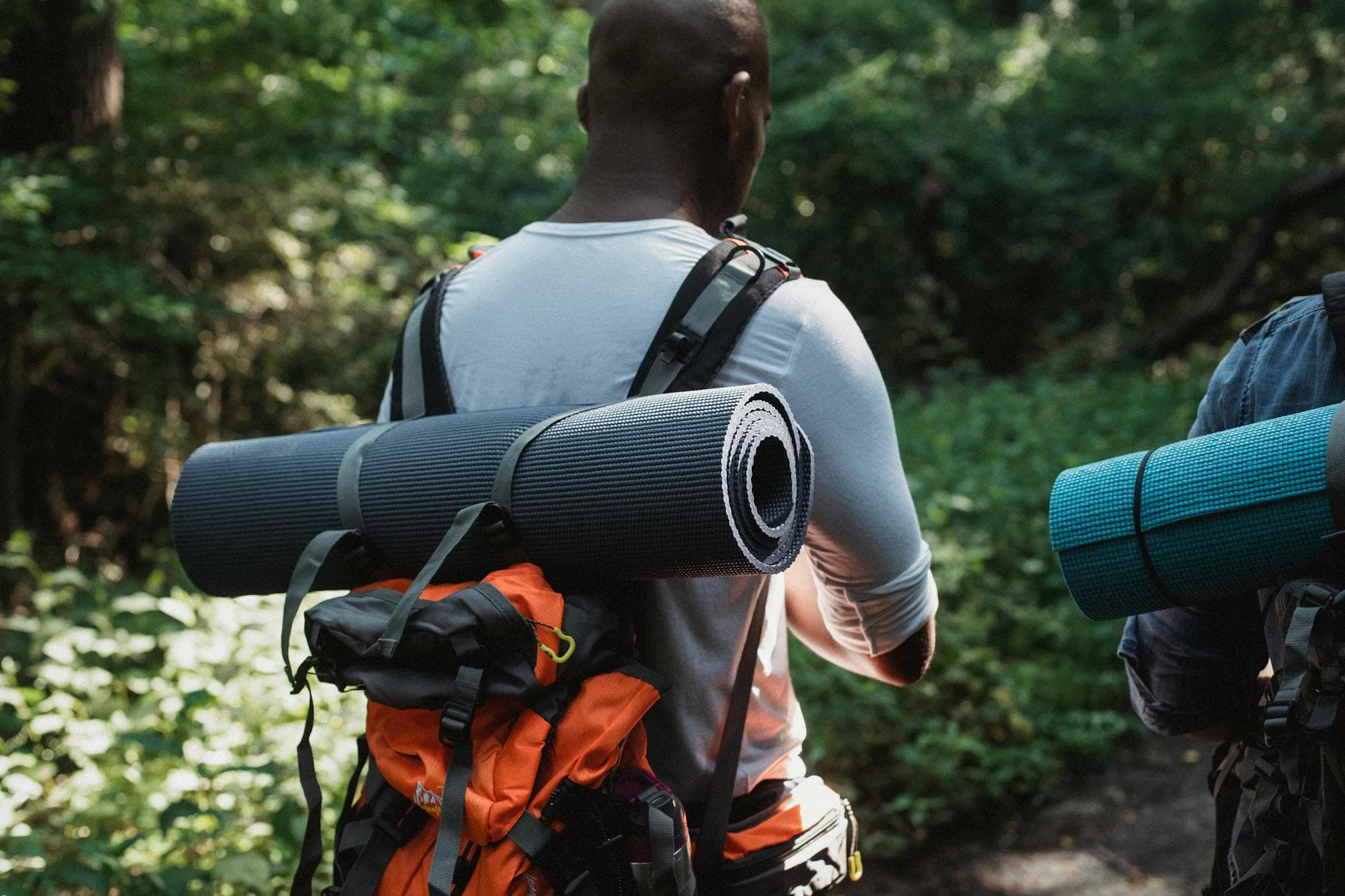
What if I told you there's a way to shed those extra pounds, boost your mood, and connect with nature, all without feeling like you're "working out"? It sounds pretty good, right? Well, that's exactly what hiking for weight loss can offer. Forget the sterile gym environment and the monotonous treadmills for a moment. Imagine yourself on a sun-dappled trail, the scent of pine in the air, your heart rate gently increasing, and with every step, you're getting closer to your fitness goals. This isn't just about burning calories; it's about a holistic approach to health that leaves you feeling revitalized.
The Underrated Power of Hiking for Weight Loss
This is where the magic happens. Hiking, especially when approached with intention, is a phenomenal tool for weight loss and overall well-being. It's accessible, adaptable, and deeply rewarding.
Why Hiking Outperforms Other Cardio
You might be wondering how a simple walk in the woods can compete with a high-intensity interval training session. Here's the thing: consistency and sustainability. Hiking for weight loss is often something people can stick with long-term because it's enjoyable. It doesn't feel like a chore. Plus, the varied terrain you encounter on trails engages more muscles than a flat surface, leading to a more comprehensive workout.
Calorie Burning on the Trail
Let's talk numbers, because that's often a big part of the weight loss equation. The actual number of calories you burn while hiking depends on several factors: your weight, the intensity of the hike (speed and incline), and the duration. A moderate-paced hike on relatively flat terrain can burn anywhere from 300-500 calories per hour for an average-sized person. Now, ramp that up with steeper inclines, faster paces, or longer durations, and those numbers climb significantly. For instance, a strenuous hike with significant elevation gain could easily push you into the 500-800+ calorie burn range per hour. That's a serious calorie deficit being built, consistently, without feeling like you're punishing yourself.
Beyond the Scale: Mental and Physical Rewards
While weight loss is a primary goal for many, hiking offers so much more. The fresh air, the natural beauty, and the sense of accomplishment after conquering a trail all contribute to improved mental health. Studies, including research from the World Health Organization research on hiking for weight loss, consistently show that spending time in nature reduces stress, anxiety, and symptoms of depression. This mental clarity can, in turn, make sticking to your weight loss plan much easier. You'll find yourself making healthier choices overall when your mind is in a good place.

Getting Started: Beginner Hiking Tips for Success
Jumping into a challenging mountain trek might seem daunting, but that's not where you start. Hiking for beginners is all about gradual progression and building confidence.
Choosing Your First Weight Loss Trails
Don't aim for Everest on your first outing. Start with local parks, nature reserves, or well-maintained trails that are relatively flat. Look for trails described as "easy" or "moderate" and pay attention to the length. A 1-3 mile loop is a fantastic starting point. Many parks and hiking apps offer detailed trail maps and difficulty ratings, which are invaluable resources. I remember my first few hikes; I stuck to a local trail that was mostly flat but had a few gentle inclines. It was enough to get my heart rate up without completely exhausting me, and I felt a huge sense of achievement when I finished.
Essential Gear for the Trail
You don't need a full expedition setup to start. For shorter, easier hikes, a good pair of comfortable, supportive shoes is paramount. Trail runners or sturdy walking shoes are often sufficient. Layers are your best friend when it comes to clothing. The weather can change, and you'll generate heat as you hike. A moisture-wicking base layer, an insulating middle layer (like fleece), and a water-resistant outer shell are ideal. Don't forget water! Staying hydrated is crucial, especially as you increase your activity level. A small backpack to carry water, snacks, and a basic first-aid kit is also a good idea. Honestly, I used to think I needed all the fancy gear, but for most beginner hikes, practicality trumps expense.
Pacing Yourself for Optimal Results
This is key for both enjoyment and effectiveness. Start at a comfortable pace where you can still hold a conversation. As you get fitter, you can gradually increase your speed or tackle more challenging inclines. Listen to your body. If you feel breathless or fatigued, slow down or take a short break. The goal of hiking for weight loss is to create a sustainable calorie burn, not to push yourself to exhaustion on every outing. Think of it as building endurance, not just burning fuel for a single race. This gradual approach also helps prevent injuries, which can derail your progress quickly.

Maximizing Your Calorie Burn on Hikes
Once you've got the basics down, you can start thinking about how to elevate your hiking game for even greater weight loss benefits.
The Impact of Incline and Terrain
Here's the secret sauce: hills. Hiking uphill is significantly more demanding than walking on a flat path. It engages your glutes, hamstrings, and quadriceps more intensely, leading to a higher calorie expenditure. Even small, persistent inclines can make a big difference over the course of a hike. Varying terrain, like rocky paths or uneven ground, also requires more stabilization from your core and leg muscles, adding to the overall workout. If you're looking for weight loss trails, actively seek out those with some elevation changes. It’s this type of challenge that truly amplifies the effectiveness of hiking for weight loss.
Increasing Hike Duration and Frequency
Just like any other form of exercise, the more you do it, the more results you'll see. If your initial hikes are 30-60 minutes long, gradually increase that duration by 10-15 minutes each week. Similarly, if you're currently hiking once a week, aim to incorporate a second hike. This consistent calorie burn, combined with a healthy diet, is what drives sustainable weight loss. Think about adding a short, brisk walk in your neighborhood on a non-hiking day to keep the momentum going. A 30 Day Fitness Challenge could even incorporate more frequent shorter hikes to build this habit.
Incorporating Interval Training on Trails
This is a more advanced technique but incredibly effective. Once you're comfortable with sustained hiking, you can introduce interval training. This means alternating periods of higher intensity (faster pace, steeper climb) with periods of lower intensity (recovery pace, flatter section). For example, you might hike uphill as fast as you comfortably can for 5 minutes, then recover by walking at an easy pace for 5 minutes, and repeat this cycle. This type of training can significantly boost your metabolism and calorie burn, even after your hike is over. It’s a fantastic way to push your limits and see accelerated results from your hiking for weight loss efforts.
Spring Hiking: A Perfect Time for Outdoor Fitness
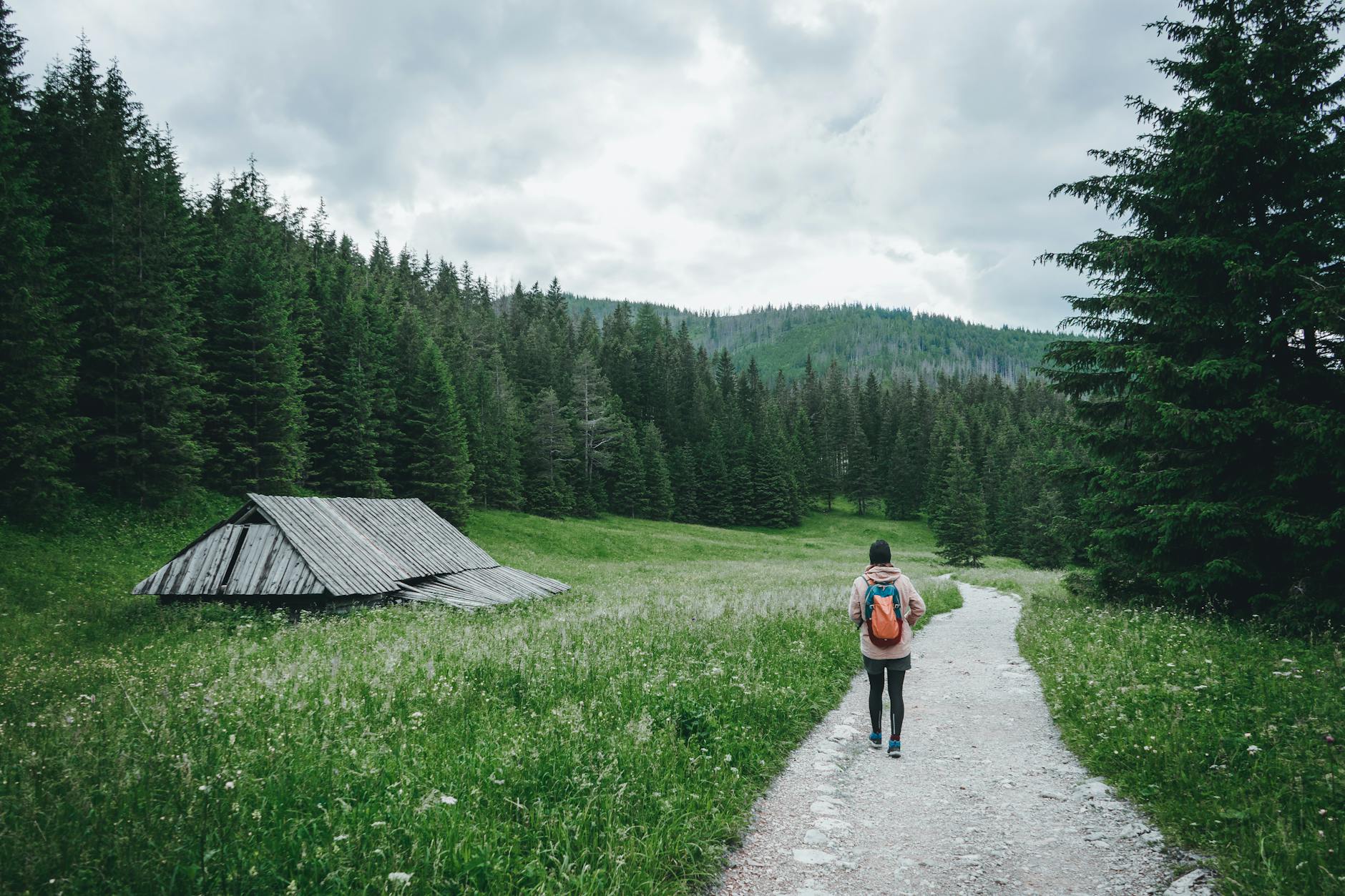
Spring is, in my opinion, one of the most beautiful times to hit the trails. The world is waking up, everything is green and vibrant, and the weather is usually perfect for outdoor activities.
The Benefits of Spring Hiking
Spring hiking benefits are plentiful. The cooler temperatures are ideal for longer treks without overheating. The blooming flowers and returning wildlife provide a feast for the senses, making the experience more enjoyable and mentally rejuvenating. It’s a great time to shake off winter sluggishness and embrace a more active lifestyle. This season offers a natural opportunity for a Spring Workout Refresh, and hiking is at the top of that list for outdoor fitness. You'll notice the difference in your energy levels almost immediately.
Healthy Spring Activities Beyond the Trail
While hiking is fantastic, remember that a well-rounded fitness routine includes variety. Spring is also a wonderful time for activities like Gardening for Exercise, which can be surprisingly physical. You might also consider cycling, especially with the longer daylight hours. Even gentle activities like a Yoga Stretching Routine can complement your hiking by improving flexibility and preventing muscle soreness. The key is to find healthy spring activities that you genuinely enjoy, making it easier to stay consistent.
Finding the Best Spring Hikes Near You
Look for trails that showcase spring's beauty. Waterfalls are often at their peak flow in spring due to snowmelt, making them spectacular destinations. Wildflower trails are also a must-see. Many local and national park websites will highlight these seasonal attractions. Don't be afraid to explore new areas; sometimes the best spring hikes are the ones you discover unexpectedly. You might even find some hidden gems that become your go-to spots for calorie burning hikes throughout the season.

Making Hiking a Sustainable Weight Loss Strategy
The real key to achieving lasting results with hiking for weight loss is consistency and integration into your life.
Listen to Your Body and Prevent Injuries
This cannot be stressed enough. Pushing too hard, too soon, is a fast track to injury and disappointment. Always warm up before a hike with some dynamic stretches. Cool down afterward with static stretches, focusing on your legs and hips. If you feel any sharp pain, stop. It's better to take a rest day or two than to be sidelined for weeks. Consider incorporating cross-training like Endurance Cycling Training on days you're not hiking to build overall fitness without overstressing the same muscle groups.
Pairing Hiking with a Healthy Diet
Hiking for weight loss is most effective when combined with a balanced, nutritious diet. You can't out-hike a bad diet. Focus on whole foods, lean proteins, plenty of fruits and vegetables, and healthy fats. Portion control is also important. Hydration is critical; drink water before, during, and after your hikes. Think about fueling your body for your adventures, not just restricting it. The calorie burn from hiking will significantly contribute to a deficit, but a healthy diet ensures that deficit is driven by fat loss, not muscle loss.
The Long-Term Vision of Hiking for Health
Hiking for weight loss isn't a sprint; it's a marathon. It's about building a lifestyle that supports your health goals. As you become fitter, you'll naturally be able to tackle more challenging hikes, explore further, and enjoy the process even more. The mental benefits will become just as apparent as the physical ones. You'll feel stronger, more resilient, and more connected to the world around you. This journey of outdoor fitness is incredibly rewarding, and the weight loss is often a welcome byproduct of a healthier, happier you. Remember, the best weight loss trails are the ones you keep returning to.