
I remember a time, probably a decade ago, when my hamstrings felt like guitar strings perpetually wound too tight. Every morning was a battle to simply stand up straight. I’d heard whispers about the static stretching benefits, but honestly, I thought it was mostly for dancers or people who owned those fancy yoga mats. My idea of a workout involved pounding pavement and pushing heavy things, and stretching felt like… well, like doing nothing. It took a nagging twinge in my lower back that refused to go away, a constant reminder that my body was screaming for attention, to finally make me reconsider. That’s when I truly started to understand what I’d been missing.
Unlocking Your Body's Potential: The Real Static Stretching Benefits
Beyond the Buzzword: What Static Stretching Actually Does
Static stretching is the kind where you ease into a position and hold it for a period, usually 15 to 60 seconds, until you feel a gentle pull. It’s not about bouncing or forcing anything; it’s about inviting your muscles to relax and lengthen. This deliberate, held stretch is what differentiates it from dynamic movements or ballistic stretching. The primary goal is to increase your muscle flexibility and improve your overall range of motion.
The Foundational Truths of Flexibility
Think about your muscles as elastic bands. Over time, especially with repetitive movements or prolonged static positions (like sitting at a desk for hours), these bands can shorten and stiffen. Static stretching acts like a gentle unwinding, coaxing those fibers back to their optimal length. This isn't just about touching your toes; it's about enabling your joints to move through their full, intended arc without restriction. You've probably noticed how much easier certain movements become when you're properly warmed up, and static stretching plays a crucial role in achieving that supple state. It’s a fundamental component of a well-rounded fitness approach.
Why This Matters for Everyday Life
The static stretching benefits extend far beyond the gym. Improved flexibility means everyday activities become less of a chore. Reaching for something on a high shelf, bending down to tie your shoes, or even just turning your head to check your blind spot in the car – these actions are all smoother and less prone to strain when your muscles are supple. For anyone engaged in activities like gardening strength training, where you’re constantly bending, twisting, and reaching, maintaining good flexibility is paramount to prevent those inevitable aches and pains.
My Journey with Static Stretching: Lessons Learned the Hard Way
The "No Pain, No Gain" Fallacy
I’ll be real with you, for a long time I subscribed to the "no pain, no gain" mantra. I thought stretching should be uncomfortable, a sign that I was really working a muscle. This led to me overstretching, pushing too hard, and sometimes even feeling sore for days. This is a dangerous path, one that can lead to muscle strains and tears, ironically hindering progress rather than helping it. The truth is, static stretching should feel like a mild tension, a comfortable pull, never sharp or agonizing pain. If it hurts, you're doing it wrong.
Consistency Over Intensity
What I eventually learned, and what surprised me the most, was the power of consistency. A few minutes of gentle stretching done daily or after every workout yields far greater results than one intense, infrequent session. Think of it like watering a plant. A daily sprinkle keeps it healthy, while a flood once a month might do more harm than good. This is where developing a simple static stretching routine comes into play. Even five to ten minutes consistently can make a noticeable difference.
The Cool-Down Revelation
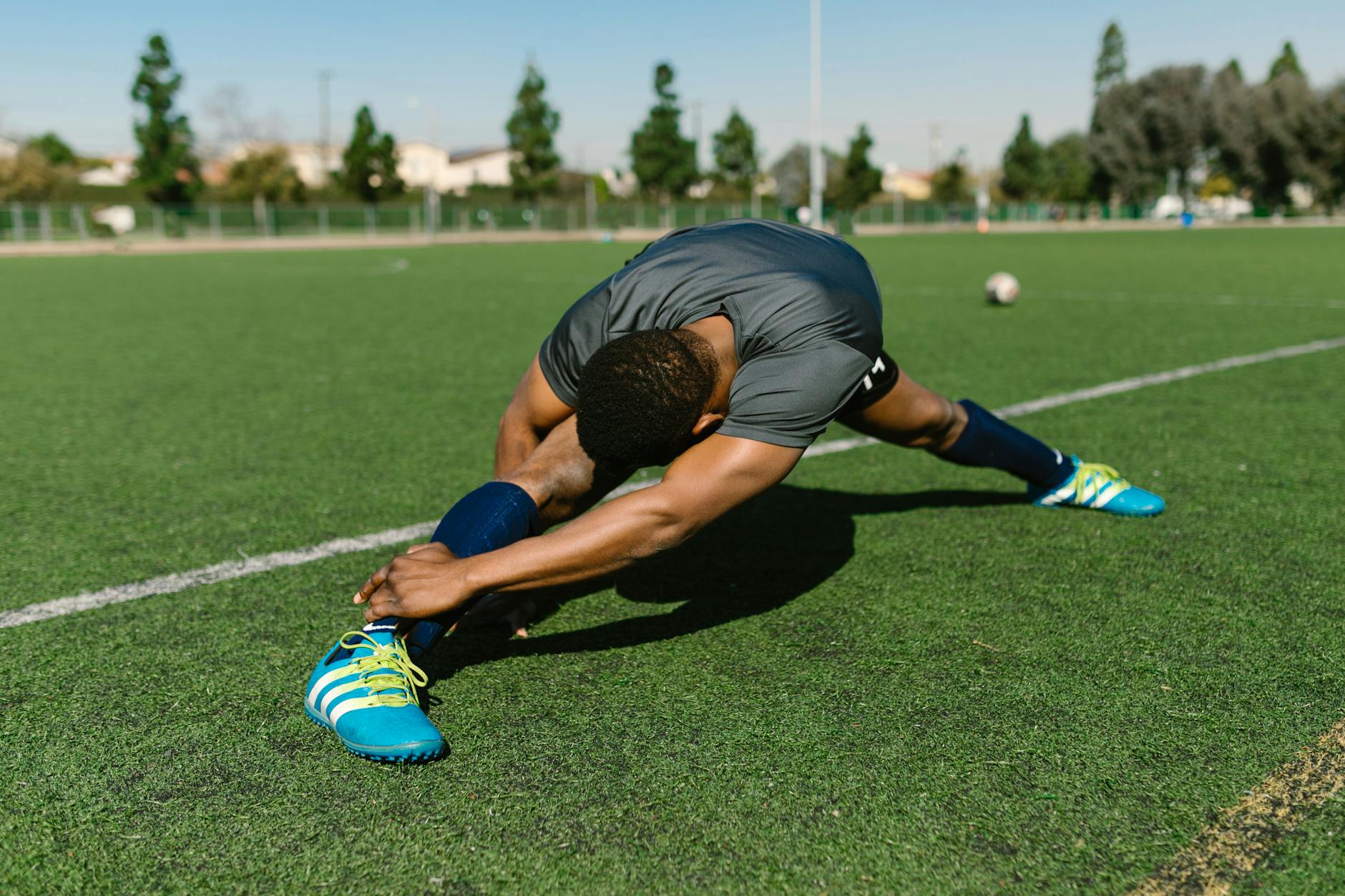
My biggest shift in thinking came when I started to see static stretching not as a separate, optional activity, but as an integral part of my cool-down. After a tough run or a heavy lifting session, my muscles are contracted and often tight. Instead of just collapsing on the couch, I began dedicating time to post-workout stretching. Holding those stretches, allowing my heart rate to gradually return to normal, and giving my muscles a chance to lengthen felt incredibly restorative. This practice significantly reduced my post-exercise soreness and improved my recovery time. It’s a stark contrast to the old days where I’d finish a workout and immediately sprint to the shower, only to feel stiff and achy the next day.

The Science-Backed Static Stretching Benefits
Enhancing Range of Motion
One of the most celebrated static stretching benefits is its direct impact on your range of motion (ROM). By lengthening muscle fibers and connective tissues, static stretching allows your joints to move more freely. This means improved performance in activities that require a greater degree of flexibility, whether it's reaching overhead, performing deep squats, or executing complex athletic movements. This is critical for activities like spring hiking running, where a good ROM in your hips and ankles can make a significant difference in your stride and endurance.
Injury Prevention: A Proactive Approach
While it might seem counterintuitive, increasing flexibility through static stretching can actually be a powerful tool for injury prevention. Tight muscles are more prone to strains and tears because they lack the elasticity to absorb sudden movements or impacts. By regularly performing static stretching exercises, you’re essentially building resilience into your muscular system. This doesn't guarantee you'll never get injured, but it significantly reduces your risk. Research, including findings from the National Institutes of Health research on static stretching benefits, has explored this protective aspect.
Improved Posture and Reduced Muscle Soreness
Muscle imbalances, often caused by prolonged sitting or repetitive movements, can lead to poor posture. Tight hip flexors and chest muscles, for example, can pull your body out of alignment. Static stretching helps to counteract these imbalances by lengthening the tight muscles, allowing the opposing muscles to function more effectively. Furthermore, studies have shown that incorporating static stretching into your post-workout routine can lead to reduced delayed onset muscle soreness (DOMS). This means you can bounce back faster and feel less discomfort after your workouts.
How to Static Stretch Effectively: A Practical Guide
The Art of Holding Stretches
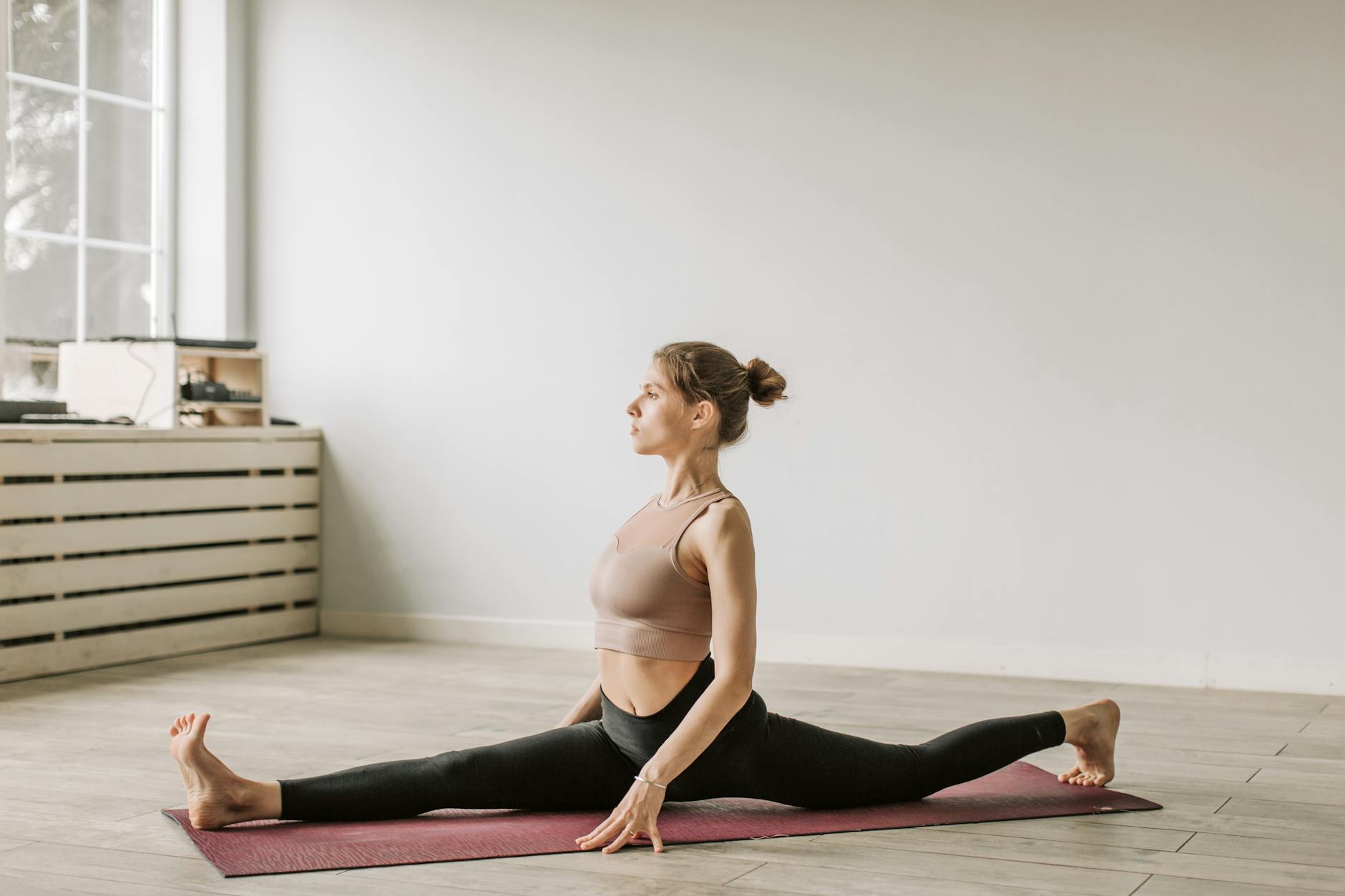
When you’re learning how to static stretch, the duration you hold the stretch is important. For most individuals, holding a stretch for 15 to 30 seconds is sufficient to elicit a positive response. However, for those looking to achieve significant gains in flexibility, holding for up to 60 seconds can be more beneficial. The key is to breathe deeply and relax into the stretch. You should feel a gentle pull, not pain. Remember to repeat each stretch on both sides of your body to maintain symmetry.
When to Incorporate Static Stretching
This is a point of frequent debate, but here’s my take: static stretching is most effective when performed after your muscles are warm. This typically means after a workout or after a brief period of light cardio, like a 5-10 minute brisk walk or some dynamic movements. Performing static stretches on cold muscles can increase the risk of injury. While some may advocate for brief static holds as part of a warm-up, the primary benefits for flexibility and recovery are best realized during your cool-down. Think of it as the perfect way to wind down after a challenging interval training fitness session.
Common Mistakes to Avoid
One of the most common mistakes I see is the bouncing motion, known as ballistic stretching. This is jarring to the muscles and increases injury risk. Another pitfall is holding your breath; deep, controlled breathing is essential to relax the muscles. Pushing too hard and causing pain is also a major error. Finally, neglecting certain muscle groups can lead to imbalances. A comprehensive static stretching guide should address all major muscle groups, ensuring a balanced approach to flexibility.
Building Your Static Stretching Routine
Targeting Key Muscle Groups
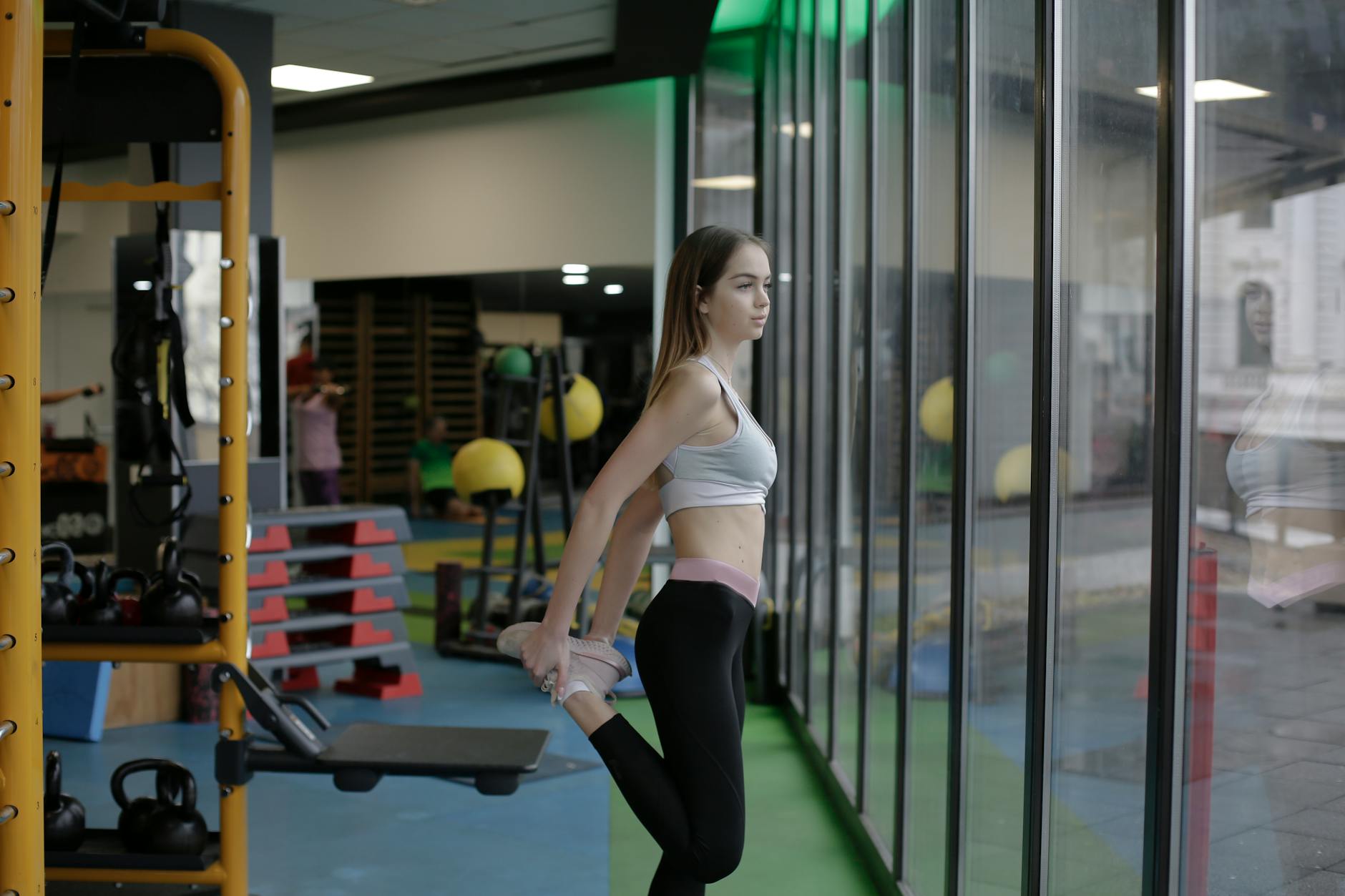
A well-rounded static stretching routine should address the major muscle groups that tend to get tight. This includes the hamstrings, quadriceps, hip flexors, calves, chest, shoulders, and triceps. For instance, a simple hamstring stretch involves sitting with one leg extended and reaching towards your toes while keeping your back relatively straight. For hips, a figure-four stretch or a kneeling hip flexor stretch is effective. Don’t forget your upper body; chest openers and triceps stretches are vital.
Post-Workout Essentials
After a workout, your muscles are primed for lengthening. Focus on the muscles you’ve just worked. If you’ve done a lot of running, prioritize your calves, hamstrings, and quadriceps. If it was a strength training session, target the specific muscle groups that were engaged. This is a prime time to work on Knee Flexibility Exercises: Boost Range of Motion Today if your training involved a lot of squatting or lunging. Your muscles are warm, receptive, and ready to benefit from these held positions.
Integrating into Your Lifestyle
Don't think of your static stretching exercises as a chore, but as an investment in your body. Even 10-15 minutes dedicated to stretching a few times a week can yield significant results. You might find that incorporating it into your morning routine, perhaps before your first cup of coffee, or as part of your wind-down before bed, makes it more sustainable. For those who enjoy the outdoors, consider adding some gentle stretches to your Outdoor Yoga Spring: Poses for Renewal & Energy sessions. The key is finding what works for you and making it a consistent habit.
Ultimately, the static stretching benefits are profound, touching everything from athletic performance to the simple ease of moving through your day. It’s not about achieving extreme flexibility overnight, but about cultivating a more supple, resilient, and pain-free body. I learned this through experience, through the aches and the eventual relief, and I hope sharing this helps you avoid some of the pitfalls I encountered. Treat your body with kindness, listen to its signals, and embrace the quiet power of a well-executed stretch. It might just be the missing piece in your fitness puzzle.