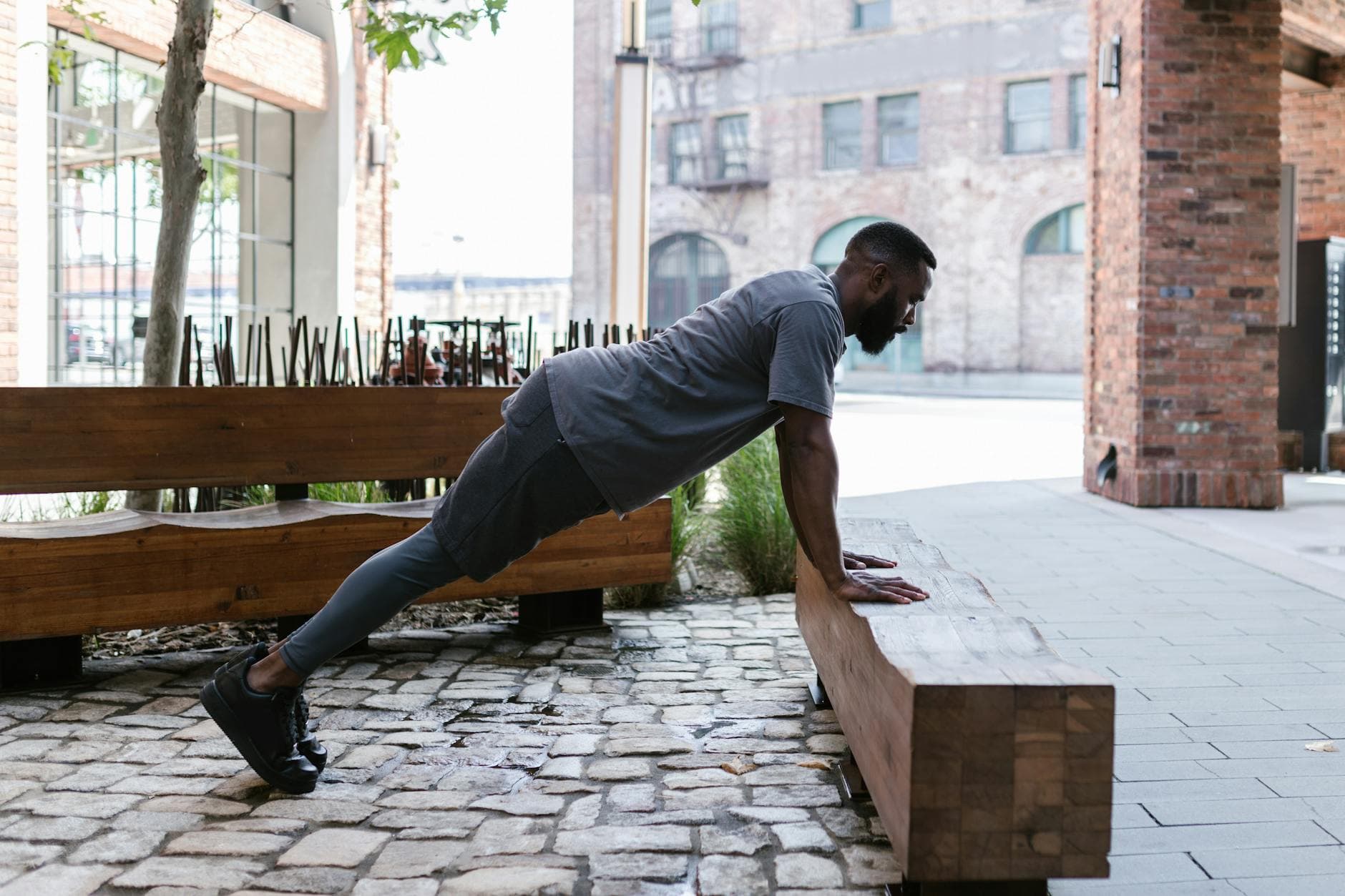
Have you ever felt that nagging stiffness in your back after a long day, or found yourself struggling to maintain good posture when you're tired? That's your core telling you something. It's more than just a six-pack; it's the powerhouse that stabilizes your entire body, and dedicating a specific "core workout day" can make a world of difference.
Why Your Core Is Your Body's Unsung Hero
Most people think of the core as just their abs, but it's a complex network of muscles that wraps around your midsection. This includes your rectus abdominis (the "six-pack" muscles), obliques (sides), transverse abdominis (deepest layer), and even muscles in your lower back and hips. When these muscles work together, they provide crucial support for your spine, improve balance, and enhance your overall athletic performance. Neglecting them is like building a house on a shaky foundation.
The Foundation of Movement
Your core is the central hub from which all other movements originate. Whether you're lifting weights, running, or simply picking up a grocery bag, your core is engaged, stabilizing your trunk and allowing your limbs to move efficiently. A strong core means less wasted energy and a reduced risk of injury.
Beyond Aesthetics: Functional Strength
While a toned midsection is a nice perk, the real benefits of a strong core are functional. Think about the last time you had to twist to grab something behind you, or the effort it takes to stand up from a low chair. These everyday actions rely heavily on core strength. It's the difference between struggling and moving with ease.
Preventing Pain and Injury
This is where I'll be real with you: I used to think core work was just about looking good. Then I experienced persistent lower back pain that was seriously impacting my training. It wasn't until I started consistently focusing on a comprehensive core workout day that I began to see significant improvement. Weak core muscles often force other muscles to compensate, leading to imbalances and, eventually, pain. The Mayo Clinic research on core workout day highlights the direct link between core strength and reduced back pain.
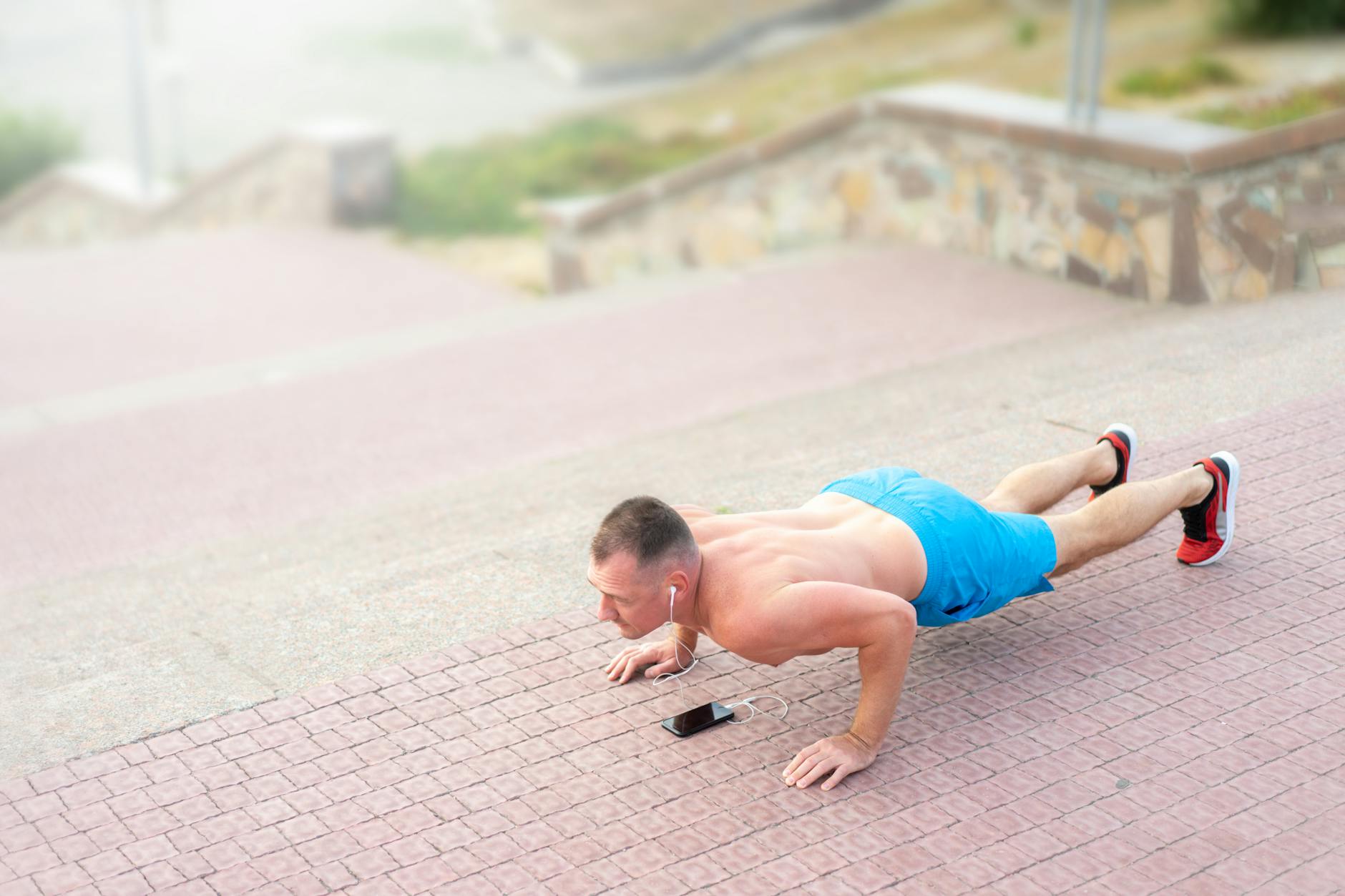
Designing Your Ultimate Core Workout Day
So, how do you actually build a killer core workout day? It's not just about doing endless crunches. A truly effective routine targets all the different muscle groups within your core, incorporating a variety of movements. You need to challenge your core in multiple planes of motion to build true, functional strength.
The Pillars of a Full Core Workout
A well-rounded core routine should include exercises that focus on:
- Anterior Core: Primarily targeting the rectus abdominis and transverse abdominis. Think exercises like planks and leg raises.
- Lateral Core: Engaging your obliques. This is where you'll find movements like Russian twists and side planks.
- Posterior Core: Strengthening your lower back and spinal erectors. Bird-dog and Supermans are great here.
Abs: More Than Just the "Six-Pack"
When people talk about abdominal exercises, they often just mean crunches. While crunches have their place, they primarily target the rectus abdominis. For a truly robust workout, you need to incorporate exercises that hit the deeper muscles and the sides.
Incorporating Oblique Exercises
Your obliques are crucial for rotational movements and stabilizing your spine during twists. Without them, you're missing a huge piece of the core puzzle. I used to skip these, thinking my regular ab work was enough, but my body felt so much more stable once I started adding specific oblique exercises.
Lower Back Exercises: The Often-Forgotten Heroes
Many people shy away from lower back exercises, perhaps fearing injury. However, strengthening these muscles is vital for spinal health and preventing the very injuries they fear. Think of it as building a protective brace for your spine.

Putting Together Your Best Core Workout Routine
Now, let's get practical. What does a "best core workout" actually look like? It needs to be challenging enough to stimulate growth but also sustainable. Here’s a blueprint that I’ve found incredibly effective, suitable for both a dedicated core workout day and as an addition to other training sessions.
The Dynamic Warm-Up
Before diving into the heavy lifting, you need to prepare your core. This isn't just about getting your heart rate up; it's about activating those key muscles.
Mobility Movements
Start with some dynamic stretches that mimic the movements you'll be doing. Think cat-cow stretches, torso twists (gentle at first), and hip circles. These will increase blood flow and prime your core for work.
Activation Drills
Follow up with some light activation exercises. Bird-dog is fantastic here, as is a basic plank held for 20-30 seconds. This ensures your core muscles are "awake" and ready to fire.
The Main Event: Your Core Workout Day Exercises
This is where you build that powerhouse. I'm going to give you a sample routine, but remember to listen to your body and adjust as needed. This is a full core workout designed to hit everything.
Plank Variations: The Ultimate Stabilizer
Planks are foundational. Start with a standard forearm plank, aiming for 30-60 seconds. Then, progress to variations.
High Plank to Forearm Plank Transition
This movement challenges your shoulder stability and core control as you transition between positions. Aim for 10-12 repetitions.
Side Plank with Hip Dips
This targets the obliques intensely. Hold the side plank for 30 seconds on each side, then add 10-15 hip dips.
Abdominal Exercises for Strength and Definition
Beyond the basic crunch, let's get more strategic.
Hanging Leg Raises
If you have access to a pull-up bar, these are gold. Focus on controlling the movement, not just swinging your legs. Aim for 10-15 repetitions.
Bicycle Crunches
These are excellent for hitting both the rectus abdominis and the obliques. Perform them with a slow, controlled motion, focusing on bringing your elbow to your opposite knee. 20-30 repetitions per side.
Oblique Exercises for Rotational Power
Don't neglect the sides!
Russian Twists (Weighted or Bodyweight)
Sit on the floor with your knees bent, feet lifted slightly off the ground (or on the ground for an easier variation). Twist your torso from side to side, tapping your hands (or a weight) on the floor. Aim for 15-20 twists per side.
Wood Chops (Cable or Dumbbell)
This exercise mimics a chopping motion and is fantastic for functional core strength. Perform 10-12 repetitions on each side.
Lower Back Exercises for Spinal Health
These are non-negotiable for a balanced core.
Supermans
Lie on your stomach and simultaneously lift your arms and legs off the floor, squeezing your glutes and lower back. Hold for a second at the top, then lower with control. 12-15 repetitions.
Glute Bridges
While primarily a glute exercise, glute bridges also engage your lower back and transverse abdominis for stabilization. Aim for 15-20 repetitions, focusing on squeezing your glutes at the top.
The Cool-Down and Recovery
After a tough workout, it’s important to bring your heart rate down and allow your muscles to recover.
Static Stretching
Gentle static stretches can help improve flexibility and reduce muscle soreness. Focus on holding stretches for your abs, obliques, and lower back for 20-30 seconds. You might find that static stretching benefits are more profound than you initially thought.
Mindful Breathing
Spend a few minutes focusing on deep, diaphragmatic breaths. This helps calm your nervous system and aids in recovery.

Intensity Levels: Beginner to Advanced
You might be wondering, "Is this a beginner core workout, or is it too intense?" The beauty of a core workout day is its scalability.
For Beginners
If you're new to core training, focus on proper form over quantity.
- Planks: Start with knee planks or hold standard planks for shorter durations (15-20 seconds).
- Leg Raises: Keep your knees bent and focus on lifting them towards your chest.
- Crunches: Perform with control, focusing on engaging your abs.
- Russian Twists: Keep your feet on the ground and focus on the torso rotation.
You can find a great starting point with a beginner yoga routine, which often includes foundational core work.
For the More Experienced
If you're looking for an intense core workout, here’s how to ramp it up:
- Increase Duration/Reps: Hold planks longer, do more reps of each exercise.
- Add Weight: Use dumbbells or kettlebells for Russian twists, wood chops, and even weighted crunches.
- Advanced Variations: Explore exercises like V-ups, dragon flags, and hanging knee-to-elbow raises.
- Reduce Rest: Shorten the rest periods between sets and exercises to increase the metabolic demand.
The Centers for Disease Control and Prevention research on core workout day often emphasizes progressive overload, meaning you should aim to gradually increase the challenge over time.

When to Schedule Your Core Workout Day
There’s no single "right" answer, but a dedicated core workout day can be highly effective. Many find it beneficial to schedule it on a rest day from their main strength training or cardio, or to pair it with a lighter activity. For instance, after a session of gardening strength training, a focused core session can complement the work you've already done. You might also consider it on a day when you'd typically do something like interval training fitness, if your body feels up to it.
Consistency is Key
Whatever you choose, the most important factor is consistency. Aim for 2-3 dedicated core sessions per week, or incorporate core exercises into at least 4-5 workouts. Your body will thank you for it. The World Health Organization research on core workout day consistently points to regular physical activity, including targeted muscle group training, as crucial for overall health.
Building a strong core is a journey, not a destination. It requires patience, dedication, and a smart approach to training. By understanding the muscles involved and incorporating a variety of exercises, you can create a core workout day that not only sculpts your midsection but also builds a more resilient, powerful, and pain-free body. Don't wait for pain to tell you your core needs attention; start building that foundation today.