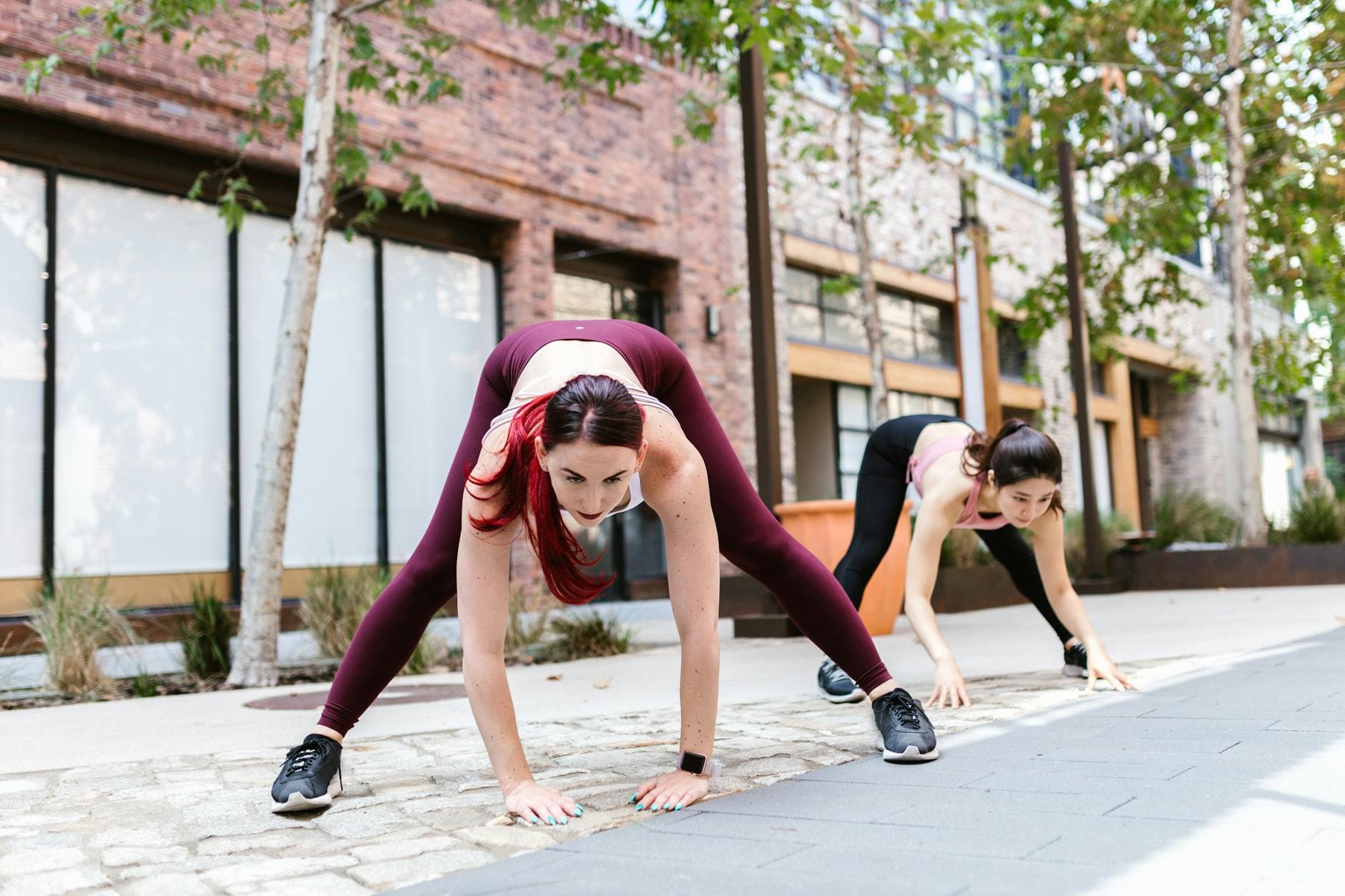
The biggest myth about fitness? That you need to be ripped, have endless energy, or know exactly what you're doing to even *start*. Honestly, I used to believe that. I’d see people in the gym, all sculpted and focused, and think, "That’s not me. I’m too far gone." But here's the astonishing truth I've discovered: the most transformative fitness journeys begin not with a bang, but with a whisper, a gentle nudge towards movement. And the foundation for all of it? Simple, effective **beginner workouts**.
I'm not just talking about a few stretches. I'm talking about a fundamental shift in how you approach your body and your well-being. It's about building a relationship with movement that's sustainable, enjoyable, and, dare I say it, empowering. Forget the intimidating influencer routines or the CrossFit WODs designed to break you. We're talking about the building blocks, the easy exercises for beginners that lay the groundwork for a lifetime of health.
The Unseen Power of Starting Small
You might be wondering, "How small is small?" It's smaller than you think. It’s about showing up for yourself, consistently, even when motivation is a distant memory. The magic of beginner workouts isn't in the intensity; it's in the habit formation. Think about the last time you learned a new skill – a musical instrument, a language, even a complex recipe. It started with the basics, right? You didn't pick up a violin and expect to play Mozart. Fitness is no different.
Why Most People Quit (And How You Won't)
The primary reason people abandon exercise is simple: they make it too hard, too soon. They jump into something that feels like punishment rather than a pathway. This leads to soreness that feels like injury, exhaustion that feels like failure, and a general sense of "this isn't for me." My first foray into fitness was a disaster because I followed a program designed for someone who’d been lifting for years. I was out for a week with DOMS (delayed onset muscle soreness) and almost gave up entirely.
The "Just Show Up" Mentality
The best beginner workouts are the ones you actually do. Period. It’s about creating momentum. Even a 15-minute walk, a few bodyweight squats, or a gentle stretch can be a victory. This isn't about perfection; it's about progress. The Centers for Disease Control and Prevention research on beginner workouts consistently highlights consistency as the key driver of long-term adherence and health benefits.
Celebrating Tiny Wins
Did you do five push-ups instead of three? Fantastic! Did you walk for 20 minutes instead of your planned 15? Amazing! Acknowledge these victories. They are the fuel for your fitness fire. This positive reinforcement is crucial for building confidence and making exercise a sustainable part of your life.
Crafting Your First Workout Routine: The Essentials
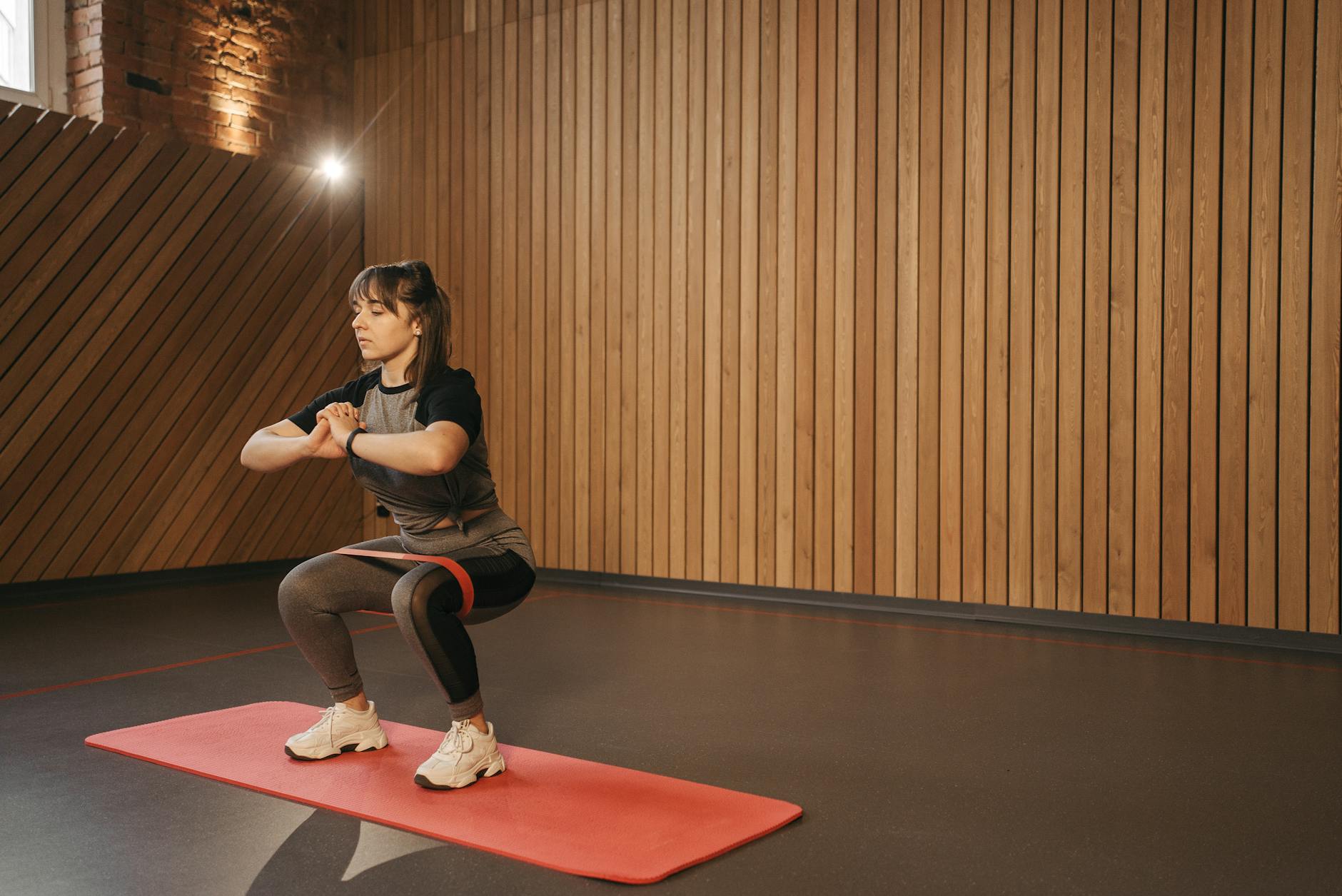
So, what actually goes into a truly effective first workout routine? It’s a blend of strength, cardio, and flexibility, all scaled to your current capabilities. The goal is to engage major muscle groups and get your heart pumping without overwhelming your system. This isn't about complex choreography or heavy weights; it's about fundamental movement patterns.
Full Body Beginner Workout: Your Foundation
I'll be real with you, the idea of a "full body beginner workout" used to sound daunting. It conjured images of endless exercises. But it’s really about hitting the major movement planes. Think pushing, pulling, squatting, and hinging. These are the actions your body performs daily, and strengthening them makes everything easier. A good starting point involves exercises like squats, lunges, push-ups (even on your knees!), and rows. These are the best beginner exercises because they work multiple muscles simultaneously, maximizing your time and effort.
Cardio for Beginners: Finding Your Rhythm
Cardio doesn't have to mean running a marathon. For beginners, it’s about elevating your heart rate for a sustained period. Walking is a phenomenal starting point – it’s accessible, low impact, and you can do it almost anywhere. Cycling, swimming, or even dancing around your living room are fantastic alternatives. The key is to find an activity you genuinely enjoy, because that’s what will keep you coming back. Think about the last time you were so engrossed in something you forgot time; that’s the feeling we’re aiming for with your cardio.
Low Impact Exercises for Beginners: Gentle on Your Joints
If you’re concerned about joint pain or are recovering from an injury, low impact exercises for beginners are your best friend. These movements minimize stress on your joints while still providing a great workout. Swimming is practically a miracle for joint health, and activities like cycling or using an elliptical machine are excellent too. Even walking, when done with good form, is wonderfully low impact. This is where I've seen incredible transformations, people who thought they couldn't exercise finding joy and relief in gentle movement.
Bodyweight Exercises for Beginners: Your Gym is Everywhere
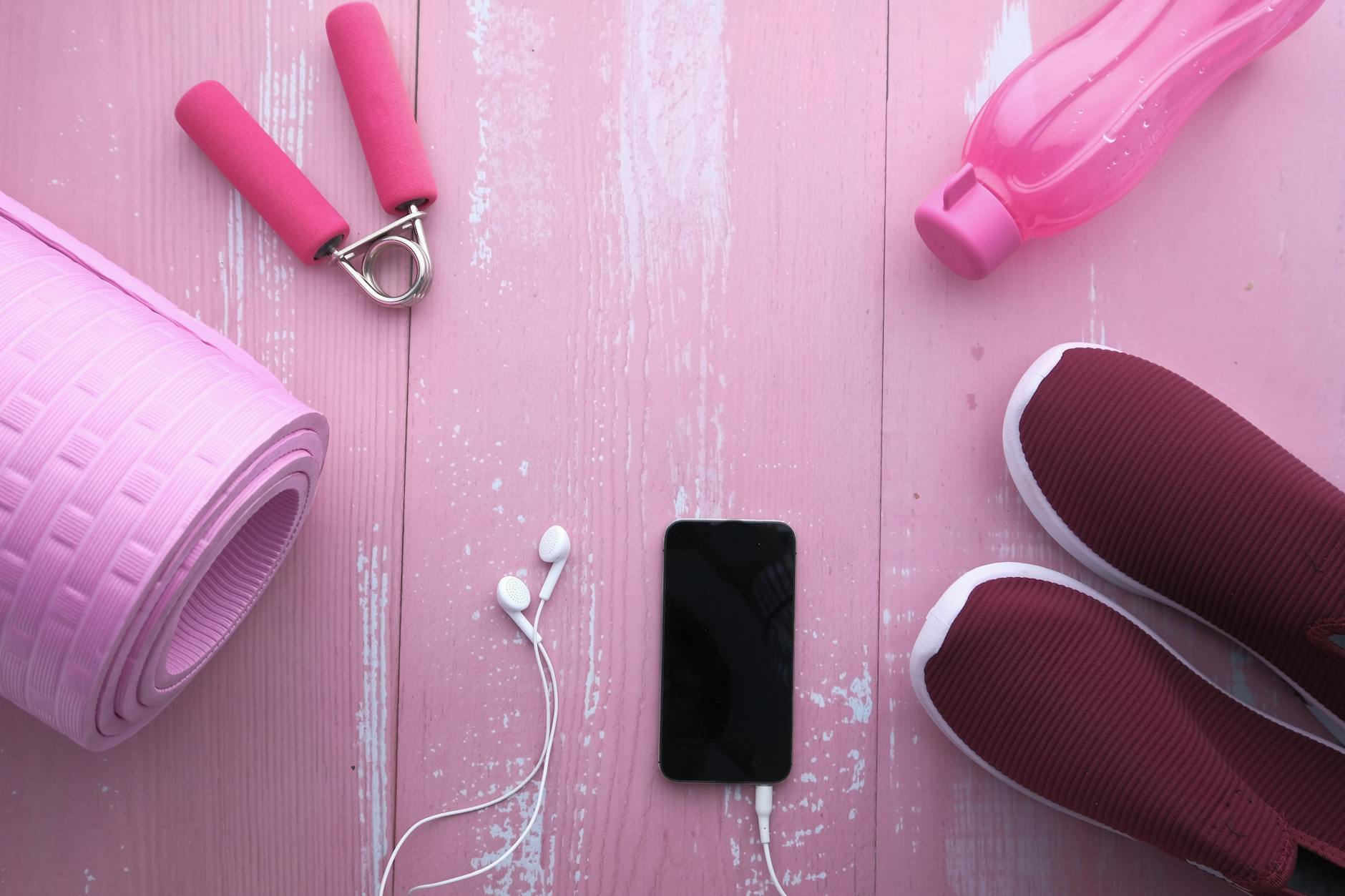
The beauty of bodyweight exercises for beginners is their incredible versatility. You don't need fancy equipment or a gym membership to get a solid workout. Your own body weight provides all the resistance you need to build strength and endurance. This is perhaps the most accessible entry point into strength training for beginners.
The Mighty Squat
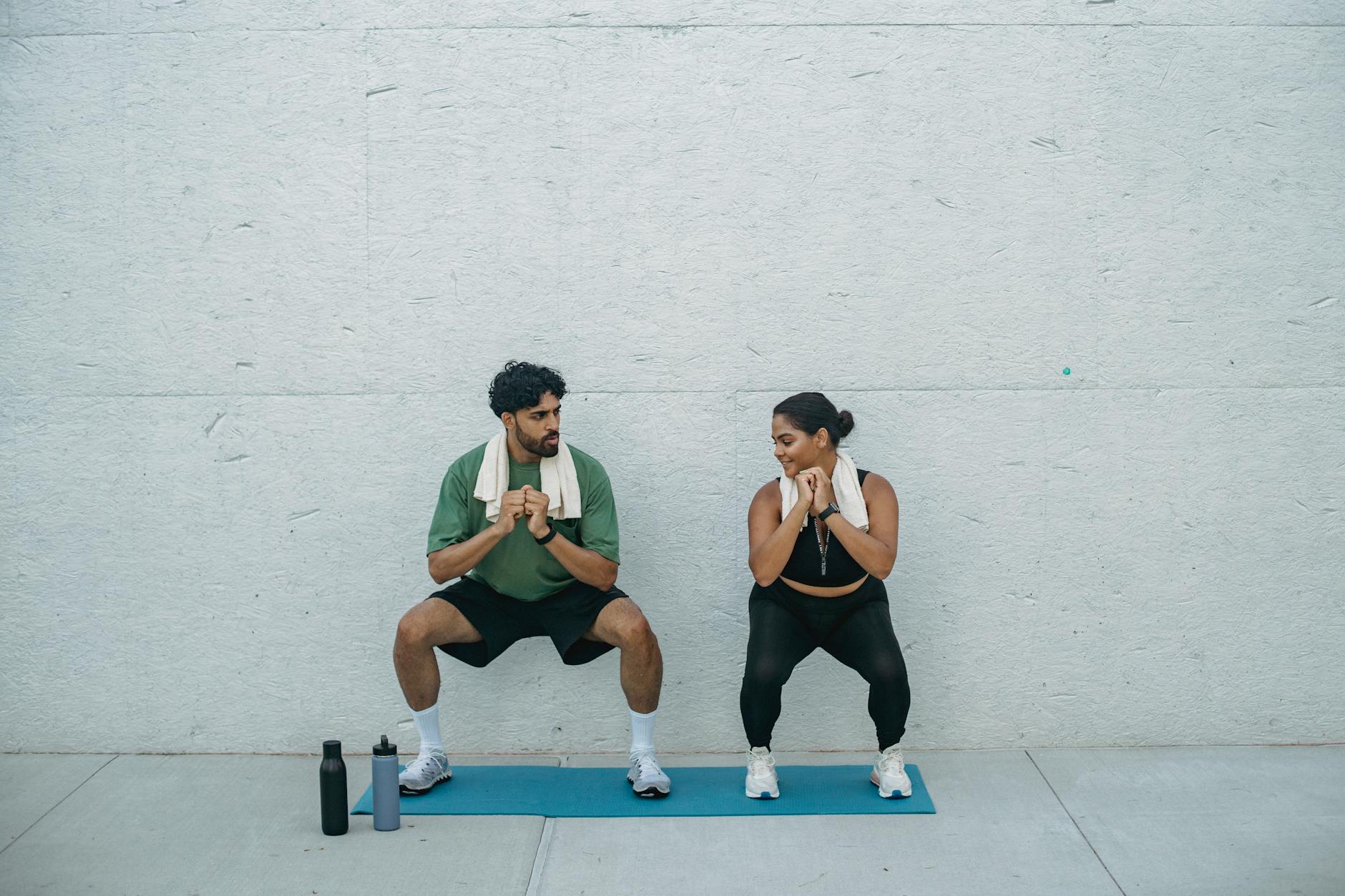
Let’s start with the squat. It’s a fundamental human movement, and mastering it has profound benefits. Stand with your feet shoulder-width apart, toes pointing slightly outward. Lower your hips as if you’re sitting back into a chair, keeping your chest up and your back straight. Aim to get your thighs parallel to the floor, or as low as you comfortably can. Push through your heels to return to the starting position. This simple movement works your quads, hamstrings, glutes, and core.
Push-Up Progression
Push-ups are a fantastic exercise for your chest, shoulders, and triceps. If standard push-ups feel too challenging, don't despair! Start on your knees. Place your hands slightly wider than shoulder-width apart. Lower your chest towards the floor, keeping your body in a straight line from head to knees. Push back up. As you get stronger, you can progress to incline push-ups against a wall or a sturdy table, gradually lowering the height until you can do them on the floor.
Lunges for Balance and Strength
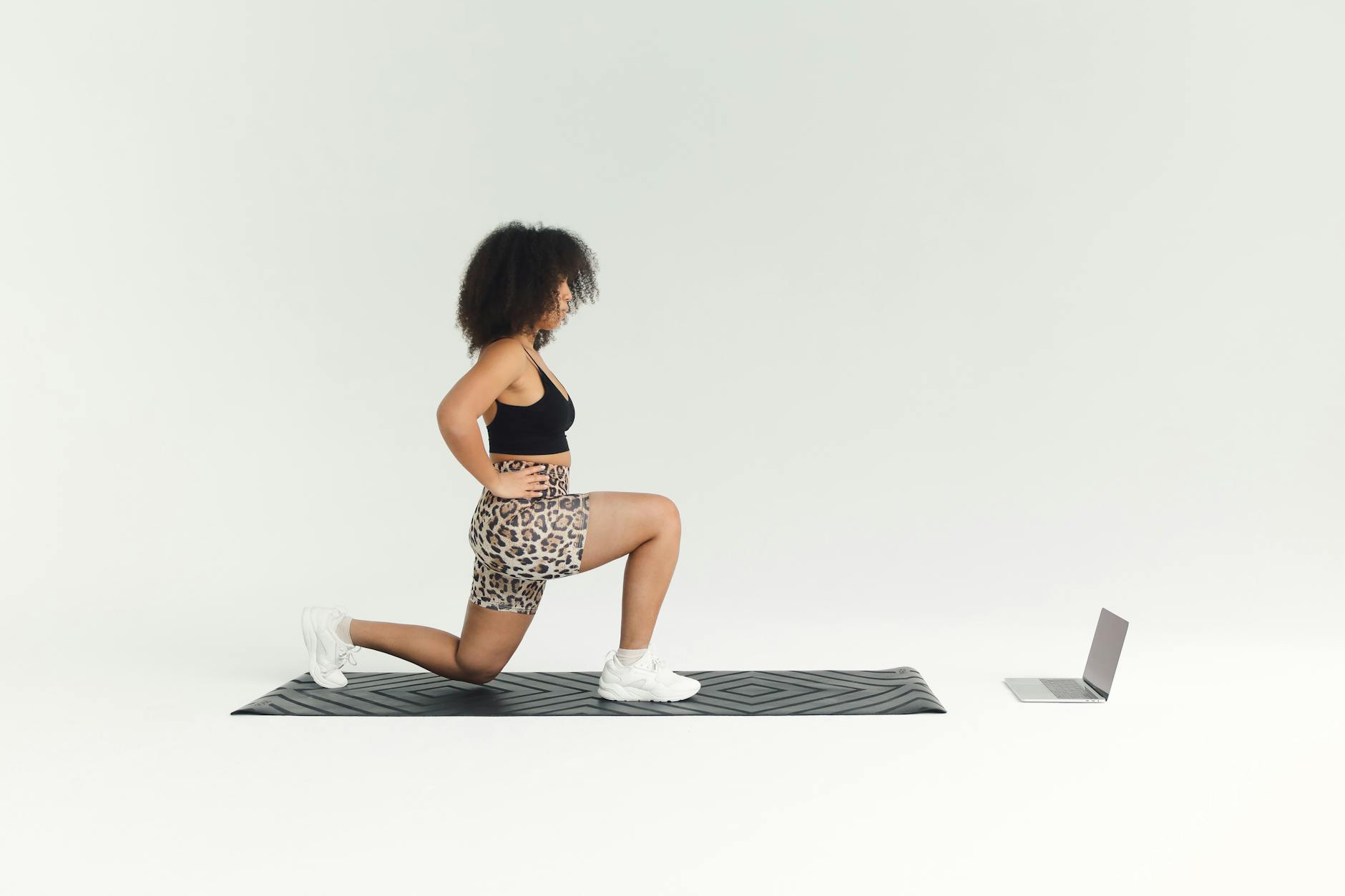
Lunges are brilliant for working your legs and improving balance. Step forward with one leg, lowering your hips until both knees are bent at approximately a 90-degree angle. Your front knee should be directly above your ankle, and your back knee should hover just off the floor. Push off your front foot to return to the starting position, then repeat on the other side. Focus on controlled movement rather than speed.
Plank for Core Power
The plank is a powerhouse for your core muscles. Get into a push-up position, but rest on your forearms instead of your hands. Your body should form a straight line from your head to your heels. Engage your core, glutes, and quads. Hold this position for as long as you can maintain good form, gradually increasing the duration over time. This is a game-changer for building a strong and stable midsection.
Getting Started with Exercise: Beyond the Workout Itself
Here's the thing: a great exercise plan for new exercisers isn't just about the movements. It's about the mindset, the preparation, and the recovery. This is where you build resilience.
Warm-Up Wisely
Never jump straight into intense activity. A good warm-up prepares your body for exercise, increasing blood flow to your muscles and reducing the risk of injury. This can include light cardio like marching in place or arm circles, followed by dynamic stretches. Think leg swings, torso twists, and high knees. A 5-10 minute warm-up is usually sufficient.
Cool Down and Stretch
After your workout, it's essential to cool down. This helps your heart rate return to normal gradually. Follow this with static stretching. Static stretching involves holding a stretch for a period of time, typically 20-30 seconds. These stretches help improve flexibility and can reduce muscle soreness. The static stretching benefits are often underestimated, but they play a crucial role in recovery and long-term mobility.
Listen to Your Body
This is perhaps the most important piece of advice I can give. Your body will tell you what it needs. If something feels sharp or painful, stop. Don't push through pain. Learn to differentiate between muscle fatigue and injury. Rest days are not a sign of weakness; they are crucial for muscle repair and growth. Mayo Clinic research on beginner workouts emphasizes the importance of gradual progression and listening to bodily cues.
The Long Game: Making Fitness a Lifestyle
The ultimate goal of beginner workouts is not just to complete a few sessions, but to build a sustainable habit that supports your health for years to come. It’s about discovering the joy in movement and the incredible benefits it brings, both physically and mentally. You might find yourself drawn to new activities, like exploring Outdoor Yoga Spring: Poses for Renewal & Energy or discovering the surprising strength-building potential in Gardening Strength Training: Build Muscle While You Grow.
Consistency Over Intensity
Remember, showing up is half the battle. Aim for consistency rather than trying to achieve peak performance every single time. A 30-minute brisk walk three times a week is far more beneficial than one grueling 90-minute session you dread and then skip for a month.
Progressive Overload: The Next Step
Once you’ve established a consistent routine, you can begin to gradually increase the challenge. This is known as progressive overload. For strength training, this might mean adding a few more repetitions, increasing the weight slightly, or trying a more challenging variation of an exercise. For cardio, you could increase the duration, intensity, or frequency. The National Institutes of Health research on beginner workouts often points to this gradual increase as the key to continued adaptation and progress.
Find Your Tribe (Or Just a Friend!)
Sometimes, having a workout buddy or joining a group can provide that extra layer of accountability and motivation. Whether it's a friend for walks, a beginner yoga class, or even an online community, connecting with others on a similar journey can make a huge difference. You don't have to go it alone.
Starting your fitness journey with the right beginner workouts is like laying the first brick in a beautiful, strong house. It might seem small, it might seem insignificant on its own, but without that solid foundation, nothing else can be built. Embrace the simplicity, celebrate the small victories, and trust the process. You are capable of so much more than you realize, and the path to a healthier, stronger you begins with these very first, perfectly achievable steps.