
Do you ever feel like you're constantly juggling, with your fitness goals often taking a backseat to the demands of work, family, and life itself? If you've ever sighed, "I just don't have the time," then you're in the right place. I've spent years working with people just like you, helping them carve out effective fitness routines, and I'll tell you, the key isn't finding more hours in the day – it's maximizing the minutes you *do* have. That's where the magic of **hiit for busy people** truly shines.
The HIIT Advantage for Time-Crunched Lives
High-intensity interval training, or HIIT, isn't just another fitness fad; it's a scientifically backed method that delivers exceptional results in a fraction of the time compared to traditional steady-state cardio or long gym sessions. It's the ultimate tool for anyone who finds themselves perpetually short on time but unwilling to compromise on their health and fitness.
What Exactly is HIIT?
At its core, HIIT involves short bursts of intense physical activity followed by brief recovery periods. Think of it as an all-out sprint followed by a brisk walk, repeated several times. The intensity is key – you should be pushing yourself to near maximal effort during the work intervals. This isn't about jogging; it's about challenging your body.
Why It's Perfect for the Time-Pressed
The beauty of HIIT for busy people lies in its efficiency. You can achieve significant cardiovascular benefits, improve endurance, and even boost your metabolism in as little as 10-20 minutes. This makes it incredibly adaptable to even the most chaotic schedules. You don't need to dedicate an hour to the gym; a quick session at home can be just as, if not more, effective.
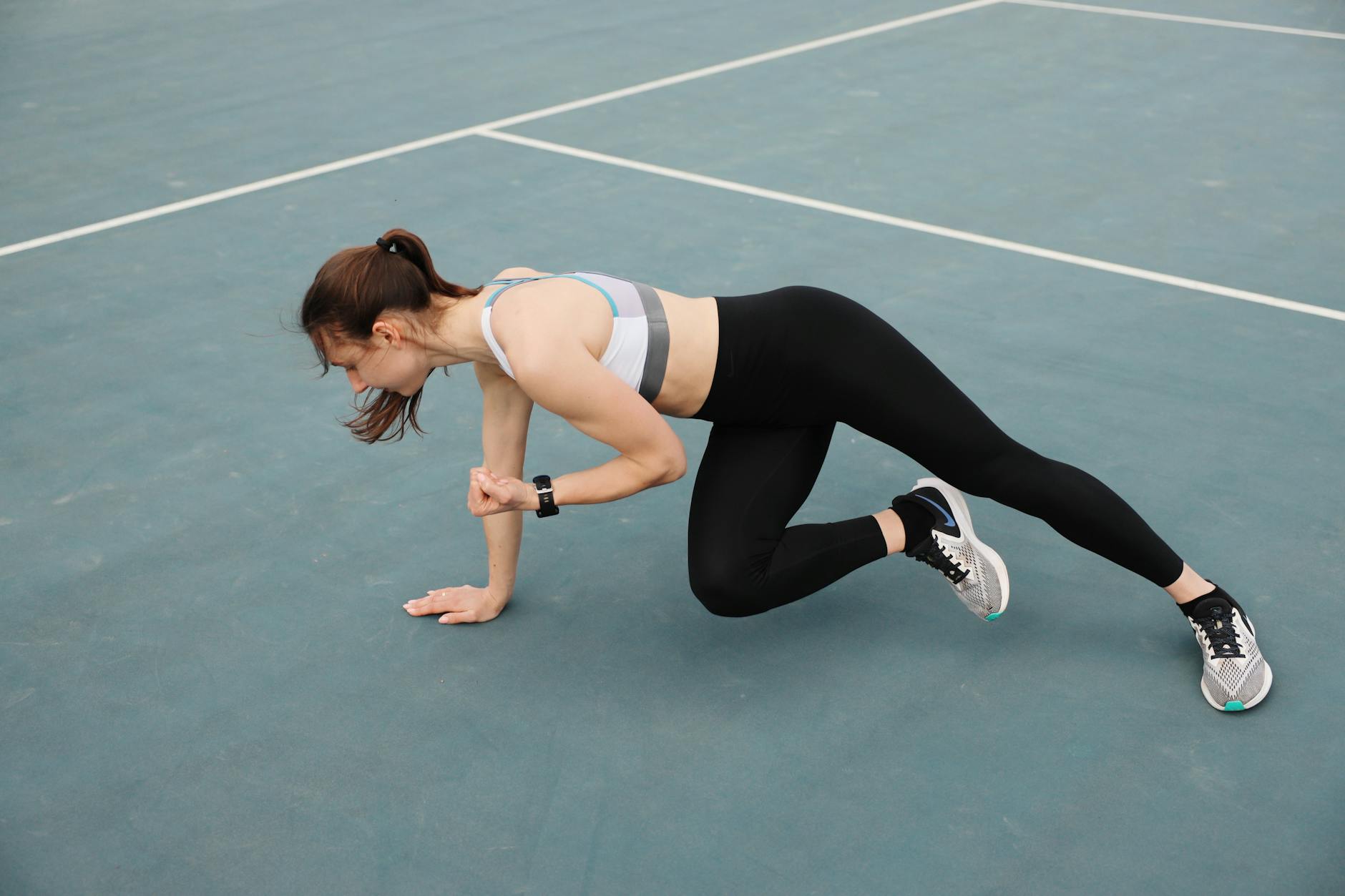
Crafting Your Quick HIIT Workouts
The thought of a "quick workout" might conjure images of something less effective, but with HIIT, shorter often means more potent. The structure is simple: intense bursts, short rests. The challenge, and the fun, comes in designing routines that keep you engaged and push your limits.
Designing Your Intervals
A common structure for quick hiit workouts is the 2:1 or 1:1 work-to-rest ratio. This means for every 2 minutes of intense work, you get 1 minute of rest, or for every minute of work, you get a minute of rest. For shorter, more intense sessions, you might even go for a 30-second work, 15-second rest pattern. The goal is to keep your heart rate elevated during the work periods.
Sample Quick HIIT Circuit
Here’s a straightforward example you can do almost anywhere:
- Jumping Jacks: 45 seconds high intensity, 15 seconds rest.
- High Knees: 45 seconds high intensity, 15 seconds rest.
- Bodyweight Squats: 45 seconds high intensity, 15 seconds rest.
- Push-ups (on knees if needed): 45 seconds high intensity, 15 seconds rest.

Time Efficient Fitness: Beyond Just HIIT
While HIIT is a star player in the time-efficient fitness arena, it's not the only game in town. Incorporating other forms of quick, effective exercise can round out your routine and prevent boredom.
The Power of Compound Movements
Exercises that work multiple muscle groups simultaneously are golden for busy people. Think squats, lunges, push-ups, and rows. These movements engage more of your body, burn more calories, and build functional strength faster than isolation exercises. They are foundational for any effective workouts.
Leveraging Short Bursts Throughout Your Day
You don't always need a dedicated workout slot. Consider incorporating mini-bursts of activity. A quick 5-minute walk around the block can be surprisingly effective, especially if you pick up the pace. You could even look into Spring Walking Plan: Get Fit Outdoors This Season for structured outdoor options, or explore Sunrise Workouts: Boost Fitness with Spring Daylight if early mornings are your only window.

At Home HIIT: Your Personal Gym
One of the biggest hurdles for busy individuals is the commute to a gym. The good news? You don't need fancy equipment or a large space to get an incredible workout. At home HIIT is not only feasible but often more convenient.
Minimal Equipment, Maximum Impact
The beauty of many at home hiit routines is their reliance on bodyweight. Exercises like burpees, mountain climbers, jump squats, and lunges require no equipment at all. If you want to add a little resistance, a set of resistance bands or a jump rope can significantly increase the challenge and variety of your workouts.
Creating a Dedicated Space (Even a Small One)
You don't need a dedicated home gym. A clear patch of floor in your living room or bedroom is sufficient. For those with limited space, there are fantastic Small Space Workouts: Big Results for Spring Fitness that can be adapted for HIIT principles. The key is to have a space where you can move freely and safely.

The Truth About HIIT for Busy People
Here's the truth: HIIT isn't a magic bullet that will instantly transform you without effort. It requires commitment and pushing past your comfort zone. But what nobody tells you is how incredibly rewarding it is when you start seeing the results of your focused effort.
It's About Intensity, Not Just Duration
Many people misunderstand HIIT and treat it like moderate cardio. If you're not feeling breathless and challenged during those work intervals, you're not doing it right. This is where the effectiveness lies. Studies published in journals accessible via National Institutes of Health research on hiit for busy people consistently highlight the metabolic benefits derived from high-intensity efforts.
Listen to Your Body, But Don't Be Afraid to Push
This is crucial, especially for beginners. Start with shorter work intervals and longer rest periods if you need to. Gradually increase the intensity and decrease the rest as your fitness improves. It's a marathon, not a sprint, even though your workout intervals are sprints! The goal is sustainable fitness, and that means avoiding injury.
Beginner HIIT: Getting Started Safely
If you're new to this, the idea of "high intensity" might sound daunting. But I'll be real with you: everyone starts somewhere. The most important thing is to begin with proper form and gradually build up your capacity.
Modifying Exercises for Beginners
Don't feel pressured to do burpees with a jump if you're just starting. A modified burpee without the jump is perfectly fine. Similarly, if full push-ups are too much, drop to your knees. The objective is to engage the muscles and elevate your heart rate. Consistency with modifications is far better than inconsistent attempts at advanced moves.
Focus on Consistency Over Perfection
You might be wondering how often you should do HIIT. For beginners, 2-3 sessions per week are usually sufficient, with rest days in between. This allows your body to recover and adapt. As you get fitter, you can gradually increase the frequency or duration of your sessions. Remember, fitness tips are only useful if you implement them consistently.
Maximizing Fat Burning and Cardio Benefits
One of the most significant draws of HIIT is its ability to torch calories and boost your metabolism, even after the workout is over. This "afterburn effect," also known as EPOC (Excess Post-exercise Oxygen Consumption), is a powerful tool for fat loss.
The EPOC Effect Explained
During intense exercise, your body uses energy rapidly. Afterward, it needs to recover, which requires more oxygen and therefore burns more calories to return to its resting state. This means that even when you're relaxing on the couch after a HIIT session, your body is still working harder to repair and replenish itself, leading to increased fat burning exercises.
Cardio for Busy People: A Superior Approach
Traditional steady-state cardio can be effective, but it often requires a significant time commitment. HIIT provides a more potent cardiovascular stimulus in a much shorter timeframe. The World Health Organization research on hiit for busy people and similar health organizations often point to the efficacy of interval training for improving cardiovascular health and endurance, even for those with limited time.
Integrating HIIT into Your Busy Schedule
Making hiit for busy people a sustainable part of your life requires smart planning and a willingness to adapt. It’s about finding what works for *you* and your unique circumstances.
Morning vs. Evening: Finding Your Sweet Spot
Some people thrive on early morning workouts, feeling energized for the day. Others prefer to de-stress with a session in the evening. Experiment to see when you have the most energy and the fewest distractions. For some, even a quick Sunrise Workouts: Boost Fitness with Spring Daylight might be the perfect start.
The Role of Active Recovery and Flexibility
While HIIT is demanding, don't neglect active recovery. Light activities like walking, stretching, or yoga can aid muscle repair and prevent stiffness. Incorporating sessions like Spring Yoga Flexibility: Master Advanced Poses can complement your HIIT routine beautifully, promoting overall well-being and preventing burnout.
Ultimately, fitting fitness into a busy life is about making conscious choices and prioritizing your health. HIIT offers a powerful, time-efficient solution that can deliver remarkable results. It might push you, but the rewards in terms of energy, health, and confidence are well worth the effort. So, are you ready to stop letting time be your excuse and start making every minute count?