
Here's a hard truth most people in the gym don't want to hear: that relentless pursuit of a visible six-pack is often a waste of time, and sometimes, it can even be detrimental to your overall strength and spinal health. I'll be real with you, I used to be that guy, grinding out hundreds of crunches, thinking I was building an iron-clad midsection. What I was actually doing was neglecting the far more critical deep core muscles that truly stabilize my spine, prevent injury, and transfer power for every other lift. If you're serious about building a strong, resilient body that performs both inside and outside the weight room, you need to rethink your approach to a gym core workout.
Your core is so much more than just the superficial "abs" you see in the mirror. It's an intricate system of muscles, ligaments, and connective tissue that acts as your body's central powerhouse. Neglecting its true function means you're leaving a massive amount of potential on the table, not just for aesthetics but for genuine, functional strength. This isn't about vanity; it's about building a foundation that lasts.
The Real Deal About Your Core: More Than Just Abs
Beyond the Six-Pack Myth
Look, everyone wants a six-pack, I get it. The rectus abdominis, the muscle responsible for that coveted washboard look, is certainly part of your core. However, it's far from the whole story. Focusing solely on exercises that flex your spine, like traditional crunches and sit-ups, primarily targets this superficial muscle. This approach completely overlooks the deeper, more vital muscles like the transverse abdominis, multifidus, and your obliques, which are crucial for spinal stability and bracing.
Honestly, I see too many people doing endless crunches, thinking they're building a strong core, when in reality, they're often just reinforcing poor movement patterns and potentially putting their lower back at risk. A truly strong core resists movement, it doesn't just create it. That's a crucial distinction many miss.
Why a Strong Core is Your Body's Anchor
Think about the last time you lifted something heavy off the floor, or even just bent down to tie your shoe. Every single one of those movements requires your core to stabilize your spine and pelvis. Without that stability, other muscles have to compensate, leading to inefficiencies and, more often than not, injury. Your core is the unsung hero that connects your upper and lower body, allowing for powerful, coordinated movement.
Research, including insights from Harvard Health, consistently highlights the role of a strong core in preventing lower back pain, improving posture, and enhancing athletic performance. It’s not just about looking good; it's about feeling good and moving well through life. This deep, internal strength acts like an anchor, keeping you stable no matter what forces act upon you.
The Core-Full Body Connection
Here's the thing: your core doesn't work in isolation. It's intimately connected to every major compound lift you perform. When you squat, your core braces to keep your spine neutral under load. During a deadlift, it prevents your back from rounding. For an overhead press, it stabilizes your torso, allowing your shoulders and arms to drive the weight upwards. Neglect your core, and you'll hit plateaus faster than you can say "personal best."
Every movement, from a simple bicep curl to a complex snatch, relies on your core to transfer force efficiently. If you're struggling with your Full Body Weight Workout, often the weakest link isn't the primary muscle group you're targeting; it's the lack of stability from your core. It's the silent partner in all your big lifts, and it deserves just as much, if not more, attention.

Designing Your Ultimate Gym Core Workout: Principles That Work
Embracing Anti-Movement: The Core's True Job
This is where many people get it wrong. The primary function of your core isn't to bend and twist your torso; it's to resist unwanted movement. We're talking about anti-extension (resisting your lower back from arching), anti-rotation (resisting your torso from twisting), and anti-lateral flexion (resisting your torso from bending sideways). Once I understood this, my core training completely transformed.
Exercises that challenge these "anti-movements" are incredibly effective for building functional core strength. They teach your core to brace and stabilize under various forces, which is exactly what it needs to do in real-world scenarios and during heavy lifting. This unexpected angle on core training is a game-changer for long-term health and performance.
Progressive Overload for Your Midsection
Just like any other muscle group, your core needs to be challenged progressively to grow stronger. Simply doing more reps of the same easy exercise eventually stops being effective. You need to find ways to make your core routine gym harder over time.
This could mean adding external weight (holding a plate during planks), increasing leverage (longer lever planks), reducing your base of support (single-leg dead bugs), or increasing the duration of holds. For instance, if you can hold a perfect plank for 90 seconds, it's time to add a stability challenge or external load, not just aim for 2 minutes. That's how you build a truly robust core strength gym routine.
Consistency Over Intensity (Most of the Time)
While occasional brutal core sessions have their place, I've found that consistent, focused core work yields far better long-term results. Think about it: your core is active almost all day, every day. It responds well to frequent, quality stimulation. A quick 10-15 minute core routine, 3-4 times a week, focusing on proper form and challenging movements, is often more effective than one exhausting 45-minute session that leaves you sore for days.
Prioritizing consistency helps build endurance in those deep stabilizing muscles. It also allows for better recovery and reduces the risk of overtraining or injury. You might be surprised how much progress you make with this approach.
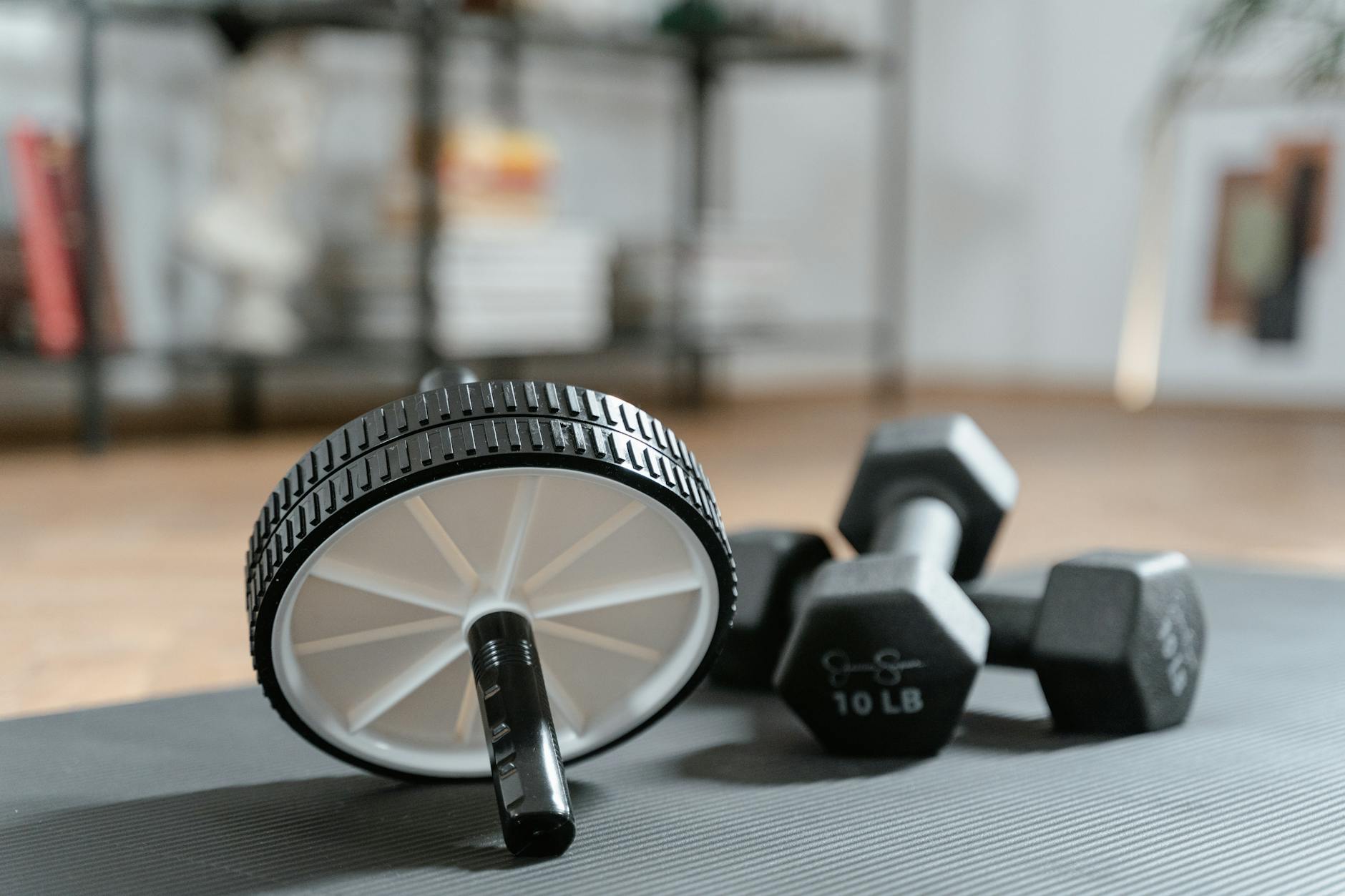
Essential Core Exercises You Need in Your Gym Routine
Foundational Movements: Building Your Base
These exercises are non-negotiable for anyone serious about building a strong core. They might seem simple, but their effectiveness is unparalleled when performed correctly. Mastering these forms the bedrock of any Core Workout at Home or in the gym.
- Plank Variations: Start with a basic forearm plank, focusing on a neutral spine and squeezing your glutes. Progress to side planks, then planks with arm or leg lifts. These are fantastic for anti-extension and anti-lateral flexion.
- Dead Bug: Lying on your back, extend opposite arm and leg simultaneously while keeping your lower back pressed into the floor. This is an incredible anti-extension exercise that teaches core control and coordination.
- Bird Dog: On all fours, extend opposite arm and leg, maintaining a stable torso. Similar to the dead bug, it builds control and stability, focusing on maintaining a neutral spine.
Elevating Your Game with Equipment
Once you've mastered the basics, leveraging gym equipment can add new dimensions to your core exercises gym. These tools allow for greater resistance, instability, and specific movement patterns.
- Cable Chops & Pallof Press: These are my absolute favorites for anti-rotation. With cable core exercises gym, you’re resisting the rotational pull of the cable, forcing your obliques and deep stabilizers to work incredibly hard. The Pallof Press, in particular, is a phenomenal exercise for teaching your body to brace against rotational forces.
- Stability Ball Core Workout Gym: A stability ball introduces an element of instability that forces your core to work overtime. Exercises like stability ball rollouts (an advanced plank variation) or stability ball pikes are fantastic for challenging anti-extension and overall core control.
- Gym Ab Machines: While I'm generally not a huge fan of isolation machines for core training, some can be useful for beginners to feel specific muscle contractions, or for advanced users to add specific resistance. However, be mindful that many ab machines primarily target the rectus abdominis and might not provide the functional stability benefits of free weight or bodyweight movements. Use them sparingly and strategically, not as your primary core routine gym.
Functional Core Training Gym: Real-World Strength
True core strength translates into real-world function. These movements challenge your core in ways that mimic everyday activities and athletic demands.
- Farmer's Walks & Suitcase Carries: Grab a heavy dumbbell or kettlebell in one hand and walk. Your core, especially your obliques, will fire like crazy to prevent your torso from bending sideways. This is the ultimate anti-lateral flexion exercise and a fantastic bodyweight workout plan enhancer when you add external load.
- Landmine Rotations: Using a barbell anchored in a landmine attachment, you can perform powerful rotational movements that engage your entire core in a more dynamic way, building both strength and power.

Integrating Flexibility and Mobility for a Bulletproof Core
The Often-Forgotten Partner: Core and Flexibility
You can have the strongest core muscles in the world, but if your hips are tight, your hamstrings are like steel cables, or your thoracic spine is stiff, your core won't be able to function optimally. Tightness in surrounding areas can inhibit proper core engagement and even lead to compensation patterns. For example, tight hip flexors can pull your pelvis into an anterior tilt, making it harder for your abs to engage effectively.
Incorporating flexibility and mobility work is absolutely crucial for a truly functional and pain-free core. Think of your body as a kinetic chain; a weak or stiff link anywhere affects the whole system. Exploring Types of Flexibility Exercises and Dynamic flexibility exercises can significantly enhance your core's performance by allowing it to move through its full range of motion.
Breathing: Your Deepest Core Connection
This one surprised me when I first truly understood it, but your breath is intricately linked to your core strength. The diaphragm, your primary breathing muscle, works in concert with your deep core muscles (transverse abdominis, pelvic floor, multifidus) to create intra-abdominal pressure. This pressure acts like an internal brace, stabilizing your spine from the inside out. Most people breathe shallowly, using accessory muscles, completely bypassing this incredible built-in stabilization system.
Learning to breathe diaphragmatically – expanding your belly, not just your chest – is a fundamental skill for a truly strong core. Before any heavy lift, taking a deep, belly breath and bracing effectively is paramount. It’s a core exercise in itself, one that many overlook despite its profound impact on overall stability and strength, as highlighted by various National Institutes of Health research on gym core workout.
Specific Stretches for Core Health
To support your core work, include stretches that improve mobility in areas that often get tight and restrict core function. These aren't direct core exercises, but they enable your core to do its job better.
- Cat-Cow: This gentle spinal articulation helps improve thoracic and lumbar mobility, crucial for a flexible, strong back.
- Thoracic Rotations: Lying on your side with knees bent, rotate your upper body to open up your chest and upper back. This directly impacts your ability to rotate efficiently and without compensation from your lower back.
- Hip Flexor Stretches: Kneeling hip flexor stretches can release tension that often pulls your pelvis out of alignment, making it easier to engage your lower abs.
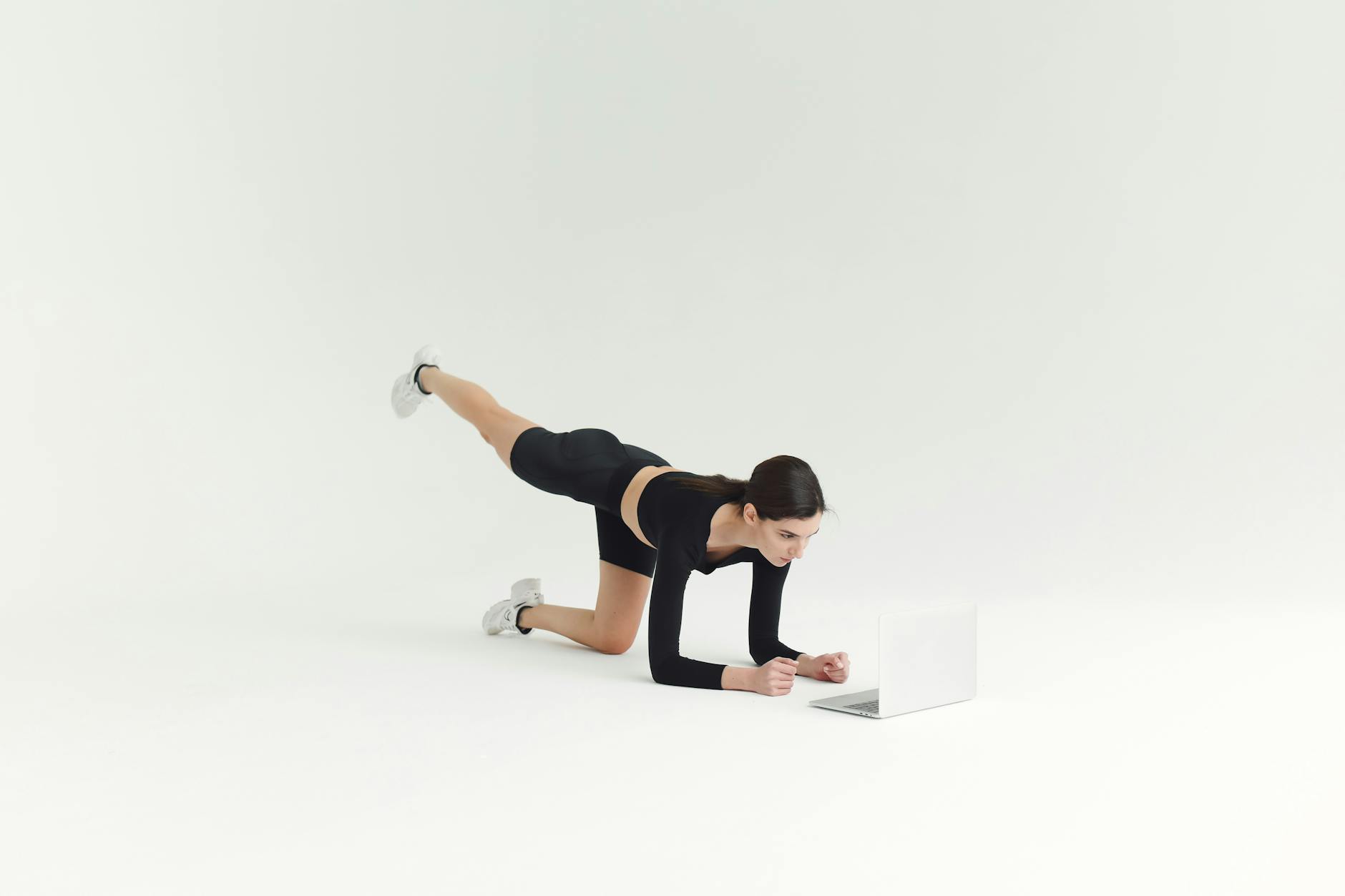
Crafting Your Core Routine: Beginner to Advanced
Starting Strong: A Beginner Core Workout Gym
If you're just starting, focus on mastering the basics with perfect form. Don't rush into advanced movements. Here’s a simple, effective routine you can do 2-3 times a week:
- Plank: 3 sets, hold for 30-45 seconds
- Side Plank: 3 sets per side, hold for 20-30 seconds
- Dead Bug: 3 sets of 8-12 reps per side (slow and controlled)
- Bird Dog: 3 sets of 10-15 reps per side
- Farmer's Walk: 3 sets, walk for 30-45 seconds per hand (start light)
Upping the Ante: Advanced Core Workout Gym
Once you've built a solid foundation and can perform the beginner exercises with ease, it’s time to introduce more complex and challenging movements. This is where your best core workout gym truly begins to shine.
- Cable Pallof Press: 3 sets of 10-12 reps per side (heavy enough to challenge stability)
- Cable Chops (High-to-Low or Low-to-High): 3 sets of 10-12 reps per side
- Stability Ball Rollouts: 3 sets of 8-12 reps (focus on full extension without arching back)
- Hanging Leg Raises (or Knee Raises): 3 sets of 10-15 reps (control the descent)
- Landmine Rotations: 3 sets of 10-12 reps per side
Listening to Your Body: The Smart Approach
No matter your level, always prioritize form over quantity or weight. A poorly executed exercise provides minimal benefit and significantly increases your risk of injury. If you feel pain, stop. If you can't maintain perfect form, reduce the weight or scale back the exercise. Your core is too important to risk damaging it.
Remember, recovery is just as vital as the workout itself. Give your core muscles time to rest and rebuild, especially after an intense gym ab workout. Sometimes, scaling back and focusing on mobility or lighter work is the smartest move for long-term progress.
My Personal Take: Why Consistency Trumps Everything
The Long Game of Core Strength
Building a truly strong, resilient core is a marathon, not a sprint. It takes consistent effort, patience, and a willingness to learn and adapt. There's no magic exercise or quick fix. It's about building habits, understanding your body, and showing up even when you don't feel like it. I've seen countless people chase the quick aesthetic fix, only to find themselves injured or frustrated. The real rewards come to those who commit to the process.
My "Aha!" Moment: From Isolation to Integration
For years, I treated my ab workout for gym as a separate entity, a few quick sets at the end of my session. I thought I was strong. Then, during a particularly challenging Olympic lifting cycle, I realized my entire power output was being limited by my inability to brace properly. My core wasn't integrating with my other lifts. It wasn't until I started focusing on anti-movement exercises and truly understanding diaphragmatic breathing that my lifts exploded, and my nagging lower back pain disappeared. It was a revelation.
Your Next Step: Just Start
Stop chasing the superficial. Start building a core that truly supports you, empowers your movements, and protects your spine. Begin with the foundational exercises, learn to brace properly, and progressively challenge yourself. Don't let fear of looking silly doing a Dead Bug stop you from building a body that performs at its peak. Your body will thank you for it, not just in the gym, but in every aspect of your life.