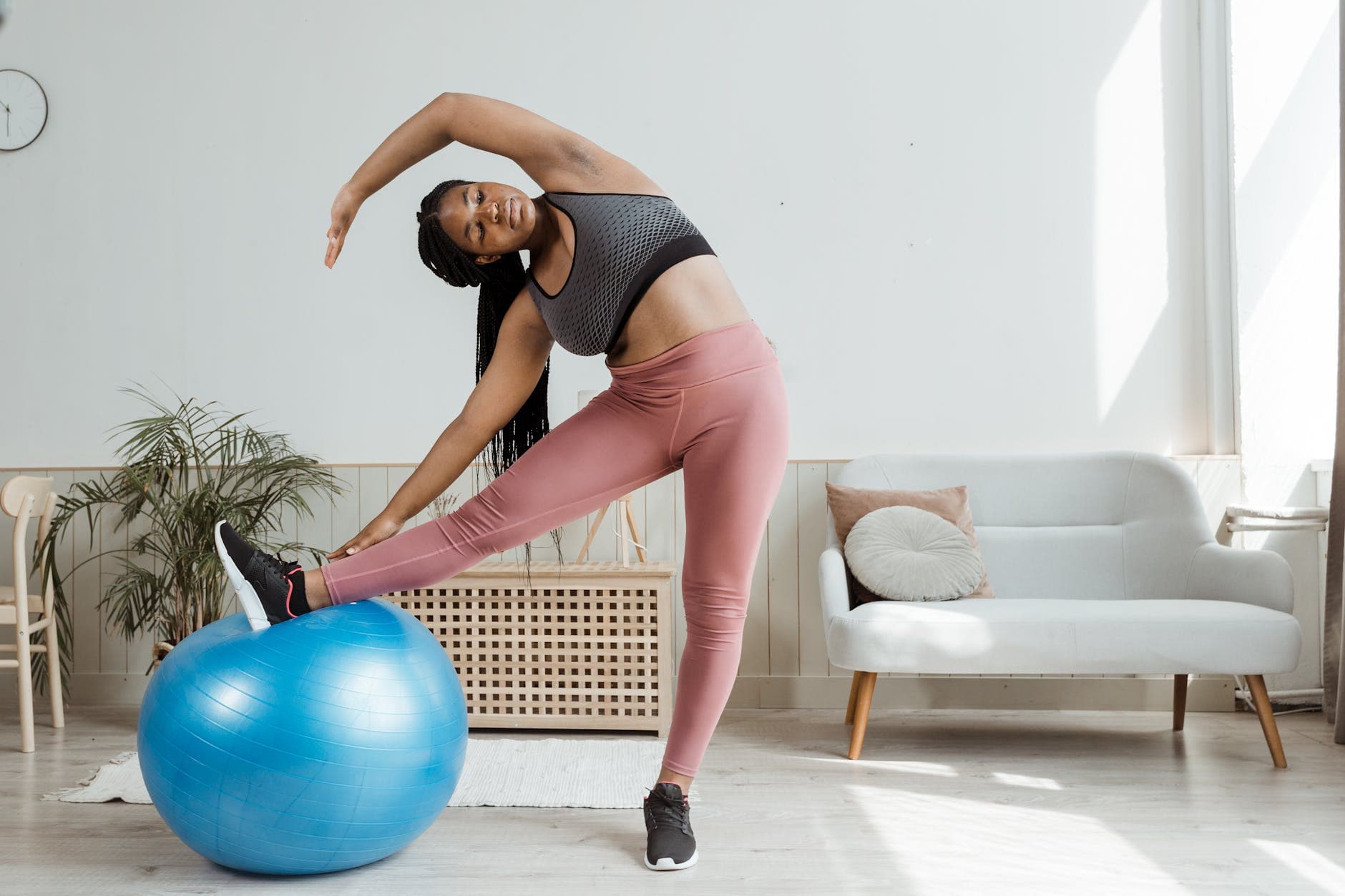
The Truth About the "Best Stretching Routine"
Let's cut through the noise. You've probably seen a million articles promising *the* best stretching routine, the one that will magically unlock unicorn-level flexibility overnight. Honestly, I used to think that too. But here's the thing: there isn't a single, universally perfect stretching routine that fits everyone. What works wonders for my friend Sarah, who runs marathons, might feel totally wrong for my dad, who just wants to touch his toes without groaning. The real "best stretching routine" is the one that fits *your* life, *your* body, and *your* goals. It's about consistency, understanding your needs, and doing it right.
Why Most People Get This Wrong
People often think stretching is just about holding a pose until you feel a pull. That’s only part of the picture, and frankly, it’s often the less effective part if you don't know what you're doing. We're talking about a whole ecosystem of movement, recovery, and preparation.
The Myth of the One-Size-Fits-All
The biggest misconception is that a rigid, pre-set routine is the ultimate answer. Your body changes daily. Some days you're tight from sitting at a desk all day; other days, you might feel looser after a brisk walk. A truly effective stretching plan needs to be adaptable.
Stretching as an Afterthought
Another common pitfall is treating stretching as something you only do after a killer workout, or worse, skipping it altogether. This is where you miss out on so many of the incredible benefits, like improved mobility and reduced risk of injury. It's not just an add-on; it's a vital component of a healthy lifestyle.
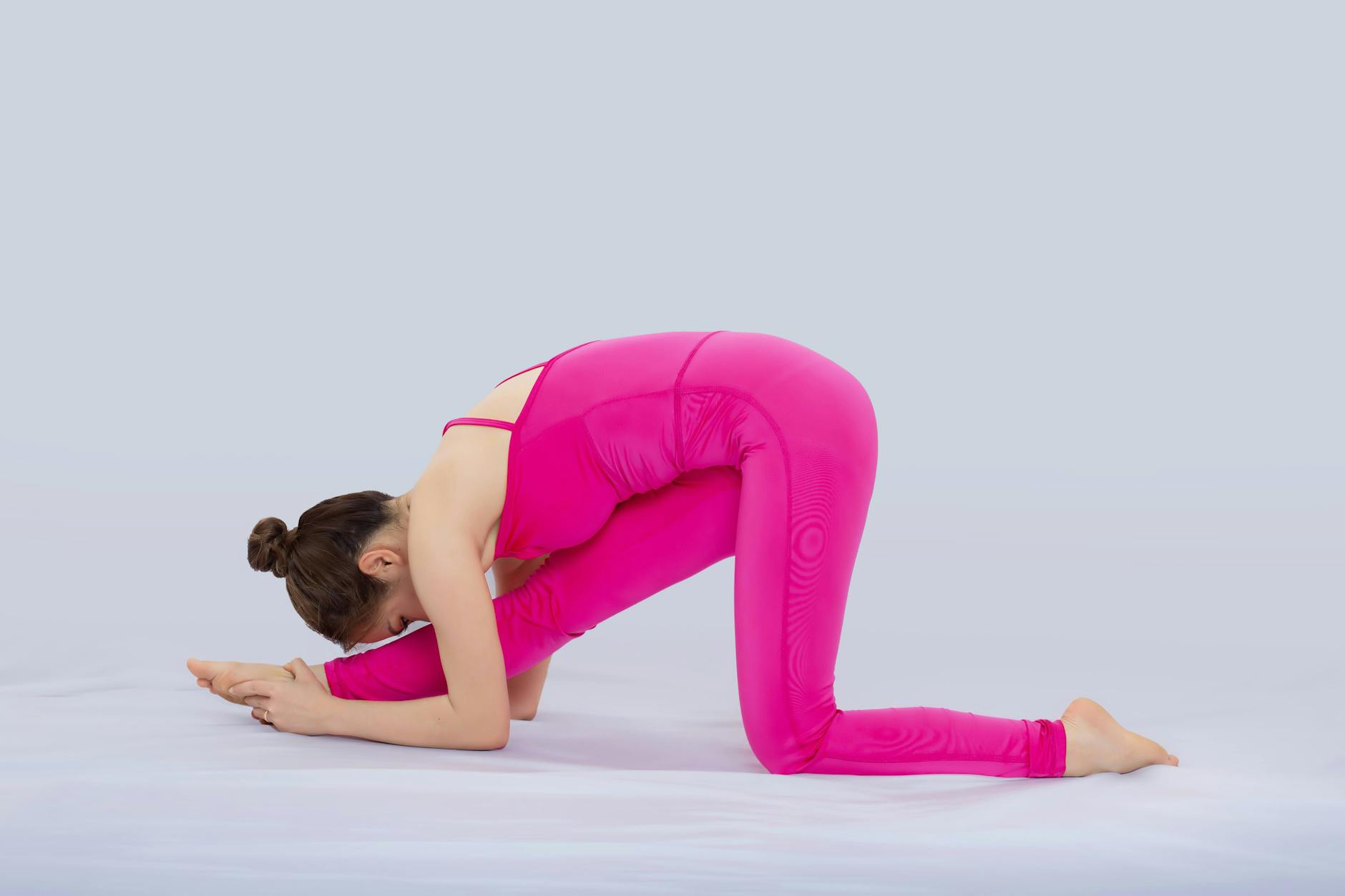
The Undeniable Benefits of Making Stretching a Habit
Look, I'll be real with you. When I first started taking stretching seriously, it wasn't because I was a guru. It was because my lower back was screaming at me after long days. Once I committed to a consistent practice, the changes were undeniable. It’s not just about touching your toes, though that’s a nice perk.
More Than Just Flexibility
Stretching is a powerful tool for improving your overall physical well-being. It enhances your range of motion, making everyday activities easier and more fluid. Think about reaching for something on a high shelf or bending down to tie your shoes – smoother movements mean less strain.
Improved Athletic Performance
For anyone involved in sports or regular exercise, better flexibility translates directly to better performance. You can achieve deeper squats, more powerful swings, and a wider stride. It’s about unlocking your body’s full potential. Want to improve your Lower Body Exercises: Burn Fat & Build Muscle Fast? Better hamstring flexibility, for instance, is key.
Pain Relief and Injury Prevention
This one surprised me the most. Regular stretching can significantly reduce muscle soreness and aches. By lengthening tight muscles, you alleviate pressure on joints and reduce the likelihood of strains and sprains. It’s a proactive approach to keeping your body healthy and resilient. Many people find relief from chronic pain through targeted Stretching Exercises: Boost Flexibility & Reduce Pain Today.
Mental Well-being Boost
The benefits aren't purely physical. The act of stretching, especially when done mindfully, can be incredibly calming. It’s a chance to connect with your body, release tension, and clear your head. This can be a game-changer for stress management.
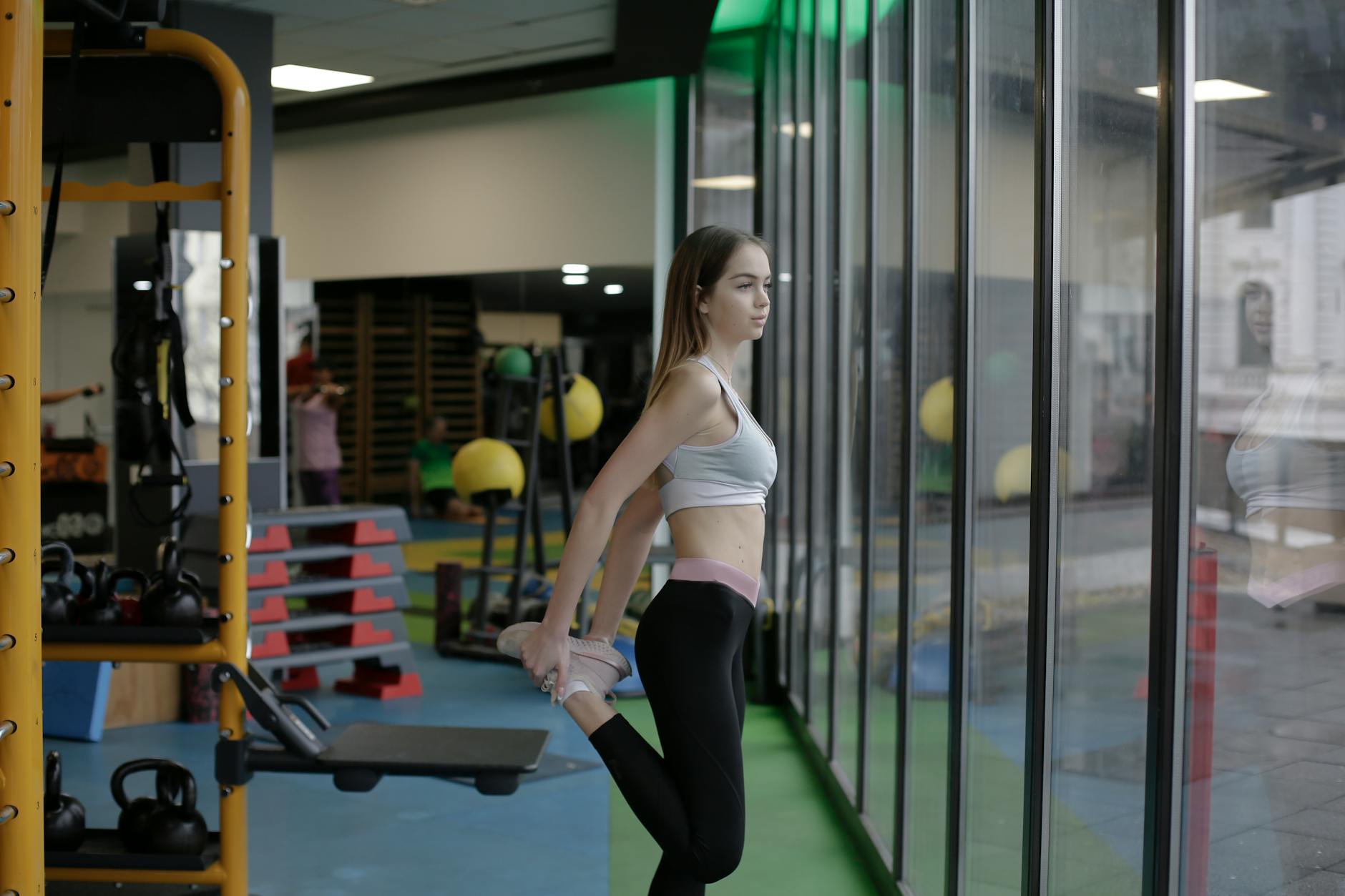
Crafting Your Personalized Best Stretching Routine
So, how do we build this "best stretching routine"? It starts with understanding the types of stretching and when to use them. It’s not just about static holds.
Dynamic vs. Static: Knowing the Difference
Dynamic stretching involves moving your body through a range of motion. Think arm circles, leg swings, or torso twists. This is fantastic for warming up your muscles before a workout, getting blood flowing and preparing your body for movement. It’s like gently coaxing your muscles awake.
Static stretching, on the other hand, involves holding a stretch for a period, typically 20-30 seconds. This is best done after your workout when your muscles are warm and more receptive to lengthening. Overdoing static stretching before activity can actually decrease performance, which is why many experts recommend it for cool-downs or separate flexibility sessions. You might be surprised to learn that recent National Institutes of Health research on best stretching routine highlights this distinction.
When to Use Each
For a morning stretching routine, I often lean towards dynamic movements. A few minutes of gentle joint rotations and controlled leg swings can shake off sleepiness and prepare you for the day. If you’re feeling particularly stiff, you can incorporate some very gentle, short-hold static stretches, but the focus is on waking up the system.
Conversely, a bedtime stretching routine is the perfect time for static stretches. Holding poses for a bit longer allows your muscles to relax and release the day’s tension. This can significantly improve sleep quality. Think about slowly releasing the tightness from your hips and shoulders.
The Full Body Approach
To truly have the best stretching routine, you need to address your whole body. Neglecting certain areas can lead to imbalances that cause pain or injury down the line. A full body stretching routine ensures you’re hitting all the major muscle groups.
Key Areas to Focus On
Neck and Shoulders: Gentle neck tilts and shoulder rolls are crucial, especially if you spend a lot of time at a computer. Tightness here can lead to headaches and upper back pain.
Chest and Upper Back: Chest openers, like clasping hands behind your back and lifting, counteract the hunched-over posture many of us adopt. Thoracic rotations are also excellent for spinal mobility.
Hips and Glutes: These are often incredibly tight from sitting. Pigeon pose (modified, of course), butterfly stretch, and hip flexor stretches are game-changers. If you’re looking to improve your Hamstring Flexibility Exercises: Boost Your Range of Motion, you’ll find that hip mobility is closely linked.
Legs: This includes quads, hamstrings, calves, and inner thighs. Lunges with a twist, hamstring stretches (like reaching for your toes or using a strap), and calf stretches against a wall are essential.
Core and Lower Back: Gentle twists and cat-cow poses can help release tension in the lower back. Remember, the goal isn't to force anything, but to gently encourage movement and release.
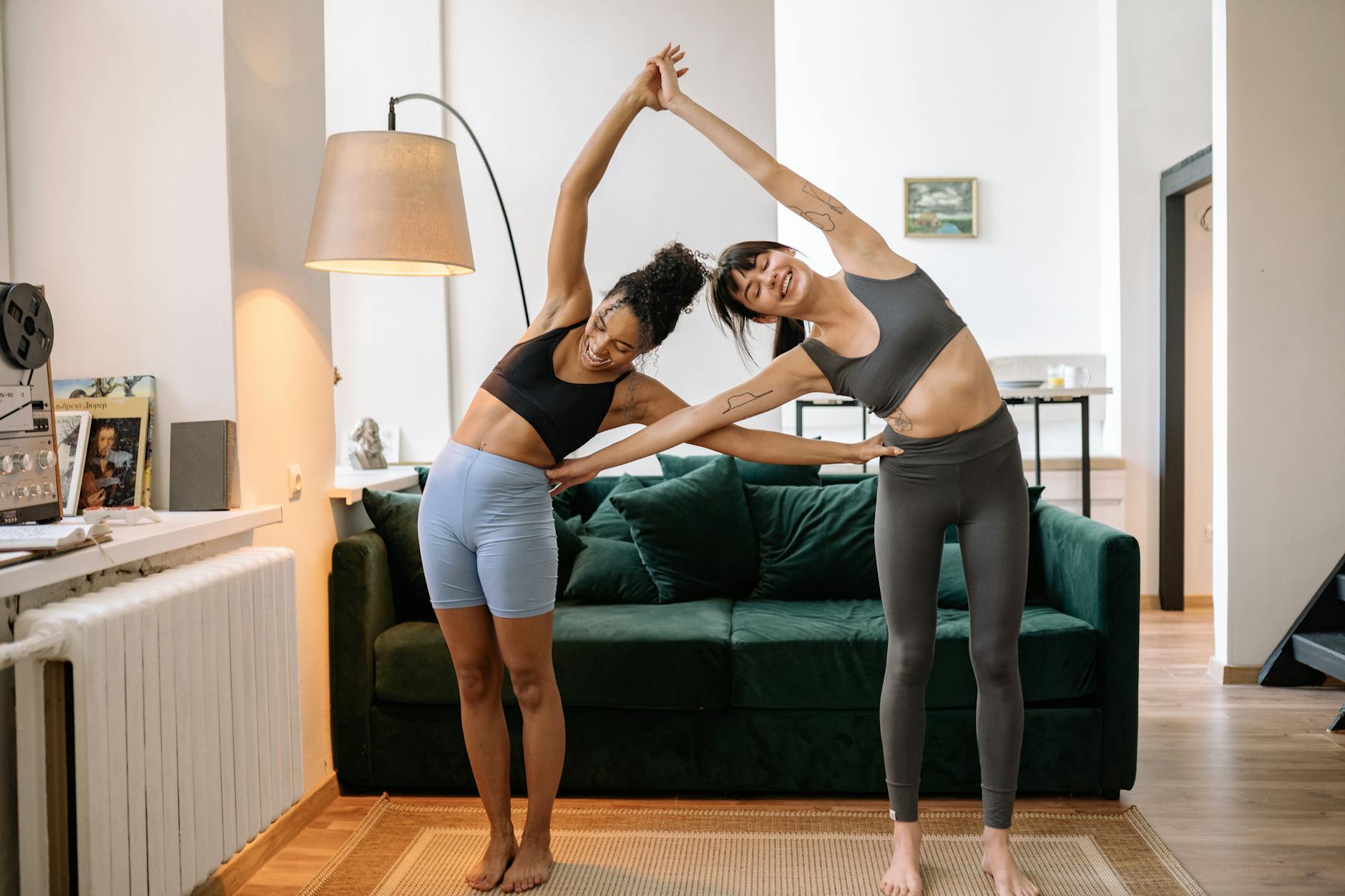
Putting It All Together: Sample Routines
Now, let's get practical. Remember, these are templates. You'll want to adjust them based on how your body feels.
Your Morning Wake-Up Call (Dynamic Focus)
This routine is designed to get you moving and feeling ready for the day. Aim for 5-10 minutes.
Gentle Beginnings
Joint Rotations: Start with slow, controlled circles of your wrists, elbows, shoulders, hips, knees, and ankles. Do 5-10 circles in each direction for each joint. This is a fantastic way to lubricate your joints without any strain.
Dynamic Movements
Arm Circles: Small forward and backward circles, gradually increasing the size. 10-15 each way.
Leg Swings: Hold onto a wall or chair for balance. Swing one leg forward and backward in a controlled arc, then side to side. 10-15 reps per leg, per direction.
Torso Twists: Stand with feet shoulder-width apart, hands on hips or arms extended. Gently twist your torso from side to side. 10-15 twists each way.
Cat-Cow Pose: On your hands and knees, alternate between arching your back (cow) and rounding your spine (cat). 5-10 repetitions. This is a classic for spinal mobility, great for anyone starting out with Beginner Exercises: Easy Workouts for a Strong Start.
Your Evening Wind-Down (Static Focus)
This routine is about relaxation and releasing tension. Aim for 10-15 minutes.
Deeper Stretches
Child's Pose: Kneel on the floor, then sit back on your heels. Fold your torso forward, resting your forehead on the floor and extending your arms forward or alongside your body. Hold for 30-60 seconds, breathing deeply.
Supine Spinal Twist: Lie on your back, knees bent. Let your knees fall to one side while turning your head to the opposite side. Keep your shoulders grounded. Hold for 30 seconds per side. This is excellent for releasing tension in your back.
Hamstring Stretch (Lying Down): Lie on your back and loop a towel or strap around one foot. Gently pull the leg towards you, keeping it as straight as possible. Hold for 30 seconds per side. This is a staple for improving hamstring flexibility.
Quad Stretch (Standing or Lying): Standing, grab your ankle and gently pull your heel towards your glute. If standing is difficult, you can do this lying on your side. Hold for 30 seconds per side.
Figure-Four Stretch (Hips): Lie on your back, bend your knees, and place one ankle on the opposite knee. Reach through and gently pull the bent leg towards your chest. Hold for 30 seconds per side. This is fantastic for tight hips.
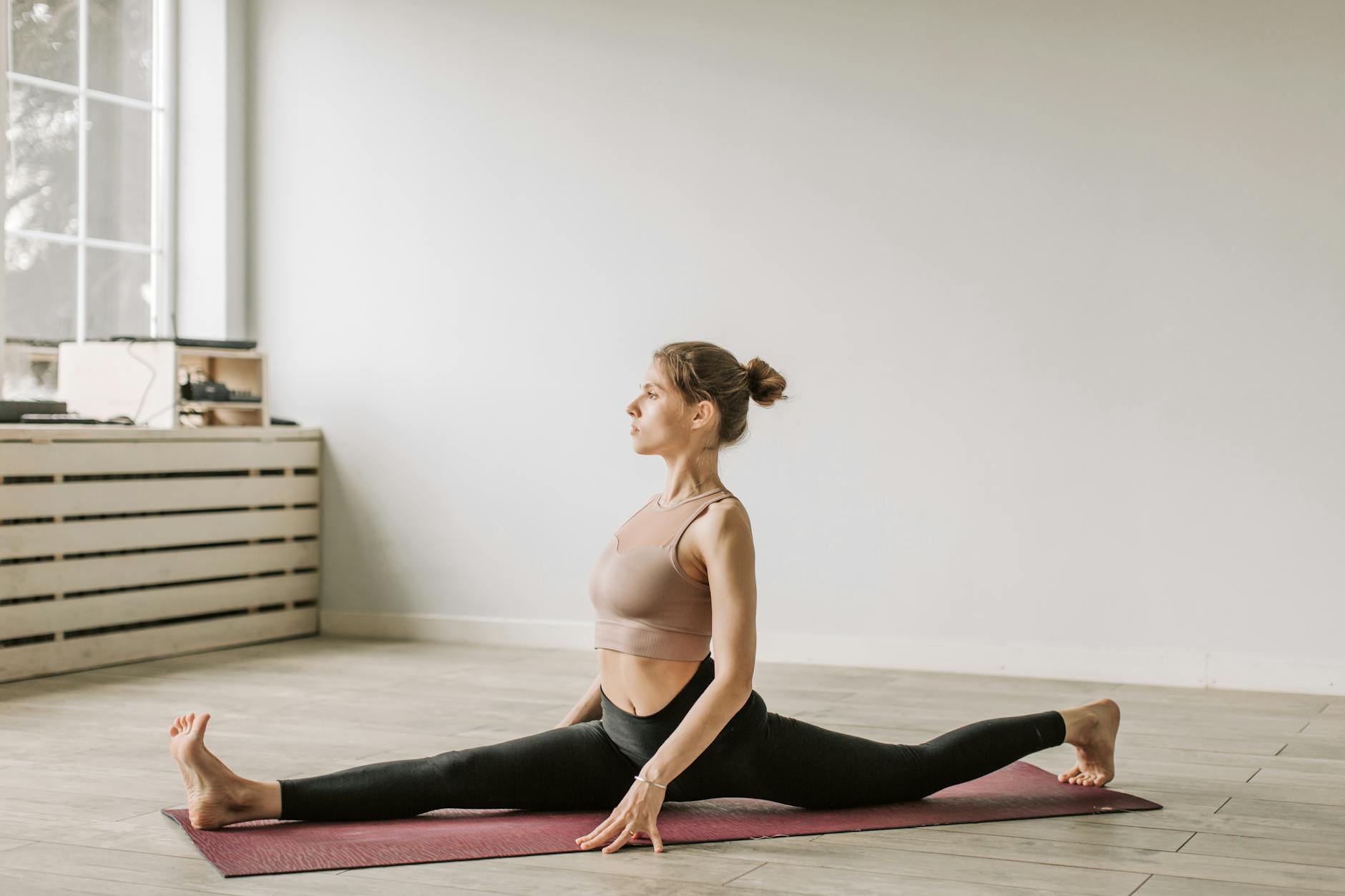
How to Stretch Properly: The Nuances Matter
You can have the most comprehensive routine, but if you’re not stretching correctly, you won’t get the full benefits, and you might even cause harm.
Listen to Your Body
This is non-negotiable. You should feel a gentle pull, a sense of mild tension, but never sharp pain. If you feel pain, ease up immediately. Pushing too hard is counterproductive and can lead to injury. Your body is constantly giving you feedback; learn to interpret it.
Breathing is Key
Seriously, don't underestimate the power of your breath. When you exhale, your muscles tend to relax. So, as you deepen into a stretch, focus on slow, deep breaths. Imagine breathing into the tightest part of your body and exhaling the tension. This is a core principle in many Full Body Stretch: Your Ultimate Routine for Flexibility practices.
Consistency Over Intensity
I’d rather you do 5 minutes of stretching every single day than an hour-long session once a month. Consistency builds lasting flexibility and resilience. It’s about creating a habit that your body comes to rely on. Think of it like watering a plant – a little bit every day does more good than a deluge once in a while.
The Role of Hydration and Nutrition
While not directly part of the stretching *routine*, staying hydrated and eating a balanced diet supports muscle health and recovery. Dehydrated muscles are more prone to stiffness and injury. Good nutrition provides the building blocks for muscle repair and growth, which in turn supports your flexibility goals. It’s all interconnected, just like how proper nutrition is vital for effective Lower Body Exercises: Burn Fat & Build Muscle Fast.
When to Seek Professional Guidance
Sometimes, despite your best efforts, you might still struggle with tightness, pain, or limited mobility. That’s perfectly okay, and it’s a sign that you might benefit from expert help.
Understanding Your Specific Needs
If you have pre-existing conditions, chronic pain, or are recovering from an injury, a generic routine might not be suitable. A physical therapist or a certified flexibility coach can assess your unique situation and create a tailored plan. They can identify specific muscle imbalances or movement patterns that need addressing.
The Power of a Professional Assessment
A professional can spot things you’d never notice. They can assess your posture, your gait, and how your body moves during specific exercises. This personalized approach can be the difference between slow progress and significant improvement. For instance, if you’re experiencing persistent knee pain during certain Lower Body Exercises: Burn Fat & Build Muscle Fast, a professional can help determine if tight hamstrings or hip flexors are contributing factors.
Ultimately, the "best stretching routine" is a journey of self-discovery. It’s about listening to your body, being consistent, and understanding that flexibility is a skill that can be developed over time. Start small, stay dedicated, and celebrate the progress you make. Your body will thank you for it.