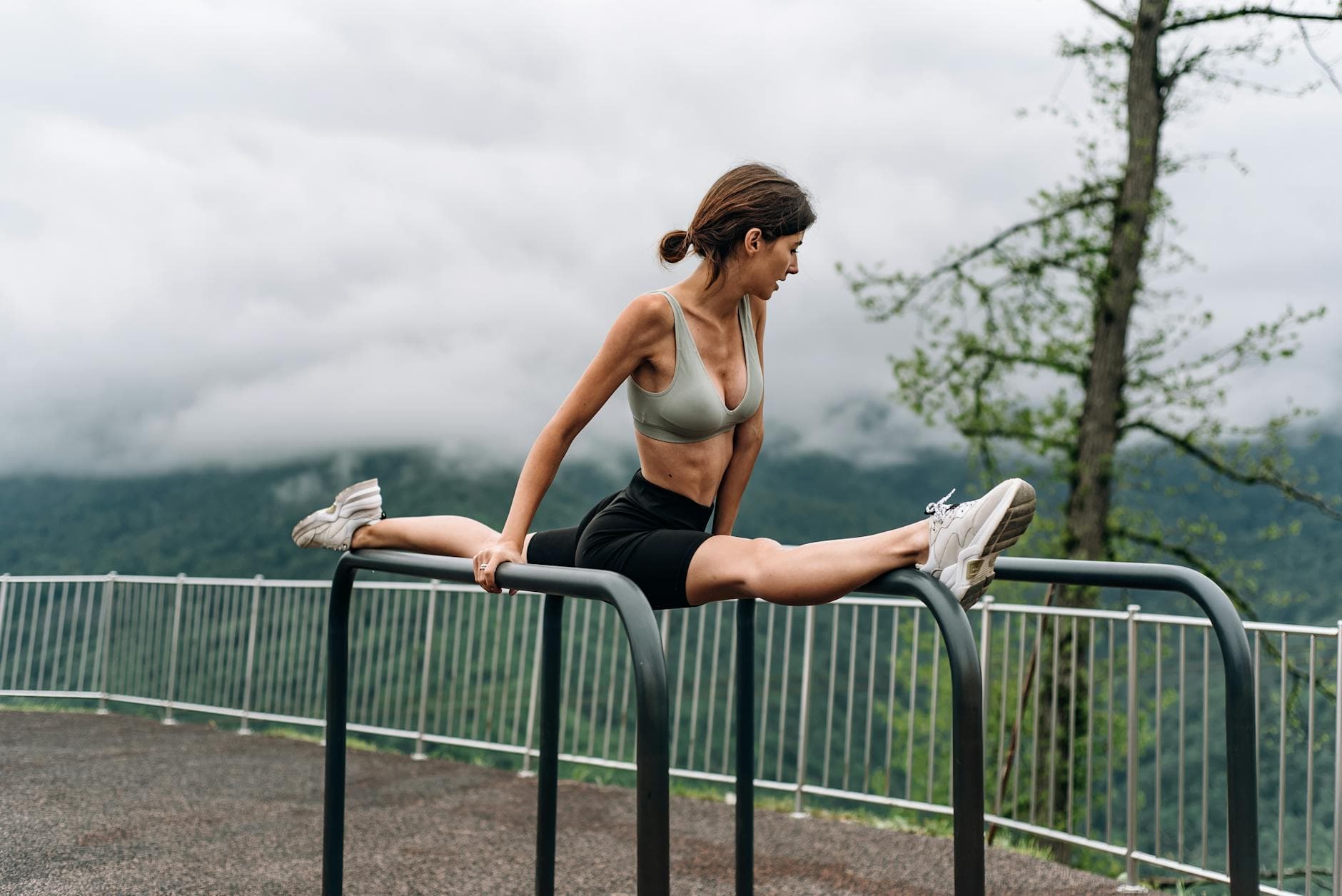
The late afternoon sun was slanting through the gym windows, casting long shadows. You’re there, feeling that familiar burn, but the focus is all on the upper body. Biceps curls, overhead presses, chest flyes. It’s a classic scene. But then you catch a glimpse of your reflection, or maybe you’re just feeling it in your stride later that day – a certain… imbalance. You know, deep down, that neglecting your lower body is like building a skyscraper on shaky foundations. That’s why mastering your lower body exercises is so crucial, not just for aesthetics, but for overall strength, stability, and functional movement.
Building a Powerful Foundation: Why Lower Body Matters
You see it all the time. People who can bench press a small car but struggle to walk up a flight of stairs without feeling winded. It’s a shame, really, because your legs and glutes are your body's powerhouse. They’re the largest muscle groups, and when you train them effectively, the ripple effects are immense. Think about everyday life: lifting groceries, playing with your kids, even just standing tall. All of this relies heavily on your lower body.
The Strength You Don't See
Everyday Functionality
This isn't just about looking good in shorts, though that's a nice perk. It’s about having the physical capacity to do the things you want to do, without limitation. Stronger legs mean better balance, which can prevent falls, especially as we age. They contribute to better posture and can even alleviate lower back pain by providing a stable base for your entire kinetic chain.
Metabolic Powerhouse
Here's a fact that often surprises people: training your lower body can seriously boost your metabolism. Because these muscles are so large, they burn a significant amount of calories both during your workout and long after you’ve finished. This means that consistently engaging in lower body exercises can be a game-changer for weight management and overall body composition. It’s a smart investment for long-term health.
Beyond Aesthetics: The Functional Advantage
Injury Prevention
Weak glutes and hamstrings are a major contributor to knee and lower back injuries. When these muscles aren't strong enough to do their job, other parts of your body compensate, leading to strain and potential damage. Think of your glutes as the natural shock absorbers for your body. Strengthening them is like putting premium tires on your car – they handle the bumps much better.
Performance Enhancement
Whether you’re a runner, a hiker, a cyclist, or just someone who wants to feel more athletic, a strong lower body is non-negotiable. Explosive power for jumping, endurance for long distances, and stability for quick changes in direction all stem from well-trained quads, hamstrings, glutes, and calves. You’ll notice a difference not just in the gym, but in any activity you pursue.
Mastering the Classics: Essential Lower Body Exercises
When we talk about lower body exercises, there are some foundational movements that you absolutely need to have in your repertoire. These are the cornerstones that build strength and muscle efficiently. You don't need fancy machines or a huge gym to get a killer workout; many of these can be done with just your bodyweight.
The King of Movements: Squats
Squats are, in my opinion, the most fundamental lower body exercise. They work your quadriceps, hamstrings, and glutes all at once, and can be modified to suit any fitness level.
Bodyweight Squats: The Starting Point
Begin by standing with your feet shoulder-width apart, toes pointing slightly outward. Keep your chest up and your core engaged. Lower your hips as if you're sitting back into a chair, aiming to get your thighs parallel to the floor. Push through your heels to return to the starting position. Don't let your knees cave inward.
Goblet Squats: Adding Resistance
Hold a dumbbell or kettlebell at your chest with both hands. This variation helps you maintain an upright torso and can improve your squat depth. The added weight significantly increases the challenge and promotes greater muscle activation.
Barbell Back Squats: The Ultimate Test
This is where you can really load up the weight. With a barbell across your upper back, perform the squat movement as described. Proper form is paramount here to avoid injury. If you’re new to this, seriously, get a coach or an experienced friend to watch you. It’s worth the initial investment.
Lunges: Unilateral Power
Lunges are fantastic for working each leg independently, which helps to identify and correct muscle imbalances. They also challenge your balance and core stability.
Forward Lunges
Step forward with one leg, lowering your hips until both knees are bent at approximately a 90-degree angle. Your front knee should be directly above your ankle, and your back knee should hover just off the floor. Push off your front foot to return to the starting position.
Reverse Lunges
Stepping backward can sometimes be easier on the knees for many people. From a standing position, take a large step backward, lowering your hips until both knees are bent at roughly 90 degrees. Again, ensure your front knee stays aligned over your ankle.
Walking Lunges
This is a dynamic variation that keeps your heart rate up and demands continuous balance. As you step forward into a lunge, immediately bring your back leg forward to step into the next lunge, essentially walking with the movement.
Deadlifts: The Full-Body Builder (with a Lower Body Focus)
While deadlifts work your entire posterior chain and much of your upper body, they are an absolute titan for hamstring and glute development. This is an exercise where form is *everything*.
Conventional Deadlifts
Stand with your feet hip-width apart, with the barbell in front of your shins. Hinge at your hips and bend your knees to grip the bar just outside your shins. Keep your back straight, chest up, and shoulders pulled back. Drive through your heels and lift the bar, keeping it close to your body, until you are standing tall. Lower the bar with control, reversing the motion.
Romanian Deadlifts (RDLs): Hamstring Focus
RDLs are a fantastic way to isolate the hamstrings and glutes. With a barbell or dumbbells, stand with a slight bend in your knees. Keeping your back straight, hinge at your hips and lower the weight down your legs, feeling a stretch in your hamstrings. Only go as low as you can maintain a flat back. Squeeze your glutes to pull yourself back up.
No Equipment? No Problem: Bodyweight Leg Exercises
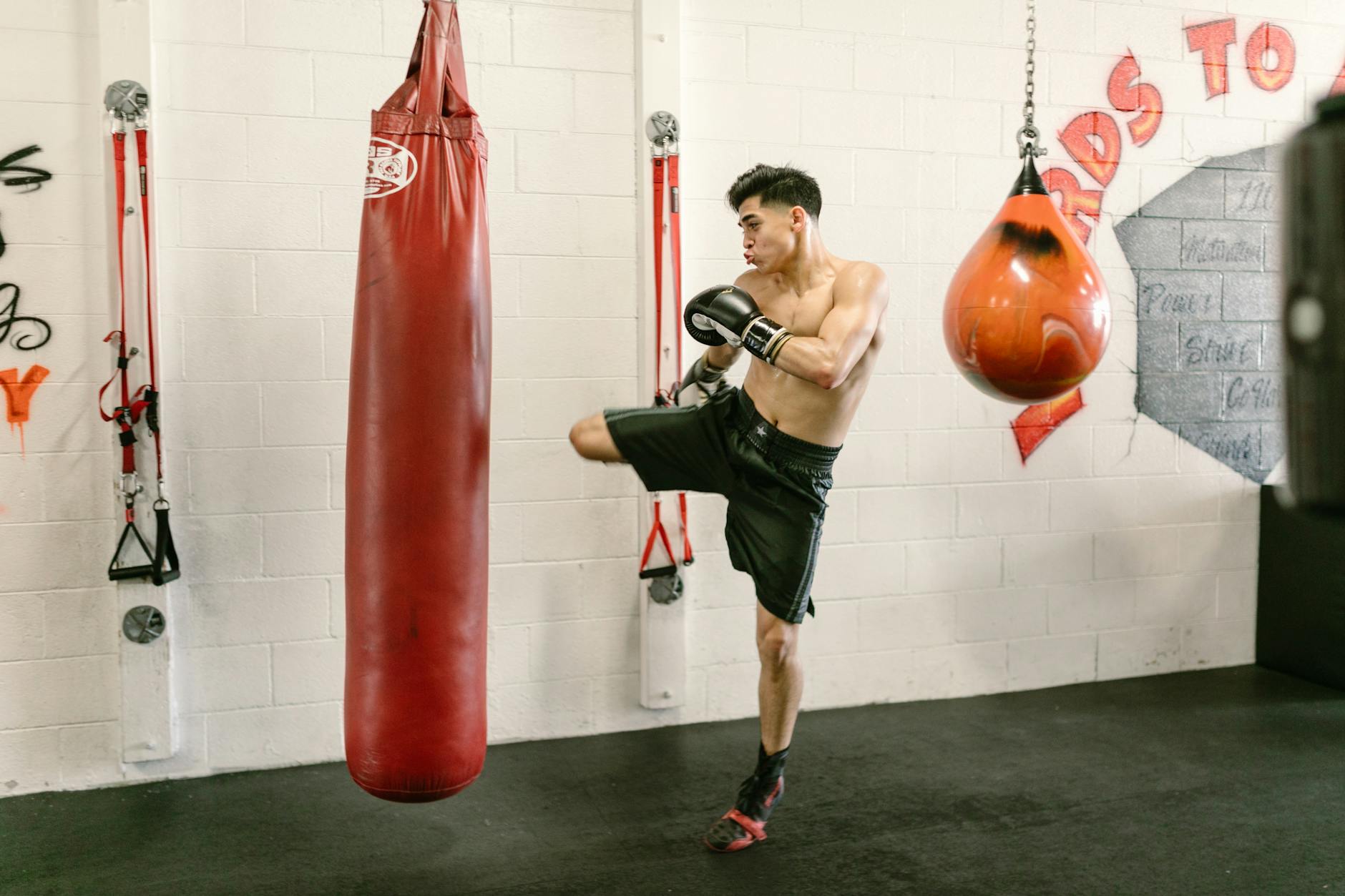
You don't need a gym membership or a fancy home setup to get a killer lower body workout. Many incredibly effective exercises rely solely on your own bodyweight, making them perfect for an at home leg workout or when you're traveling.
Glute Bridges: Activating Your Seat
This is a deceptively simple exercise that’s brilliant for waking up your glutes. Lie on your back with your knees bent and feet flat on the floor, hip-width apart. Squeeze your glutes and lift your hips off the floor until your body forms a straight line from your shoulders to your knees. Hold briefly at the top, focusing on that glute contraction, and then lower with control.
Single-Leg Glute Bridges
For an increased challenge, extend one leg straight out in front of you while performing the glute bridge. This forces the working glute to do even more of the lifting.
Calf Raises: Don't Forget Your Lower Legs
Calves often get overlooked, but strong calves are essential for athletic performance and ankle stability.
Standing Calf Raises
Stand with your feet flat on the floor. Rise up onto the balls of your feet, lifting your heels as high as possible. Hold the contraction at the top for a second, then slowly lower your heels back down. You can perform these on a step to increase the range of motion.
Seated Calf Raises
If you have access to a weight plate or even a heavy book, you can do seated calf raises. Sit on a chair with your feet flat and place the weight on your thighs just above your knees. Lift your heels off the ground.
Pistol Squat Progressions: The Ultimate Bodyweight Challenge
The pistol squat is a single-leg squat that looks incredibly impressive, but it takes time and practice to achieve.
Assisted Pistol Squats
Start by holding onto a sturdy object, like a door frame or a TRX strap. Perform a single-leg squat, using the support to maintain balance and control. As you get stronger, gradually reduce your reliance on the support.
Box Pistol Squats
Squat down onto a stable box or bench with one leg extended. The height of the box will determine the difficulty. This helps you build the strength and balance needed for a full pistol squat.

Putting It All Together: Designing Your Full Lower Body Workout
Now that you know the exercises, the next step is to put them into a structured routine. Whether you’re looking for a bodyweight leg workout or a full lower body workout with weights, consistency and proper programming are key.
Sample Full Lower Body Workout (with Weights)
This is a sample, and you should always adjust it based on your fitness level and goals. Focus on progressive overload – gradually increasing the weight, reps, or sets over time.
Warm-up (5-10 minutes)
Light cardio (jogging in place, jumping jacks) Dynamic stretching (leg swings, hip circles, torso twists)
Workout
- Barbell Back Squats: 3 sets of 6-8 reps
- Romanian Deadlifts (RDLs): 3 sets of 8-10 reps
- Walking Lunges: 3 sets of 10-12 reps per leg
- Glute Bridges (weighted if possible): 3 sets of 12-15 reps
- Standing Calf Raises: 3 sets of 15-20 reps
Cool-down (5-10 minutes)
Static stretching (hold stretches for quads, hamstrings, glutes, calves for 30 seconds)
Sample Full Lower Body Workout (Bodyweight Only)
This is perfect for when you have no equipment. The key here is to increase the volume (reps and sets) and decrease rest times to make it challenging.
Warm-up (5-10 minutes)
Light cardio Dynamic stretching
Workout
- Bodyweight Squats: 4 sets of 15-20 reps
- Reverse Lunges: 3 sets of 12-15 reps per leg
- Glute Bridges: 4 sets of 20-25 reps
- Pistol Squat Progressions (assisted or box): 3 sets of 8-10 reps per leg
- Standing Calf Raises: 3 sets of 20-25 reps
Frequency and Recovery
How often should you train your lower body? For most people, training your lower body 2-3 times per week is optimal. This allows for sufficient stimulus for growth and recovery. Listen to your body; if you’re feeling excessively sore or fatigued, take an extra rest day. Recovery is where the magic happens. During rest, your muscles repair and grow stronger. Skipping rest days is like trying to write a book without giving yourself time to edit – you won’t get the best results.
The Unexpected Angle: Mind-Muscle Connection for Lower Body Gains
Here’s something that I’ll be real with you, I used to overlook for a long time: the mind-muscle connection. It’s not just about moving weight; it’s about consciously engaging the muscles you intend to work. For lower body exercises, this can be a game-changer, especially for glute activation.
Feeling the Glute Squeeze
For exercises like glute bridges or even squats, actively think about squeezing your glutes at the peak of the movement. Imagine you’re trying to crack a walnut between them. This mental focus can significantly increase the activation of those muscles, leading to better results. This is particularly important for those who sit a lot and may experience what’s sometimes called "gluteal amnesia" – where the glutes become less responsive over time.
Controlled Movements, Bigger Gains
Instead of just powering through reps, focus on the eccentric (lowering) and concentric (lifting) phases of each movement. A slow, controlled lowering phase, for instance, can create more time under tension, a key driver of muscle growth. This is where you really feel the burn and where the actual muscle damage occurs, prompting adaptation. This one surprised me when I started consciously applying it; the intensity of the workout shot up without me adding any weight.
Beyond the Standard: Integrating Other Movements
While squats, lunges, and deadlifts are foundational, don't be afraid to sprinkle in other exercises to provide variety and target muscles from different angles.
Hamstring Curls and Extensions
If you have access to machines, hamstring curls (lying or seated) and leg extensions (for quads) can be great isolation exercises. They allow you to focus specifically on those muscle groups.
Hip Thrusts: The Glute Builder
Hip thrusts, especially barbell hip thrusts, are phenomenal for direct glute development. They allow for heavy loading and a strong contraction at the top. Many people find them more effective for glute growth than squats alone.
Calf Training Variations
Don't limit yourself to standing calf raises. Try seated calf raises, donkey calf raises, or even calf raises on a leg press machine to hit different parts of the calf muscle.
The Long Game: Consistency is King
Look, improving your lower body strength and development isn't going to happen overnight. It requires consistent effort, smart programming, and patience. You’ve probably noticed that the people with the most impressive physiques are the ones who show up week after week, year after year.
Don’t get discouraged if you don’t see dramatic changes immediately. Celebrate the small victories: being able to do one more rep, lifting a slightly heavier weight, or simply feeling stronger and more capable in your daily life. Think about the last time you felt truly powerful, and know that that feeling is within your reach with dedicated lower body training. It’s about building a resilient, capable body that will serve you well for decades to come. So, lace up those shoes, and let’s get to work building that foundation.