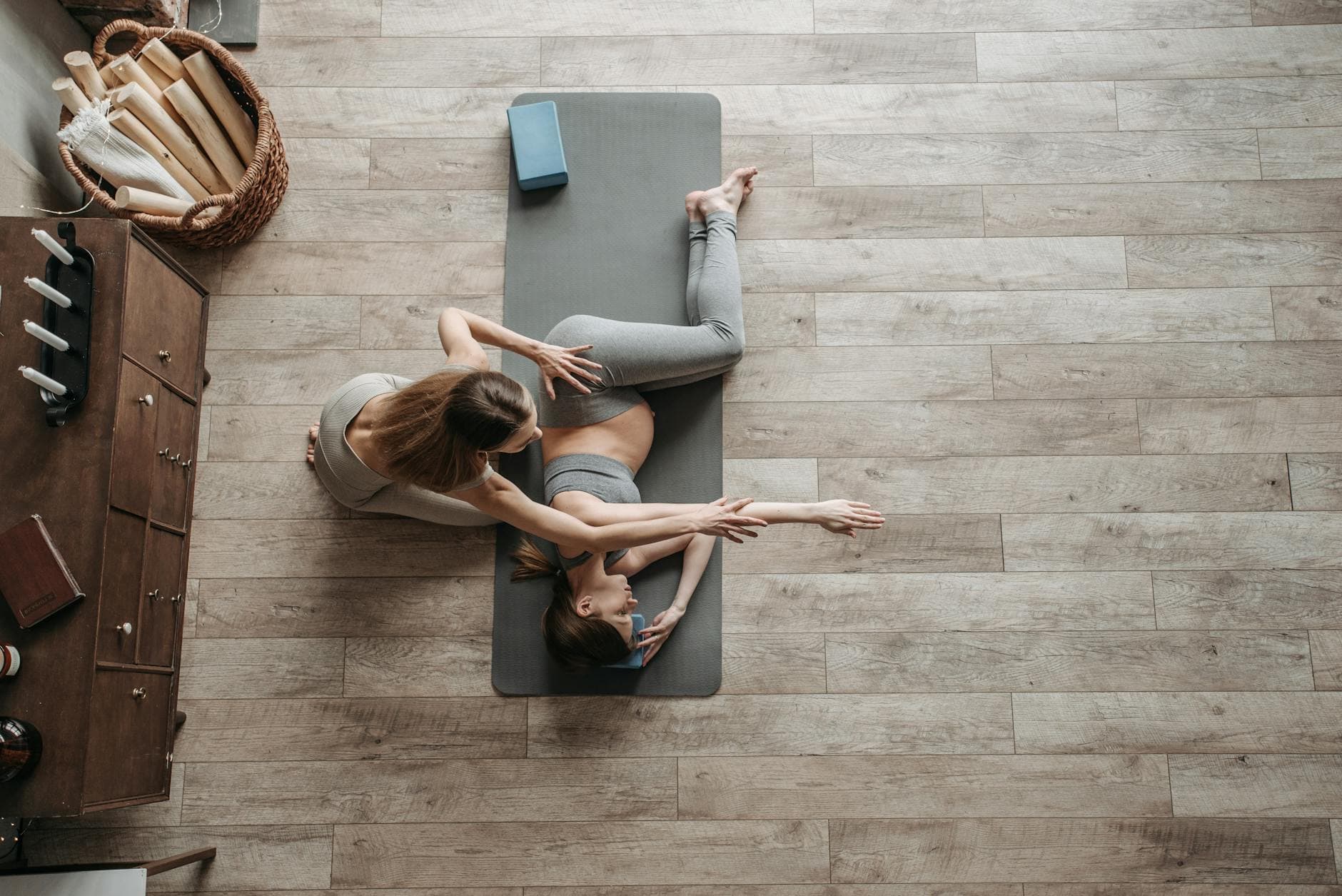
The Surprising Truth About Your Tight Muscles
Here's a tough pill to swallow: most people think they're stretching effectively, but they're actually just going through the motions. We've all seen those gym-goers who hold a hamstring stretch for five seconds before bouncing into their next set. Or maybe you're guilty of it yourself, a quick, rushed attempt at a full body stretch before diving into your day. The truth is, true flexibility and the incredible benefits that come with it aren't unlocked by just touching your toes for a fleeting moment. It requires intention, consistency, and a deeper understanding of what your body actually needs.
Why Most People Get It Wrong
The biggest mistake I see, and honestly, one I made for years, is thinking that stretching is just a passive activity. You just hold a position, right? Wrong. It's about actively engaging with your muscles, understanding their limits, and gently guiding them towards greater mobility. It’s a conversation with your body, not a command.
The Real Goal: Not Just Touching Your Toes
Sure, touching your toes is a nice benchmark, but it's not the ultimate prize. The real goal of a comprehensive full body stretch is about improving your overall range of motion, reducing the risk of injury, and frankly, just feeling better in your own skin. Think about the last time you felt truly stiff, like moving through molasses. That's your body crying out for attention, for a proper stretching routine.

The Undeniable Benefits of a Daily Stretching Routine
Let's talk about why this commitment to a full body stretch is so darn important. It's not just about looking graceful or being able to do the splits (though, hey, if that's your jam, go for it!). The benefits run much deeper, impacting everything from your physical performance to your mental well-being.
Boosting Your Physical Performance
When your muscles are tight and restricted, they can't perform at their best. Imagine trying to run a marathon with your shoelaces tied together – it's not going to go well. Regular stretching, especially a thorough full body flexibility session, helps to loosen those tight spots, allowing your muscles to contract and relax more efficiently. This translates to better power in your lifts, more endurance in your runs, and a reduced likelihood of pulling something during a sudden movement. You'll find that those lower body exercises feel smoother and more controlled when your hips and hamstrings are properly warmed up and stretched.
Injury Prevention: Your Body's Shield
This is huge. I’ve seen too many people sidelined by preventable injuries because they neglected their flexibility. When muscles are tight, they’re more prone to tears and strains. A consistent daily stretching habit acts like a protective shield for your body. It prepares your muscles for activity and helps them recover afterward. It’s about building resilience, not just brute strength. The Centers for Disease Control and Prevention research on full body stretch highlights its role in reducing the incidence of musculoskeletal injuries.
The Mental Calm That Comes With Movement
Beyond the physical, there's a profound mental benefit. When you're focused on your breath and the sensation in your muscles, you're essentially practicing mindfulness. It’s a chance to disconnect from the daily grind and reconnect with yourself. For many, a morning stretch routine sets a positive tone for the entire day, reducing stress and promoting a sense of calm. It’s like hitting a mental reset button.
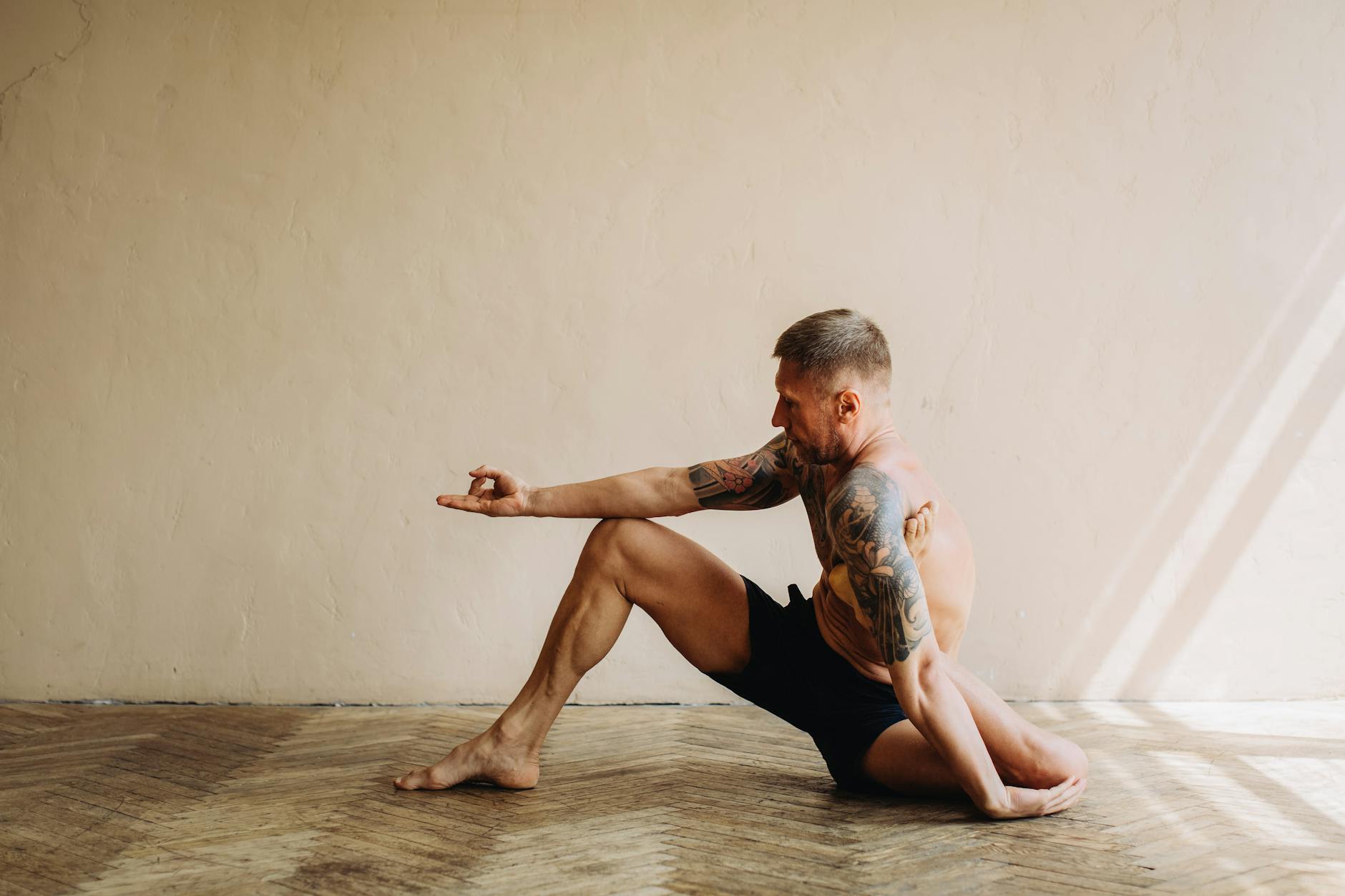
Crafting Your Perfect Full Body Stretch Routine
So, how do you actually *do* this? It's not rocket science, but it does require a bit of thought and planning. Forget those quick, generic routines you see online. We're going to build something that works for *you*.
The Foundation: Dynamic vs. Static Stretching
Before we dive into specific stretches, it's crucial to understand the difference between dynamic and static stretching. Dynamic stretching involves moving your body through a range of motion, like arm circles or leg swings. This is fantastic for warming up before a workout, preparing your muscles for activity. Static stretching, on the other hand, involves holding a stretch for a period of time, usually 20-30 seconds, to lengthen the muscle. This is best done after your workout or as a dedicated flexibility session. Trying to do deep static stretches when your muscles are cold is a recipe for disaster.
Key Areas to Target for a Comprehensive Full Body Stretch
When you're aiming for a true full body flexibility session, you need to hit all the major muscle groups. Don't just focus on your hamstrings and call it a day. Think about your entire kinetic chain.
The Neck and Shoulders: Releasing the Tension
So many of us hold tension in our necks and shoulders from hours at a computer or stress. Start with gentle neck rolls, chin to chest, and ear to shoulder stretches. For shoulders, arm circles (forward and backward) are great dynamically, and a cross-body arm stretch is a solid static option. I used to think my neck pain was just "part of life" until I started consistently stretching it. This one surprised me with how much it helped.
The Torso and Back: Finding Your Core Strength
A strong core isn't just about visible abs; it's about stability and support for your entire body. Cat-cow pose is a fantastic gentle movement for the spine. A seated spinal twist can work wonders for releasing tension in your mid-back. And don't forget about your obliques! Side bends, both standing and seated, are essential. Understanding what is core? Unlock your strongest midsection today is key to appreciating how these stretches contribute to your overall stability.
The Hips and Glutes: Unlocking Mobility
These muscles get incredibly tight from sitting. Pigeon pose (modified if needed), butterfly stretch, and hip flexor stretches are your best friends here. For a dynamic warm-up, think about leg swings in all directions. Tight hips can be a major contributor to lower back pain, so giving them dedicated attention is non-negotiable.
The Legs: Hamstrings, Quads, and Calves
The classic hamstring stretch is important, but don't neglect the quadriceps with a standing quad stretch. Calf stretches, both with a straight and bent knee against a wall, are crucial for runners and walkers. These are often the muscles people focus on, but they're just one piece of the puzzle in a true full body stretch.
The Arms and Wrists: Often Overlooked Heroes
Don't forget your upper body! Wrist flexor and extensor stretches are vital, especially if you spend a lot of time typing or using your hands for other repetitive tasks. Triceps and biceps stretches are also important for overall arm mobility and recovery, particularly after any upper body focused abs workout or strength training.
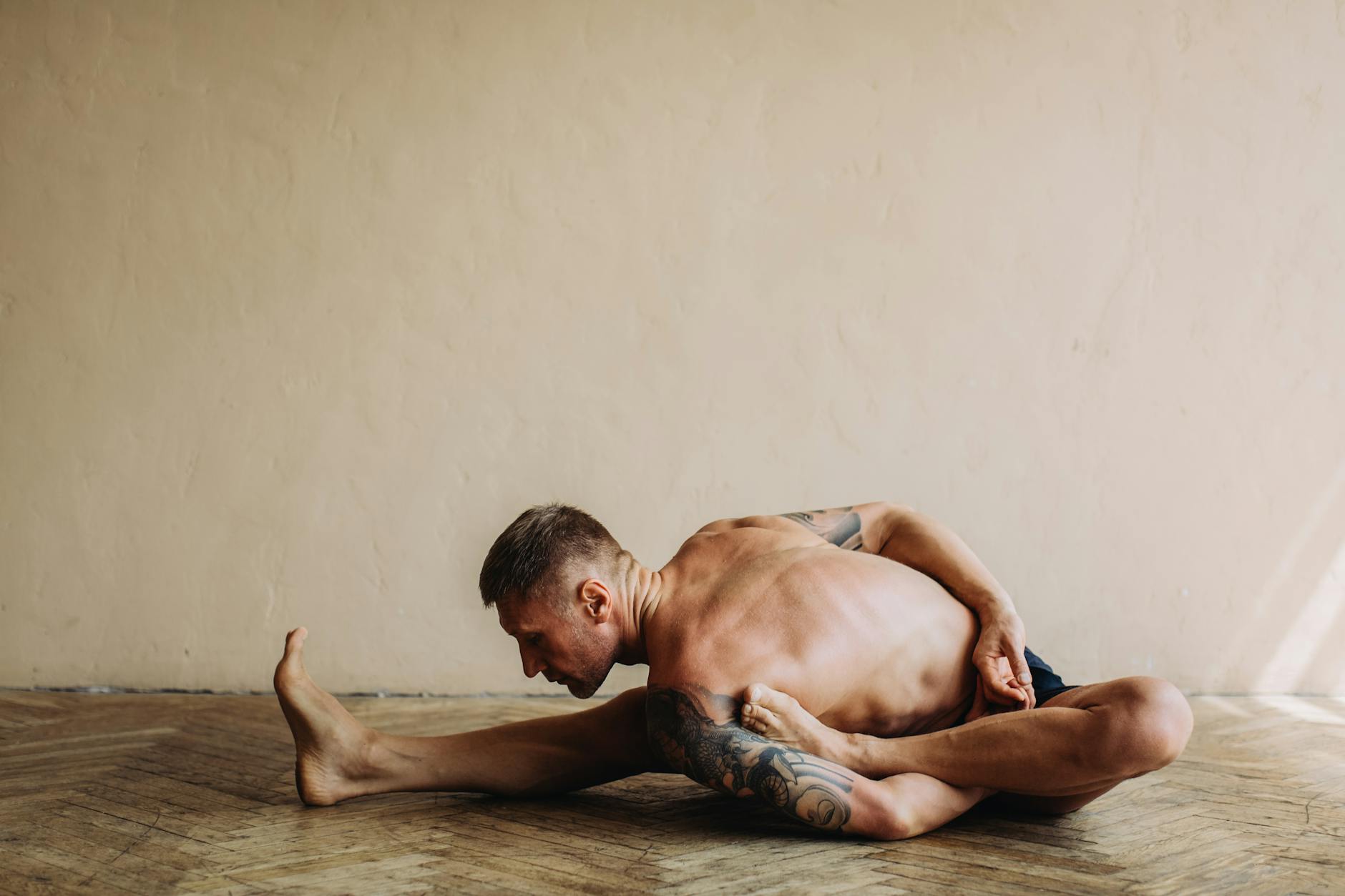
How to Stretch Properly: Technique Matters
Here's the thing: *how* you stretch is just as important as *what* you stretch. Doing stretches incorrectly can not only be ineffective but can also lead to injury.The Golden Rule: Breathe!
This is non-negotiable. Your breath is your guide. As you move into a stretch, exhale. As you deepen the stretch (gently!), continue to breathe deeply and rhythmically. Holding your breath tenses your muscles, which is the opposite of what you want. Imagine your breath helping to release the tension. The National Institutes of Health research on full body stretch often emphasizes the role of breathwork in achieving optimal results.
Listen to Your Body: No Pain, No Gain is a Myth
This is a critical point that gets misunderstood. "No pain, no gain" applies to pushing your limits in strength training, not to stretching. You should feel a gentle pull or tension, a sense of lengthening, but never sharp or stabbing pain. If you feel pain, you’ve gone too far. Back off immediately. Think of it as coaxing your muscles, not forcing them. This is particularly important when you're working with stretches for tight muscles; patience is key.
Hold It, But Don't Freeze
For static stretches, aim to hold for at least 20-30 seconds. Longer holds, up to 60 seconds, can be beneficial for particularly stubborn areas. The key is to maintain a steady, relaxed hold. Avoid bouncing or jerky movements, which can activate the stretch reflex and cause your muscles to tighten up.
Consistency Over Intensity
You don't need to spend an hour a day contorting yourself into pretzels. Even 10-15 minutes of dedicated stretching, done consistently, will yield far better results than one marathon session per week. A daily stretching habit is the most effective way to build lasting flexibility. You might find that incorporating a morning stretch routine is easier to stick with than an evening one, or vice versa. Experiment and see what fits your life.
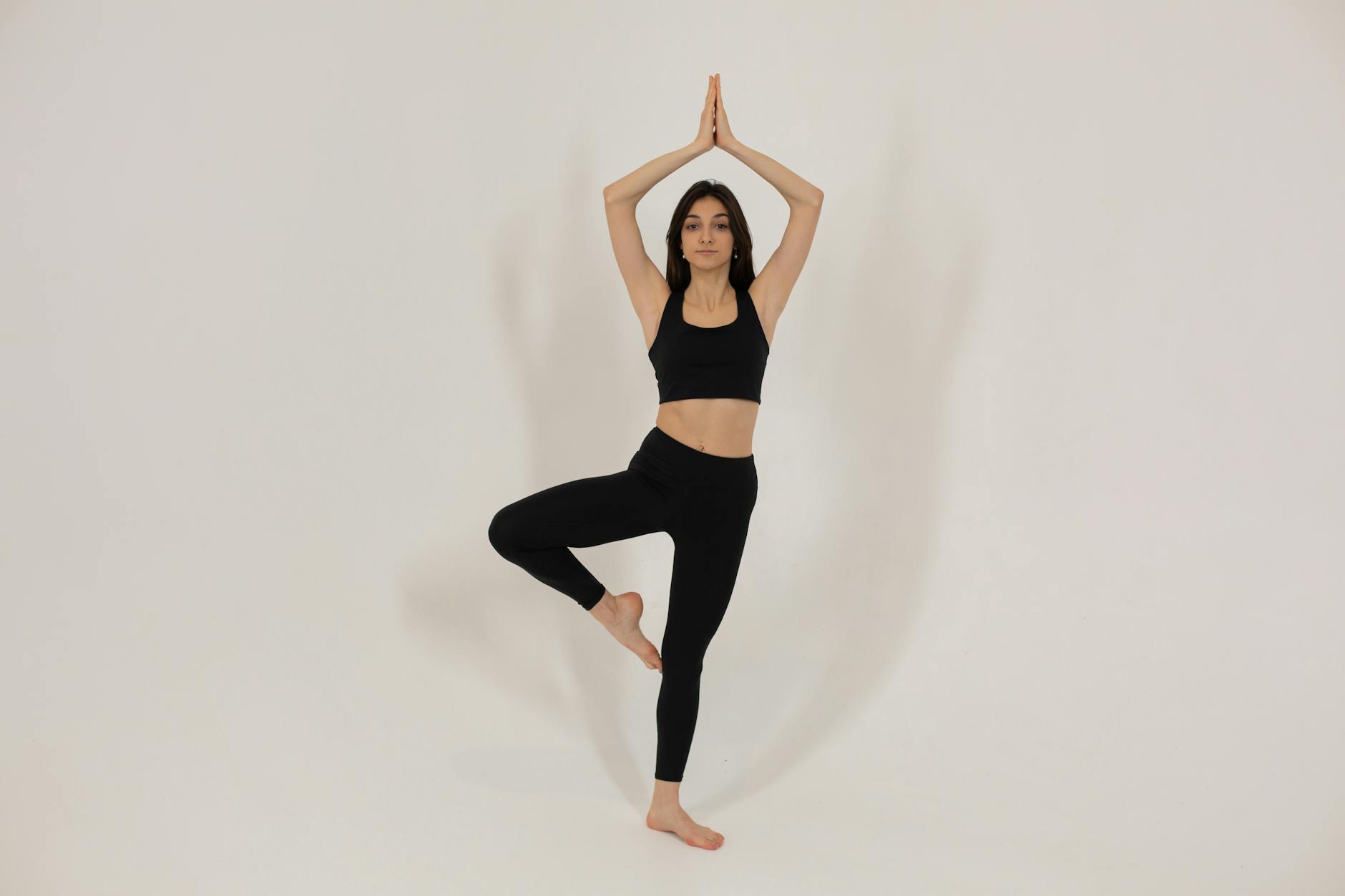
When to Incorporate Your Full Body Stretch
There isn't a single "right" time to stretch, but some moments are more beneficial than others.The Morning Stretch Routine: Starting Your Day Right
Waking up feeling stiff is a common complaint. A gentle morning stretch routine can be incredibly invigorating. It helps to wake up your muscles, improve circulation, and set a positive, active tone for the day ahead. Think of it as gently nudging your body into action, rather than jolting it awake.
Post-Workout Stretches: The Cool-Down Necessity
After a workout, your muscles are warm and pliable, making them ideal candidates for static stretching. This is where you can really work on increasing your range of motion and helping your muscles recover. Neglecting this part of your workout is a missed opportunity for both recovery and long-term flexibility gains. These post workout stretches are crucial.
The Desk Warrior's Lifeline: Midday Movement
If you sit for long periods, you know the stiffness that creeps in. Even a few minutes of stretching at your desk can make a world of difference. Simple neck rolls, shoulder shrugs, and gentle torso twists can combat the effects of prolonged sitting. You don't need a full full body stretch; just a few targeted movements can break up the monotony.
A Dedicated Flexibility Session: For Deeper Gains
For those serious about improving their full body flexibility, setting aside a dedicated time for a longer stretching session is a great idea. This could be a longer yoga class, a dedicated stretching block in your workout routine, or even exploring something like Floor Pilates Exercises: Tone Your Body At Home, which incorporates many flexibility components.
What Nobody Tells You About True Flexibility
I'll be real with you. Building true full body flexibility isn't always glamorous. It takes patience. It takes consistency. And sometimes, it feels like you're not making progress at all. You might think you're doing all the right things, holding the stretches, breathing, but still feel just as tight.The Plateau is Real, But It's Not Permanent
You've probably noticed that progress isn't always linear. There will be times when you feel stuck, like you've hit a wall. This is a normal part of the process. Your body is adapting, and sometimes adaptation takes time. Don't get discouraged. Keep showing up. Keep breathing. The breakthroughs often happen when you least expect them. The Mayo Clinic research on full body stretch often points to the long-term, cumulative effects of consistent practice.
It's More Than Just Stretching: Lifestyle Matters
While a dedicated full body stretch routine is vital, your overall lifestyle plays a huge role. Hydration is critical for muscle health. Adequate sleep allows your body to repair and recover. Stress management techniques can prevent chronic muscle tension from building up in the first place. Even something as simple as ensuring you have a strong core can positively impact your posture and reduce strain on other muscle groups.
The Joy of Effortless Movement
Ultimately, the reward for your dedication to a full body stretch is profound. It’s the freedom of movement. It’s the ability to participate in activities you love without your body holding you back. It’s the subtle confidence that comes from knowing you’re taking care of your physical self. It's about moving through life with greater ease and less restriction. Don't underestimate the power of consistent, intentional movement. It's a gift you give yourself every single day. Remember, even simple beginner exercises can lay the groundwork for greater mobility over time. The journey to better flexibility is one of the most rewarding paths you can take for your long-term health and well-being. You've got this.