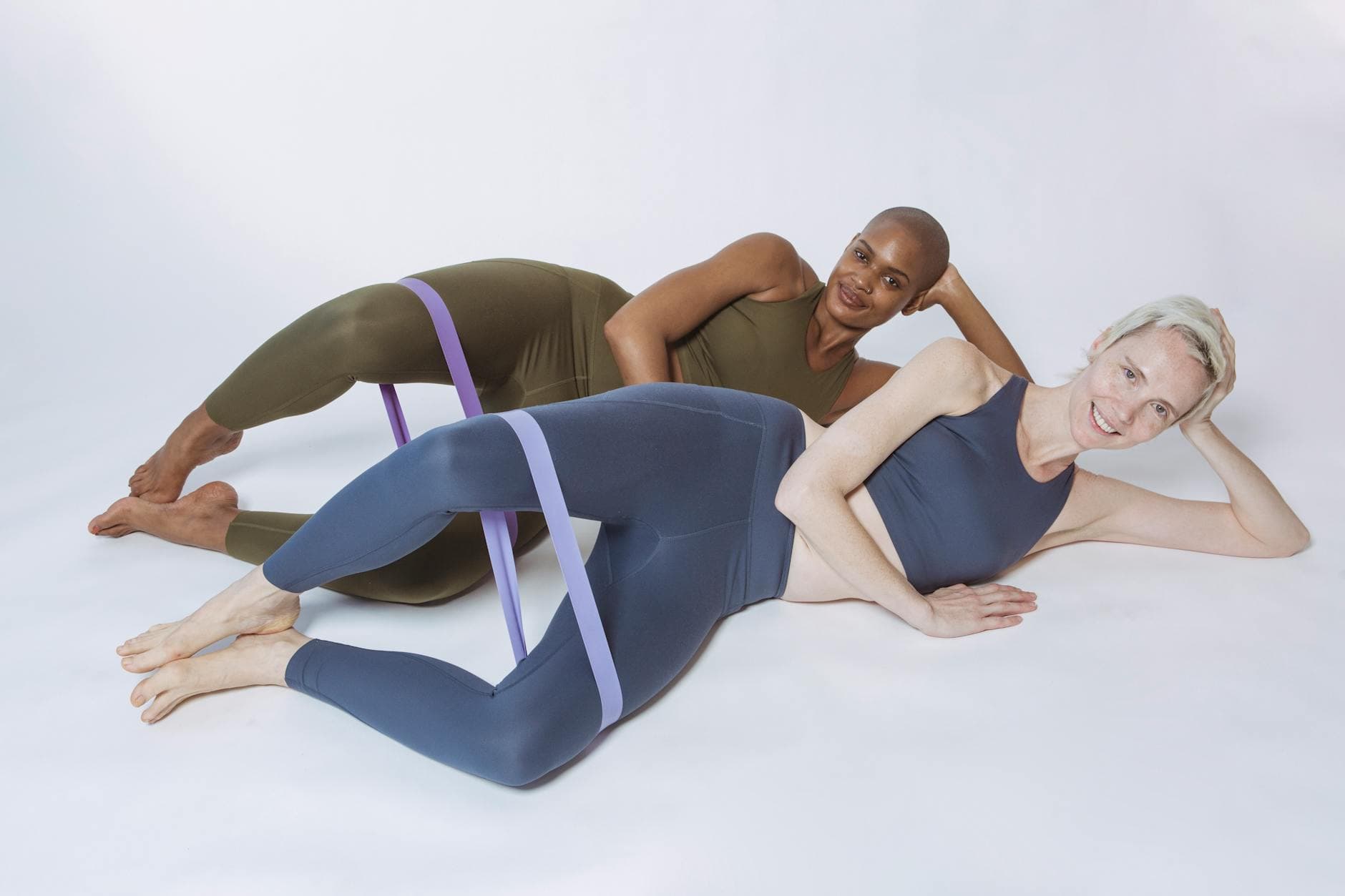
I remember a client, Sarah, who came to me complaining of constant lower back pain. She was an accountant, spending 10 hours a day hunched over a desk. She’d tried everything – massages, pain relievers, even a few chiropractor visits – with only temporary relief. It wasn’t until we started incorporating a consistent program of stretching exercises into her routine that she began to feel a real difference. Her pain subsided, her posture improved, and honestly, her whole demeanor brightened. This is why I’m so passionate about the power of stretching exercises; they’re not just about touching your toes, they’re about unlocking a healthier, more functional you.
The truth is, many people overlook the profound impact that regular stretching exercises can have on their overall well-being. You might think of stretching as something you only do before or after a workout, a quick few lunges and hamstring reaches. But I’ll be real with you, that’s just scratching the surface. A comprehensive approach to stretching, woven into your daily life, can be a game-changer for everything from preventing injuries to managing stress. It's a foundational element of fitness that deserves far more attention than it typically gets.
The Undeniable Benefits of Stretching Exercises
You've probably noticed that after a long period of sitting or inactivity, your body feels stiff and creaky. That’s your body’s way of telling you it needs to move, and specifically, it needs to lengthen. The benefits of incorporating stretching exercises into your life are vast and well-documented. They go far beyond simple flexibility, impacting your physical health, mental state, and even your daily performance.
Boosting Your Physical Health
When you consistently engage in stretching exercises, you’re actively improving your body’s ability to move freely. This isn't just about looking more graceful; it's about enhancing your functional movement, making everyday tasks easier and safer.
Increased Flexibility and Range of Motion
This is the most obvious benefit, but it’s worth elaborating on. Increased flexibility means your muscles and connective tissues can move through a greater range of motion. Think about the last time you had to reach for something high up, or bend down to tie your shoes. When your muscles are tight, these simple actions can feel like a struggle, and worse, can put you at risk of pulling something. Regular stretching helps to elongate these tissues, making movement fluid and effortless. This directly translates to improved performance in sports and a reduced likelihood of experiencing those nagging aches and pains. You'll find yourself recovering faster and moving with a newfound ease.
Injury Prevention
This is a big one, especially for athletes or anyone leading an active lifestyle. Tight muscles are more prone to tears and strains. When muscles are flexible and have a good range of motion, they can absorb shock better and adapt to sudden movements without injury. I’ve seen countless individuals push through workouts with tight hamstrings or hips, only to end up sidelined with a significant injury. Prioritizing stretching exercises, particularly dynamic stretching before activity, can significantly mitigate this risk. It prepares your muscles for the demands you’re about to place on them.
Improved Posture and Reduced Pain
Many postural issues stem from muscle imbalances – some muscles are too tight, while others are too weak. For instance, prolonged sitting can lead to tight hip flexors and weak glutes, which often contributes to lower back pain. Stretching exercises can help to lengthen the tight muscles and restore a more balanced state, thereby improving your posture and alleviating chronic pain. Sarah’s story is a perfect example of this. By targeting her tight hip flexors and back muscles, we were able to significantly reduce her discomfort. The Centers for Disease Control and Prevention research on stretching exercises consistently highlights this link between flexibility and pain management.
Enhancing Your Mental Well-being
The impact of stretching exercises isn't confined to the physical realm; it extends deeply into our mental and emotional states as well. It’s a powerful tool for stress reduction and mindfulness.
Stress Relief and Relaxation
When you’re stressed, your body often tenses up. Your shoulders might creep up towards your ears, your jaw might clench, and your back might feel tight. Stretching helps to release this physical tension, which in turn signals to your brain that it’s okay to relax. The act of focusing on your breath and the sensations in your body during a stretch can also be a form of active meditation, pulling you out of anxious thoughts and into the present moment. This mindful approach to movement is incredibly therapeutic.
Improved Mood and Energy Levels
It might seem counterintuitive, but expending a little energy on stretching can actually boost your overall energy levels. By increasing blood flow to your muscles and improving circulation, stretching can help combat feelings of fatigue. Furthermore, the release of endorphins during physical activity, even gentle stretching, can lead to an improved mood. You might find yourself feeling more alert and less sluggish after a good stretching session.
Types of Stretching Exercises: Finding What Works for You
Not all stretching exercises are created equal, and understanding the different types will help you tailor a routine that best suits your needs. The two primary categories are static and dynamic stretching, each serving a distinct purpose.
Static Stretching: Holding for Hold's Sake
Static stretching involves holding a stretch for a sustained period, typically 15-30 seconds, at the point of mild tension. This is the type of stretching most people are familiar with, often performed after a workout when muscles are warm.
When to Use Static Stretching
Static stretching is best performed when your muscles are already warmed up, either after a workout or after a brief period of light cardio. Holding a stretch when your muscles are cold can increase the risk of injury. It’s excellent for improving overall flexibility and increasing range of motion over time.
Examples of Static Stretching Exercises
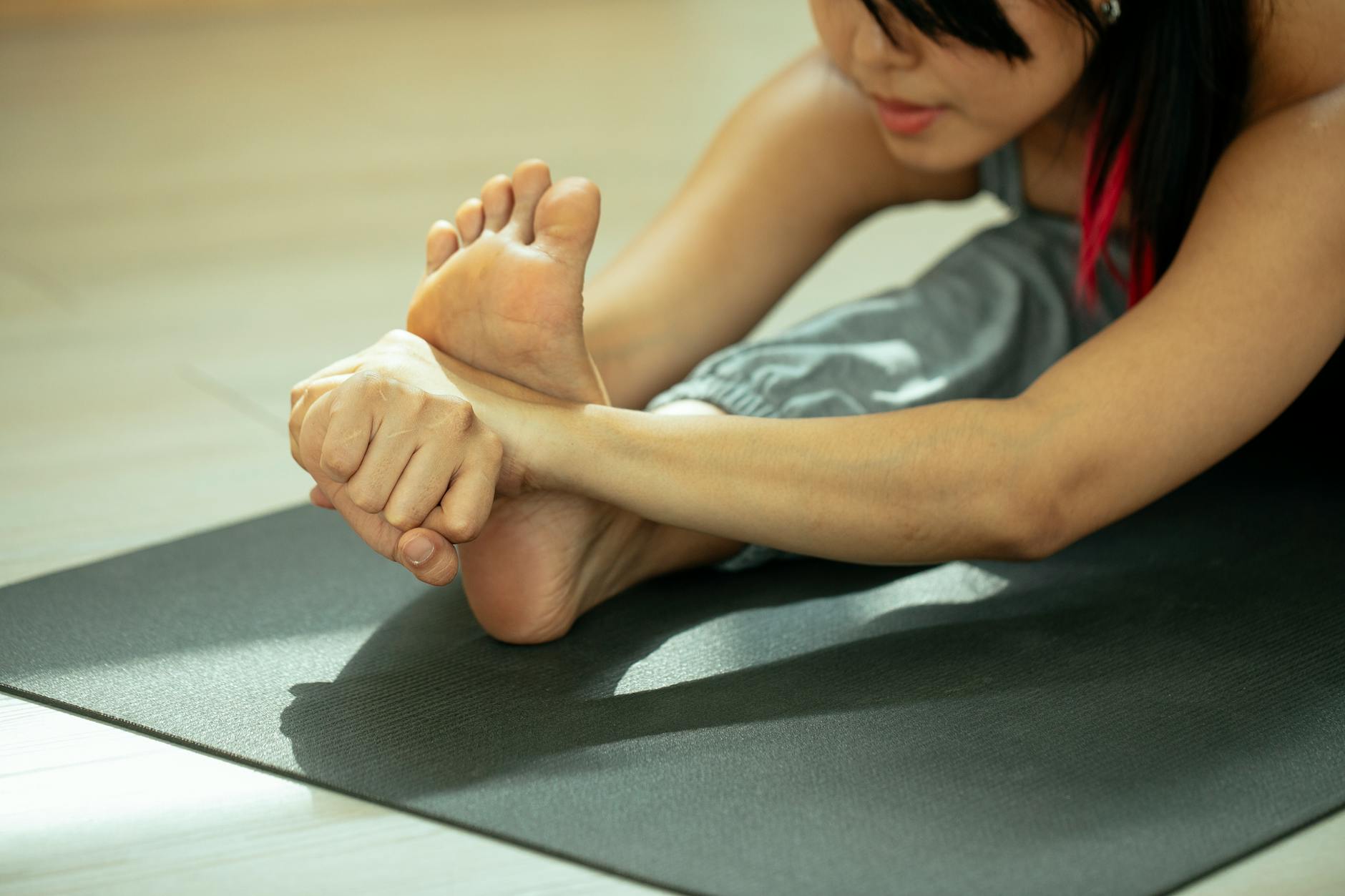
- Hamstring Stretch: Sit on the floor with one leg extended and the other bent, sole of the foot against the inner thigh. Lean forward from the hips, reaching towards your toes.
- Quadriceps Stretch: Stand tall and hold onto a wall for balance. Grasp one ankle and gently pull your heel towards your glutes, keeping your knees close together.
- Triceps Stretch: Raise one arm overhead, bend your elbow, and let your hand fall behind your head. Use your other hand to gently push down on the bent elbow.
Dynamic Stretching: Moving Through Your Range
Dynamic stretching involves controlled, fluid movements that take your joints and muscles through their full range of motion. It’s about actively moving, not holding a position.
When to Use Dynamic Stretching
Dynamic stretching is ideal for warming up before exercise. These movements mimic the patterns of activity you’re about to perform, preparing your muscles and nervous system for the workout ahead. It increases blood flow and muscle temperature, which can improve performance and reduce the risk of injury.
Examples of Dynamic Stretching Exercises
- Leg Swings: Stand tall and swing one leg forward and backward in a controlled motion, gradually increasing the range. Repeat with side-to-side swings.
- Arm Circles: Stand with your arms extended to the sides. Make small circles with your arms, gradually increasing the size of the circles.
- Torso Twists: Stand with your feet shoulder-width apart, hands on your hips or across your chest. Gently twist your torso from side to side.
Crafting Your Daily Stretching Routine
The key to reaping the full benefits of stretching exercises is consistency. A daily stretching routine, even a short one, can make a significant difference. It’s about building a habit that supports your body’s long-term health and function.
Creating a Full Body Stretching Routine
A comprehensive routine should target all major muscle groups. You don’t need to spend hours; even 10-15 minutes can be incredibly effective. The goal is to move through your entire body, addressing areas that tend to get tight or neglected.
Morning Mobility: Kickstarting Your Day
Waking up can often feel like emerging from a deep freeze. A brief morning routine can make a world of difference. Think of it as gently waking up your muscles and joints.
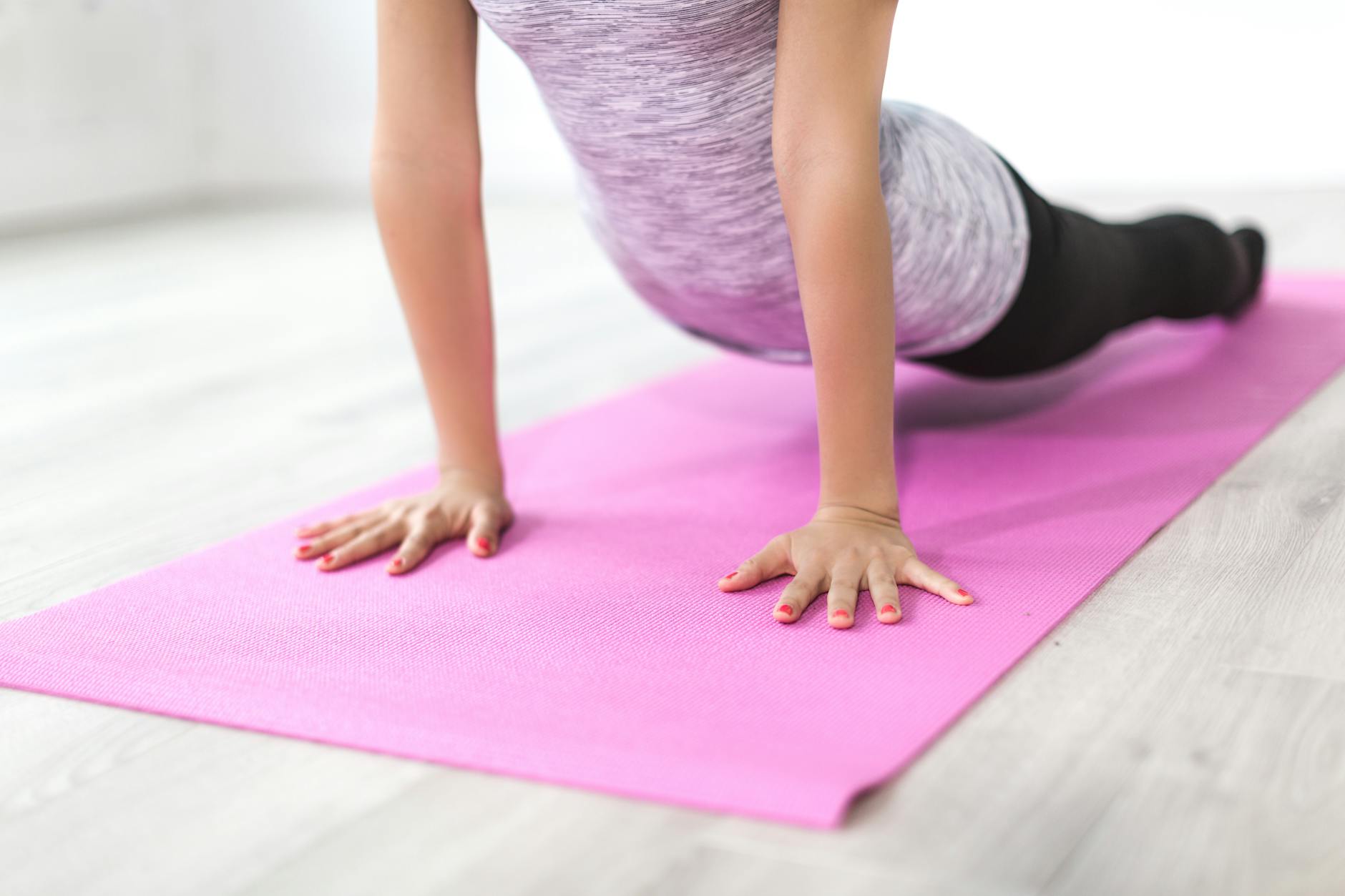
- Cat-Cow Pose: Start on your hands and knees. Inhale, arching your back and dropping your belly (Cow). Exhale, rounding your spine and tucking your chin (Cat). This is fantastic for spinal mobility.
- Child's Pose: Kneel on the floor, sit back on your heels, and fold your torso forward, resting your forehead on the mat. This is a calming stretch for the back and hips.
- Gentle Neck Rolls: Slowly tilt your head towards one shoulder, then roll it forward, then to the other shoulder. Be very gentle here.
Post-Work Decompression: Releasing the Day's Tension
After a day spent sitting or in repetitive motions, your body likely holds tension. This routine is about releasing that tightness and preparing for rest.
- Seated Forward Fold: Sit with your legs extended. Gently fold forward from your hips, reaching towards your feet.
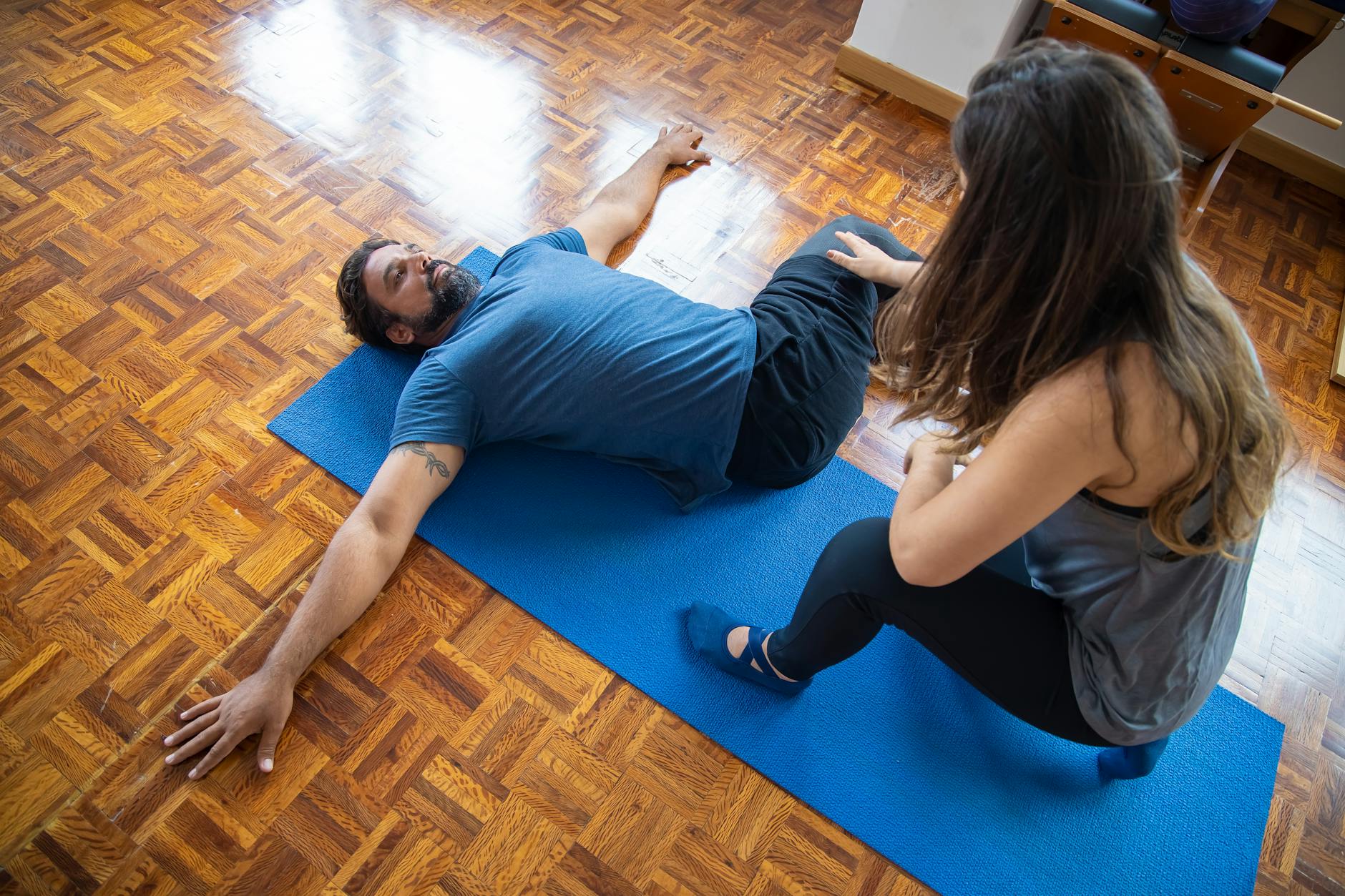
- Supine Spinal Twist: Lie on your back. Bring one knee towards your chest, then gently guide it across your body, keeping your shoulders on the floor.
- Hip Flexor Stretch: Kneel on one knee, with the other foot flat on the floor in front of you. Gently push your hips forward, feeling the stretch in the front of the hip of the kneeling leg.
Stretching for Specific Needs
Beyond a general routine, you might have specific areas you want to focus on, whether it's for pain relief, athletic performance, or improved mobility.
Stretching for Pain Relief
If you’re dealing with specific aches, like that persistent lower back pain Sarah experienced, targeted stretching exercises are crucial. It’s often about lengthening muscles that have become chronically tight due to posture, overuse, or inactivity. For lower back pain, focusing on hip flexors, hamstrings, and glutes can be incredibly effective. For shoulder pain, stretches that open up the chest and shoulder joint are key. It’s always wise to consult with a healthcare professional or physical therapist to ensure you’re targeting the right areas and performing the stretches correctly, especially if the pain is severe or persistent. The World Health Organization research on stretching exercises provides broad guidelines for physical activity that can inform your approach to pain management.
Stretching for Athletes and Performance
For athletes, stretching exercises are not just about injury prevention; they are integral to enhancing performance. Dynamic stretching as a warm-up prepares the body for explosive movements, while targeted static stretching post-workout can aid in recovery and muscle lengthening. Incorporating mobility exercises that improve joint function, like those found in Floor Pilates Exercises: Tone Your Body At Home, can also make a significant difference in an athlete’s ability to move efficiently and powerfully.
How to Stretch Properly: Safety First
I’ve seen people do some pretty wild things while trying to stretch, and honestly, it’s terrifying. Performing stretching exercises incorrectly can do more harm than good, leading to injuries rather than preventing them. Here’s how to approach it safely and effectively.
The Golden Rules of Safe Stretching
Adhering to a few simple principles will ensure you get the most out of your stretching without risking injury. This is where the real gains are made.
Listen to Your Body
This is paramount. You should feel a gentle pull or tension, not sharp pain. If you feel pain, ease up immediately. Pushing too hard is the fastest way to get hurt. Your body is constantly sending you signals; learning to interpret them is a skill that improves with practice.
Breathe Deeply
Don’t hold your breath! Deep, diaphragmatic breathing is essential. As you exhale, allow your body to relax further into the stretch. Breathing helps to oxygenate your muscles and calm your nervous system, making the stretch more effective and enjoyable.
Consistency Over Intensity
It’s far better to stretch gently and consistently than to push yourself to your absolute limit once a week. Regular, moderate stretching builds flexibility and resilience over time. Think of it like watering a plant; a little bit every day yields much better results than a flood once in a while.
Common Mistakes to Avoid
Even with the best intentions, people often fall into common stretching pitfalls. Being aware of these can help you steer clear of them.
Bouncing or Jerking Movements
This is a classic mistake, especially with static stretches. Bouncing can activate the stretch reflex, causing your muscles to contract and potentially leading to tears. Stick to slow, controlled movements.
Stretching Cold Muscles
As mentioned earlier, stretching cold muscles is a recipe for injury. Always warm up your body first with 5-10 minutes of light cardio, such as brisk walking, jogging in place, or jumping jacks. This increases blood flow and prepares your muscles for stretching.
Holding Your Breath
This is worth repeating because it’s so common. Holding your breath creates tension. Consciously focus on relaxed, deep breaths throughout your stretching routine.

Making Stretching a Habit You'll Stick With
The biggest hurdle for most people isn't knowing what to do, but actually doing it consistently. Here’s how to integrate stretching exercises into your life so it becomes second nature.
Integrating Stretching into Your Daily Life
Think about your existing routines. Where can you naturally weave in a few minutes of stretching?
The Power of Small Increments
You don’t need an hour-long session every day. A 5-minute stretch break every hour or two at your desk can make a huge difference. Stand up, do a few leg swings, reach for the ceiling, and do some torso twists. These micro-breaks prevent stiffness from setting in.
Pairing Stretching with Other Habits
Link your stretching to something you already do. For example, do your morning stretches right after brushing your teeth, or your evening stretches while watching TV. This association helps to solidify the habit. Many people find that incorporating elements of Beginner Exercises: Easy Workouts for a Strong Start can also be a gateway to more consistent stretching.
When to Seek Professional Guidance
While most stretching is safe and beneficial, there are times when professional help is invaluable.
For Chronic Pain or Injuries
If you’re experiencing persistent pain or recovering from an injury, it’s essential to seek guidance from a physical therapist or certified trainer. They can assess your specific condition and design a personalized stretching and mobility exercises program tailored to your needs. The National Institutes of Health research on stretching exercises often points to the benefits of professional guidance for specific conditions.
To Optimize Performance
For athletes or those looking to significantly improve their flexibility and range of motion for performance goals, a coach or specialist can provide advanced techniques and insights. They can help you understand how to best integrate stretching into your training regimen to maximize results, perhaps even incorporating specific lower body exercises or core strengthening like Best Abs Workout: Sculpt Your Core Fast! to complement your flexibility work.
Stretching exercises are more than just a way to touch your toes; they are a fundamental component of a healthy, active life. By understanding the benefits, learning the proper techniques, and integrating them consistently into your routine, you're investing in a body that moves with ease, feels resilient, and is less prone to pain. Start small, be patient with yourself, and embrace the transformative power of consistent stretching. Your future self will thank you.