
Ever felt that nagging tightness in the back of your legs after a long day, or maybe a distinct lack of range when you try to touch your toes? You're not alone. Many of us deal with tight hamstrings, and it's often a culprit behind lower back pain and reduced athletic performance. The good news is, improving your hamstring flexibility is entirely achievable with the right approach. We're going to dive deep into effective hamstring flexibility exercises that will make a real difference.
Why Your Hamstrings Matter More Than You Think
The Silent Impact of Tight Hamstrings
You might think of hamstrings as just those muscles in the back of your thigh, important for running or kicking. But honestly, they're fundamental to so much more. They connect your pelvis to your lower leg bones, meaning they play a huge role in your posture, your ability to bend over, and even how your lower back feels. When they're constantly short and tight, they pull down on your pelvis, tilting it backward. This can flatten your natural spinal curve and put undue stress on your lumbar spine, leading to that familiar ache.
Beyond the Ache: Performance and Injury Prevention
For athletes, tight hamstrings can be a performance killer. Reduced flexibility means a shorter stride when running, less power in your jumps, and a general feeling of being restricted. More critically, they're a common source of injury. A sudden, explosive movement when your hamstrings are already tight is a recipe for a pulled muscle, a painful tear that can sideline you for weeks. It's not just about feeling good; it's about moving well and staying injury-free.
Who Needs to Focus on Hamstring Flexibility?
Honestly, almost everyone can benefit from better hamstring flexibility. If you sit for long periods – at a desk, driving, or relaxing on the couch – your hamstrings are likely spending a lot of time in a shortened position, contributing to tightness. Runners, cyclists, dancers, and anyone involved in sports that require explosive leg movements or a good range of motion will find targeted hamstring work invaluable. Even if you're just aiming for better general mobility and to reduce everyday aches, this is for you.
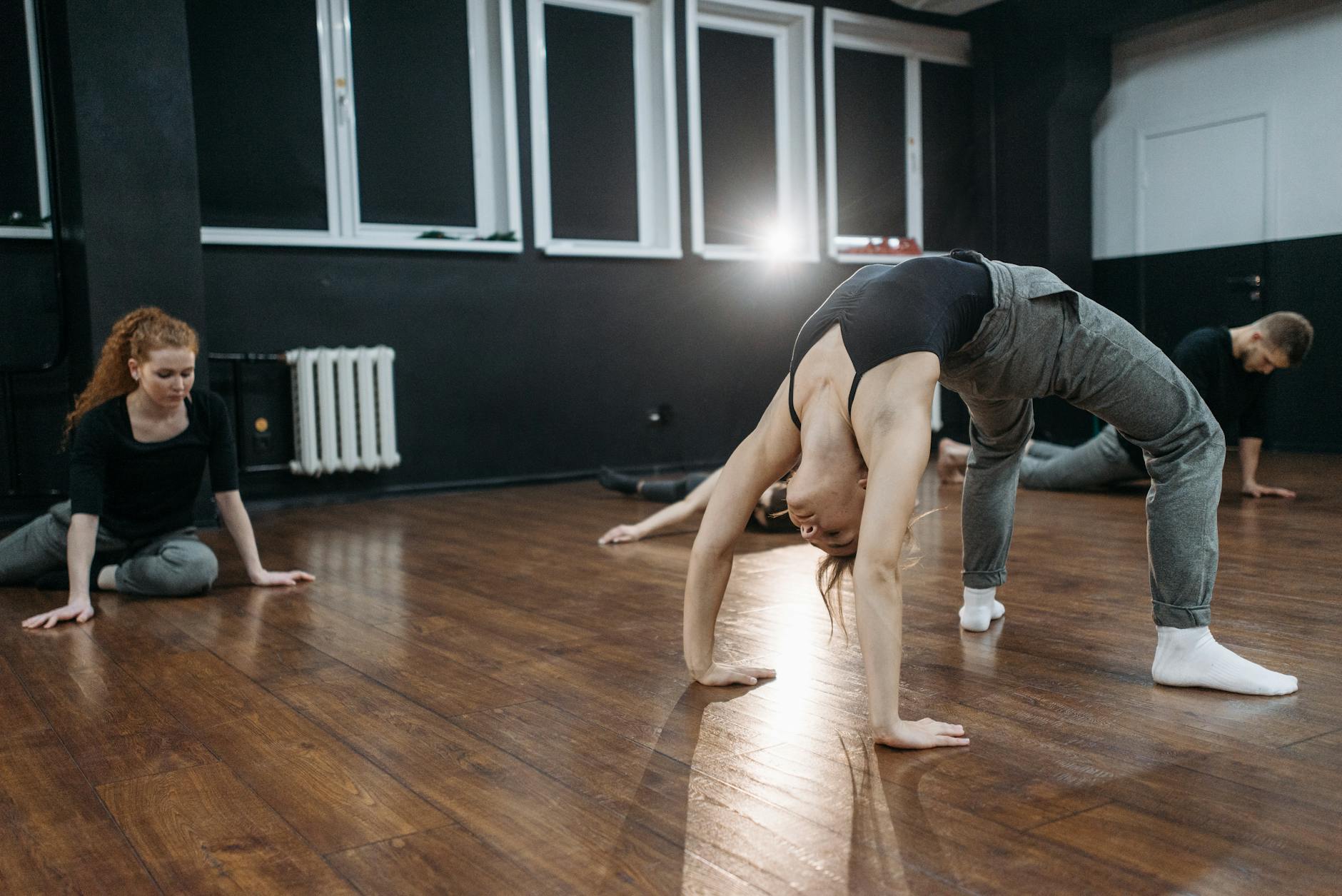
Mastering the Fundamentals: Static vs. Dynamic Stretches
The Case for Static Stretches
Static stretches are what most people picture when they think of stretching: holding a position for a period of time. These are fantastic for increasing your overall range of motion and are best performed when your muscles are warm, like after a workout or a brisk walk. They allow your muscles to relax and lengthen gradually. Think of it as gently persuading your hamstrings to let go, rather than forcing them.
Common Static Hamstring Stretches
The classic seated forward fold is a great example. Sit on the floor, legs extended. Reach towards your toes, keeping your back as straight as possible. Another is the lying hamstring stretch, where you lie on your back and loop a towel or strap around one foot, gently pulling your leg towards you while keeping it as straight as you can. Hold these for 20-30 seconds. I used to think you had to feel a sharp pull, but it's more about a sustained, mild tension. Harvard Health research on hamstring flexibility exercises often highlights the effectiveness of these sustained holds.
The Power of Dynamic Stretches
Dynamic stretches involve movement. They prepare your muscles for activity by taking them through their full range of motion in a controlled way. These are brilliant as part of a warm-up before exercise. Instead of holding a position, you’re moving into it and out of it. This increases blood flow and muscle temperature, making your body ready to perform. It’s like getting your engine revving before a race.
Dynamic Movements for Hamstring Prep
Leg swings are a prime example. Stand tall, holding onto something for balance if needed, and swing one leg forward and backward in a controlled manner. Then, swing it side to side. Another effective dynamic movement is walking lunges with a torso twist. As you step into a lunge, twist your upper body towards the front leg. These exercises help lubricate the joints and activate the muscles, making them more pliable. You'll feel more ready to move after a few minutes of these.
When to Use Which
Here's the thing: static and dynamic stretches aren't mutually exclusive; they're complementary. For a full workout routine, I recommend dynamic stretches for your warm-up and static stretches for your cool-down or on separate recovery days. Trying to do deep static stretches on cold muscles can actually increase your risk of injury, so save those for when your body is ready. Think of dynamic as waking up the muscles and static as helping them relax and lengthen after they've been worked.
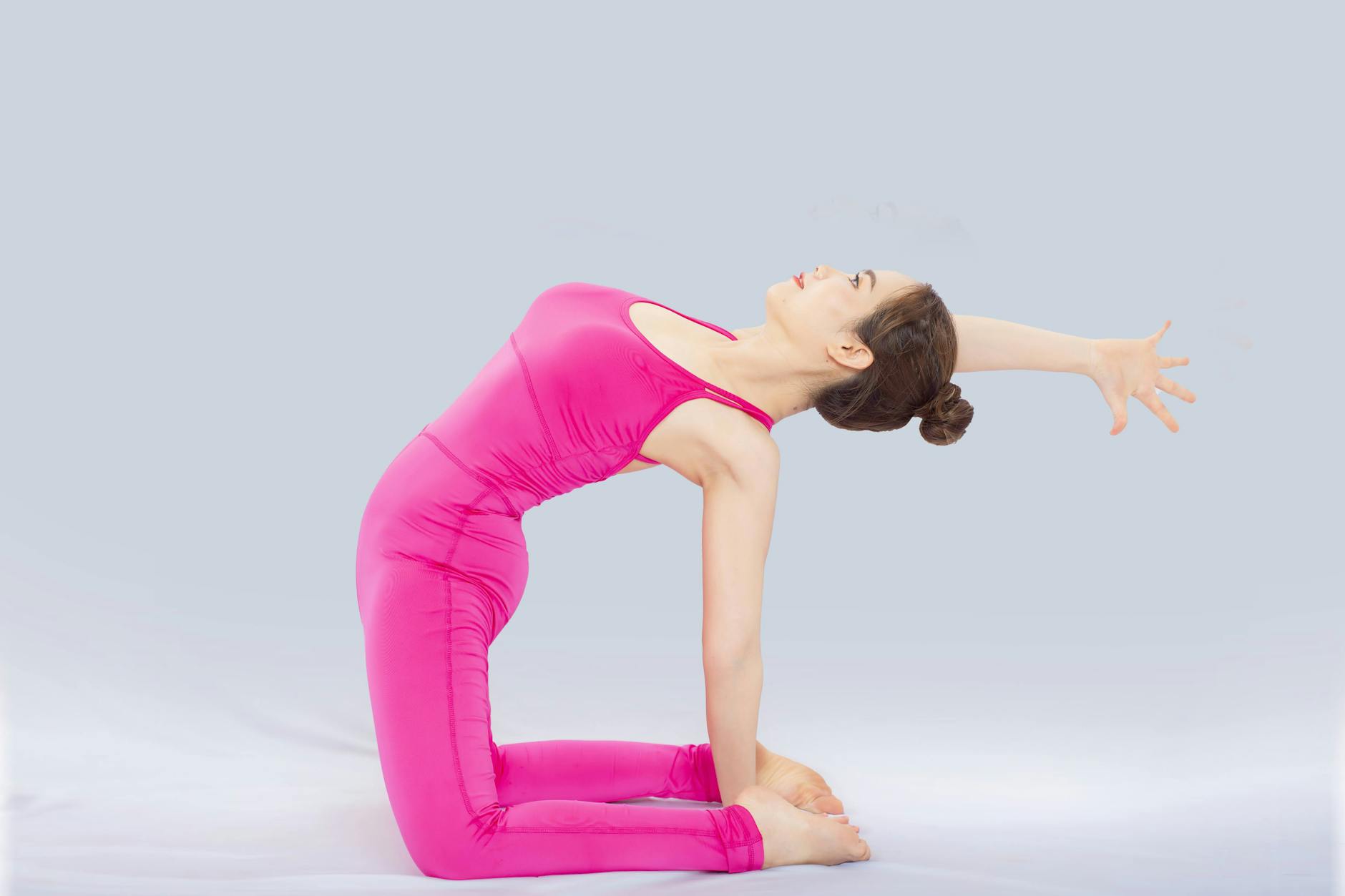
Essential Hamstring Flexibility Exercises You Can Do Anywhere
The Standing Hamstring Stretch
This is a go-to for a reason. Stand with your feet hip-width apart. Take a small step forward with one leg, keeping that leg straight. Hinge at your hips, lowering your torso towards your front thigh. Keep your back straight and your chest lifted. You should feel a stretch in the back of your front thigh. Hold for 20-30 seconds, then switch legs. It’s simple, effective, and requires no equipment.
The Seated Forward Fold (Paschimottanasana)
This classic yoga pose is incredibly beneficial. Sit on the floor with your legs extended in front of you. You can place a cushion under your hips if that helps you maintain a straighter spine. Inhale, and as you exhale, hinge from your hips, reaching your hands towards your feet. Don't worry if you can't touch your toes; focus on lengthening your spine. If your hamstrings are very tight, bending your knees slightly is perfectly fine. The goal is the stretch, not touching your toes immediately. Hold for 30 seconds, breathing deeply.
The Lying Hamstring Stretch with a Strap
This is one of my favorites because it allows for a really targeted stretch and you can control the intensity precisely. Lie on your back with your legs extended. You can keep one leg bent with the foot flat on the floor for stability, or extend both legs. Loop a towel, strap, or yoga belt around the arch of the other foot. Gently pull the strap, drawing your leg towards your chest while keeping it as straight as possible. Keep your hips pressed into the floor. You should feel a good stretch in your hamstring. Hold for 30 seconds, then switch sides. National Institutes of Health research on hamstring flexibility exercises often points to the benefits of this controlled approach.
The Downward-Facing Dog (Adho Mukha Svanasana)
This yoga staple is a fantastic full-body stretch, and it's particularly great for hamstrings. Start on your hands and knees. Tuck your toes and lift your hips up and back, forming an inverted V-shape. Press your palms into the floor, and imagine drawing your heels towards the ground. You don't need to have them touch; the intention is to lengthen the backs of your legs. You can pedal your feet gently, bending one knee and then the other, to deepen the stretch in each hamstring. Hold for 30-60 seconds, breathing deeply.

Improving Hamstring Flexibility: A Practical Routine
Warming Up for Success
Before diving into any serious stretching, you need to warm up your muscles. This doesn't have to be complicated. A brisk 5-10 minute walk, some light jogging in place, or a few minutes of jumping jacks will do wonders. Dynamic movements like leg swings, high knees, and butt kicks are also excellent for getting your blood flowing and preparing your hamstrings for deeper work. This step is crucial for preventing injury and maximizing the effectiveness of your stretches.
The Core Hamstring Flexibility Routine
Here’s a simple routine you can integrate a few times a week. Remember to listen to your body and don't push into pain.
- Dynamic Warm-up (5-7 minutes):
- Leg Swings (forward/backward): 10-12 per leg
- Leg Swings (side to side): 10-12 per leg
- Walking Lunges with Torso Twist: 10-12 per leg
- High Knees: 30 seconds
- Butt Kicks: 30 seconds
- Static Stretches (Hold each for 30 seconds, repeat 2 times per leg/stretch):
- Lying Hamstring Stretch with Strap
- Seated Forward Fold (or modified version)
- Standing Hamstring Stretch (each leg)
- Downward-Facing Dog (hold for 60 seconds, focus on lengthening)
Consistency is Key
You won't see significant changes overnight. Improving hamstring flexibility is a journey, not a sprint. Aim to perform this routine at least 3-4 times per week. Over time, you'll notice that you can go deeper into your stretches, your range of motion will increase, and those everyday aches might start to fade. Don't get discouraged if progress feels slow; every little bit of increased flexibility counts. It's about building sustainable mobility.

When to Seek Professional Help
Understanding the Difference Between Tightness and Pain
There's a distinct difference between the mild discomfort of a muscle being stretched and sharp, persistent pain. If you experience sudden, intense pain in your hamstrings, especially after an activity, it’s important to stop what you're doing and assess the situation. This could indicate a strain or tear, and trying to push through it will likely make things worse. For such injuries, seeking advice from a medical professional is the wisest course of action.
When Flexibility Isn't Improving
If you've been diligently working on your hamstring flexibility exercises for several weeks or months and aren't seeing any improvement, or if the tightness feels unusually stubborn, it might be time to consult a physical therapist or a qualified trainer. They can assess your movement patterns, identify any underlying biomechanical issues, and provide personalized guidance. Sometimes, a persistent tightness is linked to other issues, like a weak core or imbalances elsewhere in the body, which is why a comprehensive approach is important. A strong core, for instance, supports your entire body, and can be improved with What is Core? Unlock Your Strongest Midsection Today and even Best Abs Workout: Sculpt Your Core Fast!.
Considering Underlying Conditions
In rare cases, chronic hamstring tightness can be a symptom of a larger issue. Sciatica, for example, can cause pain and tightness that mimics hamstring issues. If your symptoms are accompanied by numbness, tingling, or radiating pain down your leg, it’s definitely worth getting checked out by a doctor. They can rule out any nerve-related problems and ensure you're getting the right treatment for your specific situation. Don't guess when it comes to your health; trust the experts.
Look, building better hamstring flexibility isn't just about being able to touch your toes. It's about unlocking better movement, reducing your risk of injury, and improving your overall quality of life. Whether you're an athlete looking to shave seconds off your time or someone simply wanting to move more comfortably through your day, incorporating these hamstring flexibility exercises into your routine will pay dividends. Be patient, be consistent, and most importantly, listen to your body. You've got this.