
Imagine this: it's a Tuesday morning. The alarm blares, you hit snooze (again), and the thought of facing the day feels… heavy. You know you *should* move, maybe even do some proper beginner exercises, but the couch is calling your name. It’s a familiar scene for so many of us, right? Getting started with fitness can feel like climbing Everest in flip-flops. But here’s the thing: it doesn’t have to be that way. You can absolutely build a solid foundation with simple, effective beginner exercises that won’t leave you feeling broken.
Finding Your Starting Point: Beyond the Gym Doors
Let's be honest, the word "gym" can be intimidating. The clanking weights, the sculpted bodies, the complex machines – it’s a lot when you’re just trying to figure out how to start working out. But the beauty of beginner exercises is that they don’t require a membership. You’ve probably noticed the rise of at home workouts, and for good reason. They’re accessible, convenient, and incredibly effective when you choose the right ones.
The Power of Your Own Body
Bodyweight exercises are the unsung heroes for anyone starting out. They use your own weight as resistance, making them scalable and adaptable. You don't need fancy equipment; your living room floor is your gym.
Building Blocks of Movement
Think about the fundamental movements our bodies are designed for: pushing, pulling, squatting, hinging, and carrying. Mastering these basic patterns with bodyweight is your first, and arguably most important, step.
Low Impact, High Reward
For many, the initial fear is injury. That’s where low impact exercises shine. They’re gentler on your joints, which is crucial when your body isn’t accustomed to regular physical stress. This doesn't mean they're less effective; it just means they're smarter.
Protecting Your Foundation
When you’re starting, your connective tissues and joints need time to adapt. Low impact movements allow for this adaptation without the jarring forces that can lead to aches and pains.

Your First Exercise Routine: Simple, Smart, Sustainable
The idea of a "first exercise routine" can sound daunting, like you need to map out your entire fitness future. But it’s really about creating a simple plan that you can stick to. Consistency trumps intensity when you’re a beginner.
The Core Four: Essential Movements
If I had to pick a few core beginner exercises that form the backbone of any good workout for beginners, it would be these. They hit major muscle groups and get your heart rate up.
The Mighty Squat
This is king. Stand with your feet shoulder-width apart, toes pointing slightly out. Lower your hips as if you're sitting back into a chair, keeping your chest up and your back straight. Go as low as you comfortably can, then push through your heels to stand back up.
Push-Up Progressions
Don't worry if you can't do a full push-up yet. Start on your knees. Place your hands slightly wider than shoulder-width apart, fingers pointing forward. Lower your chest towards the floor, keeping your body in a straight line from head to knees. Push back up. As you get stronger, you can try incline push-ups against a wall or a sturdy piece of furniture.
The Plank: Your Core's Best Friend
This one is fantastic for building core strength and stability. Get into a push-up position, then lower yourself onto your forearms, elbows directly under your shoulders. Keep your body in a straight line from head to heels, engaging your abs. Hold for as long as you can maintain good form, aiming for 20-30 seconds initially. This is a fundamental exercise for understanding what is core.
Lunges for Balance and Strength
Step forward with one leg, lowering your hips until both knees are bent at approximately 90-degree angles. Your front knee should be directly above your ankle, and your back knee should hover just off the floor. Push off your front foot to return to the starting position, then switch legs.
Cardio for Beginners: Getting Your Engine Running
Strength is important, but so is cardiovascular health. Cardio for beginners doesn't mean running a marathon. It’s about getting your heart pumping regularly.
Walking: The Underrated Powerhouse
Seriously, don't underestimate a brisk walk. It’s accessible to almost everyone, requires no special gear, and you can do it anywhere. Aim for 20-30 minutes, a few times a week. You’ll be amazed at the difference it makes.
Dancing Around the Living Room
Put on your favorite music and just move! It’s fun, it burns calories, and it’s a fantastic way to get your heart rate up without feeling like you're "exercising." This is a great example of an at home workout that feels more like play.
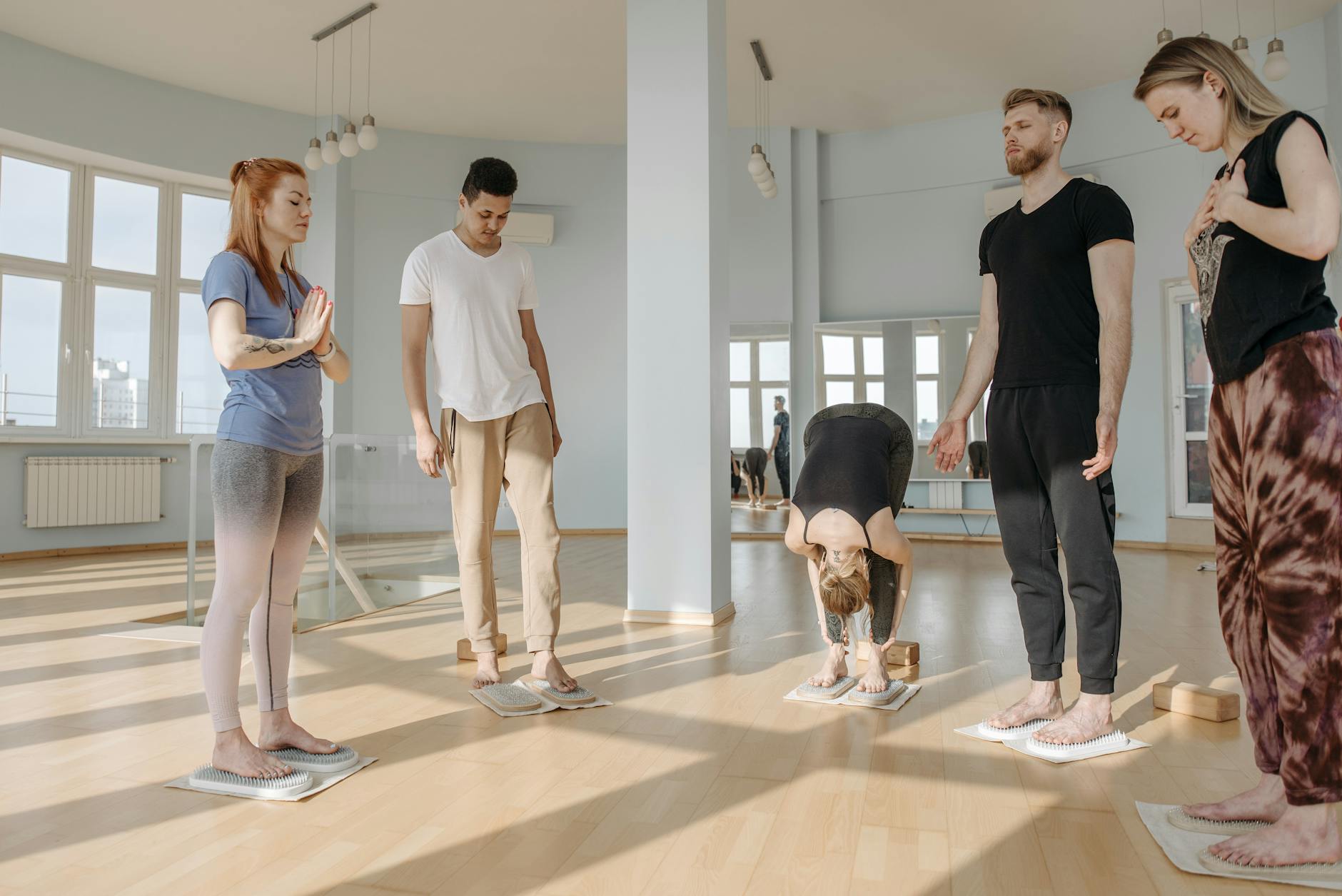
Strength Training for Beginners: More Than Just Muscles
When people think of strength training for beginners, they often picture bulky muscles. But it's so much more than that. It’s about building resilience, improving your metabolism, and supporting your overall health as you age.
The Domino Effect of Strength
Building muscle isn't just about looking good; it’s about functional strength. It means being able to carry groceries without struggling, playing with your kids or grandkids without getting winded, and reducing your risk of falls and injuries.
Beyond the Weights: Resistance Bands and Household Items
If you’re not ready for weights, resistance bands are a fantastic alternative. They’re portable, affordable, and offer a great range of resistance. You can also get creative with household items like water bottles or cans of food for some light resistance work.
The Importance of Proper Form
This is where I’ll be real with you: form is king. It’s far more important than how much weight you lift or how many reps you do. Poor form is a fast track to injury.
Learning the Ropes (Safely!)
If you're considering venturing into a gym workout for beginners, consider a session with a trainer to learn the basics of good form. Even watching reputable online videos can be a game-changer.
Making it Stick: Exercise Tips for Beginners
So you’ve got some beginner exercises, you have a nascent routine, but how do you make sure it lasts? This is often the trickiest part, and it’s where many people fall off track.
Find Your "Why": Beyond the Scale
Chasing weight loss is a common motivator, but it’s often not enough to sustain long-term habits. Dig deeper. Do you want more energy? Better sleep? To feel more confident in your own skin? Connect your exercise to these deeper desires.
The Joy Factor
If you dread every workout, you're setting yourself up for failure. Experiment! Try different activities until you find something you genuinely enjoy. Maybe it’s dancing, hiking, swimming, or even floor Pilates exercises.
Listen to Your Body: Rest is Not a Dirty Word
Your body needs time to recover and rebuild. Pushing too hard, too soon, will lead to burnout and injury. Rest days are just as important as workout days.
The Art of Active Recovery
Active recovery can be gentle walking, stretching, or foam rolling. It helps with muscle soreness and keeps you moving without overtaxing your system.
Celebrate Small Wins: You're Doing Great!
Seriously, acknowledge your progress. Did you hold a plank for 5 seconds longer? Did you walk for an extra 10 minutes? These are victories! Pat yourself on the back. This journey is about progress, not perfection.

When "Beginner Exercises" Aren't Enough: Knowing When to Progress
There’s a point where your current beginner exercises will start to feel… well, easy. This is a good thing! It means you’re getting stronger. The trick is knowing when and how to progress.
The Principle of Progressive Overload
This is the fundamental concept in strength training: to keep getting stronger, you need to gradually increase the stress on your muscles. For beginners, this might mean adding a few more repetitions, doing an extra set, or reducing rest time between exercises.
Adding Resistance Gradually
As you get more comfortable with bodyweight movements, you might consider adding light weights. This could mean investing in a pair of dumbbells or exploring a gym workout plan that incorporates weights.
Listen for the Signs of Stagnation
If you’re no longer feeling challenged by your current routine, or if you’re not seeing improvements, it’s time to switch things up. This could involve learning new exercises, increasing intensity, or changing the structure of your workouts.
The Benefits of Variety
Your body adapts to stress. If you do the same thing over and over, it will become efficient at it, and progress will slow. Introducing variety keeps your body guessing and encourages continued adaptation. For instance, if you've mastered basic abs workout routines, you might explore more complex variations.
It’s easy to overthink this whole fitness thing, especially when you're just starting. But the truth is, the best beginner exercises are the ones you’ll actually do. Start small, be consistent, and be kind to yourself. You’re building a healthier, stronger you, and that’s a journey worth celebrating every single step of the way. Research from the Centers for Disease Control and Prevention consistently highlights the importance of regular physical activity for overall well-being, even for those new to exercise. Remember, every great athlete, every fitness enthusiast, started somewhere. Your starting point is just as valid, and with the right approach, you’ll be well on your way.