
Picture this: you're halfway through your killer workout, pushing hard, sweat dripping. Suddenly, your legs feel heavy, your head pounds, and your motivation plummets. Sound familiar? It’s a common scene, and more often than not, the culprit isn't a lack of effort; it’s a lack of proper hydration for workouts. Getting this right can be the difference between a breakthrough performance and a frustrating fizzle.
The Underrated Power of Water: It's More Than Just Thirst
We all know water is essential for life, but its role in our fitness journey is often underestimated. When you exercise, your body loses fluids rapidly through sweat. This isn't just water; it's a complex mix of electrolytes crucial for muscle function, nerve signaling, and temperature regulation. Failing to replenish these losses can lead to a cascade of negative effects, impacting everything from your energy levels to your cognitive function.
Why Hydration Matters So Much
Think of your body like a high-performance engine. Water is the coolant, the lubricant, and the fuel. Without enough, things start to overheat, seize up, and perform poorly. Even mild dehydration can sneak up on you, making that last set feel impossible or that long run feel twice as long.
When you're dehydrated, your blood volume decreases. This means your heart has to work harder to pump oxygen and nutrients to your muscles. Your core body temperature can also rise more quickly, leading to fatigue and heat exhaustion. It's a vicious cycle that can derail your entire training session.
The Science Behind Sweat
Sweating is your body's natural air conditioning system. As sweat evaporates from your skin, it carries heat away, keeping you cool. But this process is a double-edged sword. The more intensely you work out, and the hotter the environment, the more you sweat. For example, during a high-intensity interval training session in a warm gym, you could easily lose a liter of fluid in an hour. This fluid loss needs to be actively managed.
Research from the National Institutes of Health research on hydration for workouts consistently highlights the direct correlation between fluid status and exercise performance. They've found that even a 2% drop in body weight due to fluid loss can significantly impair endurance and strength.
Beyond Thirst: Recognizing the Signs
Waiting until you feel thirsty is already too late. Thirst is a signal that you're already on the path to dehydration. Other early signs you might notice include dry mouth, a slight headache, and feeling a bit sluggish. As dehydration worsens, symptoms can escalate to dizziness, muscle cramps, reduced urine output (and it will be darker), and increased heart rate.
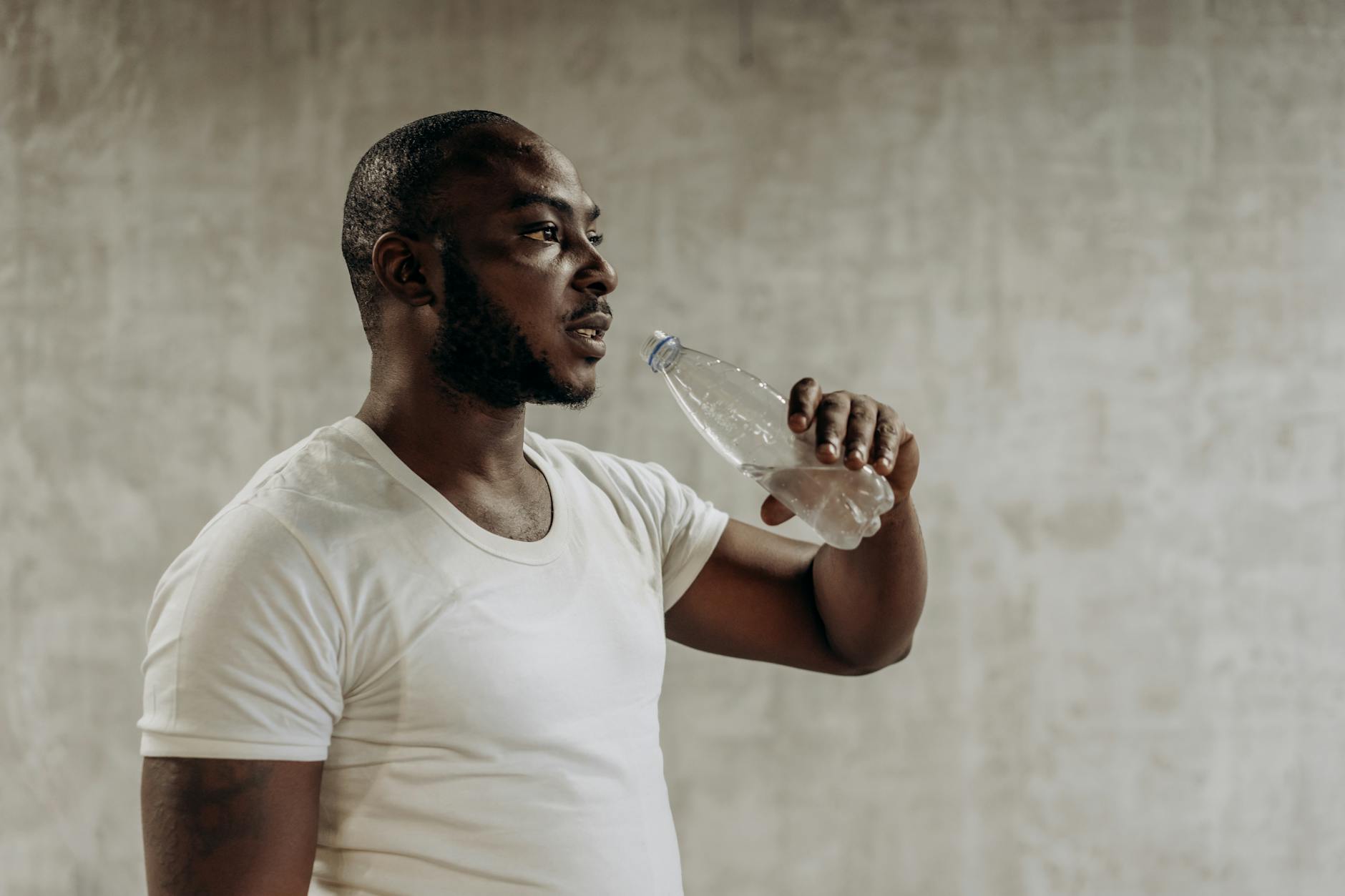
Mastering Workout Hydration Tips: Practical Strategies
So, how do we get this right? It’s not rocket science, but it does require a bit of conscious effort and planning. The goal is to stay ahead of the curve, not to play catch-up when your body is already screaming for water.
Before You Even Start: Pre-Hydration
The foundation for good hydration for workouts is laid before you even step onto the gym floor or the trail. Starting your workout already well-hydrated is half the battle. Aim to drink a good amount of water in the hours leading up to your session. A common recommendation is to drink about 16-20 ounces (around 500-600 ml) of water two to three hours before exercise.
Then, about 20-30 minutes before you begin, have another 8 ounces (around 240 ml). This ensures your body has ample fluid readily available for immediate use. Think of it as filling up the tank before a long drive.
During Your Sweat Session: Staying Fueled
This is where many people falter. Sipping water regularly is key. For moderate workouts lasting less than an hour, plain water is usually sufficient. Aim for 7-10 ounces (about 200-300 ml) every 10-20 minutes. For longer or more intense sessions, especially in hot conditions, you'll need to consider what else you're drinking.
You've probably noticed those water fountains at the gym or carrying a water bottle. Make it a habit to take a few sips every few minutes, especially during rest periods. Don't chug a whole bottle at once; that can lead to stomach discomfort and isn't as effective as consistent intake.
After the Burn: Post-Workout Recovery
The work isn't over when you finish your last rep or cross the finish line. Post-workout hydration is crucial for recovery. Your body needs to replace the fluids and electrolytes lost during exercise to repair muscle tissue and restore normal function. A good rule of thumb is to drink 16-24 ounces (around 500-700 ml) of fluid for every pound of body weight lost during your workout.
Weighing yourself before and after a particularly demanding workout can give you a very concrete idea of your fluid loss. If you lost 2 pounds, that means you need to replenish about 32-48 ounces of fluid. This might sound like a lot, but it’s spread out over the hours following your exercise.
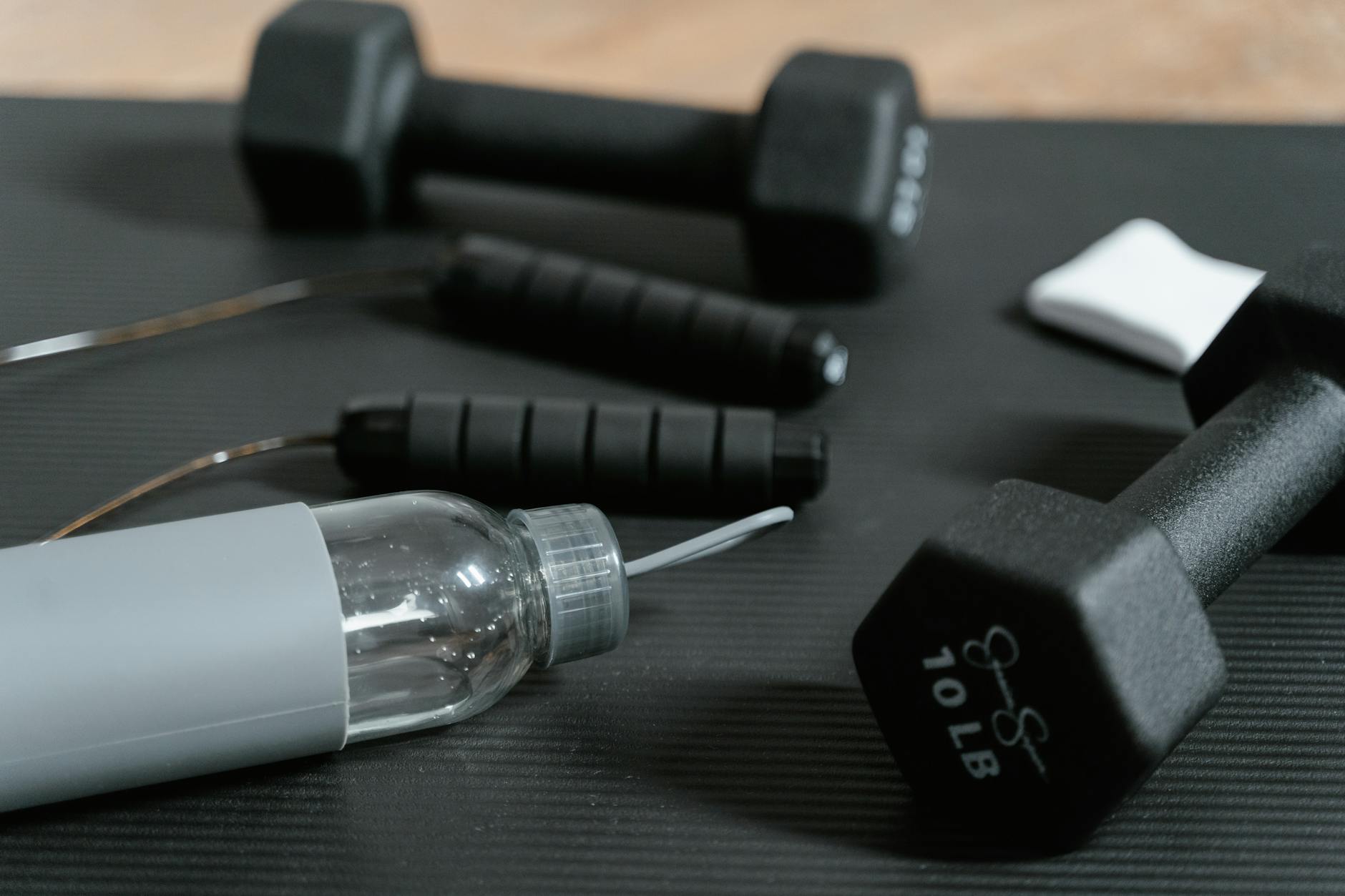
The Role of Electrolytes: More Than Just a Buzzword
For many, especially those engaging in prolonged or intense exercise, plain water might not be enough. This is where electrolytes come into play. Electrolytes are minerals like sodium, potassium, chloride, calcium, and magnesium that carry an electric charge. They are vital for muscle contractions, nerve impulses, and maintaining fluid balance. When you sweat heavily, you lose these essential minerals.
When Plain Water Falls Short
If you're exercising for more than 60-90 minutes, or if you're a heavy sweater (you know, the kind who leaves a puddle), you're likely losing significant amounts of electrolytes. In these situations, relying solely on water can actually dilute the electrolytes you still have in your body, potentially leading to hyponatremia (low blood sodium), which can be dangerous.
This is particularly relevant for endurance athletes like marathon runners or triathletes. Their bodies are under prolonged stress, and electrolyte balance is paramount for sustained performance and preventing cramping. The National Institutes of Health research on hydration for workouts often delves into the specific needs of these athletes.
What to Reach For: Best Drinks for Workouts
For shorter, less intense workouts, tap water is your best friend. It's calorie-free, readily available, and effective. However, for longer or more demanding sessions, consider these options:
- Sports Drinks: These are formulated to provide carbohydrates for energy and electrolytes like sodium and potassium to replace what's lost in sweat. They can be beneficial for endurance activities or very intense, prolonged workouts.
- Electrolyte Tablets/Powders: You can add these to plain water. They offer a targeted way to replenish electrolytes without the extra sugar found in many sports drinks.
- Coconut Water: A natural source of potassium and some other electrolytes, coconut water can be a good option, though it's lower in sodium than traditional sports drinks.
- Diluted Fruit Juice: Mix fruit juice with water (about 50/50) to get some carbohydrates and electrolytes, but be mindful of the sugar content.
I used to think any fancy drink was better, but honestly, for most people most of the time, good old water is king. It's the best drinks for workouts are the ones you'll actually consume consistently and that meet your specific needs.
The Sodium Connection
Sodium is often the electrolyte lost in the greatest quantities through sweat. It plays a critical role in fluid balance and nerve function. If you're experiencing muscle cramps, especially during or after exercise, it could be a sign of insufficient sodium intake. Don't be afraid of a little salt in your diet, especially if you're an active individual.
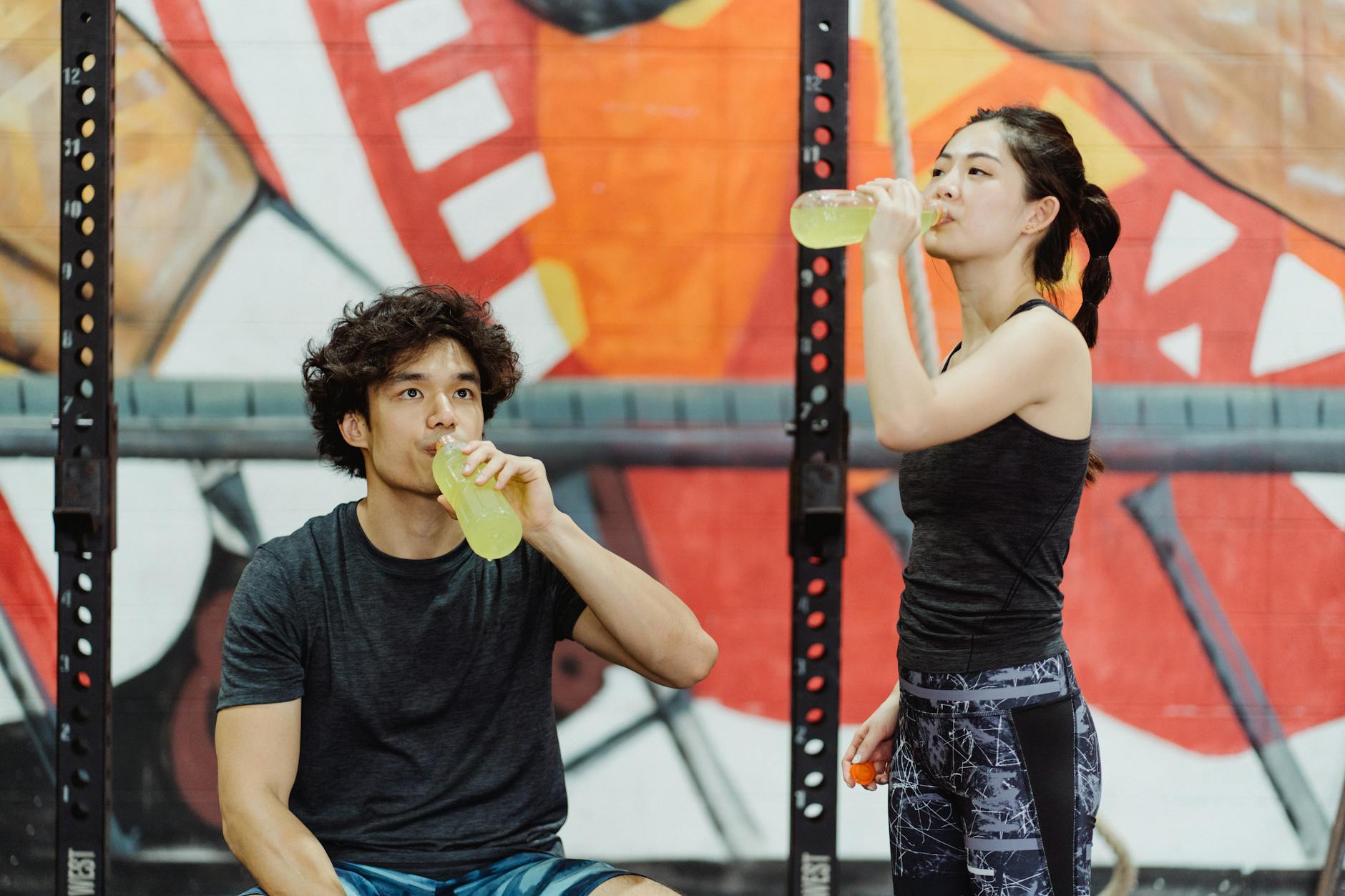
Common Mistakes and How to Avoid Them
Even with the best intentions, it's easy to fall into hydration pitfalls. Being aware of these common mistakes is the first step to avoiding them and optimizing your hydration for workouts.
Mistake 1: Relying on Thirst
As we've discussed, thirst is a lagging indicator. By the time you feel parched, your performance is already compromised. Make a conscious effort to drink on a schedule, especially during longer training sessions. Set reminders on your phone if you need to. It’s a simple habit that pays huge dividends.
Mistake 2: Overdoing Sugary Drinks
While carbohydrates are important for fuel during prolonged exercise, many sports drinks are loaded with sugar. This can lead to energy spikes and crashes, and if you're not burning it off, it can contribute to unwanted weight gain. Opt for lower-sugar alternatives or dilute your drinks if you're using them for shorter sessions.
Mistake 3: Forgetting About Electrolytes
Ignoring electrolyte replacement during long or intense workouts is a common oversight. This can lead to cramping, fatigue, and a general feeling of being "off." If you're sweating a lot, consider adding electrolytes to your hydration strategy.
Mistake 4: Not Adjusting for Conditions
Your hydration needs change drastically based on the weather. On a hot, humid day, you'll sweat much more than on a cool, dry one. You need to increase your fluid intake accordingly. Similarly, if you're training at altitude, your body loses fluid more rapidly, so be extra vigilant.
I remember one outdoor spring training session where I underestimated the heat. I felt great for the first 30 minutes, then suddenly hit a wall. My legs felt like lead, and I was dizzy. That was a wake-up call to always check the weather and adjust my water intake. For more on adapting to outdoor conditions, check out Spring Exercise Daylight: Maximize Your Workouts Now!
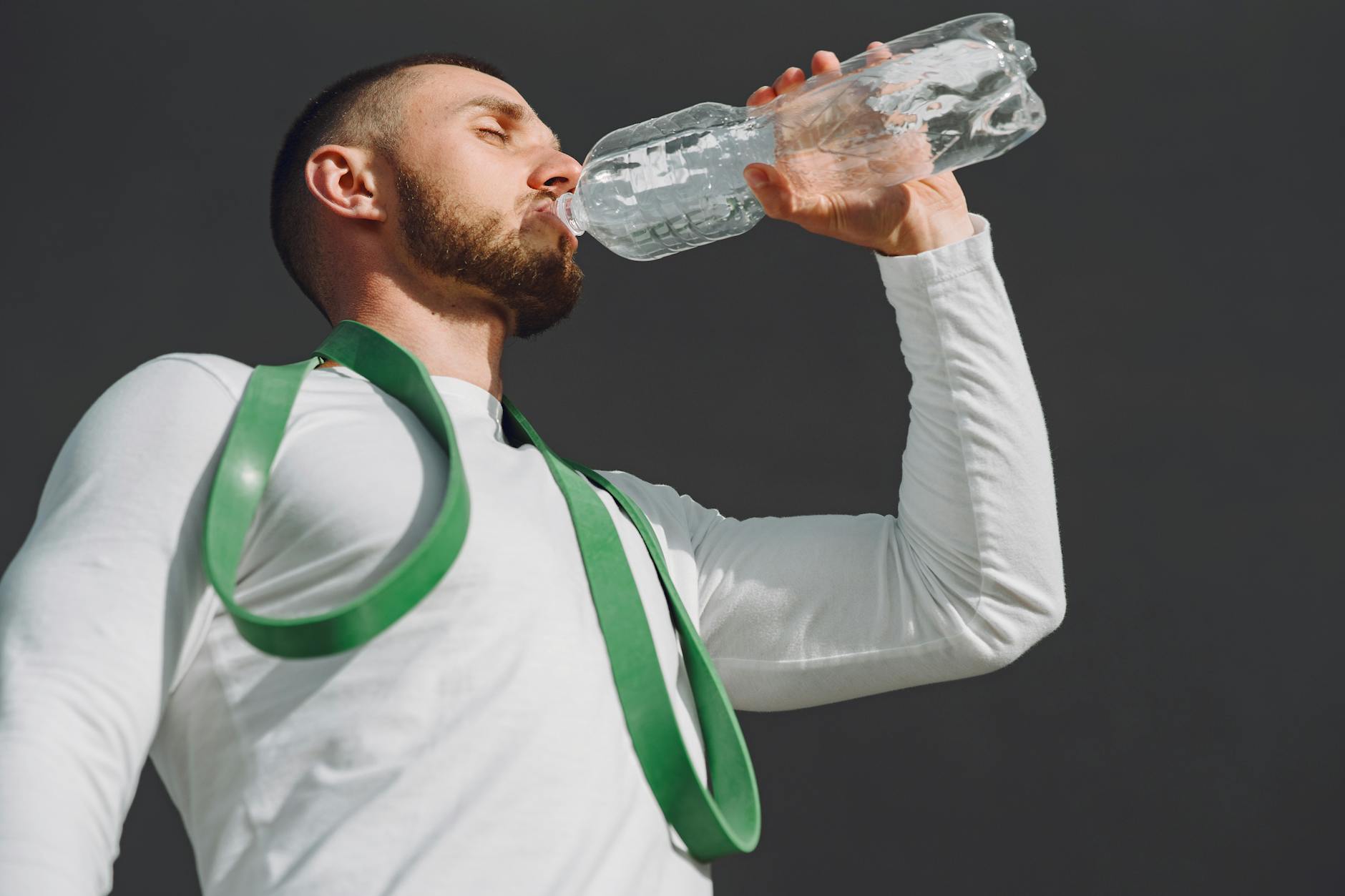
Natural Hydration Boosters and Smart Choices
Beyond water and sports drinks, there are plenty of natural ways to boost your hydration and make smart choices that support your fitness goals.
Hydrating Foods
Did you know that a significant portion of your daily fluid intake can come from the food you eat? Many fruits and vegetables have a very high water content. Think watermelon, strawberries, cantaloupe, cucumbers, celery, and lettuce. Incorporating these into your diet, especially around your workouts, can contribute to your overall hydration status.
Listen to Your Body: A Personal Journey
Ultimately, the best hydration strategy is one that works for YOU. We are all different, and our sweat rates, body compositions, and metabolic rates vary. Pay attention to how your body feels. Are you experiencing headaches? Are your muscles cramping? Is your energy crashing? These are all clues that your hydration might need attention.
This personalized approach is key. What works for a seasoned marathoner might be overkill for someone doing a 30-minute brisk walk. Experiment with different strategies and find what makes you feel your best during and after your workouts. You might be surprised at how much of a difference it makes to your overall fitness, even your Advanced Core Training: Spring Your Fitness Forward.
The Importance of Consistency
Hydration isn't a one-time fix; it's a daily habit. Consistently meeting your fluid needs throughout the day, not just around your workouts, will set you up for success. Make water your primary beverage and keep a water bottle with you wherever you go. This simple act can dramatically improve your energy levels, focus, and physical performance.
Here's the thing: getting hydration for workouts right is foundational to everything else you do in fitness. It supports muscle repair, energy production, temperature regulation, and even cognitive function. Don't let this simple, yet powerful, element hold you back from reaching your potential.
So, next time you're gearing up for a workout, take a moment to think about your hydration. Are you prepared? Are you prioritizing it? The effort you put into staying hydrated will be repaid tenfold in your performance and how you feel. It’s one of the most practical, impactful things you can do for your fitness, plain and simple. For more on staying on track with your fitness goals, especially during changing seasons, consider looking at Spring Strength Moves: 5 Fast Workouts for Busy Mornings or Outdoor Spring Activities: Fun Ways to Get Active.