
The Truth About the Best Recovery Drink
There's this pervasive myth out there that the absolute best recovery drink is some kind of magic potion, a single, pre-packaged solution that will instantly fix everything after a tough workout. Honestly, I used to fall for it too. I’d see athletes chugging brightly colored beverages and assume that was the secret sauce. But years of sweat, sore muscles, and countless post-exercise meals have taught me a much more nuanced, and frankly, more effective lesson: the "best" recovery drink isn't a one-size-fits-all product; it's a personalized strategy built on understanding what your body truly needs.
It’s less about the brand name on the bottle and more about the science behind what’s *in* the bottle, or more accurately, what you’re putting into your body. We push ourselves, we demand a lot from our physical selves, and then we often shortchange the crucial phase of recovery. This is where the real gains are made, where your muscles rebuild stronger, and where you prepare for your next challenge.
Why We Get Recovery Wrong
We often treat recovery as an afterthought, something to deal with *if* we remember or *if* we have the time. This casual approach leads to suboptimal results, prolonged fatigue, and even increased risk of injury.
The Myth of the "Quick Fix"
The idea that a single drink can undo hours of hard work is appealing, but it’s rarely the full story. Think about it: your body undergoes significant stress during intense exercise. It needs more than just a sugary boost to bounce back.
Ignoring Individual Needs
What works for a marathon runner might be overkill for a weightlifter, and vice versa. Our bodies are unique, and our recovery needs should reflect that.

Decoding Post-Workout Needs
When you finish a demanding workout, your body is in a state of depletion and repair. It’s crying out for specific nutrients to kickstart the healing process. The primary goals of a good post workout drink are to replenish energy stores, repair muscle tissue, and rehydrate.
Replenishing Energy Stores
During exercise, your muscles burn through glycogen, their primary fuel source. Replenishing these stores is critical for preventing fatigue and preparing for your next training session.
The Role of Carbohydrates
Simple carbohydrates are excellent for rapid glycogen replenishment. Think of them as the quick-start fuel that gets the engine running again. However, the *type* and *amount* matter, depending on the intensity and duration of your workout. For longer, more intense sessions, a balanced approach with both simple and complex carbs can be beneficial.
Muscle Repair and Growth
Exercise, especially resistance training, causes microscopic tears in muscle fibers. This is a natural and necessary part of the adaptation process. Your body needs protein to rebuild these fibers, making them stronger and more resilient.
The Protein Powerhouse
Protein provides the amino acids that are the building blocks of muscle. Without adequate protein intake post-workout, muscle repair is significantly hindered. This is where a quality protein shake often shines.
The Importance of Hydration and Electrolytes
You sweat out a lot more than just water during exercise. You lose vital electrolytes like sodium, potassium, and magnesium, which are crucial for nerve function, muscle contractions, and fluid balance.
Beyond Just Water
While water is essential, it’s often not enough on its own after a strenuous workout. Replacing lost electrolytes is key to preventing cramps, dizziness, and rehydration fatigue. You've probably noticed how much better you feel when you've had something to sip on that contains a bit of salt after a long, hot run.
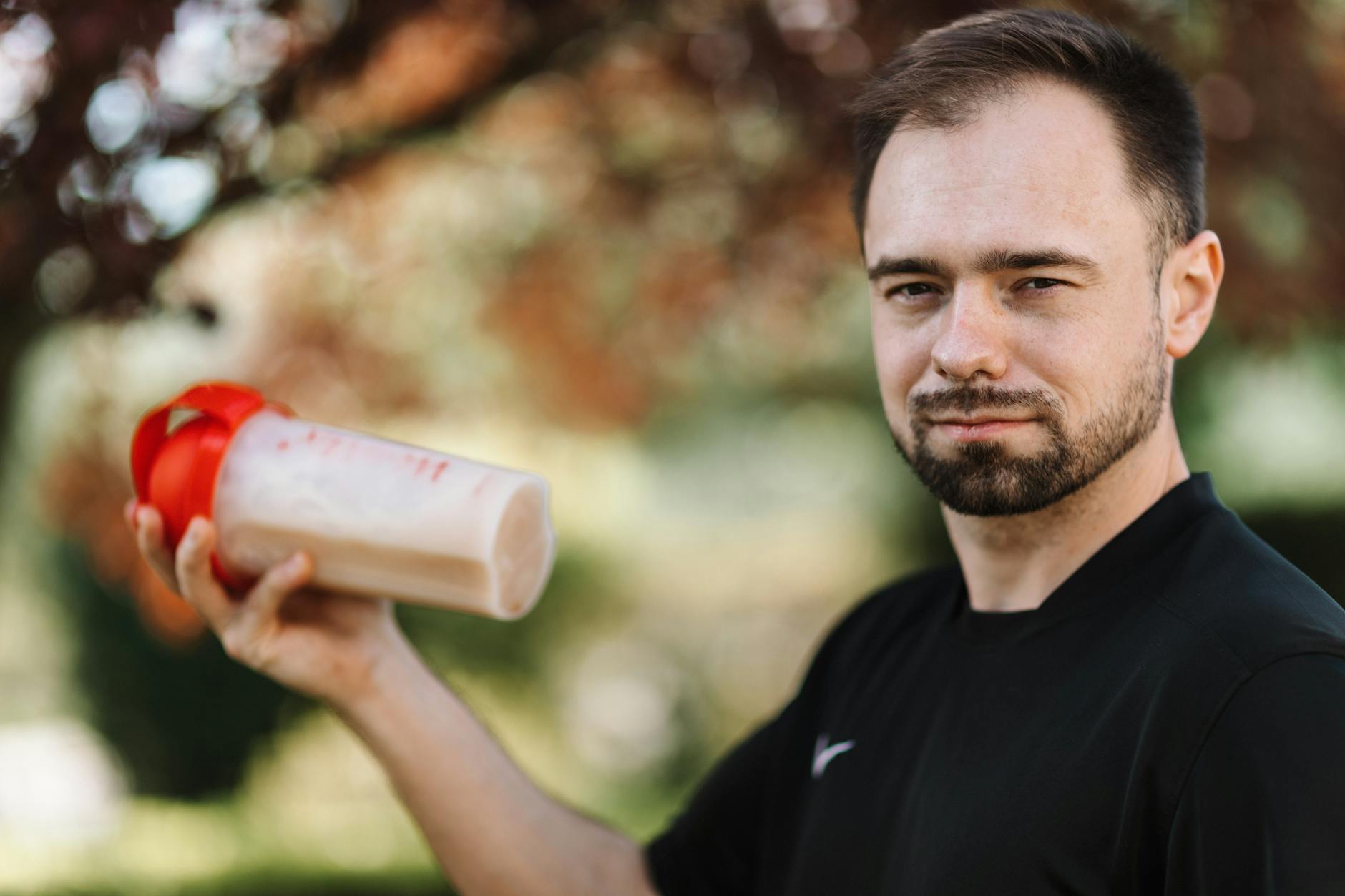
Crafting Your Personal Best Recovery Drink
So, if there’s no single "best recovery drink" on the shelf, how do you figure out what’s right for you? It comes down to understanding the core components and tailoring them to your specific activity and goals.
The Protein Component: More Than Just a Shake
Protein is non-negotiable for muscle recovery. Whey protein is a popular choice because it's fast-digesting and rich in branched-chain amino acids (BCAAs), which are vital for muscle repair. Casein protein digests more slowly, offering a sustained release of amino acids, which can be beneficial overnight.
Whey vs. Casein: When to Use What
For immediate post-workout needs, whey is often preferred. If you're looking for a longer recovery period, like before bed, casein might be a better fit. But honestly, for many, a blend or even just a good quality whey protein shake is perfectly adequate. This one surprised me; I used to think I needed a complex blend, but a simple, high-quality whey did wonders.
Carbohydrates: Fueling the Replenishment
The amount and type of carbohydrates you need depend heavily on your workout. A short, moderate-intensity session might not require a significant carb boost, whereas a long endurance event or a brutal HIIT session will.
Simple vs. Complex Carbs
Simple carbs (like fruit juice or dextrose) provide quick energy. Complex carbs (like oats or sweet potatoes) offer a more sustained release. For immediate post-workout, a mix can be ideal. For example, after a 90-minute trail run, I’d often pair my protein with a banana and a small serving of cooked quinoa.
Electrolytes: The Unsung Heroes
You can get electrolytes from various sources. Coconut water is a natural source of potassium. Adding a pinch of sea salt to your water or recovery shake can help replace sodium. Many sports drinks are formulated with a precise balance of electrolytes, but you can also achieve this naturally.
Natural Electrolyte Sources
Don't underestimate the power of whole foods. Bananas for potassium, leafy greens for magnesium (essential for women’s energy levels, as highlighted in research on Magnesium for Women), and even a small amount of salty crackers can contribute.
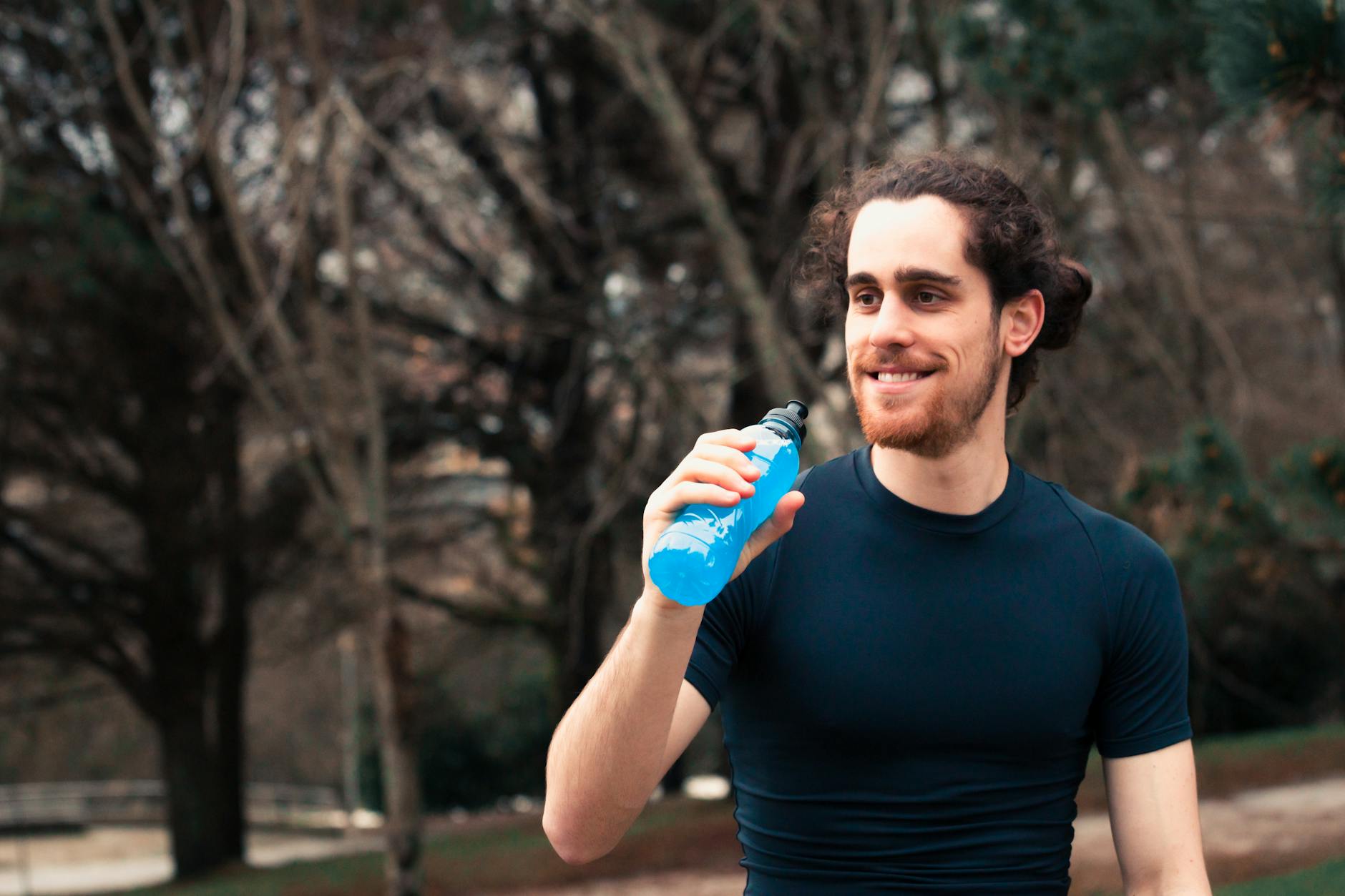
Putting It All Together: Real-World Examples
Let's move beyond theory and look at how this plays out in practice. These aren't just generic recommendations; these are the kinds of combinations I've found incredibly effective for myself and athletes I've worked with.
The Endurance Athlete's Go-To
After a long run or cycling session, the focus is on replenishing glycogen and repairing muscle damage.
Post-Marathon Recovery Blend
A common and effective post-marathon recovery drink might consist of:
- 1 scoop whey protein
- 1 cup milk (dairy or non-dairy)
- 1/2 cup fruit juice (e.g., orange or cherry for antioxidants)
- 1/2 banana
- A pinch of sea salt
This provides a good balance of protein, fast-acting carbohydrates, and essential electrolytes.
The Strength Trainer's Choice
For those focused on building muscle, protein intake is paramount, with carbohydrates supporting the recovery process.
Post-Lifting Shake
A typical post-lifting recovery drink could be:
- 1.5 scoops whey protein
- 1 cup water or almond milk
- 1/4 cup oats (can be blended in for thickness and carbs)
- Optional: A tablespoon of peanut butter for healthy fats and extra calories
This prioritizes protein while providing some complex carbohydrates to aid in muscle repair and energy replenishment.
The Busy Professional's Quick Fix
When time is of the essence, convenience is key, but effectiveness shouldn't be sacrificed.
On-the-Go Recovery Smoothie
A quick and portable option:
- Pre-portioned bag of frozen fruit (berries, mango)
- 1 scoop protein powder
- A handful of spinach (you won't taste it!)
- Water or coconut water
Blend this up at home and take it with you, or use a portable blender. This is also a great way to incorporate nutrient-dense foods that can help combat inflammation, similar to the principles in a Spring Inflammation Diet.

Beyond the Drink: Holistic Recovery Strategies
While the best recovery drink is a vital piece of the puzzle, it's not the whole picture. True athletic recovery is a multi-faceted approach.
Sleep: The Ultimate Recovery Tool
There is no substitute for quality sleep. During deep sleep, your body releases growth hormone, which is crucial for tissue repair and muscle growth. Aim for 7-9 hours of uninterrupted sleep per night.
Prioritizing Sleep Hygiene
Creating a consistent sleep schedule, making your bedroom dark and cool, and avoiding screens before bed can significantly improve sleep quality.
Nutrition Timing: When You Eat Matters
The window immediately after exercise is often referred to as the "anabolic window," where your body is most receptive to nutrient uptake. Consuming your recovery nutrition within 30-60 minutes post-workout can maximize its benefits.
Don't Stress Too Much
While timing is important, don't let it become a source of anxiety. Consistent, quality nutrition throughout the day, coupled with post-workout refueling, is more critical than hitting a perfectly timed minute.
Active Recovery and Mobility
Gentle movement like walking, swimming, or yoga can improve blood flow to muscles, aiding in the removal of metabolic byproducts and reducing soreness. Foam rolling and stretching also play a significant role. You might find that incorporating some of the principles of Staying Hydrated in Spring, which often involves more movement, can also benefit your recovery.
Listening to Your Body
Pay attention to how your body feels. If you’re exceptionally sore, opt for gentler forms of active recovery. Pushing through severe pain can be counterproductive.
The Bottom Line on Your Best Recovery Drink
Finding your best recovery drink is an ongoing process of self-experimentation and understanding. It’s about moving past the marketing hype and tuning into what your body truly needs after you’ve challenged it. The goal is to provide the right mix of protein for muscle repair, carbohydrates for energy replenishment, and electrolytes for hydration and function.
Don't be afraid to mix and match, to try whole foods, and to adjust based on your training intensity and personal response. The most effective recovery strategies are the ones you can consistently implement and that genuinely make you feel better, stronger, and more prepared for whatever comes next. Research from institutions like the National Institutes of Health consistently shows that personalized nutrition plans lead to better outcomes. So, experiment, listen to your body, and build a recovery routine that truly serves you.