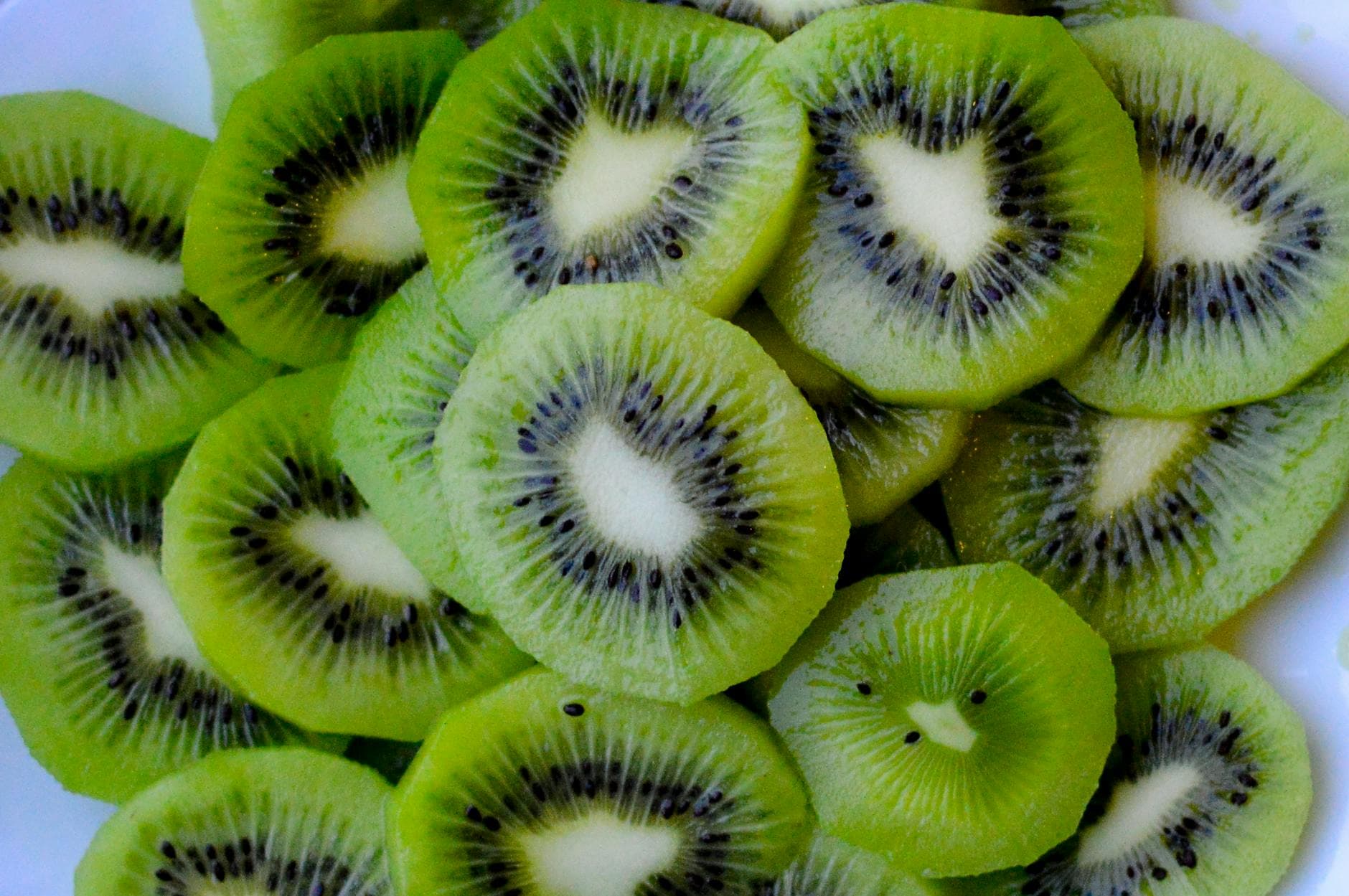
I remember staring into my refrigerator, feeling utterly defeated. It was late afternoon, and I was ravenous, but everything in sight felt… heavy. A half-eaten bag of chips, leftover pasta, a sad-looking sandwich. My energy levels were plummeting, and the thought of cooking something substantial felt like climbing Mount Everest. That’s when I started thinking about the magic of simplicity, and how much of our food’s vitality gets lost in cooking. This is how my journey into understanding raw food nutrition truly began.
The Allure of Uncooked Foods: What's the Big Deal?
Nature's Intent: Food as It Is
At its core, the concept of raw food nutrition is simple: eating foods that haven't been heated above a certain temperature, typically around 104-118°F (40-48°C). This isn't about deprivation; it's about embracing the inherent goodness of fruits, vegetables, nuts, seeds, and sprouted grains and legumes. Think of a perfectly ripe mango, a crisp apple, or a handful of crunchy almonds. These foods, in their natural state, are packed with nutrients that can be diminished or destroyed by heat. It’s about tapping into the living essence of our food.
Beyond Vitamins: The Enzyme Factor
One of the most talked-about aspects of raw food nutrition is the presence of enzymes. These are biological catalysts that help our bodies digest food and perform countless other functions. When we cook food, especially at high temperatures, these delicate enzymes are largely destroyed. Proponents of the raw food diet believe that by consuming raw foods, we provide our bodies with these beneficial enzymes, reducing the workload on our own digestive system and allowing our bodies to better absorb nutrients. While the science on ingested enzymes directly supplementing our body's enzymes is still being explored, there's no denying the vibrant nature of uncooked food benefits.
The Raw Food Diet: A Spectrum of Approaches
It's important to understand that the "raw food diet" isn't a monolith. Some people follow a strict 100% raw vegan nutrition approach, consuming only plant-based raw foods. Others might incorporate a higher percentage of raw foods into a predominantly cooked diet, or include raw animal products like unpasteurized dairy or certain types of fish. The benefits of raw food aren't necessarily an all-or-nothing proposition; even increasing your intake of raw fruits and vegetables can make a significant difference. You might be wondering if a fully raw lifestyle is for you, and that's a valid question.
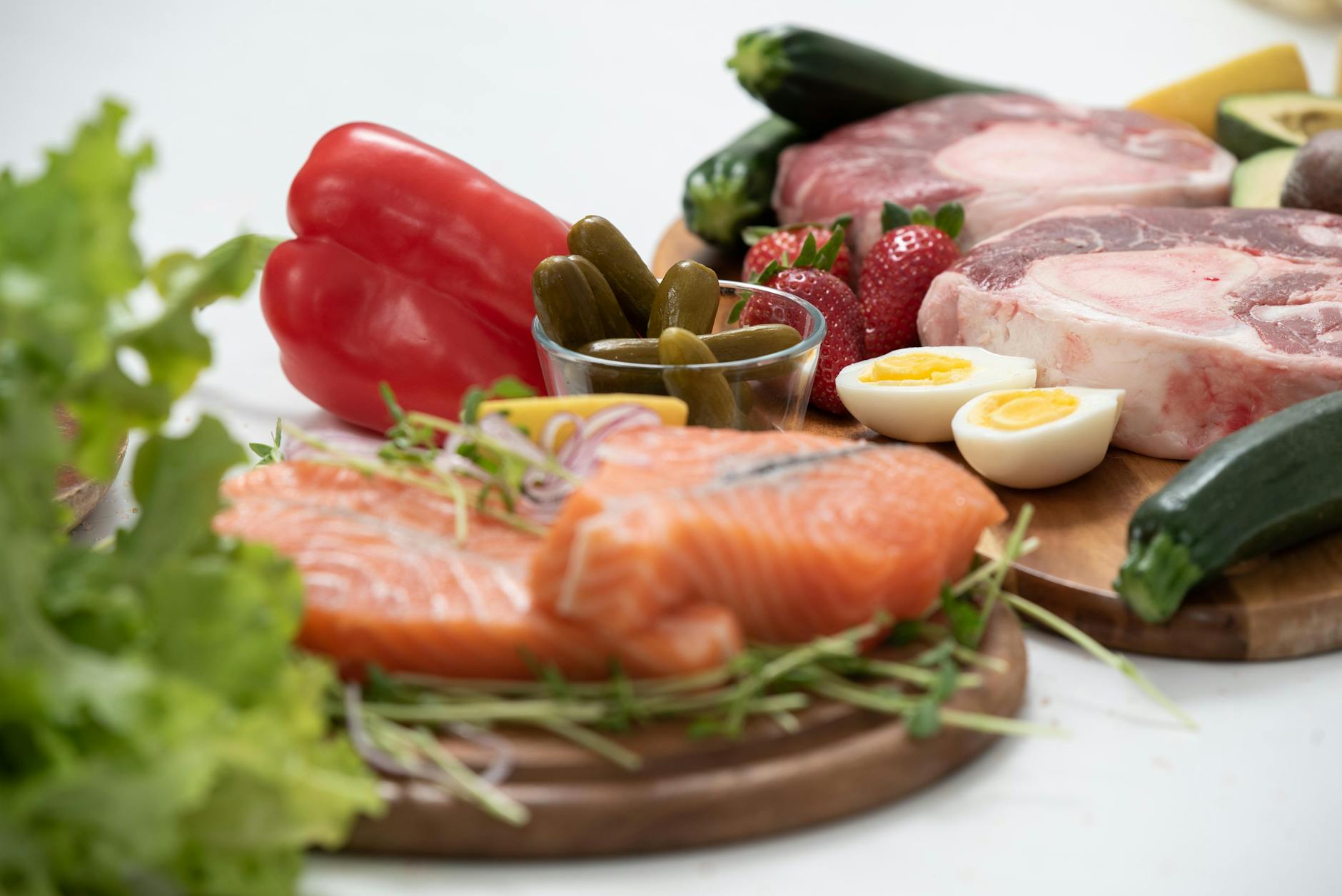
Unlocking the Benefits of Raw Food Nutrition
A Nutrient Powerhouse
When you eat raw fruits and vegetables, you're getting a concentrated dose of vitamins, minerals, antioxidants, and fiber. These are the building blocks for a healthy body, supporting everything from your immune system to your skin health. For instance, Vitamin C, abundant in raw bell peppers and citrus fruits, is highly sensitive to heat. Cooking it can significantly reduce its potency. This is why focusing on raw food nutrition can be so impactful for overall wellness.
Digestive Ease and Absorption
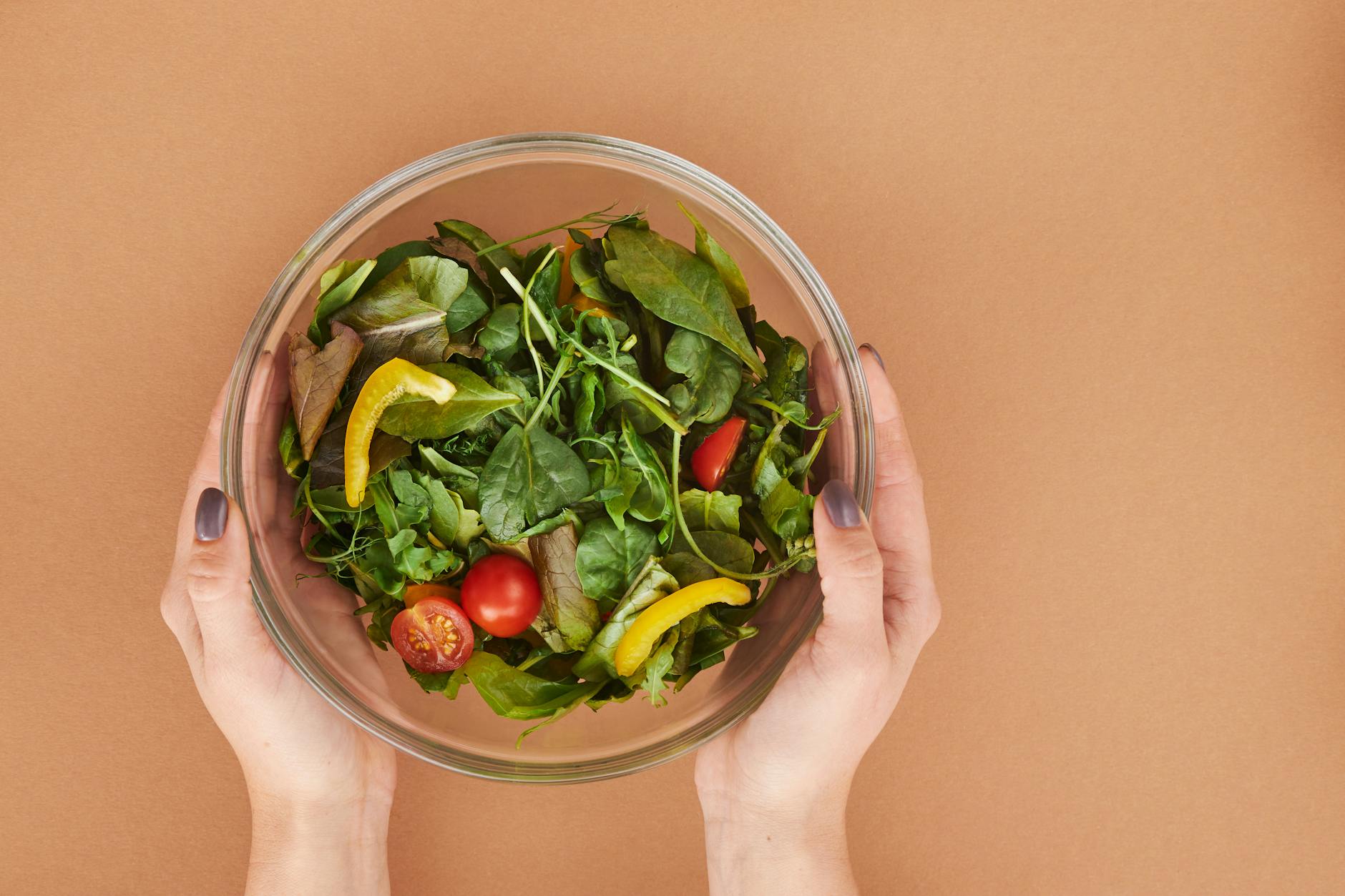
As mentioned, the enzymes in raw foods can play a role in digestion. Furthermore, the high fiber content in raw fruits and vegetables promotes healthy gut motility and can help you feel fuller for longer. This can be incredibly helpful if you're looking to boost metabolism naturally, as a well-functioning digestive system is key. Think about the last time you ate a big, vibrant salad – you likely felt satisfied and energized, not sluggish.
Potential for Detoxification and Energy
Many people report feeling more energetic and experiencing a sense of "cleansing" when they adopt a diet higher in raw foods. This raw food detoxification can be attributed to reducing the burden of processed, cooked foods on the body and flooding it with nutrient-dense, easily digestible plant matter. It’s like giving your internal systems a much-needed spa treatment. This increased vitality might even contribute to better mood and mental clarity.
The Hydration Advantage
Fruits and vegetables are naturally high in water content. By incorporating a significant amount of raw produce into your diet, you're naturally increasing your fluid intake, which is crucial for staying hydrated, especially as the weather warms up. This ties into the importance of Staying Hydrated Spring: Refreshing Tips Beyond Water.
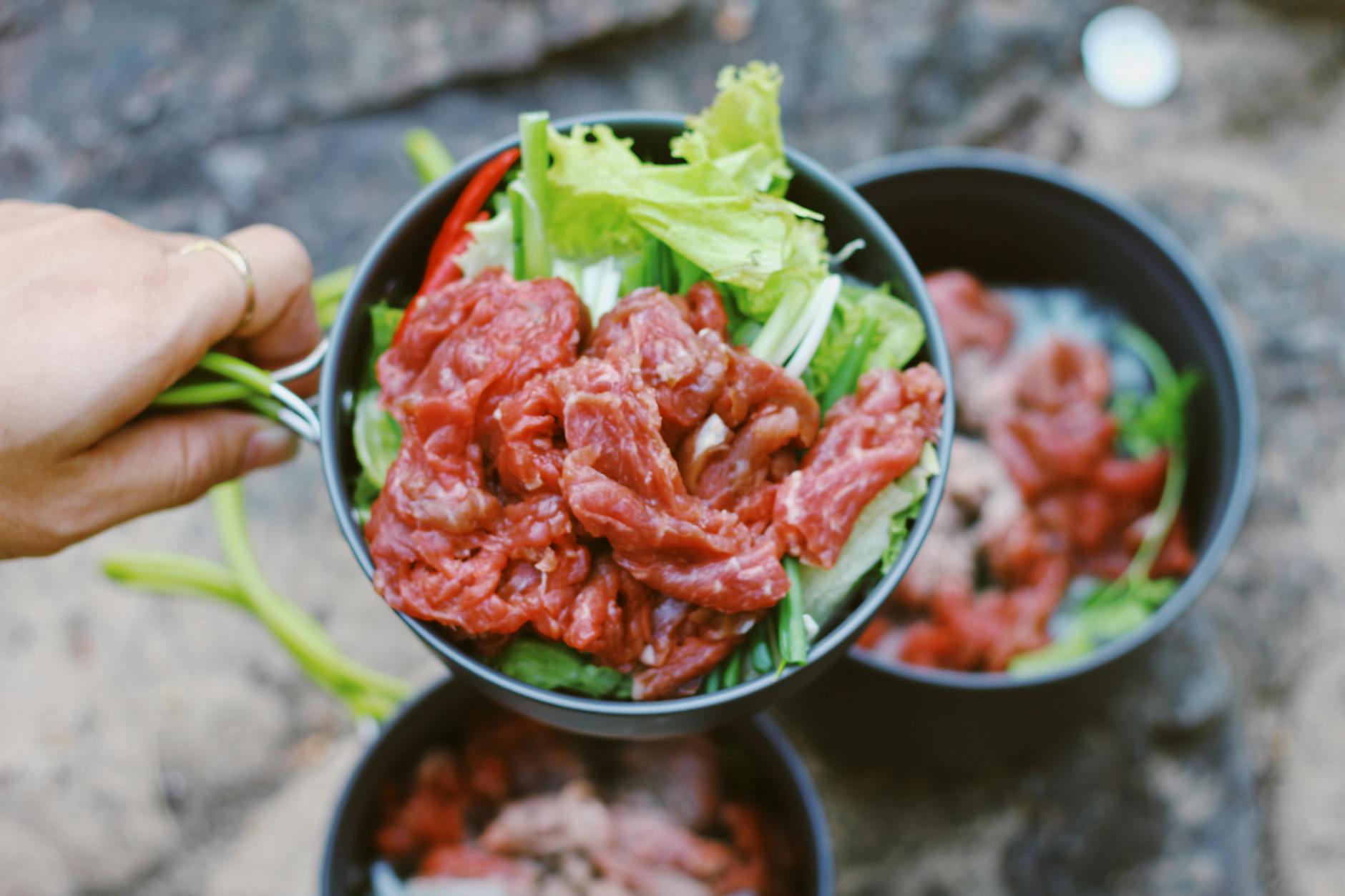
Crafting Your Raw Nutrition Plan: Practical Steps
Start Small, Think Big
Here's the thing: you don't have to go 100% raw overnight. That's overwhelming for most people, myself included when I first started exploring this. A more practical approach is gradual integration. Begin by swapping out one cooked meal a day for a raw option. Perhaps your breakfast becomes a smoothie or a fruit salad. Maybe your lunch is a large, vibrant salad with nuts and seeds. This makes the transition manageable and allows you to explore raw food recipes without feeling deprived.
Embrace the Versatility of Raw Food Recipes
When people think of raw food recipes, they often picture bland salads. But oh, how wrong that is! The world of raw cuisine is incredibly creative and delicious. Think raw lasagna with cashew cheese, zucchini noodles with avocado pesto, raw energy balls, dehydrated crackers, and fruit-based desserts that are surprisingly decadent. There are fantastic resources online and in cookbooks dedicated to raw vegan nutrition that will ignite your culinary imagination. Don't be afraid to experiment!
Smart Raw Food Meal Prep
Like any healthy eating plan, raw food meal prep is key to success. Dedicate some time each week to washing and chopping vegetables, making a big batch of salad dressing, soaking nuts and seeds, and preparing raw snacks. Having pre-portioned ingredients ready to go makes assembling meals quick and easy, especially on busy weekdays. I used to think meal prep was a chore, but now I see it as an investment in my well-being. For example, spending an hour on Sunday prepping can save you immense time and prevent unhealthy impulse choices during the week.
Understanding Sprouting and Fermentation
Two powerful techniques in the raw food world are sprouting and fermentation. Sprouting grains, legumes, and seeds can make them more digestible and increase their nutrient content. Fermented foods like sauerkraut and kimchi, when consumed raw, provide beneficial probiotics for gut health. These living foods diet staples are nutritional powerhouses.
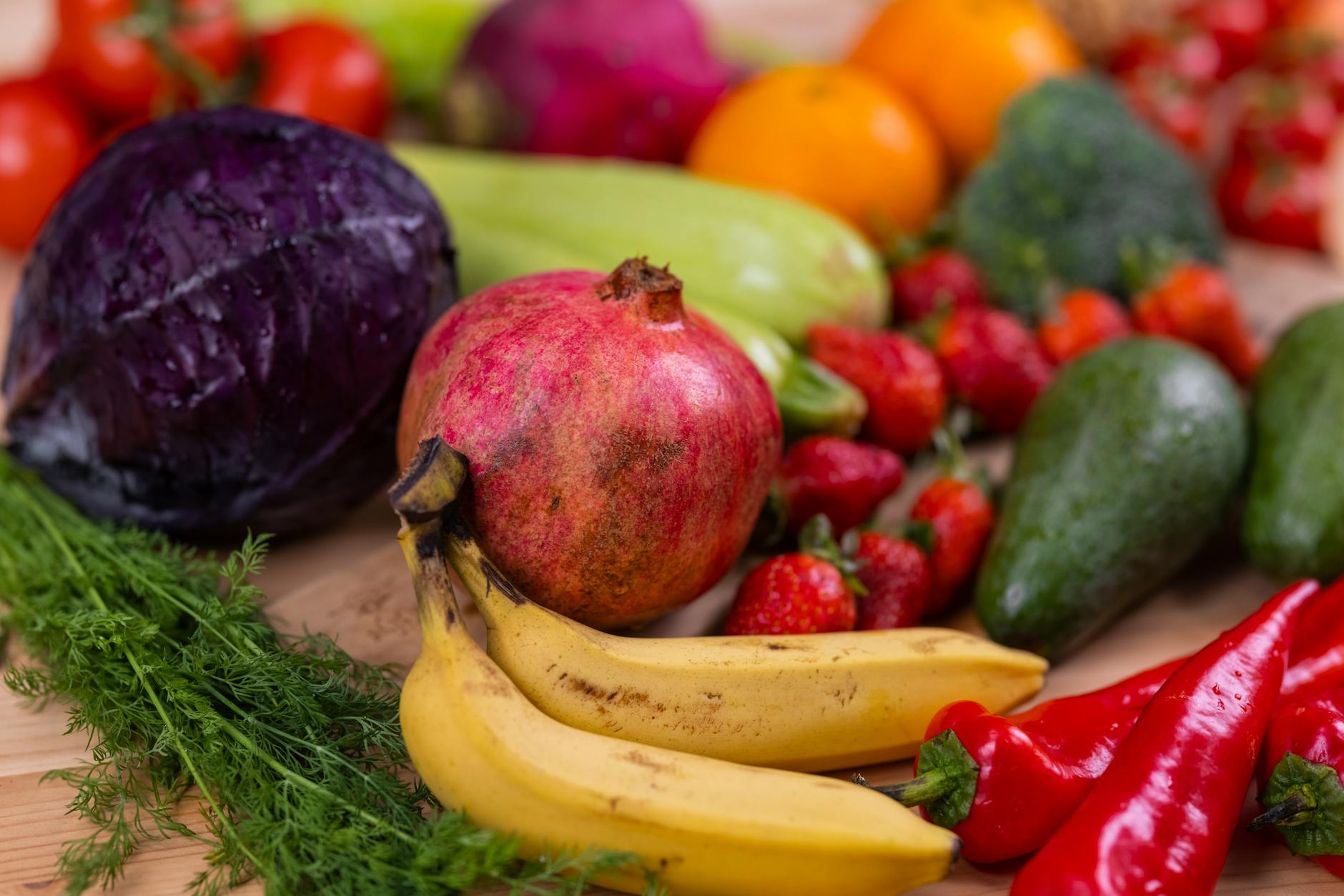
Navigating the Challenges and Considerations
Potential Nutrient Gaps
While raw foods are incredibly nutritious, there are some nutrients that can be harder to obtain in sufficient quantities on a strictly raw diet. Vitamin B12 is a prime example, as it's primarily found in animal products. If you're considering a raw vegan nutrition plan, supplementation is often necessary. Similarly, iron and calcium absorption might need extra attention. Consulting with a healthcare professional or a registered dietitian knowledgeable in raw food nutrition is highly recommended to ensure you're meeting all your nutritional needs. The World Health Organization research on raw food nutrition often highlights these considerations.
Digestive Adjustments
For some individuals, a sudden increase in raw fiber can lead to temporary digestive discomfort like bloating or gas. This is your body adjusting to a higher intake of fiber and roughage. Starting slowly, as mentioned, and chewing your food thoroughly can help mitigate these issues. Listening to your body is paramount. If you’re experiencing significant discomfort, it’s a sign to ease up and re-evaluate your approach.
Social and Practical Hurdles
Eating out, attending social gatherings, and even grocery shopping can present unique challenges when you're following a raw food diet. Not all restaurants offer raw options, and explaining your dietary choices to friends and family can sometimes feel awkward. Be prepared with healthy snacks, research restaurants in advance, and communicate your needs clearly and kindly. The raw food advantages are significant, but social navigation is part of the journey.
The Importance of Balance
I'll be real with you, a strict 100% raw diet isn't for everyone, and it doesn't have to be. The benefits of raw food are undeniable, but so is the value of a balanced approach. Finding a way to incorporate more raw, nutrient-dense foods into your existing diet can yield incredible results without requiring a complete overhaul. Perhaps you focus on raw breakfasts and lunches, or you commit to a "raw day" once a week. The goal is progress, not perfection. This is why understanding magnesium for women and its role in energy levels, for example, is so important, regardless of your specific diet. A balanced approach ensures you're getting all the vital nutrients you need, like Magnesium for Women: Boost Energy & Health.
My Personal Take: Embracing the Raw Food Advantages
A Shift in Perspective
For me, exploring raw food nutrition wasn't just about what I was eating; it was about a fundamental shift in how I viewed food. I started to appreciate the incredible energy contained within simple, uncooked ingredients. I noticed how much better I felt when my meals were vibrant, colorful, and alive. This often leads people to think about post-workout nutrition, and finding the Best Recovery Drink: Top Picks for Faster Muscle Repair is crucial, but so is the daily fuel we provide our bodies.
The Joy of Simple, Delicious Food
Honestly, some of the most satisfying meals I've ever had were raw. A perfectly ripe avocado mashed with lime and sea salt on a bed of crisp lettuce, a refreshing gazpacho on a hot day, or a simple apple with almond butter. These are not complicated recipes, but they are deeply nourishing and delicious. The raw food advantages extend beyond mere physical health; there's a mental clarity and lightness that comes with eating this way.
It's About Nourishment, Not Deprivation
This is the core message I want to leave you with. Raw food nutrition isn't about restriction; it's about abundance. It's about choosing foods that truly nourish your body and soul. It’s about reconnecting with the natural world and the incredible gifts it provides. Whether you decide to go fully raw or simply incorporate more raw meals into your week, the journey towards a more vibrant, energized life is always worth it. The Mayo Clinic research on raw food nutrition often points to the general health benefits of a diet rich in fruits and vegetables, which aligns with these principles.