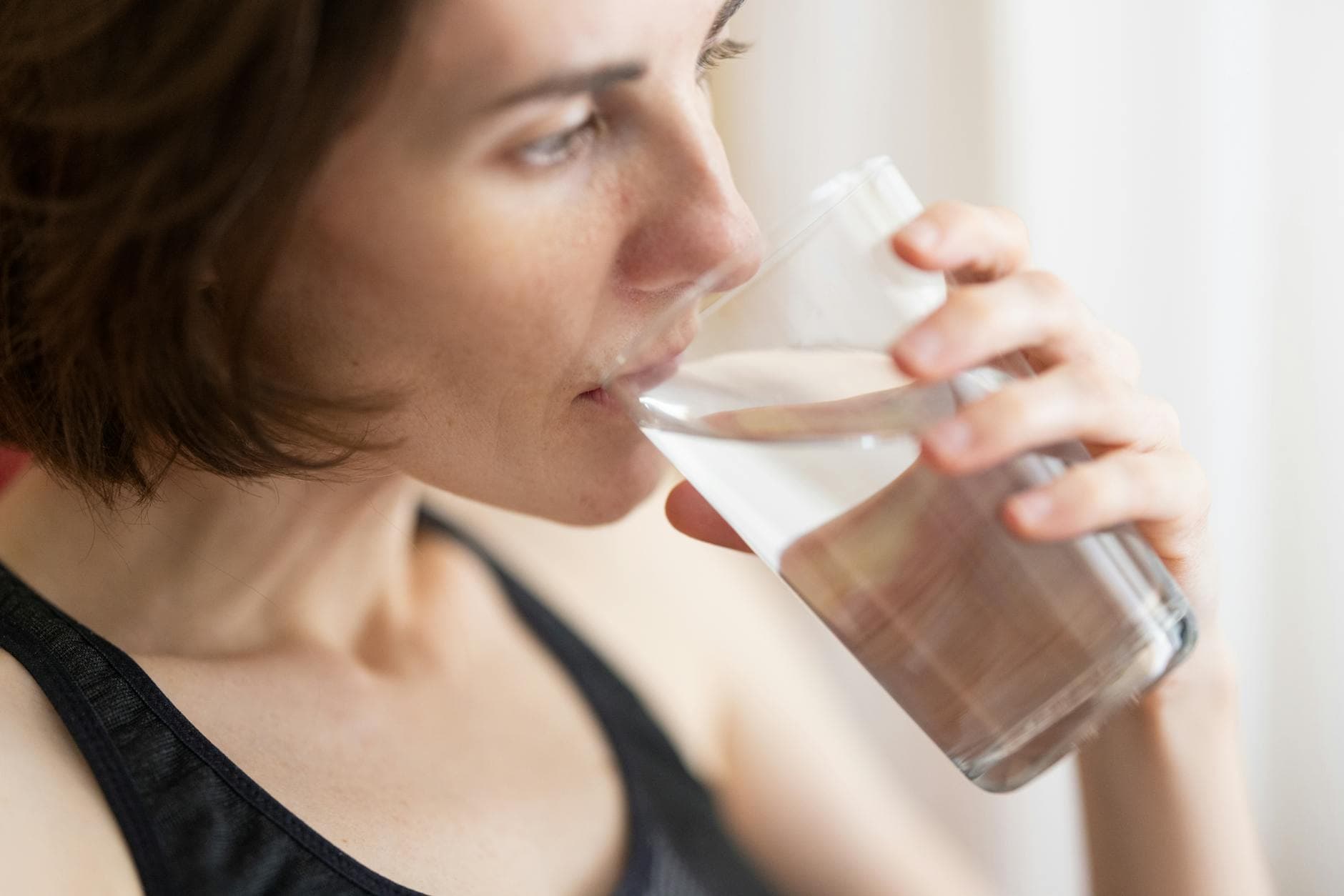
The first warm breeze of spring often carries with it a sense of renewal, a gentle nudge to shed the heavier layers of winter and embrace the outdoors. You step outside, and the sun feels a little warmer on your skin, the birdsong a little louder. But I’ll be real with you, that same sun, coupled with increased activity, can sneak up on your hydration levels faster than you think. Staying hydrated spring is more than just a good idea; it's foundational to feeling that renewed energy you crave. I remember one spring, after a particularly harsh winter, I was so eager to get back into hiking that I pushed myself hard on a beautiful Saturday. By midday, I was utterly drained, head pounding, and just felt… off. It wasn't until I sat down, chugging lukewarm water from my bottle, that I realized how badly I’d neglected the basics. That was a wake-up call.
The Subtle Shift: Why Spring Demands More Hydration
The Thaw and Your Body
Winter often lulls us into a more sedentary, indoor lifestyle. We might crave warmer, heavier foods and unconsciously reduce our fluid intake because we're not sweating as much. Then spring arrives, and suddenly, we want to *do* things. We’re gardening, hiking, biking, or simply spending more time outside. This increased physical activity, even if it doesn't feel intense, significantly ups our fluid needs. The air might also be drier, especially in early spring, which can increase insensible water loss through breathing and skin evaporation. It’s a double whammy: you’re losing more water, and you’re often more active.
Beyond Thirst: The Deeper Signals
Thirst is a lagging indicator. By the time you feel truly thirsty, you’re already on your way to dehydration. Think about the last time you felt sluggish in the afternoon. Was it hunger, or was it a subtle cry for water? Many of us mistake mild dehydration for fatigue or even hunger pangs. Headaches, dry mouth, reduced urine output (and a darker color!), and that general feeling of being "off" are all signals your body is sending you. Learning to recognize these subtle cues is a game-changer for maintaining optimal hydration.
The Spring Water Intake Equation
There’s no single magic number for how much water everyone needs, but a good starting point is often cited as around eight 8-ounce glasses a day. However, this is just a baseline. Factors like your activity level, the climate, your body weight, and even your diet play a role. During spring, when you're likely more active and potentially exposed to drier air, you’ll probably need more. Don't just stick to a rigid number; listen to your body and adjust. I’ve found that aiming for a slightly larger water bottle and making a conscious effort to refill it at least twice during the day is a practical way to ensure I'm getting enough.
Hydration Tips Spring: Practical Wisdom from Experience
Making Water Your Spring Companion
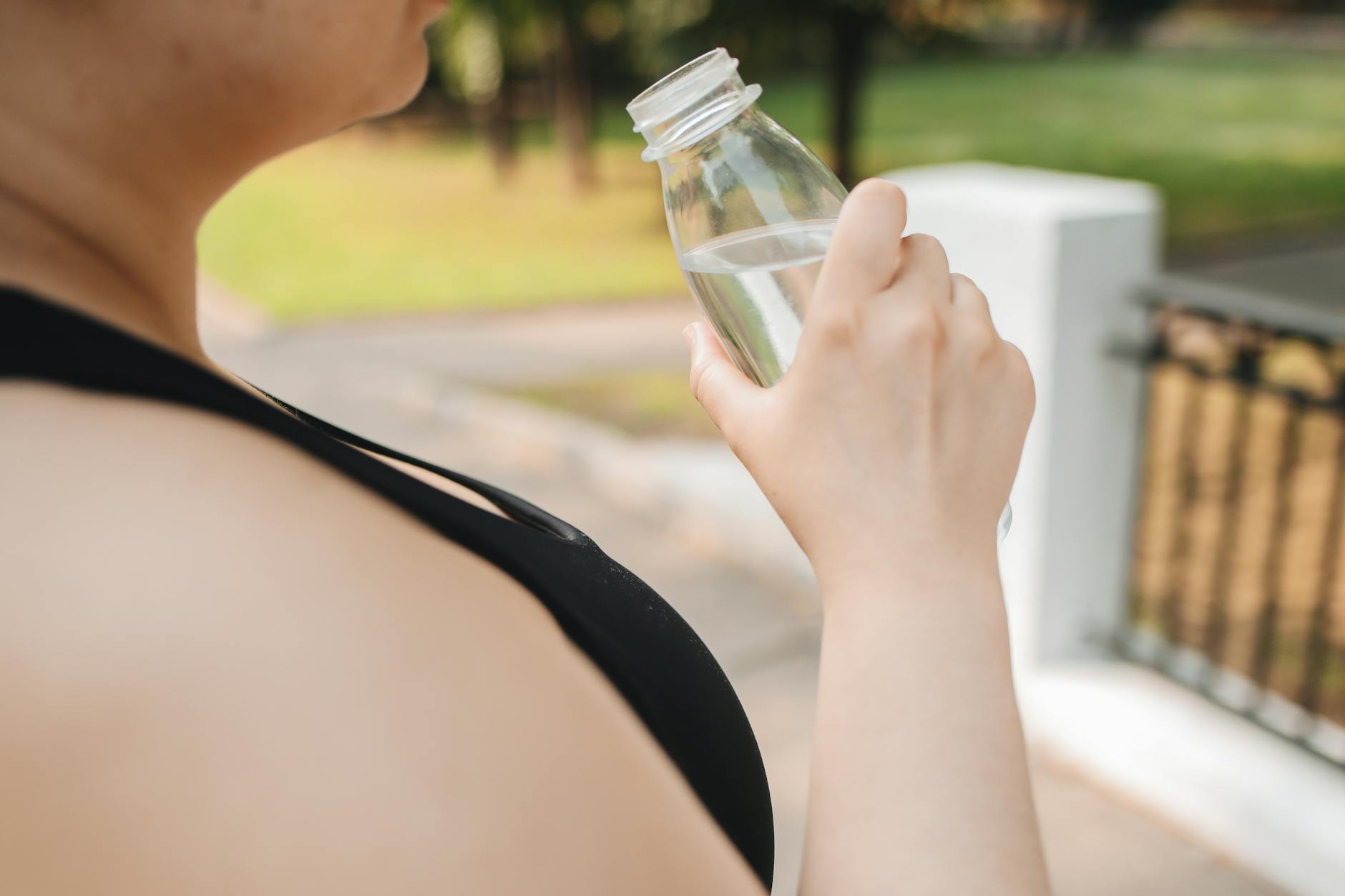
This is where habits really matter. If you’re not used to drinking much water, spring is the perfect time to build that habit. Keep a reusable water bottle with you everywhere – at your desk, in your car, in your gym bag. Set reminders on your phone if you need to. I used to forget constantly, but now, seeing my water bottle is like a visual cue. It’s a simple thing, but it’s incredibly effective. For those who find plain water boring, there are so many delicious ways to make it more appealing. This is where Spring Energy Smoothie Recipes: Boost Vitality Fast! also come in, offering a tasty way to boost hydration and nutrients.
The Power of Natural Hydration Sources
Water isn't just from the tap or a bottle. Many fruits and vegetables are packed with water. Think of juicy watermelon, crisp cucumbers, ripe strawberries, and leafy greens like spinach and kale. Incorporating these into your diet is a fantastic way to contribute to your overall hydration. A big salad for lunch or a fruit salad as a snack can significantly boost your fluid intake without you even realizing it. This ties into what I learned about the Winter Produce Reset: Thrive with Fresh Foods; the principle of leaning on whole, water-rich foods remains vital as seasons change.
Electrolytes: The Often-Overlooked Heroes
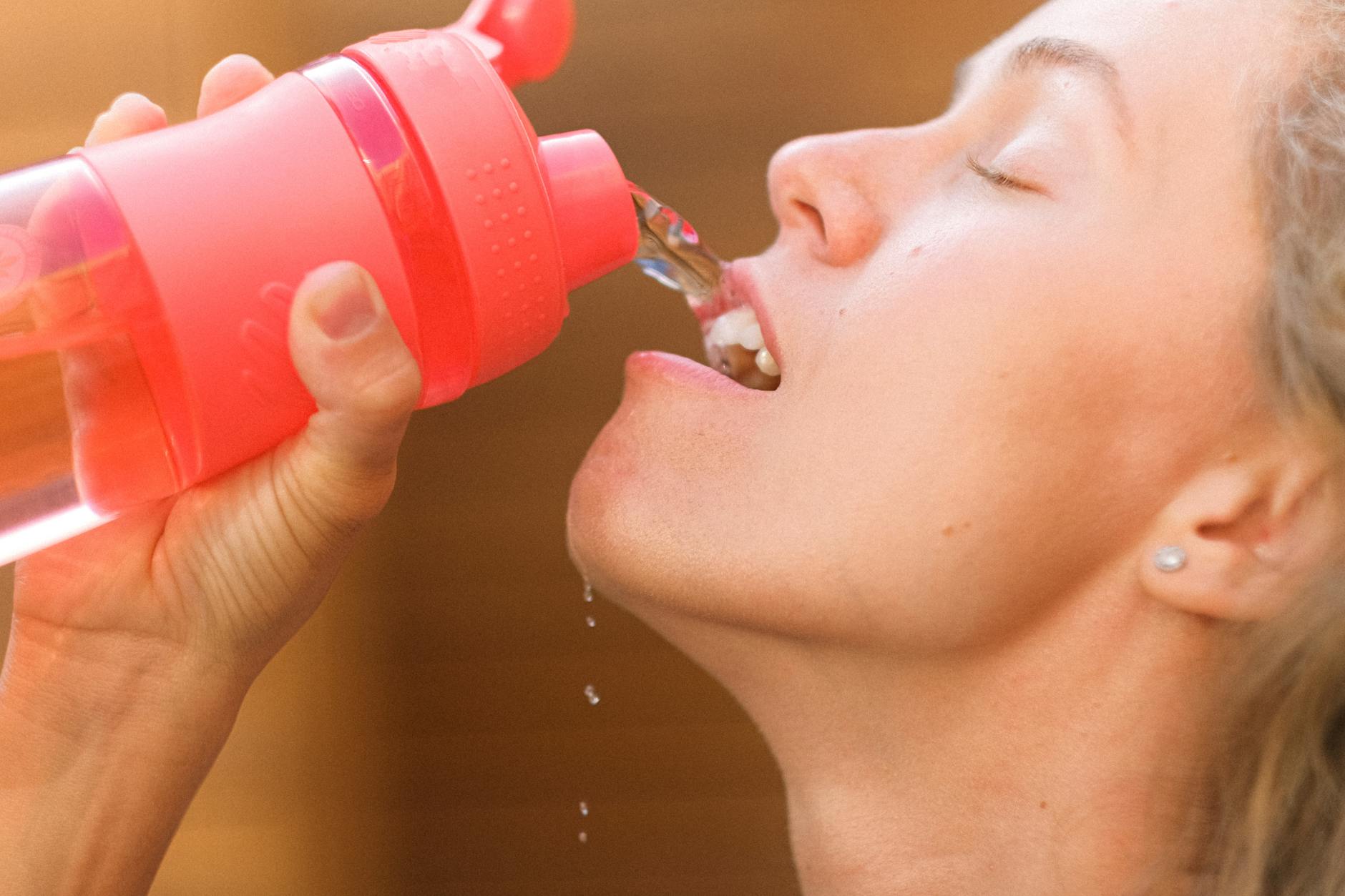
When you sweat, you don't just lose water; you also lose electrolytes like sodium, potassium, and magnesium. These are crucial for proper fluid balance and muscle function. For moderate activity, you can often replenish these through your diet. Foods like bananas (potassium), avocado (potassium and magnesium), and even a pinch of sea salt in your water can help. For prolonged or intense exercise, especially in warmer spring conditions, consider an electrolyte drink or supplement. I learned this the hard way during a long trail run; I felt great for the first hour, then hit a wall. Replenishing electrolytes made a world of difference.
Healthy Hydration Spring: Beyond Just Water
Detox Water Recipes for a Fresh Start
This one surprised me initially. I always thought "detox water" was just a trendy buzzword, but there's real benefit in infusing your water with fruits and herbs. It makes water more appealing and can add subtle nutritional benefits. My go-to spring recipe involves cucumber, mint, and a squeeze of lemon. It’s incredibly refreshing and feels like a spa treatment for your insides. Other great combinations include berries and lime, or ginger and lemon. These Spring Superfoods Skin: Boost Radiance & Energy can be a delightful way to enhance your hydration.
Herbal Teas for Hydration and Calm
Don't discount herbal teas! Many are caffeine-free and can be enjoyed hot or iced. Peppermint tea is fantastic for digestion, chamomile can be calming, and hibiscus offers a lovely tart flavor and is rich in antioxidants. Brewing a big pitcher of iced herbal tea at the beginning of the week is an easy way to have a healthy, hydrating beverage on hand. It’s a comforting ritual, especially on cooler spring mornings or evenings.
Foods for Hydration: A Flavorful Approach
Let’s talk about specific foods that are hydration powerhouses. Watermelon, as mentioned, is over 90% water. Cantaloupe, strawberries, oranges, and grapefruit are also excellent choices. For vegetables, cucumbers, celery, tomatoes, and bell peppers are incredibly hydrating. Even soups and broths, especially lighter, vegetable-based ones, contribute significantly to your fluid intake. Think about your meals as opportunities to hydrate, not just to nourish.

Staying Hydrated Spring: Addressing Common Pitfalls
The Exercise Hydration Trap
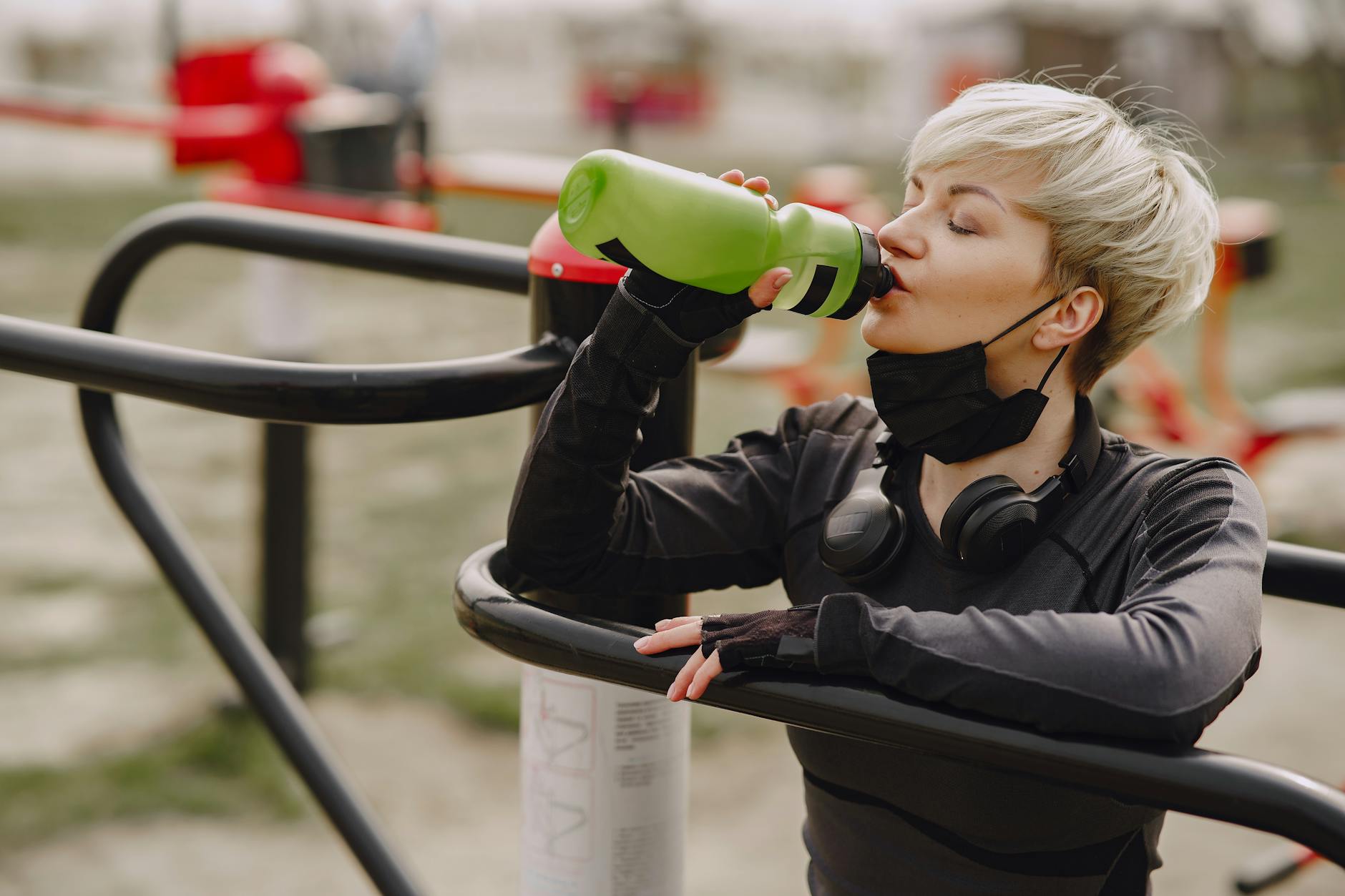
When you’re exercising, your hydration needs skyrocket. Many people, myself included in my younger days, underestimate how much fluid they lose through sweat. Before a workout, it’s good to pre-hydrate. During exercise, aim to sip water regularly. For activities lasting longer than an hour, or in very hot conditions, consider a sports drink that replenishes both fluids and electrolytes. Proper Creatine Benefits: Unlock Your Performance & Muscle Growth can also be supported by adequate hydration during intense workouts.
When Your Urine Tells a Story
This might sound a bit blunt, but I’ve learned to check my urine color. It’s one of the most straightforward indicators of your hydration status. If it’s consistently pale yellow, you’re likely well-hydrated. If it’s dark yellow or amber, you need to drink more. This simple visual check can be a powerful motivator to reach for that water bottle. It’s a personal metric, and it’s incredibly reliable. The Mayo Clinic research on staying hydrated spring often highlights this basic, yet crucial, indicator.
The Deceptive Comfort of Spring
Spring can be deceptively mild. You might not feel the intense heat of summer, so you don't feel the urgent need to drink. However, longer days, increased UV exposure, and higher pollen counts (which can sometimes lead to inflammation) all place demands on your body. Understanding the Spring Inflammation Diet: Natural Relief & Lifestyle Tips can also highlight how crucial hydration is for managing bodily processes. Don't let the pleasant temperatures fool you into complacency.
The Long-Term Benefits of Spring Hydration
Boosted Energy and Mental Clarity
When you’re properly hydrated, everything just feels better. Your energy levels are more stable, you’re less prone to those mid-afternoon slumps, and your cognitive function improves. You can think more clearly, focus better, and your mood generally gets a lift. It’s amazing how a simple glass of water can reset your brain when you’re feeling foggy. This is supported by extensive National Institutes of Health research on staying hydrated spring, showing direct links between hydration and cognitive performance.
Supporting Your Body's Natural Processes
Hydration is fundamental to nearly every bodily function. It helps regulate body temperature, transport nutrients, flush out waste products, and lubricate joints. In spring, as your body ramps up its activity and potentially deals with seasonal changes, these functions become even more critical. Ensuring adequate fluid intake supports your body's natural ability to adapt and thrive during this transitional period. The World Health Organization research on staying hydrated spring consistently emphasizes water’s role in maintaining overall health.
A Foundation for a Vibrant Season
Think of staying hydrated in spring as laying the groundwork for a vibrant, energetic season. When you’re well-hydrated, you feel better, you perform better, and you’re more likely to embrace all the wonderful opportunities the warmer months offer. It’s not a chore; it’s an act of self-care that pays dividends. It’s about feeling alive and ready to embrace the longer days and renewed sense of possibility that spring brings.