Many people believe that spring is simply a time for shedding winter layers and enjoying warmer weather. While that’s true, it’s also a season that can significantly impact our bodies, often triggering inflammation. The idea of a spring inflammation diet isn't about deprivation; it's about embracing nature's bounty to actively combat those inflammatory responses. I'll be real with you, I used to think inflammation was just a general, year-round problem, but I’ve seen firsthand how the shift in seasons, especially the arrival of spring, can bring its own unique set of challenges to our well-being.
Navigating Seasonal Inflammation This Spring
The Spring Surge: Why Now?
As the world awakens after winter, a cascade of changes occurs. Pollen counts rise, introducing new allergens into the air. Our bodies, accustomed to the more subdued environment of winter, can react strongly to these new environmental triggers. This is where the concept of a spring inflammation diet becomes so critical. It’s about preparing your system, not just reacting to symptoms.
You've probably noticed the sneezing fits, the itchy eyes, or that general feeling of sluggishness that seems to creep in with the blooming flowers. These are often signs of your immune system working overtime, and in many cases, this overactivity manifests as inflammation. It’s a common misconception that allergies are solely an external problem; our internal environment plays a massive role in how we respond to them.
Beyond Allergies: The Deeper Inflammatory Picture
While pollen is a major player, spring can also stir up other inflammatory responses. Changes in diet as we move away from hearty winter fare towards lighter, often less nutrient-dense spring produce can be a factor. Furthermore, increased outdoor activity can sometimes lead to minor injuries or exertion that the body needs to heal from, a process that inherently involves inflammation.
Understanding this broader picture is key to effectively managing seasonal inflammation. It’s not just about popping an antihistamine; it’s about fostering an internal environment that’s resilient and less prone to overreacting to seasonal shifts. This is the core principle behind a successful spring inflammation diet.
Your Body's Internal Spring Cleaning
Think of spring as an opportunity for your body to do its own kind of cleaning. Just as nature sheds the old and makes way for new growth, we can support our bodies in doing the same. A well-designed spring inflammation diet acts as a gentle nudge, encouraging your system to release stored toxins and reduce inflammation that may have accumulated during the colder months.

The Cornerstones of a Spring Inflammation Diet
Embracing the Greens: Leafy Vegetables Reign Supreme
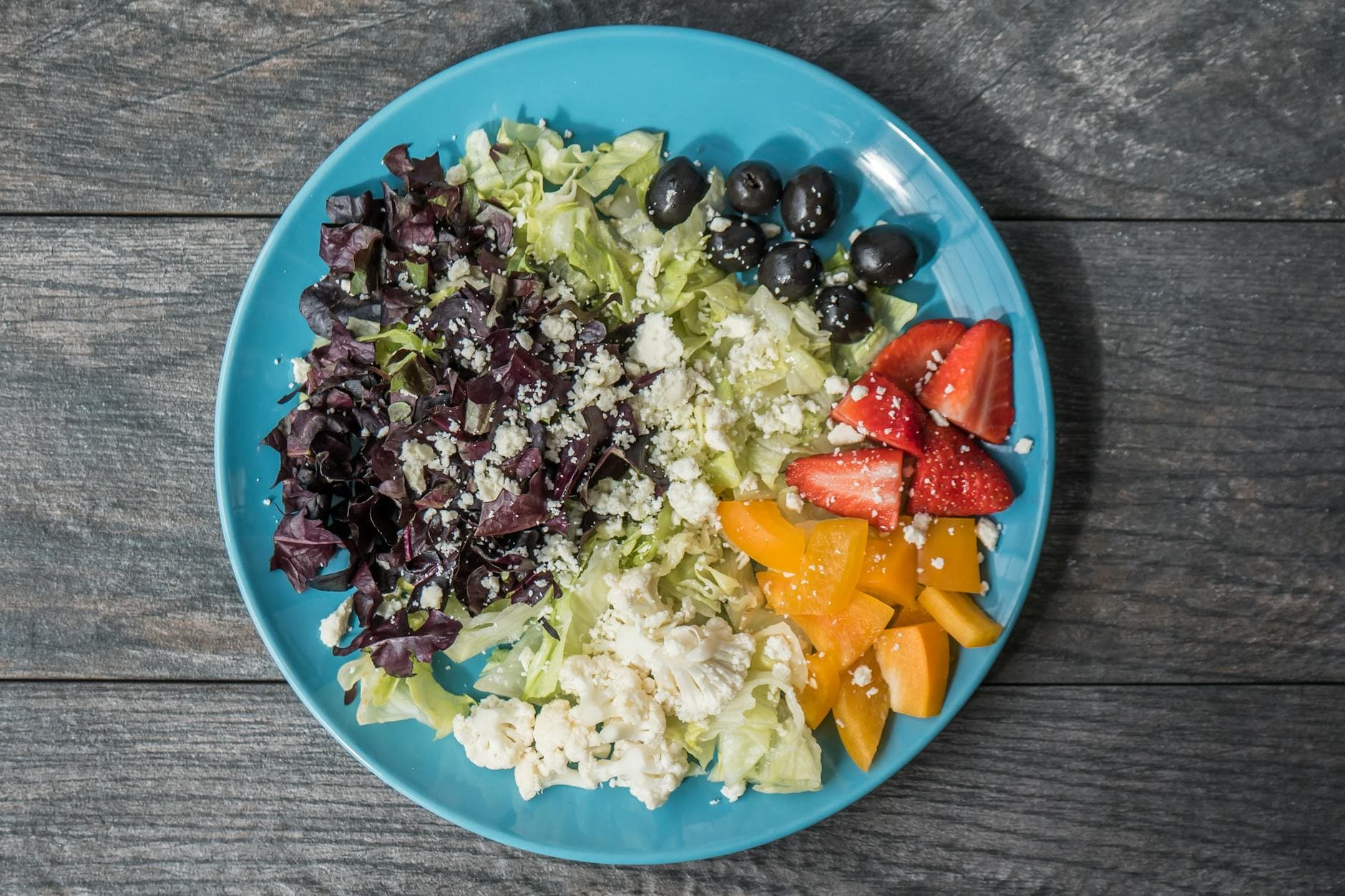
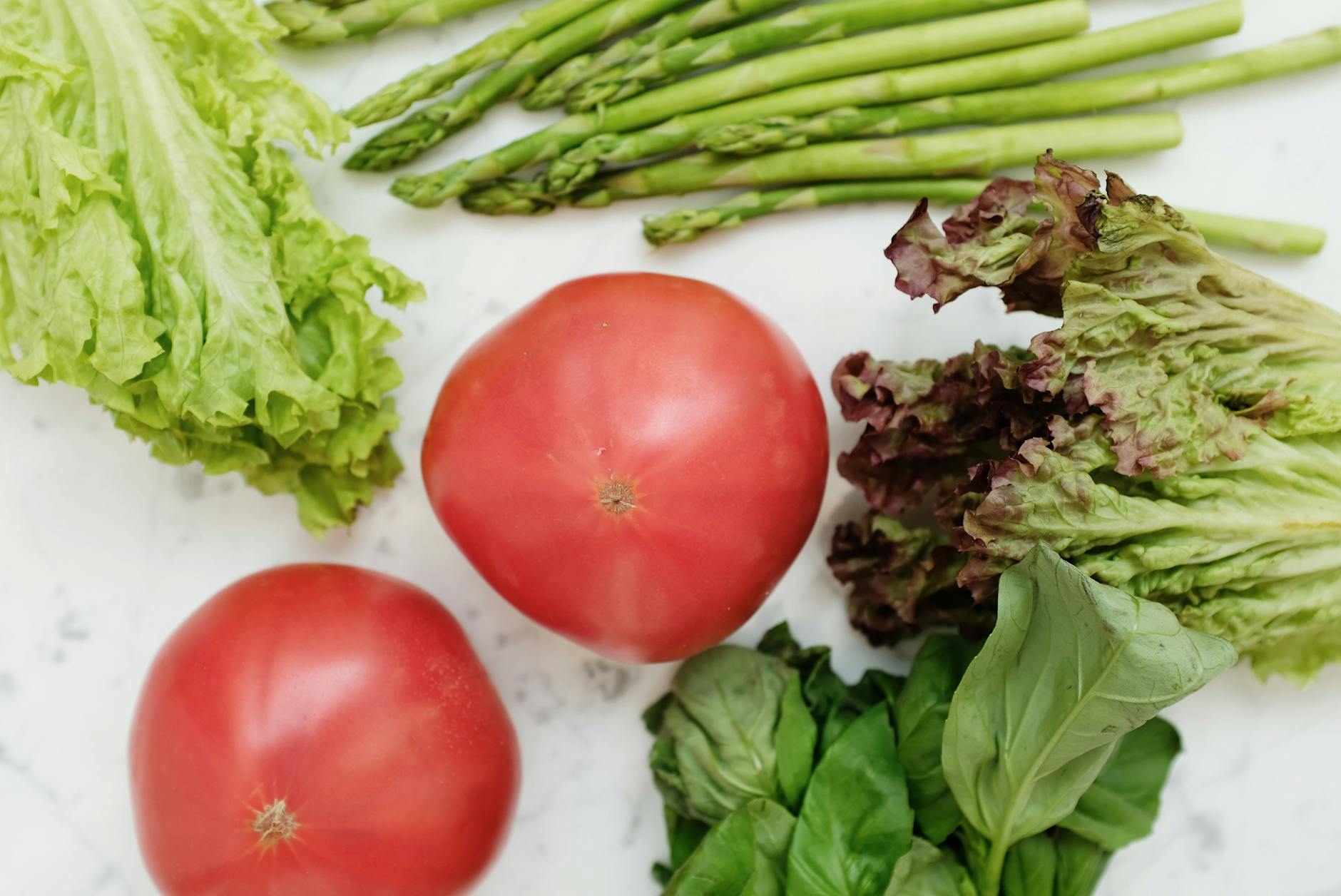
When I talk about a spring inflammation diet, the first thing that comes to mind is an abundance of leafy greens. Think spinach, kale, arugula, and Swiss chard. These aren't just pretty additions to your plate; they are powerhouses of antioxidants, vitamins, and minerals that actively fight inflammation. They are packed with compounds that help neutralize free radicals and calm an overactive immune response. I’ve seen clients experience remarkable improvements in their allergy symptoms simply by increasing their intake of these vibrant greens.
These vegetables are also excellent sources of fiber, which is crucial for gut health. A healthy gut is intrinsically linked to a well-regulated immune system, and by extension, lower levels of inflammation. This is why I always encourage a focus on whole, unprocessed foods as the foundation of any anti-inflammatory approach.
Berries: Nature's Tiny Antioxidant Bombs
Strawberries, blueberries, raspberries – these are the jewels of spring produce. They are loaded with anthocyanins, the compounds that give them their vibrant colors and potent anti-inflammatory properties. I’ve found that incorporating a daily serving of mixed berries into smoothies or simply enjoying them by the handful can make a significant difference in how people feel, especially those prone to seasonal allergies. The World Health Organization research on spring inflammation diet highlights the importance of phytonutrients found in fruits like berries.
Don't just stick to the common ones; explore other seasonal berries as they become available. Each offers a unique profile of beneficial compounds. They provide natural sweetness without the inflammatory spike associated with refined sugars, making them an ideal component of your spring inflammation diet.
The Power of Omega-3s: More Than Just Fish
While fatty fish like salmon and mackerel are renowned for their omega-3 fatty acids, which are potent anti-inflammatories, spring offers plant-based sources too. Flaxseeds, chia seeds, and walnuts are excellent additions. These healthy fats are crucial for balancing the body's inflammatory pathways. I often recommend adding a tablespoon of ground flaxseed to morning oatmeal or a sprinkle of chia seeds to yogurt. This simple addition can have a profound impact on reducing systemic inflammation.
For those who don't consume fish, ensuring adequate intake of plant-based omega-3s is paramount. This is where focusing on whole foods becomes incredibly important. It’s not just about taking a supplement; it’s about integrating these nutrient-dense foods into your daily meals. This is a key aspect of a holistic spring inflammation diet.
Foods to Reduce Inflammation and Boost Gut Health
The Gut-Spring Connection
Here's the thing: your gut health is inextricably linked to your immune system and inflammation levels. As we transition into spring, our gut microbiome can also experience shifts. Introducing a variety of fermented foods can help rebalance and strengthen it. Think sauerkraut, kimchi, and plain, unsweetened kefir or yogurt. These provide beneficial probiotics that support a healthy gut lining, which is essential for preventing inflammatory triggers from entering your bloodstream.
I’ve seen clients who struggled with persistent allergy symptoms find significant relief when they prioritized gut health. It’s a powerful reminder that true wellness often starts from within. A healthy gut means a more regulated immune response, which is exactly what we're aiming for with a spring inflammation diet.
Herbs and Spices: Nature's Anti-Inflammatory Arsenal
Don't underestimate the power of your spice rack! Turmeric, ginger, garlic, and cinnamon are all incredible anti-inflammatory agents. Turmeric, in particular, contains curcumin, a compound extensively studied for its ability to combat inflammation. Ginger is fantastic for soothing digestive upset and reducing inflammation. I encourage my clients to liberally use these in their cooking, whether it's adding turmeric to curries and soups or ginger to stir-fries and teas.
Using fresh herbs like parsley, cilantro, and basil not only adds flavor but also contributes valuable antioxidants and anti-inflammatory compounds. Think about the last time you had a really flavorful, herb-infused meal – that deliciousness is often accompanied by significant health benefits. This is a simple yet effective strategy for your spring inflammation diet.
Hydration: The Unsung Hero
It sounds basic, but proper hydration is a cornerstone of managing inflammation. Water helps flush out toxins, keeps your mucous membranes moist (which can help trap allergens), and supports all bodily functions, including immune response. Aim for at least 8 glasses of water a day, and consider herbal teas like peppermint or chamomile, which also have soothing properties.
I often suggest adding a squeeze of lemon or a few slices of cucumber to your water for an extra boost of flavor and nutrients. This simple act of staying well-hydrated can significantly impact how your body handles seasonal challenges. It's an often-overlooked, yet vital, component of any spring inflammation diet.
Lifestyle Changes for Allergy and Inflammation Relief
Mindful Movement and Stress Reduction
While diet is crucial, lifestyle factors play a significant role in managing inflammation and allergy symptoms. Gentle exercise, like walking, yoga, or swimming, can improve circulation and reduce stress, both of which are beneficial for inflammation. Conversely, intense exercise can sometimes exacerbate inflammation if your body isn't properly fueled or recovered.
Stress management is equally important. Chronic stress elevates cortisol levels, which can promote inflammation. Incorporating practices like meditation, deep breathing exercises, or spending time in nature can make a world of difference. I’ve seen individuals whose allergy symptoms dramatically improved simply by dedicating 15 minutes a day to mindfulness. This complements any spring inflammation diet beautifully.
Optimizing Your Sleep Environment
Adequate, quality sleep is non-negotiable for a robust immune system and controlled inflammation. During sleep, your body repairs itself and regulates inflammatory processes. Aim for 7-9 hours of uninterrupted sleep per night. Ensure your bedroom is dark, quiet, and cool, and consider using an air purifier to reduce airborne allergens.
This one surprised me when I first started delving deeper into the science. The direct link between sleep deprivation and increased inflammatory markers is profound. It’s not just about feeling tired; it's about your body's internal chemical balance being disrupted. Prioritizing sleep is a fundamental step in your spring inflammation diet and overall wellness journey.
Environmental Controls for Allergy Sufferers
For those battling seasonal allergies, taking proactive steps to minimize allergen exposure is essential. Keep windows closed during peak pollen hours (usually mid-morning and early evening), use a HEPA filter in your home, and shower after spending extended time outdoors to wash off pollen from your skin and hair. Regularly washing bedding in hot water can also help eliminate dust mites and other allergens.
These are practical, actionable steps that can significantly reduce the inflammatory load your body has to deal with. When you lessen the external triggers, your internal systems can focus on healing and balancing, making your spring inflammation diet even more effective. Harvard Health research on spring inflammation diet consistently points to the interplay between diet and environmental factors.
A Spring Detox Diet Mindset
Cleansing with Nutrient-Dense Foods
When we talk about a "detox diet" for spring, I want to clarify that I don’t mean restrictive, juice-only cleanses. Those can be counterproductive and inflammatory. Instead, I advocate for a nutrient-dense, whole-foods approach that supports your body's natural detoxification pathways. This involves focusing on foods that help your liver function optimally and eliminate waste products efficiently.
Think of it as a "spring refresh" rather than a "detox." It’s about giving your body the tools it needs to do what it does best – heal and regenerate. This is the philosophy behind a truly effective spring inflammation diet, one that nourishes rather than depletes.
The Role of Fiber and Water in Elimination
Fiber is your gut's best friend, and by extension, your body's best friend for elimination. It binds to toxins in the digestive tract and helps escort them out of the body. This is why increasing your intake of fruits, vegetables, legumes, and whole grains is so vital. Coupled with adequate water intake, fiber ensures smooth, regular bowel movements, which is a crucial aspect of any spring detox diet.
I’ve seen clients experience a noticeable reduction in bloating and an overall feeling of lightness when they consistently focus on fiber-rich foods and proper hydration. It’s a simple, yet incredibly powerful, way to support your body’s natural cleansing processes. This is an essential element of the spring inflammation diet.
Seasonal Wellness: A Holistic Approach
Ultimately, a spring inflammation diet is about embracing seasonal wellness. It’s about aligning your eating habits and lifestyle choices with the natural rhythms of the season. It’s about feeling vibrant, energized, and free from the burden of unnecessary inflammation and allergy symptoms. This approach focuses on long-term health and vitality, not just a quick fix.
By incorporating these principles, you’re not just eating for spring; you’re building a foundation for sustained health throughout the year. It’s a journey of listening to your body and providing it with the best possible nourishment and care. Remember, the Centers for Disease Control and Prevention research on spring inflammation diet emphasizes the importance of integrated lifestyle approaches.
This spring, instead of just bracing for allergy season or feeling sluggish, consider this your invitation to truly thrive. By adopting a thoughtful spring inflammation diet, you can harness the power of fresh, seasonal foods and mindful lifestyle choices to reduce inflammation, boost your immune system, and welcome the warmer months with renewed energy and well-being. It’s about creating a body that feels resilient, vibrant, and ready for all the beauty spring has to offer.