
I remember a time, not so long ago, when I felt perpetually drained. Not just tired, but a deep, bone-weary exhaustion that no amount of sleep seemed to fix. My moods swung wildly, my muscles ached for no reason, and my sleep was restless, if it came at all. I’d tried everything – more coffee, early nights, cutting out sugar – but nothing touched the core of it. Then, I stumbled upon a conversation about magnesium for women, and it honestly felt like a lightbulb flickered on in a dark room. It wasn’t a magic bullet, but it was the missing piece I’d been desperately searching for.
The Quiet Powerhouse: Why Magnesium Matters So Much for Women
Look, we women navigate a unique terrain of hormonal shifts, life stages, and societal pressures that can put a real strain on our bodies. From menstruation to pregnancy to menopause, our systems are constantly adapting. And through all of this, magnesium is quietly working behind the scenes, supporting hundreds of biochemical reactions. It’s not just another mineral; it’s a fundamental building block for well-being, and its impact on women's health is profound.
Hormonal Harmony and What It Means
This is where things get really interesting for us. Magnesium plays a crucial role in regulating neurotransmitters, those chemical messengers that dictate our moods and stress responses. Think about how much our hormones fluctuate. When magnesium levels are low, this delicate balance can be thrown off, contributing to that familiar cycle of irritability, anxiety, and even depression many of us experience, especially around our periods. It’s like trying to conduct an orchestra with missing instruments – the symphony just doesn't sound right.
Beyond Mood: The Physical Manifestations
It’s not just about feeling emotionally stable. The benefits of magnesium for women extend to our physical selves in ways that are often overlooked. I’ve seen firsthand how crucial adequate magnesium intake is for managing physical symptoms that can feel debilitating.
Muscle Tension and Cramps
If you’ve ever been woken up by a calf cramp or experienced persistent muscle tightness, you’ve likely felt the absence of magnesium. This mineral helps muscles relax after contracting. When you’re deficient, they can get stuck in a tense state, leading to those painful spasms and aches. It’s a common complaint, and one that can often be significantly improved with better magnesium levels.
Sleep Quality and Restorative Rest
I used to think I was just a bad sleeper. Turns out, my body was craving magnesium to help calm my nervous system and prepare for rest. Magnesium helps regulate melatonin, the sleep hormone, and can even influence GABA receptors in the brain, which promote relaxation. If you’re tossing and turning, magnesium might be the gentle nudge your body needs towards a deeper, more restorative sleep.

Unpacking Magnesium Deficiency in Women
Here’s the truth: many women aren’t getting enough magnesium. Our modern diets, often heavy on processed foods and low on whole, nutrient-dense options, are a major culprit. Add to that increased stress, certain medications, and even just the natural demands of our bodies, and you have a recipe for deficiency. It’s a silent epidemic that can sneak up on you, leaving you feeling unwell without understanding why.
The Usual Suspects in Our Diets
Processed foods, refined grains, and excessive sugar intake can all deplete magnesium. They offer little in the way of this vital mineral and can even hinder its absorption. It’s a double whammy. This is why focusing on whole, unprocessed foods is so critical for ensuring adequate magnesium intake women need.
Stress and the Magnesium Drain
Chronic stress is a notorious magnesium thief. When we’re stressed, our bodies release cortisol, and this process can lead to increased magnesium excretion. So, the more stressed you are, the more magnesium you lose, which can, in turn, make you feel more stressed. It's a vicious cycle that many women find themselves caught in.
Who is Most at Risk?
While anyone can be deficient, certain groups of women are at higher risk. This includes women with digestive issues like Crohn's or celiac disease, which impair nutrient absorption. Older women, who may have reduced nutrient intake or absorption, are also more vulnerable. And, of course, women experiencing significant life transitions like pregnancy or menopause often have increased magnesium demands.

Harnessing the Benefits: How Magnesium Supports Women's Health
When you start to address your magnesium levels, the changes can be remarkable. It’s not just about feeling "less bad"; it’s about feeling genuinely better, more vibrant, and more resilient. The benefits of magnesium women experience are wide-ranging and deeply impactful.
Magnesium and Hormones: A Symbiotic Relationship
This is one of the most significant areas where magnesium shines for women. Its role in neurotransmitter function directly impacts how we experience hormonal fluctuations. For instance, magnesium can help to reduce the severity of PMS symptoms. It works by calming the nervous system and reducing the inflammatory response often associated with hormonal shifts. Think of it as a natural mood stabilizer, offering magnesium pms relief that many find incredibly effective.
Bone Health: A Foundation for Life
As women age, bone density becomes a critical concern. Magnesium is essential for calcium metabolism and bone formation. It works alongside vitamin D and calcium to build and maintain strong bones, playing a vital role in magnesium bone health women need to protect against osteoporosis. Getting enough magnesium can be a proactive step towards a healthier, stronger future.
Energy Levels and Fighting Fatigue
If you’re constantly battling that midday slump, magnesium might be your ally. It's involved in the production of ATP, the primary energy currency of our cells. When your cells have enough ATP, you feel more energetic. This is why many people report increased magnesium energy levels women especially can benefit from, helping to combat that persistent exhaustion.
Anxiety and Stress Management
Magnesium has a calming effect on the nervous system. It helps to regulate the body's stress response, reducing the production of stress hormones like cortisol. For women struggling with anxiety or feeling overwhelmed, consistent magnesium intake can be a game-changer, offering a natural pathway to greater emotional calm. It’s a powerful tool for magnesium anxiety women can tap into.
Optimizing Your Magnesium Intake: Foods and Supplements
So, how do you ensure you’re getting enough of this essential mineral? It’s a two-pronged approach: focusing on your diet and considering supplementation when necessary. The goal is to build a sustainable habit that supports your long-term health.
Foods High in Magnesium for Women
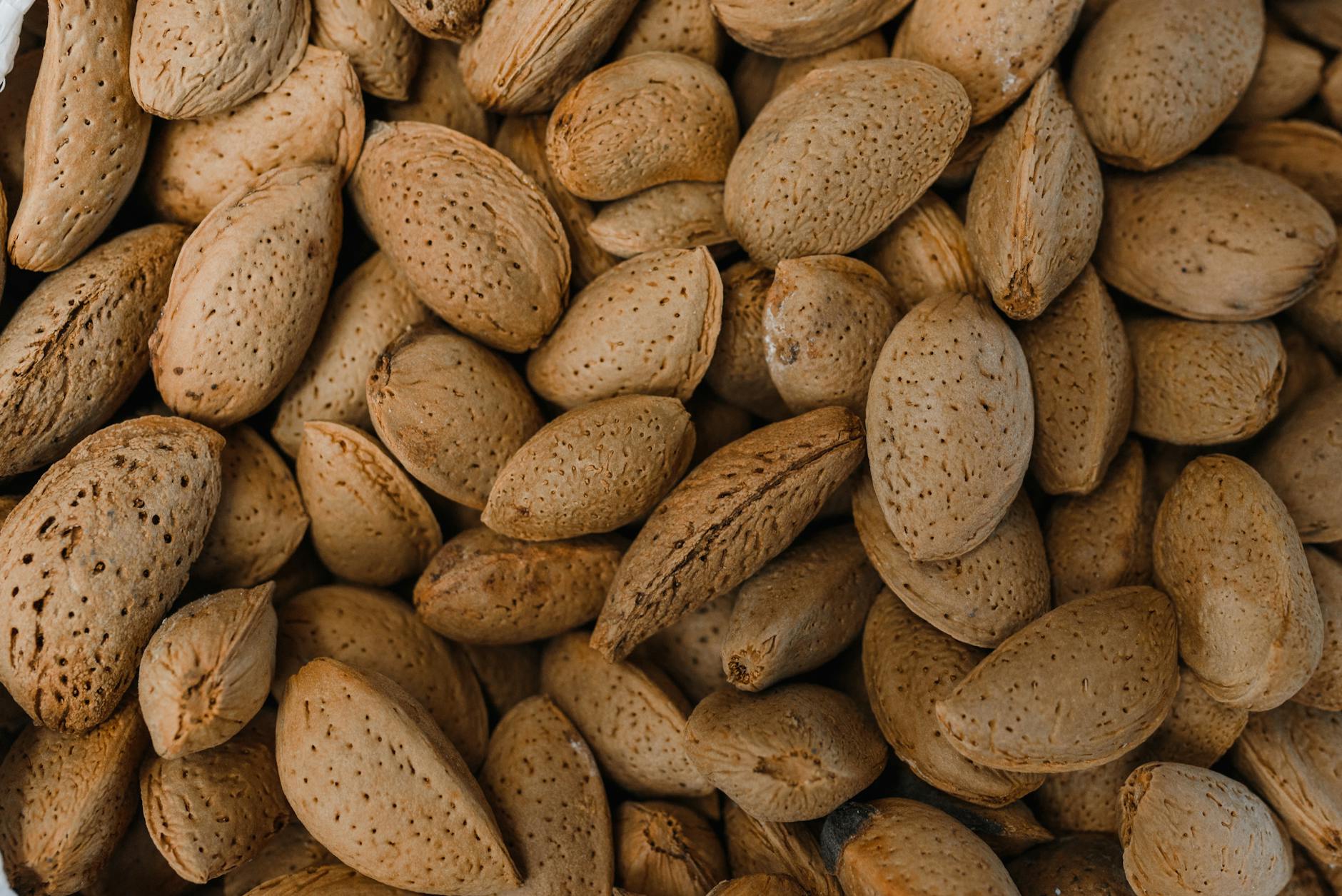
Nature has provided us with an abundance of magnesium-rich foods. Incorporating these into your daily meals is the first and most important step. Think dark leafy greens like spinach and kale – they’re nutritional powerhouses. Seeds are another fantastic source; pumpkin seeds, chia seeds, and flaxseeds are packed with magnesium. Nuts like almonds and cashews are also excellent choices. And don't forget whole grains, legumes like black beans and lentils, and even dark chocolate (in moderation, of course!). These foods high in magnesium women can easily add to their diets are delicious and incredibly beneficial. For a refreshing boost, consider a Spring Energy Smoothie packed with greens and seeds.
A Deeper Dive into Top Sources
Pumpkin seeds, for instance, offer a significant dose of magnesium per serving. A quarter cup can provide nearly half of your daily recommended intake. Black beans are another budget-friendly and versatile option, loaded with fiber and magnesium. Even a simple serving of cooked spinach can contribute substantially to your daily needs. Focusing on variety ensures you’re getting a broad spectrum of nutrients alongside your magnesium.
When to Consider a Magnesium Supplement
Despite our best dietary efforts, sometimes it’s not enough. If you suspect you have a magnesium deficiency women can often benefit from a magnesium supplement. However, this is where things can get a little tricky. Not all magnesium supplements are created equal. There are different forms, and they have varying absorption rates and effects.
Choosing the Right Magnesium Supplement
I'll be real with you: navigating the supplement aisle can be overwhelming. For general well-being and absorption, magnesium glycinate is often a top recommendation due to its gentle nature and high bioavailability. Magnesium citrate is excellent for constipation but can have a laxative effect. Magnesium L-threonate is known for its ability to cross the blood-brain barrier, making it potentially beneficial for cognitive function and mood. Always do your research or, better yet, talk to a healthcare professional or a registered dietitian before starting any new supplement. They can help you determine the right type and dosage for your individual needs. National Institutes of Health research on magnesium for women highlights the importance of understanding these differences.
Dosage and Safety Considerations
The recommended daily allowance for magnesium varies by age and life stage, but a common target for adult women is around 310-320 mg per day. It’s crucial not to overdo it, as excessive magnesium can lead to side effects like diarrhea, nausea, and abdominal cramping. This is why consulting with a professional is so important; they can guide you on safe and effective magnesium intake women can aim for. Harvard Health research on magnesium for women often emphasizes individualized approaches.

The Magnesium Mindset: A Long-Term Approach
Making magnesium a priority isn't about a quick fix; it's about adopting a holistic approach to your health. It’s about understanding your body's intricate needs and responding with nourishment and care. This journey requires patience and consistency, but the rewards are immeasurable. Think about the last time you truly felt vibrant and energized. Cultivating that feeling, day after day, is the ultimate goal.
Consistency is Key
You won't feel the full benefits of magnesium overnight. It takes time for your body to replenish its stores and for the biochemical processes to rebalance. So, commit to incorporating magnesium-rich foods daily and, if you choose to supplement, take it consistently as recommended. This isn't a race; it's a marathon towards sustained well-being.
Listen to Your Body
Your body will tell you what it needs. Pay attention to how you feel after incorporating more magnesium into your diet or starting a supplement. Are you sleeping better? Do you have more sustained energy? Are your moods more stable? These are all valuable indicators. If you're feeling sluggish, consider a boost metabolism naturally approach alongside your magnesium focus. And remember, if you're experiencing significant symptoms, it's always best to consult with a healthcare provider. They can help rule out other underlying issues and provide personalized guidance. The National Institutes of Health research on magnesium for women provides valuable insights into these varying needs.
Beyond the Mineral: A Holistic View
While magnesium is incredibly important, it's just one piece of the puzzle. A balanced diet, regular movement, adequate hydration, and managing stress are all interconnected. Think of it like a Winter Produce Reset – you’re nourishing your body from multiple angles. Similarly, a Spring Inflammation Diet can complement your efforts to feel your best. Ultimately, prioritizing magnesium for women is about investing in your overall vitality and resilience, allowing you to show up fully in every aspect of your life.