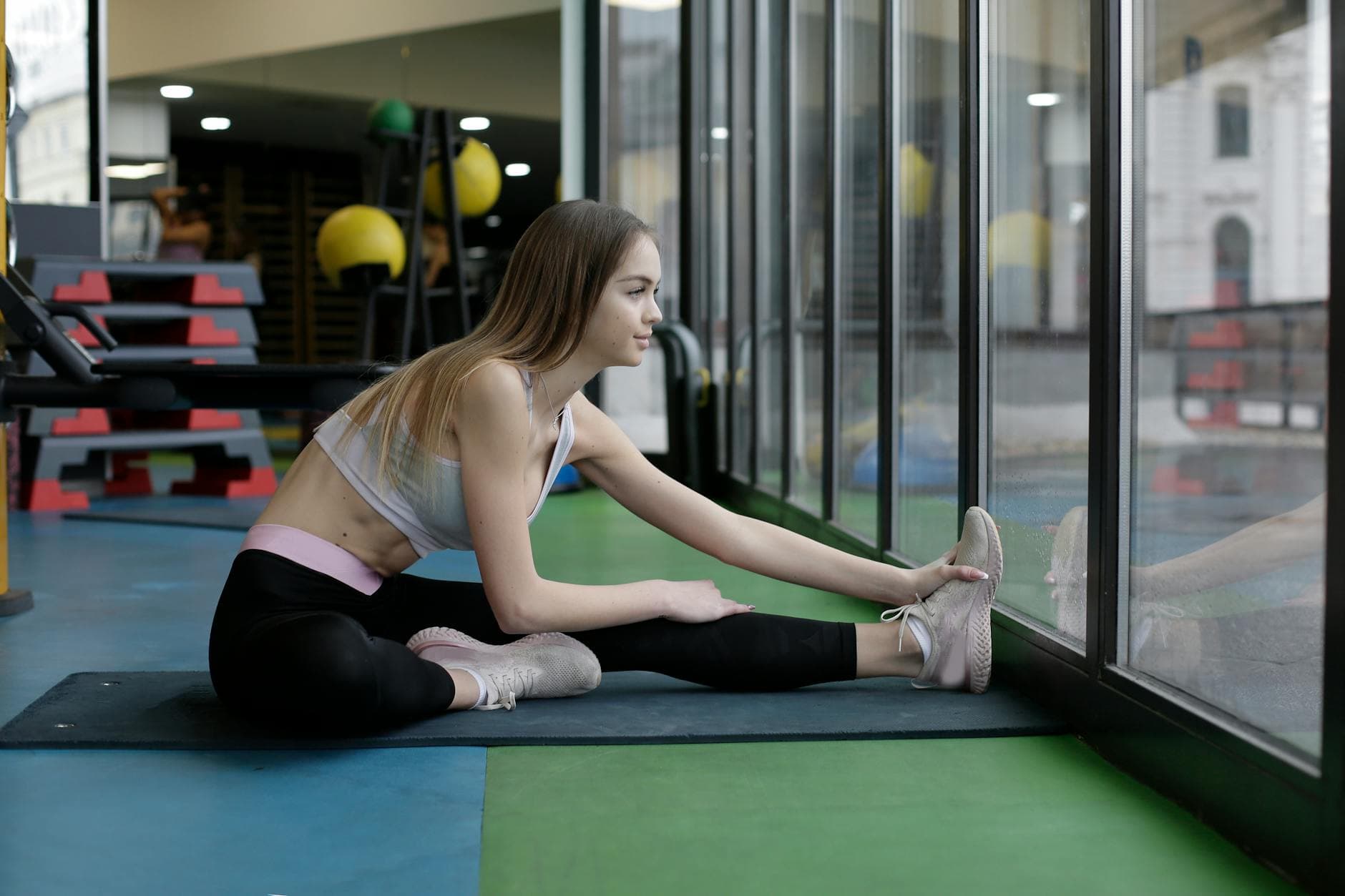
What if you could move through your day with a newfound ease, feeling less stiffness and more power in every step, every reach, every twist? What if that nagging ache in your shoulders or the tightness in your hips simply… faded away? This isn't a pipe dream; it's the tangible result of understanding and implementing the best stretches. For years, I've worked with individuals from all walks of life – athletes chasing personal bests, office workers battling desk-induced rigidity, and folks simply wanting to feel better in their own skin. And time and again, I've seen how dedicated stretching can transform lives.
The truth is, most people either don't stretch at all, or they do it incorrectly, leaving them frustrated and no closer to their goals. We're often taught to just "hold a stretch" and that's it. But there's a science and an art to it, and knowing the nuances can make all the difference between feeling great and feeling sore. This isn't just about touching your toes; it's about unlocking your body's full potential for movement and well-being.
Mastering the Fundamentals of Effective Stretching
Before we dive into specific movements, let's get a few foundational concepts straight. Understanding these will elevate your entire approach to flexibility and movement. It’s about working *with* your body, not against it.
The Two Pillars: Dynamic vs. Static Stretching
You've likely encountered both, even if you didn't know their names. Dynamic stretching involves moving your body through a range of motion, preparing your muscles for activity. Think arm circles, leg swings, or torso twists. Static stretching, on the other hand, is holding a stretch for a period, typically after a workout or as a standalone flexibility session. This is what most people picture when they think of stretching, and it has its own unique benefits, as highlighted by Mayo Clinic research on best stretches.
When to Use Which
Dynamic stretching is your best friend before a workout. It increases blood flow, warms up your joints, and primes your muscles for action, reducing the risk of injury. Static stretching, conversely, is generally best performed when your muscles are already warm, like after exercise, or during a dedicated flexibility session. Holding a deep static stretch on cold muscles can be counterproductive and even harmful.
Breathing: Your Secret Weapon
This is something I can't stress enough, and honestly, it's often overlooked. Your breath is intrinsically linked to your nervous system and your ability to relax. When you hold your breath during a stretch, you’re tensing up. Try to exhale deeply as you move into a stretch and maintain slow, steady breaths. This simple act signals to your body that it's safe to relax, allowing you to deepen the stretch and reap more benefits. It's a game-changer, trust me.
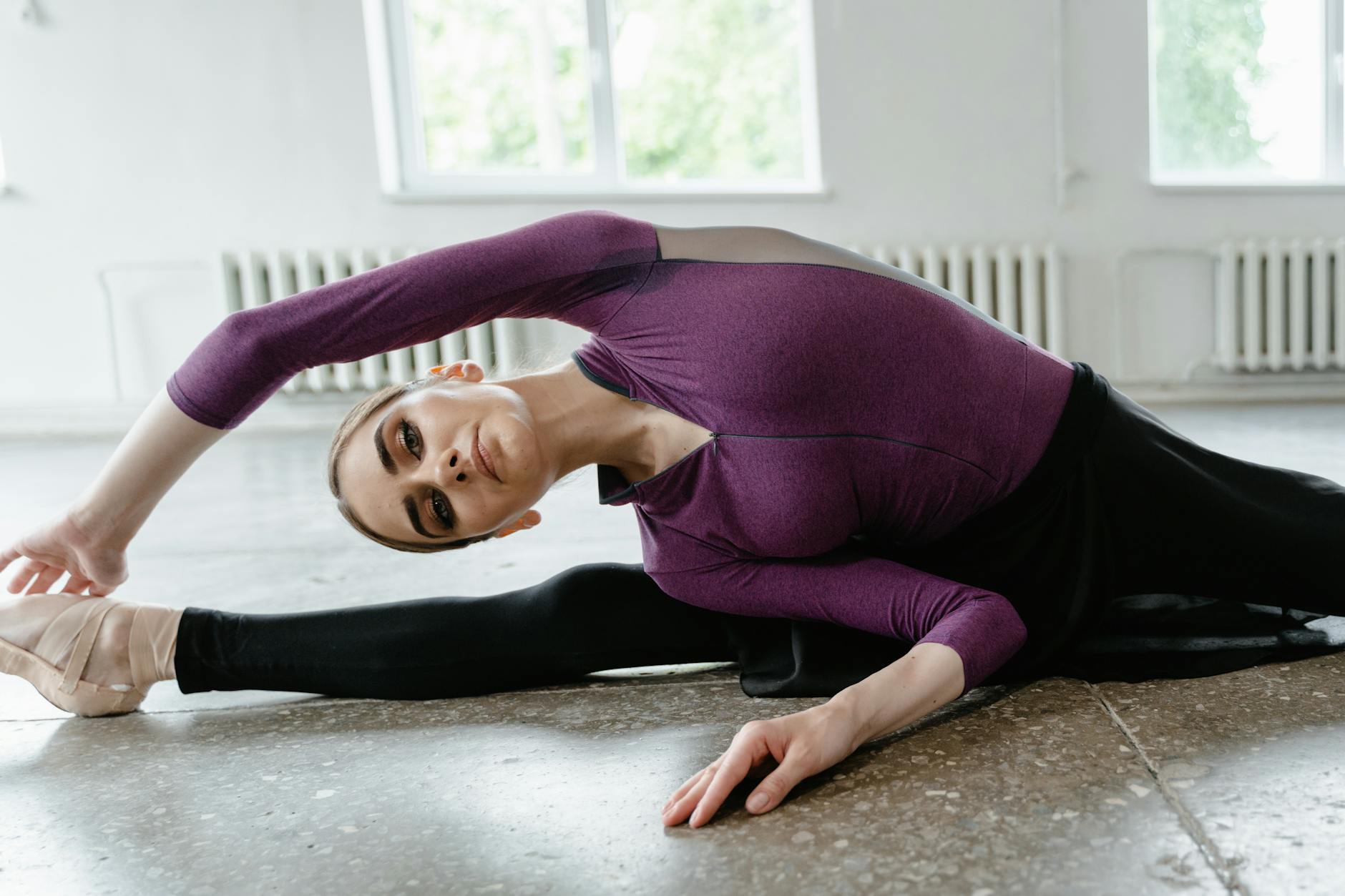
The Best Stretches for a Full Body Tune-Up
Now, let's get practical. These are the stretches that I consistently recommend because they target major muscle groups, are accessible to most people, and deliver significant results. This is your blueprint for a comprehensive full body stretch routine.
Upper Body Mobility Makers
Many of us spend hours hunched over keyboards or looking down at phones, leading to tight chests, rounded shoulders, and stiff necks. These stretches can counteract that.
Chest Opener (Doorway Stretch)
Stand in a doorway, place your forearms on the frame with elbows bent at 90 degrees, just below shoulder height. Step forward gently until you feel a stretch across your chest and the front of your shoulders. Hold for 20-30 seconds. This feels incredible after a long day.
Thread the Needle
Start on your hands and knees. Reach one arm up towards the ceiling, then "thread" it underneath your chest, bringing your shoulder and the side of your head to the floor. Your hips should stay relatively stable. You’ll feel this in your upper back and shoulders. Hold for 20-30 seconds, then repeat on the other side.
Core and Torso Twisters
A mobile spine is crucial for everything from picking up groceries to enjoying a powerful golf swing. These exercises promote rotational and spinal flexibility.
Seated Spinal Twist
Sit on the floor with your legs extended. Bend your right knee and cross your right foot over your left thigh, placing it flat on the floor. Place your right hand behind you for support and bring your left elbow to the outside of your right knee, gently pressing to deepen the twist. Look over your right shoulder. Hold for 20-30 seconds. This is one of those stretching exercises that feels like it untangles your whole torso.
Cat-Cow Pose
From your hands and knees, inhale as you drop your belly, arch your back, and look up (Cow pose). Then, exhale as you round your spine towards the ceiling, tuck your chin to your chest, and draw your navel in (Cat pose). Move fluidly between these two poses for 5-10 breaths. It’s a simple yet profoundly effective way to mobilize the spine.
Lower Body Freedom Fighters
Tight hamstrings, hips, and quads can limit your movement and contribute to lower back pain. Addressing these areas is paramount for overall well-being. For a deeper dive, exploring lower body flexibility is key.
Hamstring Stretch (Supine)
Lie on your back with your legs extended. Loop a towel or strap around the ball of one foot. Keeping your leg as straight as possible (a slight bend is okay), gently pull the strap to lift your leg towards the ceiling. You should feel a stretch in the back of your thigh. Hold for 20-30 seconds. Repeat on the other side. This is a classic for a reason.
Pigeon Pose (Modified)
Start on your hands and knees. Bring your right knee forward towards your right wrist, angling your shin. Extend your left leg straight back. You can stay upright, or if comfortable, fold forward over your front leg. You’ll feel this in your hip and glute. Hold for 30-60 seconds. If this is too intense, a simple figure-four stretch lying on your back is a great alternative, focusing on knee flexibility exercises too.
Quad Stretch (Standing)
Stand tall and grab your right ankle with your right hand, gently pulling your heel towards your glute. Keep your knees close together and your torso upright. You should feel a stretch in the front of your thigh. Hold for 20-30 seconds. Repeat on the other side.
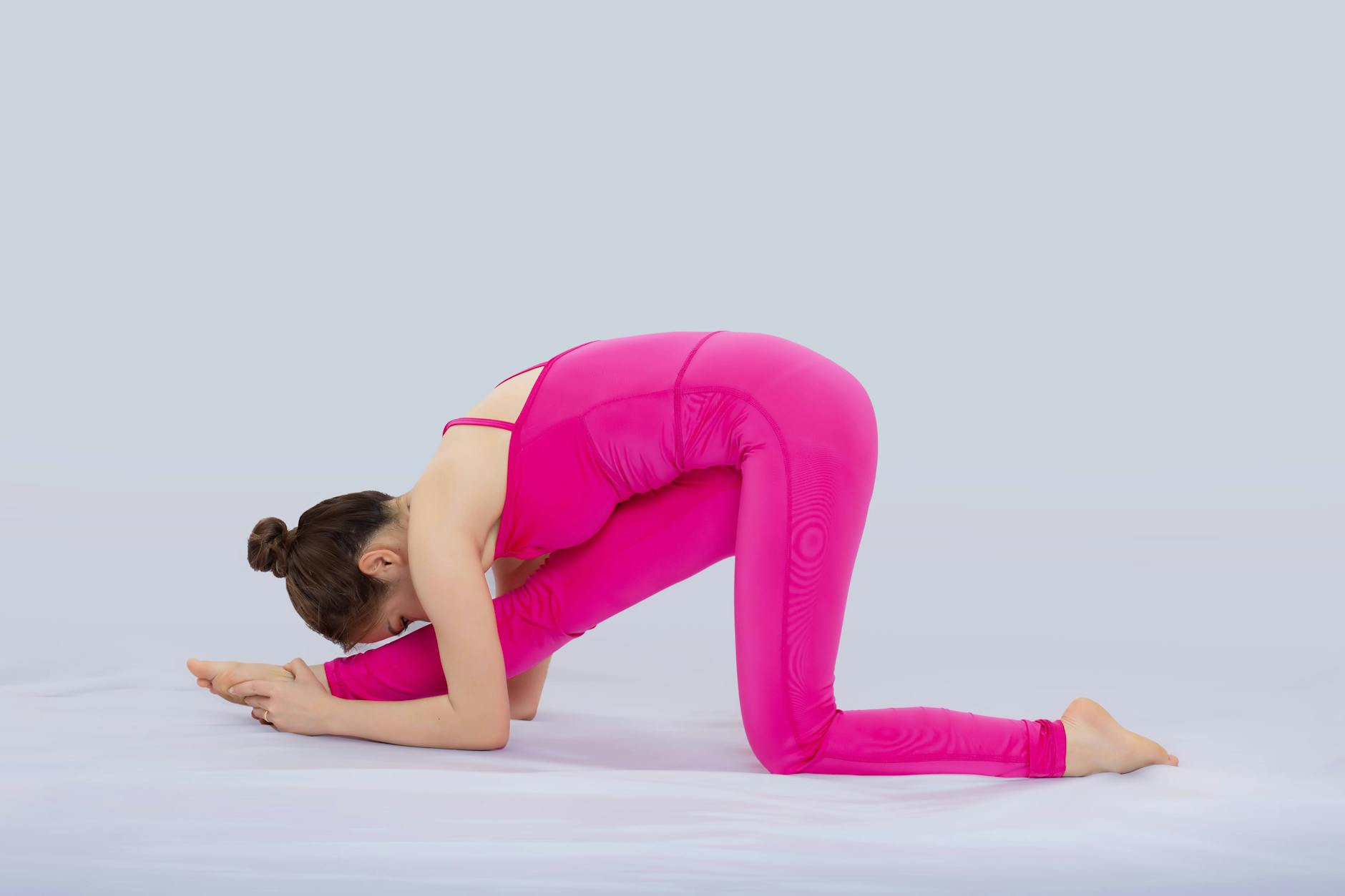
Integrating Stretching into Your Daily Life
The best stretches are the ones you actually do. Making them a consistent part of your routine is more important than the complexity of the movements themselves.
Morning Momentum: Kickstart Your Day
A few simple daily stretches can transform your mornings. Before you even get out of bed, try a gentle full-body stretch, reaching your arms overhead and pointing your toes. Then, once up, a few minutes of dynamic movements like arm circles and leg swings can wake up your muscles. This sets a positive tone for the day.
The 5-Minute Wake-Up Routine
- Reach for the Sky: Lying in bed, stretch your arms overhead and legs long.
- Knee to Chest: Gently pull one knee towards your chest, then switch.
- Gentle Twist: Lying on your back, let your knees fall to one side while looking the other.
- Cat-Cow: A few rounds on hands and knees.
- Standing Quad Stretch: One leg at a time.
Desk Warrior's Relief: Battling Sedentary Stiffness
If you sit for long periods, you know the stiffness that creeps in. Incorporating short stretch breaks every hour can prevent long-term issues. Think shoulder rolls, neck tilts (gently!), and reaching your arms overhead. Even a quick walk around the block helps. This is where targeted leg flexibility exercises become crucial for circulation.
Evening Unwind: Preparing for Restful Sleep
Your evening routine is the perfect time for static stretching. After a day of activity, your muscles are warm and receptive. Focus on areas that feel tight. A gentle hamstring stretch, a hip flexor stretch, or a child's pose can signal to your body that it’s time to relax and recover. Exploring the static stretching benefits can truly enhance your recovery.
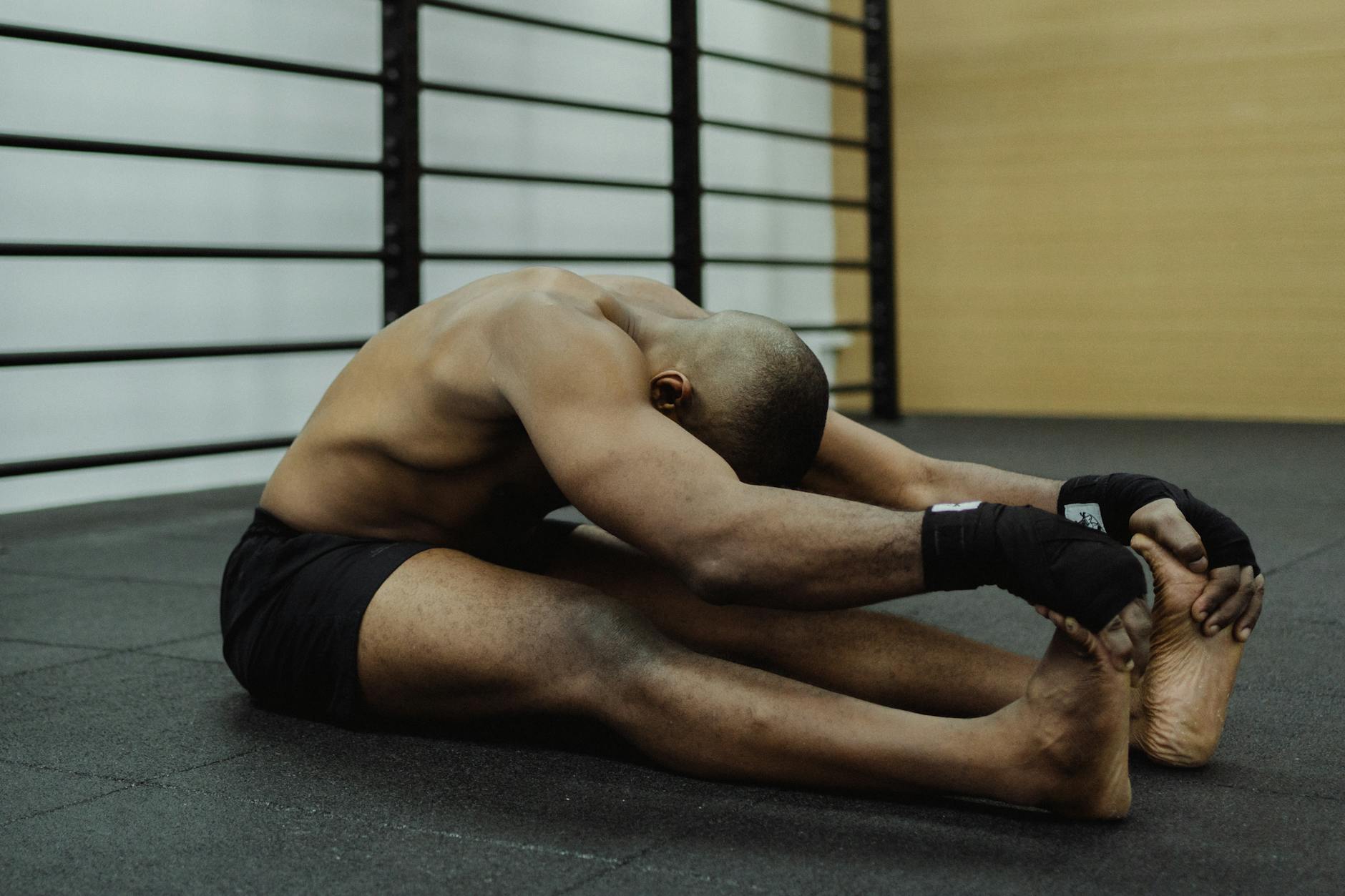
Beyond the Basics: Advanced Flexibility and Pain Relief
Once you've built a solid foundation, you might want to explore deeper flexibility or use stretching specifically for pain relief. This is where understanding your body and its specific needs becomes critical.
Targeted Stretches for Common Aches
For lower back pain, focusing on hip flexor and hamstring stretches is often incredibly effective. Tight hip flexors can pull on your lower back, so releasing them is key. For shoulder pain, exercises like the shoulder dislocates (using a band or broomstick) and chest openers are vital. Remember to always consult with a healthcare professional if you have persistent pain. World Health Organization research on best stretches often points to the importance of addressing muscular imbalances.
The Sciatic Nerve Soother
Piriformis stretches, which target the deep hip rotator muscles, can often provide relief for sciatica. Lying on your back with knees bent, cross one ankle over the opposite knee and gently pull the supporting thigh towards your chest.
The Role of Yoga and Pilates
It's no coincidence that practices like yoga and Pilates are so popular for flexibility and core strength. They incorporate many of the best stretches in a flowing, mindful sequence. If you're looking for a structured way to improve your flexibility, these disciplines are excellent options. Many golf flexibility exercises, for instance, draw heavily from yoga poses to improve rotational mobility.
Consistency Over Intensity
Here's the thing I'll be real with you: you won't see dramatic changes overnight. The real magic of stretching happens with consistency. It’s about showing up for your body, even on days when you don’t feel like it. A 10-minute routine done daily is infinitely better than a 1-hour session once a month.

Listening to Your Body: The Ultimate Guide
Perhaps the most crucial aspect of any stretching routine, and something that took me years to truly internalize, is learning to listen to your body. Pushing too hard can lead to injury, setting you back further than you were before.
Pain vs. Discomfort
There’s a difference between a stretch that feels like a gentle pull or tension (discomfort) and a sharp, shooting, or joint pain (actual pain). Never push into true pain. Discomfort is often the signal that you're working a muscle and improving flexibility, but pain is a warning sign. National Institutes of Health research on best stretches consistently emphasizes this distinction.
When to Back Off
If a stretch causes sharp pain, immediately ease out of it. If the pain persists, it’s time to seek professional advice. This is especially true if you have pre-existing conditions or injuries.
Progressive Overload for Flexibility
Just like with strength training, you can apply the principle of progressive overload to flexibility. This means gradually increasing the duration you hold a stretch, the depth you go into it, or the frequency of your sessions over time. It's a slow and steady process. This one surprised me when I first learned about it; I just thought you held a stretch until you couldn't anymore.
Ultimately, finding the best stretches for you is an ongoing conversation with your body. It’s about understanding what feels good, what feels necessary, and what brings you closer to moving with more freedom and less pain. Start today, be patient, and celebrate the small victories. Your body will thank you for it.