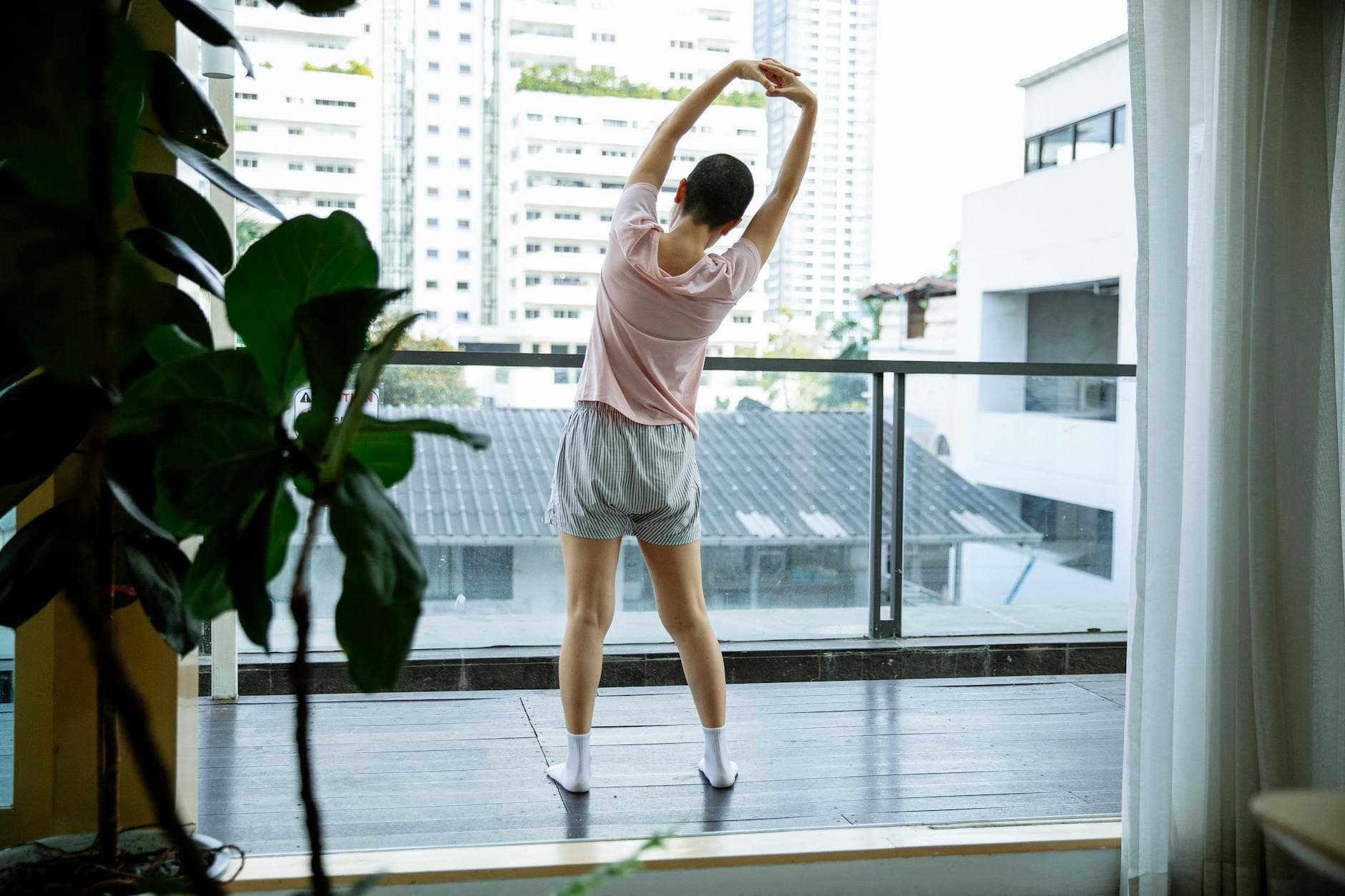
What if I told you that the key to unlocking a more comfortable, mobile, and pain-free life might be as simple as a few minutes of focused stretching each day? It sounds almost too good to be true, doesn't it? Yet, for so many of us, the nagging ache or stiffness in our lower back is a constant companion, a unwelcome reminder of how tight our bodies have become. This isn't just about feeling a bit sore; it's about how that discomfort can ripple through your entire day, affecting your mood, your energy, and your ability to simply *live*. The good news is that incorporating the right lower back stretches can make a profound difference.
I've spent years working with people who thought their back pain was a permanent fixture. I've seen the frustration, the limitations, and the quiet desperation. But time and again, I've witnessed the transformative power of consistent, targeted movement. It’s not about heroic feats of flexibility; it’s about gentle, deliberate actions that coax your muscles back into balance and your spine into alignment.
Understanding the Root of Lower Back Discomfort
Before we dive into the stretches themselves, let’s talk about why your lower back might be giving you grief in the first place. It’s rarely just one thing. More often, it's a complex interplay of factors that leave your lumbar spine feeling stressed and unhappy.
The Sedentary Trap
Our modern lives, with their long hours at desks and commutes, are a breeding ground for tight muscles. When you sit for extended periods, your hip flexors shorten and tighten. This can pull on your pelvis, tilting it forward and putting excessive strain on your lower back. Your glutes, which are meant to be strong and supportive, often become inactive and weak, further contributing to the problem.
Posture's Silent Sabotage
You've probably noticed how easy it is to slouch. Bad posture isn't just about aesthetics; it’s a physical strain on your spine. When you hunch forward, you’re constantly compressing the discs in your lower back and forcing your muscles to work overtime to keep you upright. This chronic tension is a prime culprit behind that persistent ache. Fixing your bad posture is a crucial step towards long-term relief.
The Core Conundrum
Many people think "core strength" means having a six-pack. While that's nice, a truly strong core involves deeper stabilizing muscles that wrap around your torso. When these muscles are weak, your lower back has to pick up the slack, leading to fatigue and pain. Think of your core as the sturdy foundation of your body; if that foundation is shaky, everything above it suffers.
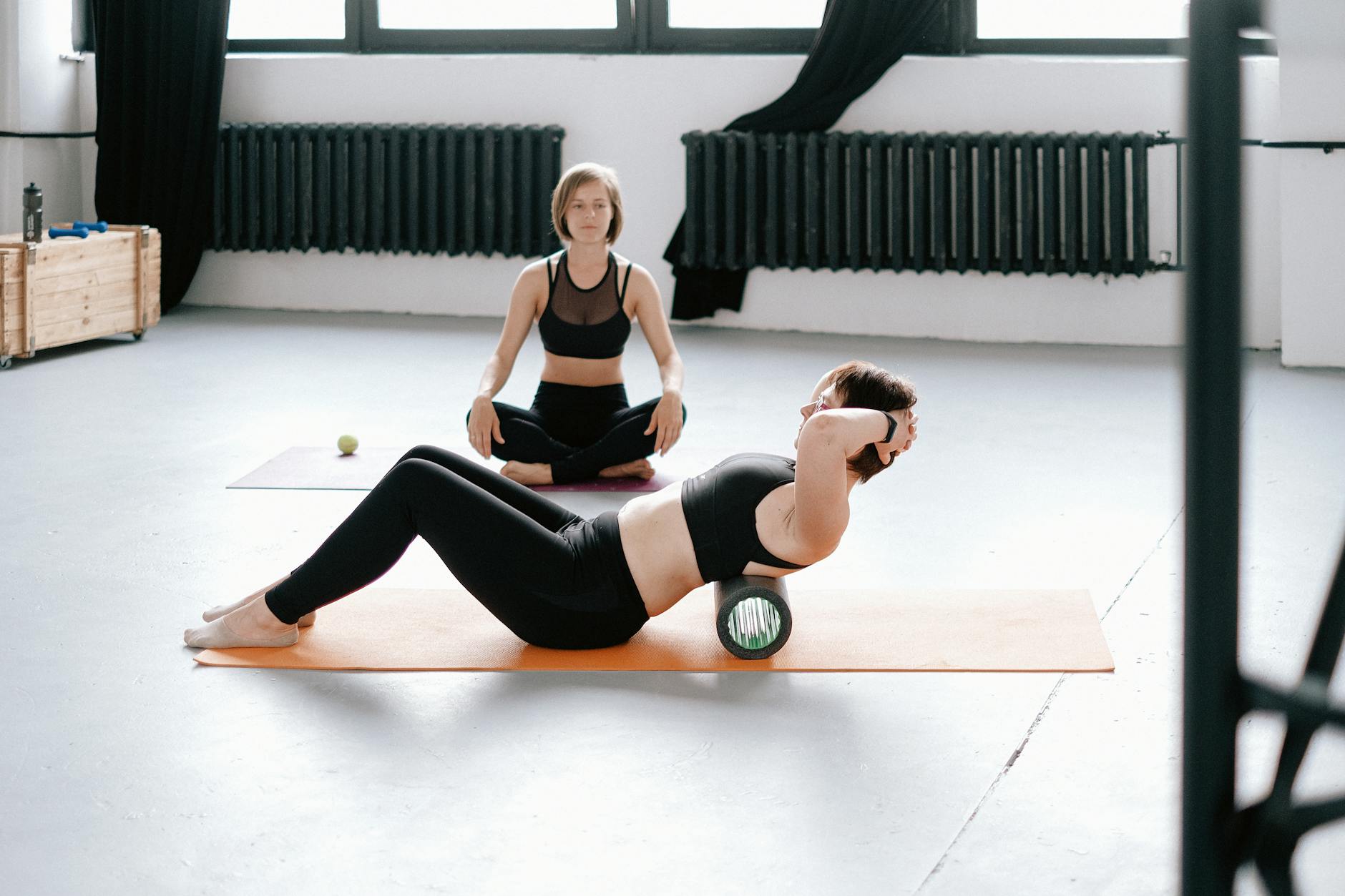
The Best Lower Back Stretches for Lasting Relief
Here's the truth: there’s no magic bullet. But there are incredibly effective lower back stretches that, when practiced consistently, can significantly reduce pain and improve mobility. I’m not talking about contorting yourself into pretzel shapes. These are accessible, effective movements designed to target the common areas of tightness.
Knee-to-Chest Stretch
This is a classic for a reason. It gently decompresses the lower spine and can provide immediate relief.
How to do it
- Lie on your back with your knees bent and feet flat on the floor.
- Gently bring one knee towards your chest, using your hands to clasp your shin or the back of your thigh.
- Hold for 20-30 seconds, breathing deeply. You should feel a gentle stretch in your lower back and hip.
- Slowly release and repeat with the other leg.
- For an added benefit, try bringing both knees to your chest simultaneously.
This simple movement is fantastic for relieving a tight lower back. I’ve had clients who found this stretch to be a lifesaver after long days.
Cat-Cow Pose
This dynamic stretch is brilliant for warming up the spine and improving its overall mobility. It’s a gentle flow that encourages spinal flexion and extension.
Performing the flow
- Start on your hands and knees, with your wrists directly under your shoulders and your knees directly under your hips.
- As you inhale, drop your belly towards the floor, arch your back, and lift your head and tailbone towards the ceiling (Cow pose).
- As you exhale, round your spine towards the ceiling, tuck your chin to your chest, and let your head hang (Cat pose).
- Flow between these two poses for 5-10 breaths, focusing on the movement of your spine.
This is one of those stretches for lower back pain that feels incredibly natural and is very forgiving.
Child's Pose
Often overlooked, Child's Pose is a deeply restorative posture that gently stretches the entire back, including the lower back, and calms the nervous system.
Getting into the pose
- Begin on your hands and knees.
- Bring your big toes to touch and widen your knees about hip-width apart.
- Sink your hips back towards your heels.
- Extend your arms forward on the mat, or rest them alongside your body with your palms facing up.
- Rest your forehead on the mat.
- Breathe deeply and allow your body to relax into the pose for 30 seconds to a minute.
This is a beautiful way to reset and find a moment of quiet.
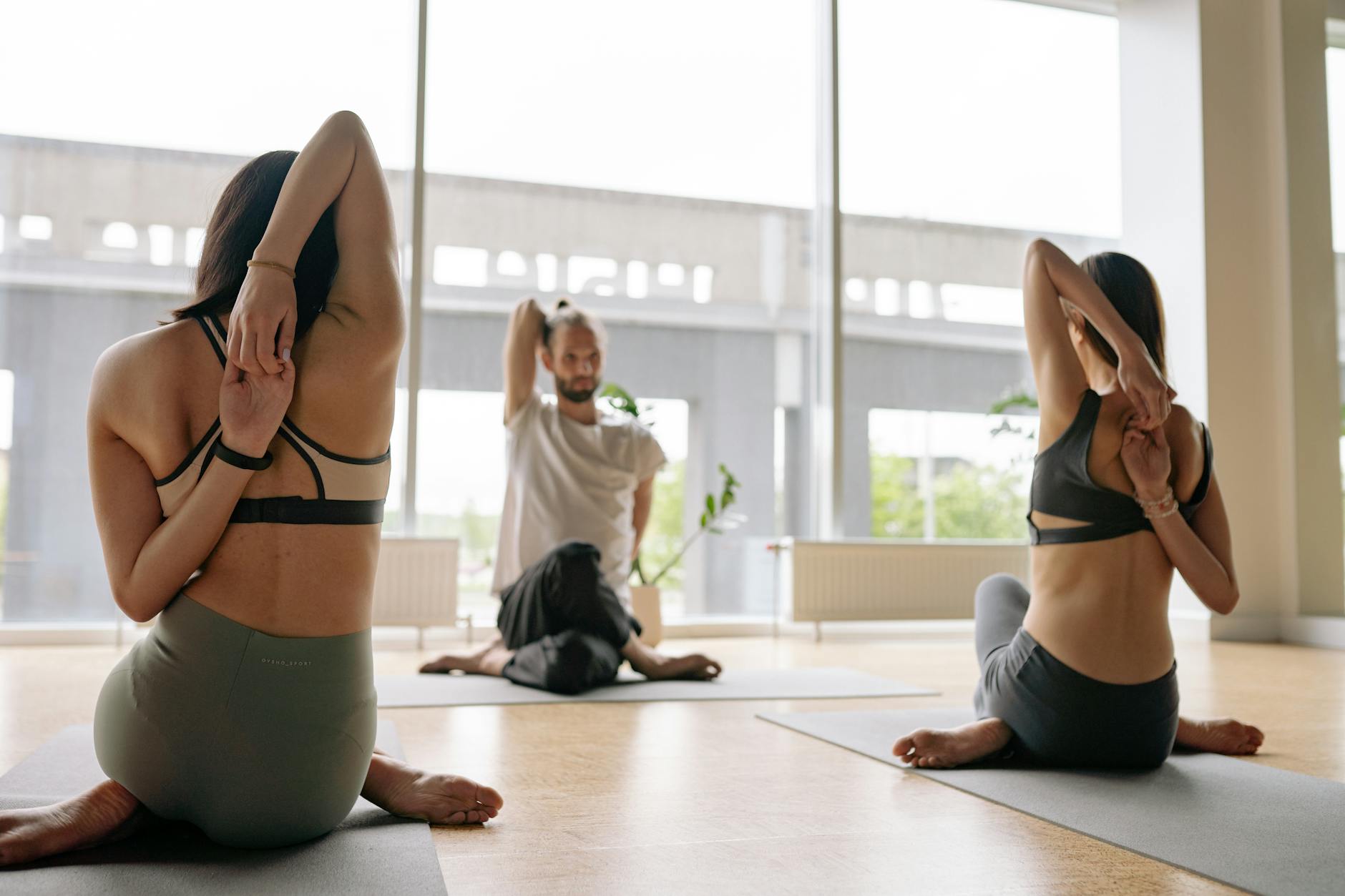
Targeting Specific Tight Areas
Often, lower back pain isn't just about the back itself. Tightness in surrounding areas, like the hips and hamstrings, can significantly contribute to your discomfort. Addressing these can unlock tremendous relief.
Hip Flexor Stretch
Tight hip flexors are a major player in lower back pain. They pull your pelvis out of alignment, creating a cascade of issues. This stretch targets those often-neglected muscles.
Steps for a deep stretch
- Start in a kneeling lunge position, with your right knee on the ground and your left foot flat on the floor in front of you, knee bent at 90 degrees.
- Ensure your left knee is directly over your left ankle.
- Gently tuck your tailbone slightly under and engage your core.
- Shift your weight forward slightly until you feel a stretch in the front of your right hip and thigh.
- Hold for 20-30 seconds, breathing deeply.
- Repeat on the other side.
Don't underestimate the power of a good hip flexor stretch; it can be a game-changer.
Hamstring Stretch (Lying Down)
Tight hamstrings can pull on your pelvis and contribute to lower back strain. This lying-down version is gentle and effective.
Executing the stretch
- Lie on your back with your knees bent and feet flat on the floor.
- Loop a towel or strap around the ball of your right foot.
- Keeping your left leg bent with your foot on the floor, gently straighten your right leg up towards the ceiling.
- Keeping your lower back pressed into the floor, gently pull the towel to bring your straight leg closer to your body until you feel a stretch in the back of your thigh.
- Hold for 20-30 seconds.
- Repeat with the left leg.
A regular hamstring stretch helps to balance the pull on your pelvis.
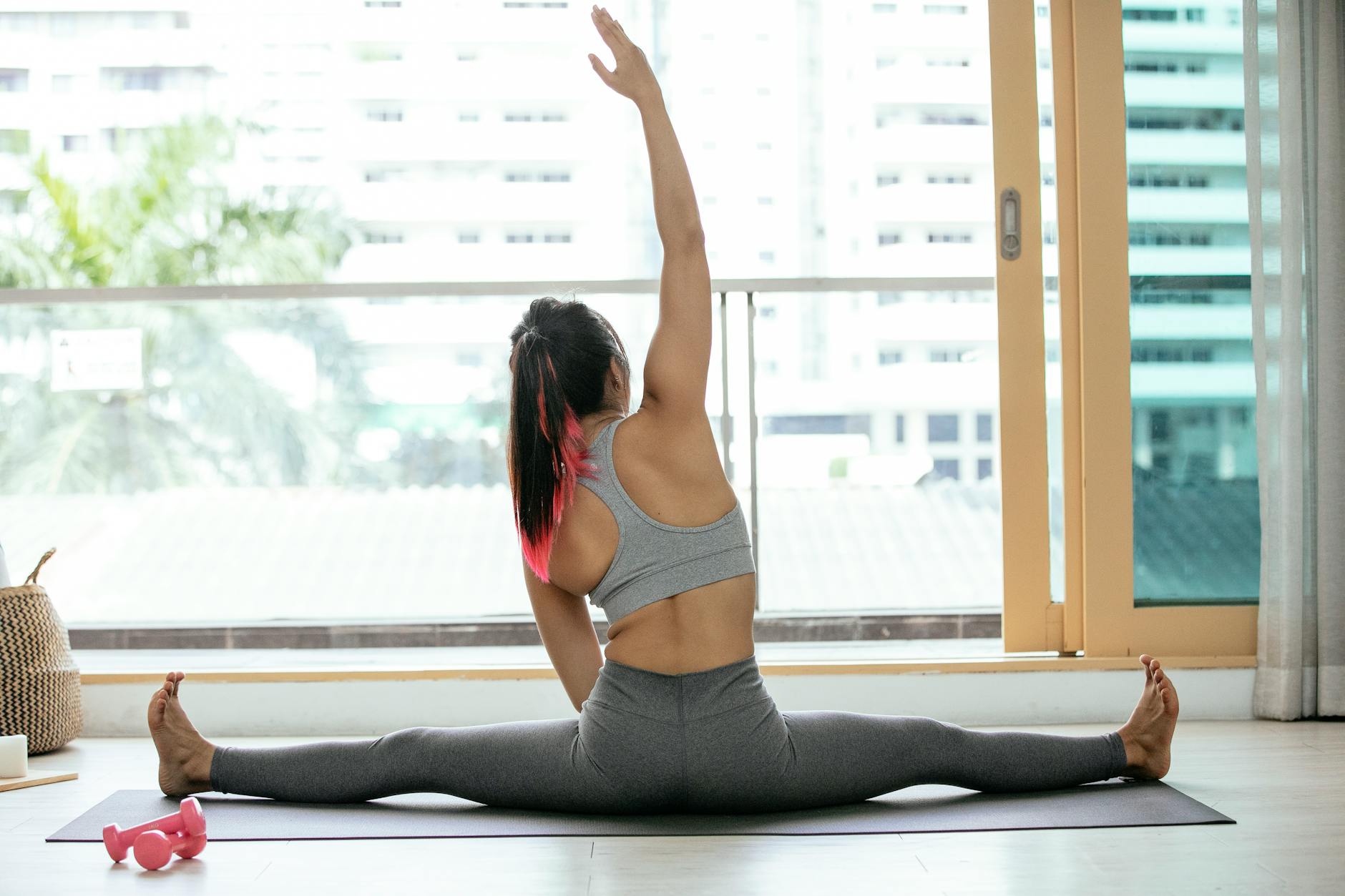
Integrating Lower Back Stretches into Your Life
So, you’ve got the stretches. Now what? The real magic happens when you weave these movements into your daily routine. Consistency is king when it comes to managing back pain.
Morning Mobility Routine
I'll be real with you, I used to think stretching was just for before or after a workout. But I've found that a few minutes of gentle movement first thing in the morning can set the tone for the entire day. Try doing your Knee-to-Chest and Cat-Cow poses right after you wake up. It helps to awaken your spine and prepare it for the day's activities.
Desk Breaks for Relief
If you spend a lot of time sitting, you absolutely need to build in movement breaks. Every hour, stand up, do a quick Cat-Cow, or a few Knee-to-Chest stretches. Even 60 seconds can make a difference. This is crucial for counteracting the negative effects of prolonged sitting and preventing that feeling of a tight lower back.
Evening Wind-Down
Before bed, a few minutes of Child's Pose or a gentle lying hamstring stretch can help release any tension accumulated throughout the day. This can lead to better sleep, which is also vital for recovery. Speaking of sleep, understanding the daylight sleep science can further enhance your rest and recovery.
What Nobody Tells You About Back Pain and Stretching
Here's the truth: stretching alone might not be enough if your body is significantly out of alignment or if there's an underlying issue. While these lower back stretches are incredibly beneficial, they are part of a bigger picture.
The Importance of Core Strength
As I mentioned, a weak core is a major contributor to back pain. You need to actively work on strengthening those deep stabilizing muscles. Think planks, bird-dog, and dead bugs. These exercises, alongside stretching, create a truly resilient back. This is why I emphasize that core strength is non-negotiable for long-term back health.
Hydration for Spinal Health
This one surprised me when I first learned about it. Did you know that the discs in your spine are largely made up of water? Proper hydration is essential for keeping those discs plump and able to absorb shock. Not drinking enough water can actually contribute to back stiffness and pain. It's a simple yet profound connection, and understanding how much water you need is key.
When to Seek Professional Help
If your pain is severe, persistent, or accompanied by other symptoms like numbness, tingling, or weakness, it's crucial to consult a healthcare professional. Conditions like arthritis can cause significant back pain, and finding relief for arthritis back pain requires a tailored approach. While these stretches can help manage symptoms, they are not a substitute for medical diagnosis and treatment. The World Health Organization offers extensive resources on musculoskeletal health that can be helpful. You can also find valuable information from institutions like Mayo Clinic research on lower back stretches.
The Power of Gentle Movement
The journey to a pain-free lower back is a marathon, not a sprint. It requires patience, consistency, and a willingness to listen to your body. These lower back stretches are powerful tools in your arsenal, but they work best when integrated into a holistic approach that includes good posture, core strength, and overall well-being.
Think about the last time you woke up feeling stiff and achy. Imagine that feeling gradually fading, replaced by a sense of ease and freedom of movement. That's the potential that lies within these simple practices. Don't let a tight lower back dictate your life. Start small, be consistent, and celebrate every bit of progress. Your body will thank you for it. For further insights, consider exploring Harvard Health research on lower back stretches.