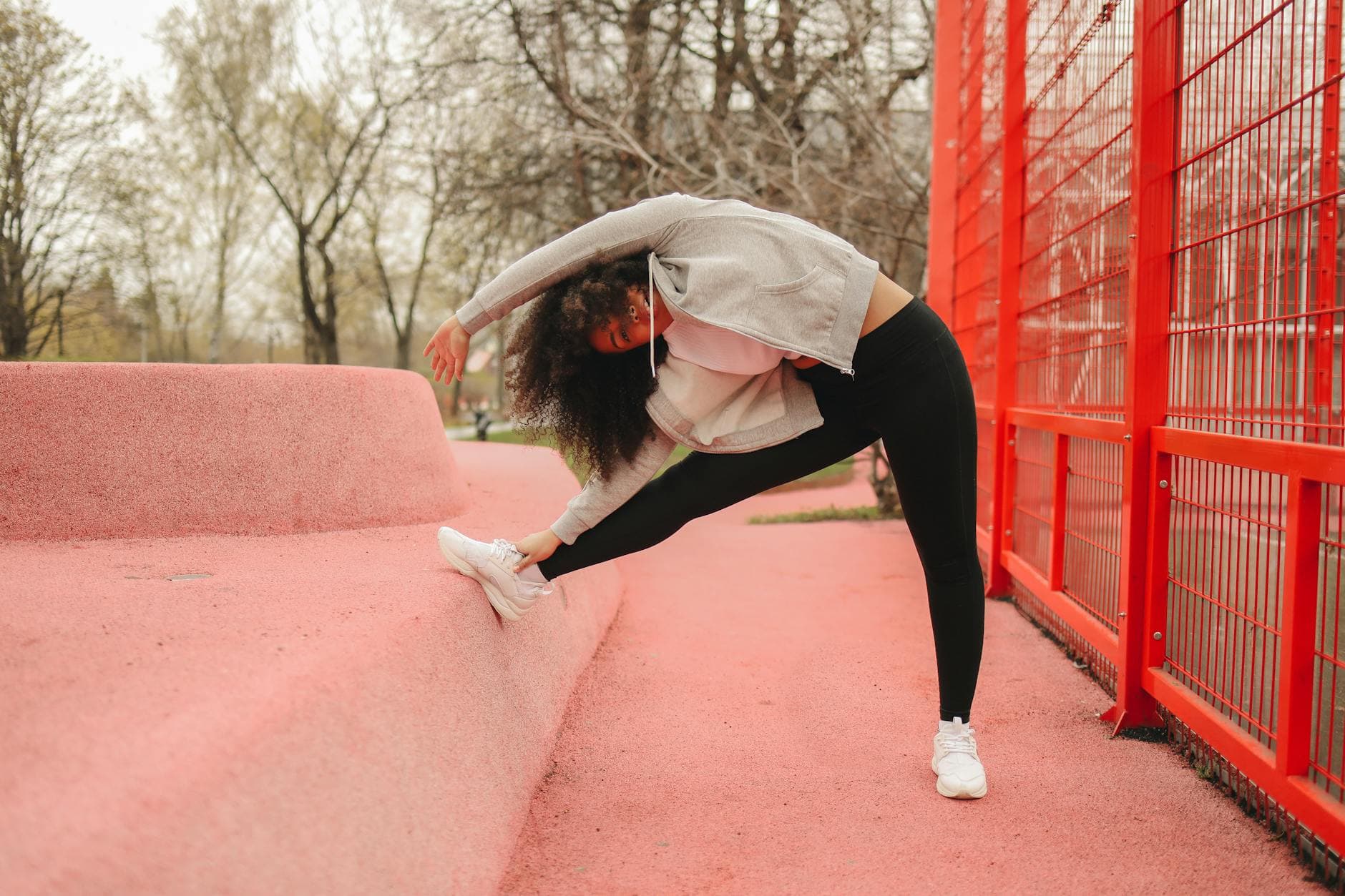
Spring Allergies Exercise: Don't Let Pollen Keep You Indoors
There's this persistent myth that if you have spring allergies, you're basically grounded from any kind of decent workout until autumn. You see people bundled up indoors, scrolling through fitness apps, looking utterly defeated, and you think, "Well, that's it, exercise is over for me." Honestly, that used to be me! But here's the thing: it doesn't have to be. You can absolutely enjoy the fresh air and get your sweat on, even when the pollen count is through the roof. Managing spring allergies and fitness is totally achievable, and I'm going to show you how.
The Pollen Problem: Why It Hits Us So Hard
When spring rolls around, it’s beautiful, right? Flowers blooming, trees getting their leaves back, longer days… and then BAM! Sneezing, itchy eyes, that general feeling of being run down. That's your immune system going into overdrive, mistaking harmless pollen for a dangerous invader. It releases histamine and other chemicals, causing all those miserable symptoms. For me, it’s usually the itchy throat and the constant need to clear it that’s the worst, followed closely by the watery eyes that make my vision blurry during a run.
Your Body's Overreaction Explained
The scientific term for hay fever is allergic rhinitis, and it’s super common. Pollen grains, like those from trees, grasses, and weeds, are the usual culprits. They float around in the air, and when you breathe them in, your body’s defense system gets triggered. It’s a complex cascade of events, but the end result is inflammation and those tell-tale allergy symptoms.
Rethinking Your Outdoor Exercise Allergies Strategy
So, if pollen is the enemy, does that mean all outdoor exercise is off the table? Absolutely not. It’s more about being smart and strategic. Think of it like this: you wouldn't go hiking in a blizzard without the right gear, right? Same principle applies here. We just need to adjust our approach to training with hay fever.
Timing is Everything
This is probably the biggest game-changer for me. You’ve probably noticed how much worse your allergies seem on certain days. That’s often tied to the time of day and the weather. Pollen counts tend to be highest in the early morning and on dry, windy days. So, what’s the solution? Try shifting your workouts to later in the afternoon or early evening, after the morning pollen has settled a bit. Rain can actually be your friend; it washes a lot of the pollen out of the air, making post-rain workouts much more pleasant.
Pollen Forecasts: Your New Best Friend
Just like you check the weather before heading out, start checking the pollen forecast. Many weather apps and websites have detailed pollen counts for your area. If the count is extremely high, it might be a good day to scale back your outdoor time or opt for an indoor workout. It’s about listening to your body and not pushing it when it’s clearly signaling distress.
Exercise Modifications for Allergies: Making It Work for You
Even with the best timing, you might still experience some allergy symptoms exercise. That's where modifications come in. You don't have to go from a 10k run to sitting on the couch.
Indoor Alternatives That Still Count
When the pollen is just too much, don't feel guilty about hitting the gym or doing a home workout. A good cardio session on the treadmill, an intense HIIT class, or even just a brisk walk on an indoor track can keep your fitness levels up. I've found that a good strength training session can be just as satisfying and often leaves me feeling less drained than a strenuous outdoor run during peak allergy season. You can also explore things like adjusting your circadian rhythm to improve overall well-being, which can indirectly help with allergy management.
Gear Up for Success
There are a few simple things you can do to create a physical barrier. Wearing sunglasses can help keep pollen out of your eyes. A buff or a bandana pulled up over your nose and mouth can filter out some of the airborne irritants. Some people even find relief with specialized allergy masks, though I’ll be real with you, they can feel a bit extreme for a casual jog.
Running with Allergies: Tips for the Trail and Track
Running is my absolute favorite way to de-stress, and the thought of missing it during spring is a downer. But I’ve learned a few tricks for running with allergies.
The Nasal Rinse Revolution
This one surprised me. Using a neti pot or a saline nasal spray before and after your run can make a huge difference. It literally flushes out pollen and other irritants from your nasal passages. It feels a little weird the first few times, but the relief is often immediate and significant. I started doing this last spring, and it was a total game-changer for my allergy symptom relief.
Hydration is Key
Staying well-hydrated is always important for exercise, but it’s even more crucial when you’re dealing with allergies. Dehydration can worsen allergy symptoms and make you feel more sluggish. Keep a water bottle handy and sip throughout your workout.
Managing Spring Allergies and Fitness: A Holistic Approach
Beyond just modifying your workouts, there are broader strategies that can help you manage your spring allergies and fitness journey.
Boosting Your Immune System Naturally
A strong immune system is your first line of defense. Focus on a diet rich in fruits, vegetables, and whole grains. Getting enough quality sleep is also paramount; disrupted sleep can weaken your immune response and make you more susceptible to allergens. If you're struggling with sleep, understanding sleep deprivation causes is a good first step. Think about incorporating foods known to boost immune system naturally.
When to Seek Professional Help
Sometimes, despite your best efforts, allergies can be debilitating. If your symptoms are severe, affecting your daily life, or if over-the-counter medications aren’t helping, it’s time to talk to a doctor or an allergist. They can offer prescription medications, allergy shots, or other treatment options. Research from the National Institutes of Health research on spring allergies exercise highlights the importance of personalized treatment plans.
Allergy-Friendly Outdoor Workouts: Beyond the Obvious
It’s not just about running or cycling. There are plenty of other ways to enjoy the outdoors while minimizing allergen exposure.
Water Activities: A Breath of Fresh Air (Literally)
Swimming is fantastic! The chlorine in pool water can actually help neutralize pollen. If you have access to an outdoor pool, it can be a great option. Even kayaking or paddleboarding on a lake or calm river can be less irritating than being surrounded by trees and flowers on a trail.
Gardening and Yoga in Controlled Environments
If you love gardening, try doing it during times of lower pollen counts or wear protective gear. For yoga, a park setting might be lovely, but if the pollen is high, a shaded backyard or even an indoor studio can be a better choice. Remember, the goal is to find activities you enjoy that don't exacerbate your symptoms. This is why understanding Harvard Health research on spring allergies exercise and its impact on well-being is so important.
The Best Time to Exercise During Allergy Season: My Personal Take
For me, the absolute best time to exercise during allergy season is usually late afternoon or early evening, especially after a good rain. I’ll check the pollen count religiously. If it’s moderate, I’ll go for it. If it’s extreme, I’ll swap my outdoor run for a gym session or a brisk walk around my neighborhood while wearing my sunglasses and maybe even a light mask if it feels really bad. It's all about balance and listening to my body's signals. Don't be afraid to adjust your plans on the fly.
A Real-Life Example
Last April, I had a 10k race planned. The morning was supposed to be clear and windy, with a sky-high pollen count. I was so bummed. Instead of canceling, I decided to do a slightly modified version. I took my antihistamine a couple of hours beforehand, wore my wrap-around sunglasses, and made sure I had my nasal spray ready. I also decided to run at a slightly more moderate pace than I usually would for a race, focusing more on finishing than setting a personal best. I still got a great workout, enjoyed being outside, and while I had some mild symptoms, it was manageable. The key was preparation and realistic expectations.
Don't Let Allergies Dictate Your Fitness
Spring allergies exercise doesn't have to be a battle. It's about informed choices, smart adjustments, and a willingness to adapt. You have the power to maintain your fitness routine and enjoy the outdoors. Focus on preparation, listen to your body, and don't be afraid to explore different options. Your health and well-being are worth the effort.