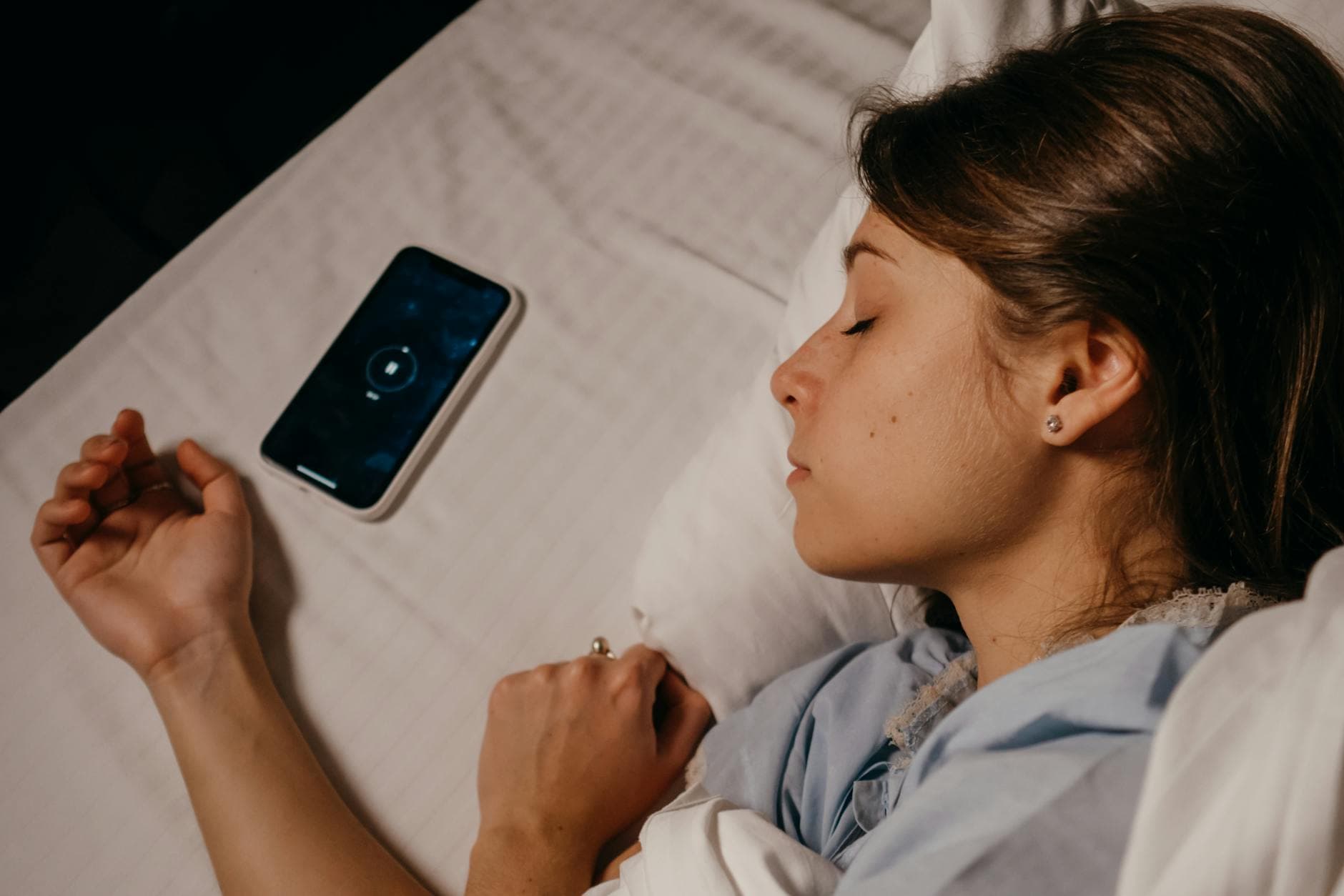
The alarm blares, jarring you from a restless sleep. You fumble for the snooze button, the dim pre-dawn light offering little comfort. This groggy, disoriented feeling is all too familiar, especially as the seasons shift. Understanding **daylight sleep science** isn't just academic; it's about reclaiming your energy and well-being. I've spent years helping people navigate these very challenges, and honestly, the impact of light on our sleep is profound, yet often overlooked.
The Ancient Rhythms of Light and Sleep
For millennia, human life was dictated by the sun. We woke with its first rays and slept when darkness fell. This natural rhythm, deeply ingrained in our biology, is governed by our circadian rhythm. Think of it as your internal body clock, meticulously set by external cues, primarily light.
Our Internal Timekeeper: The Circadian Rhythm
At the heart of this system is a master clock in your brain called the suprachiasmatic nucleus (SCN). This tiny cluster of cells, about the size of a pinhead, synchronizes with the 24-hour light-dark cycle. When light hits your eyes, it signals to your SCN that it's daytime, promoting wakefulness and suppressing the production of melatonin, the hormone that makes you sleepy. As darkness falls, melatonin production increases, preparing your body for rest. This delicate dance is the foundation of healthy sleep.
Melatonin's Role in the Darkness
Melatonin is the unsung hero of our nighttime rest. Its release is a direct response to the absence of light. When your environment is dark, your pineal gland starts pumping out melatonin, signaling to your brain and body that it's time to wind down. It doesn't *force* you to sleep, but rather facilitates the transition into sleep, lowering your body temperature and making you feel drowsy. The quality and timing of this melatonin release are crucial for a restorative night.
Spring Forward: The Disruption of Daylight Savings
Ah, spring. The birds are chirping, flowers are blooming, and then... "spring forward." This annual shift, designed to give us more daylight in the evenings, can wreak havoc on our carefully calibrated internal clocks. The sudden loss of an hour feels minor on paper, but its impact on our sleep patterns can be significant. You've probably noticed that a lot of people complain about feeling tired and out of sorts for weeks after the clocks change.
How Daylight Affects Sleep: The Spring Shift
When we "spring forward," we are essentially telling our bodies that it's an hour earlier than it actually is according to our internal clock. Our SCN, still operating on the old schedule, is receiving light signals that are out of sync with the perceived time. This mismatch can lead to difficulties falling asleep at night and waking up feeling unrefreshed. It's like jet lag, but self-inflicted. This is a core concept in daylight sleep science: our bodies are hardwired to respond to natural light cues, and artificial shifts disrupt this fundamental process.
Spring Sleep Patterns: A Biological Mismatch
The result? Spring sleep patterns often become erratic. People might find themselves wide awake at 10 PM, even though they're exhausted, because their body clock hasn't adjusted to the earlier bedtime. Conversely, they might struggle to wake up in the morning, hitting snooze multiple times. This disruption can affect mood, concentration, and overall productivity. Some research, like that from the Centers for Disease Control and Prevention research on daylight sleep science, highlights the increased risk of accidents and health issues during these transitional periods.
The Science of Light Exposure and Sleep Hormones
Light is the most potent environmental cue for regulating our sleep-wake cycle. The type, intensity, and timing of light exposure all play critical roles. Understanding this is key to mastering your sleep hygiene, especially when it comes to daylight.
Melatonin Daylight: The Suppression Effect
Exposure to light, particularly blue light emitted from electronic devices, suppresses melatonin production. This is why using your phone or tablet right before bed can make it harder to fall asleep. Even dim light can have an effect, so creating a dark sleep environment is essential. The brighter and more intense the light, the stronger the suppression of melatonin. This is a fundamental principle of daylight sleep science.
Sleep Hormones and Seasonal Changes Sleep
Beyond melatonin, other sleep hormones are also influenced by light and seasonal changes. For instance, cortisol, a stress hormone that also plays a role in alertness, tends to be higher in the morning and lower at night. Seasonal affective disorder (SAD), a type of depression related to changes in seasons, is strongly linked to disruptions in the body's internal clock and hormone regulation due to altered light exposure. This demonstrates how deeply intertwined our sleep hormones are with external light cues.
Light Exposure Sleep: Timing is Everything
The timing of your light exposure is as important as the light itself. Morning light is crucial for setting your body clock for the day, promoting alertness and helping you feel sleepy at the appropriate time in the evening. Conversely, exposure to bright light late at night can delay sleep onset. This is why getting outside for a walk in the morning can be so beneficial for your sleep. It's not just about avoiding light before bed; it's about strategically using light to your advantage throughout the day.
Harnessing Daylight for Better Sleep
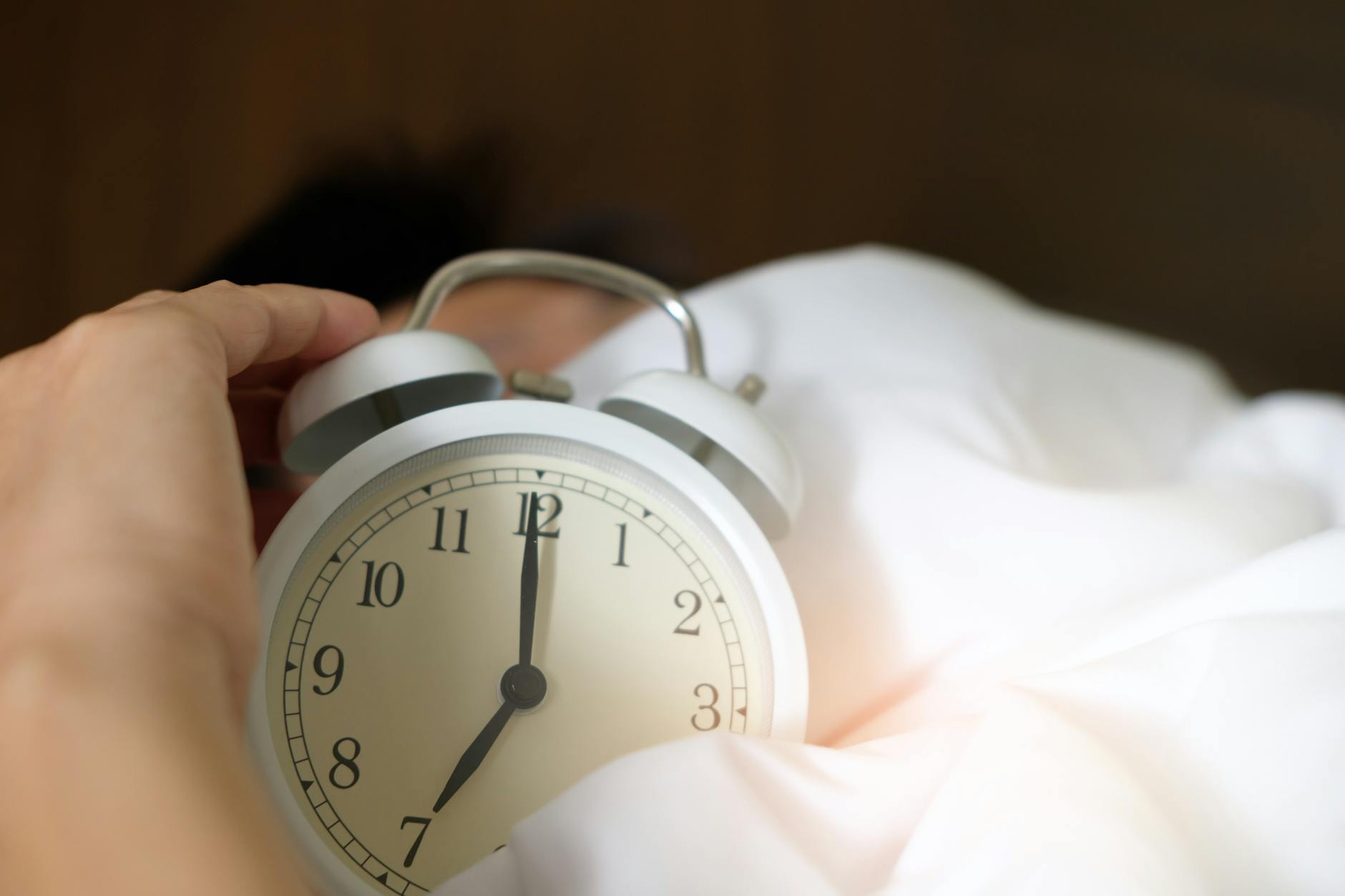
Instead of fighting against the natural power of daylight, we can learn to work with it. Strategic light exposure can significantly improve your sleep quality and help you feel more energized.
Body Clock Spring: Resetting Your Internal Clock
After the disruption of daylight saving or just general seasonal changes, it's important to reset your body clock. The most effective way to do this is through consistent exposure to natural light in the morning. Aim to get at least 15-30 minutes of sunlight within the first hour or two of waking. This signals to your SCN that the day has begun, helping to regulate your circadian rhythm. This practice is a cornerstone of effective daylight sleep science application.
Sleep Hygiene Daylight: Practical Tips
Good sleep hygiene isn't just about avoiding caffeine before bed. It's a holistic approach that includes light management.
- Morning Light Exposure: As mentioned, get outside. Open your curtains as soon as you wake up. If you work indoors, consider a light therapy lamp, especially during darker months.
- Evening Light Reduction: Dim the lights in your home an hour or two before bed. Use warm-toned bulbs instead of bright, cool ones. Minimize screen time or use blue-light filtering glasses.
- Consistent Sleep Schedule: Even on weekends, try to stick to a similar sleep and wake time. This reinforces your body's natural rhythm.
Effects of Sunlight on Sleep: Beyond Melatonin
Sunlight's benefits extend beyond melatonin suppression. It also helps boost serotonin, a neurotransmitter that improves mood and promotes feelings of well-being. This can indirectly lead to better sleep by reducing stress and anxiety. Furthermore, adequate sunlight exposure helps regulate vitamin D production, which has also been linked to improved sleep quality. It's a cascade of positive effects that starts with simply stepping outside.
Navigating Spring Forward Sleep Issues
The "spring forward" transition is a prime example of how disruptions in daylight can impact our lives. While it might seem like a minor inconvenience, the effects can be far-reaching.
The Struggle to Adjust
Many people experience what's commonly known as "spring forward sleep issues." This can manifest as difficulty falling asleep, waking up frequently during the night, and feeling groggy and irritable during the day. It's not uncommon for this adjustment period to last for a week or even two. I'll be real with you, some individuals never fully adapt without making conscious changes to their routine.
Seasonal Changes Sleep: A Broader Perspective
While we often focus on daylight saving, seasonal changes in daylight hours throughout the year can also subtly affect our sleep. Longer days in summer might lead to later bedtimes, while shorter days in winter can make us feel more sluggish. Understanding these broader seasonal changes sleep patterns helps us appreciate the ongoing influence of light on our well-being. The Harvard Health research on daylight sleep science often touches on these broader seasonal influences.
When to Seek Professional Help
If you're consistently struggling with sleep, even after implementing good sleep hygiene practices, it might be time to consult a healthcare professional. Persistent sleep problems can be a symptom of underlying conditions like sleep apnea or insomnia, which require specific treatment. Don't hesitate to seek help if you feel your sleep is significantly impacting your quality of life. Sometimes, a simple adjustment to your light exposure, or perhaps considering something like a Posture Corrector: Improve Your Back Pain Today! if you suspect related discomfort, can make a difference, but persistent issues warrant medical attention.
Integrating Daylight Science into Your Daily Life
The science behind how daylight affects sleep is fascinating, but its real value lies in its practical application. By understanding our body's innate connection to light, we can make simple yet powerful changes to improve our sleep and overall health.
The Power of Consistent Light Exposure
Consistency is key. Waking up at the same time each day, regardless of the day of the week, and ensuring you get adequate morning light exposure are fundamental. This builds a strong, reliable circadian rhythm. Think about the last time you went on vacation to a place with very different daylight hours – you probably felt the shift immediately. This highlights the potent influence of light on our internal clock.
Beyond Spring: Year-Round Strategies
While spring forward often brings sleep issues to the forefront, these principles apply year-round. Managing your light exposure is a continuous practice. Even during the summer months, when days are long, be mindful of excessive bright light exposure late in the evening. For pregnant individuals, managing sleep can be particularly challenging, and understanding light's role, alongside other factors like managing Pregnant Back Pain Relief: Expert Tips & Solutions, is crucial for comfort.
The Future of Sleep and Light
As we learn more about daylight sleep science, we gain more tools to optimize our sleep. From smart lighting systems that adjust color temperature throughout the day to wearable devices that track light exposure, technology is increasingly offering solutions. However, the most powerful tool remains the simplest: natural sunlight. The National Institutes of Health research on daylight sleep science continues to uncover new insights into this vital connection.
Ultimately, embracing the principles of daylight sleep science isn't about complex routines or expensive gadgets. It's about reconnecting with our natural biological rhythms. It's about respecting the power of light and darkness to guide our bodies towards restorative sleep. So, the next time you feel that familiar grogginess after a seasonal shift, remember that a little bit of intentional daylight can go a long way in setting your body clock right.