
I used to think bad posture correction was all about brute force – just trying to stand up straight, all the time, no matter what. It felt like wrestling a stubborn mule. For years, I’d catch myself slouching, then I’d jerk upright, only to slump again an hour later. This constant battle left me with a dull ache in my shoulders and a persistent stiffness in my neck. I’d read countless articles, tried a few stretches, but nothing really stuck. The truth, I learned the hard way, is that fixing bad posture is less about fighting your body and more about understanding it, coaxing it, and building a sustainable relationship with your own physical structure. It’s a marathon, not a sprint, and the finish line isn't just standing tall, but feeling genuinely comfortable and strong in your own skin.
The Real Culprits Behind Your Slouch
It's easy to point fingers at your desk chair or the hours spent staring at a screen, and yes, those are major players. But the story of poor posture is often deeper, woven into the fabric of our daily habits and even our emotional states. We live in a world that increasingly pulls us inward, hunched over devices, our attention focused on tiny illuminated rectangles. This constant forward-leaning posture can create a cascade of physical imbalances.
The Digital Age's Toll
Think about the last time you spent an hour scrolling through your phone. Where were your shoulders? Where was your head? Chances are, they were creeping forward. This is what we call "forward head posture," and it's becoming epidemic. It puts an incredible amount of strain on your neck and upper back. The weight of your head, which is surprisingly heavy (around 10-12 pounds for an adult), is no longer balanced directly over your spine. Instead, it's like holding a bowling ball out in front of you for an extended period. This isn't just about looking less confident; it's a direct pathway to chronic pain.
Sedentary Habits and Muscle Imbalances
Beyond our digital devices, our increasingly sedentary lifestyles contribute significantly. When we sit for long periods, certain muscles get tight and shortened, while others become weak and elongated. Your hip flexors, for instance, can become incredibly tight from prolonged sitting, which pulls your pelvis forward, contributing to an exaggerated lower back curve. Simultaneously, your glutes and core muscles, which are crucial for maintaining an upright posture, can weaken from disuse. This creates a vicious cycle where your body is literally fighting against itself to maintain good alignment.
Stress and Tension's Grip
Here's one that surprised me when I first started digging into this: the link between stress and posture. When we're stressed, our bodies tend to tense up. Often, this tension manifests in the shoulders and neck, causing them to hunch forward and inward. It's a protective mechanism, an instinctual way to shield ourselves. But when this becomes our default setting, even outside of stressful situations, it reinforces poor postural habits. It's a physical manifestation of carrying the weight of the world on your shoulders, quite literally.

Actionable Steps for Bad Posture Correction
So, we've identified some of the culprits. Now, what do we actually do about it? This is where the rubber meets the road, and it requires a multi-pronged approach. It’s not about a single magic bullet, but a consistent, mindful effort. Remember, I’m not just sharing theory here; these are the things that genuinely helped me turn the corner.
Reclaiming Your Spine: Exercises and Stretches
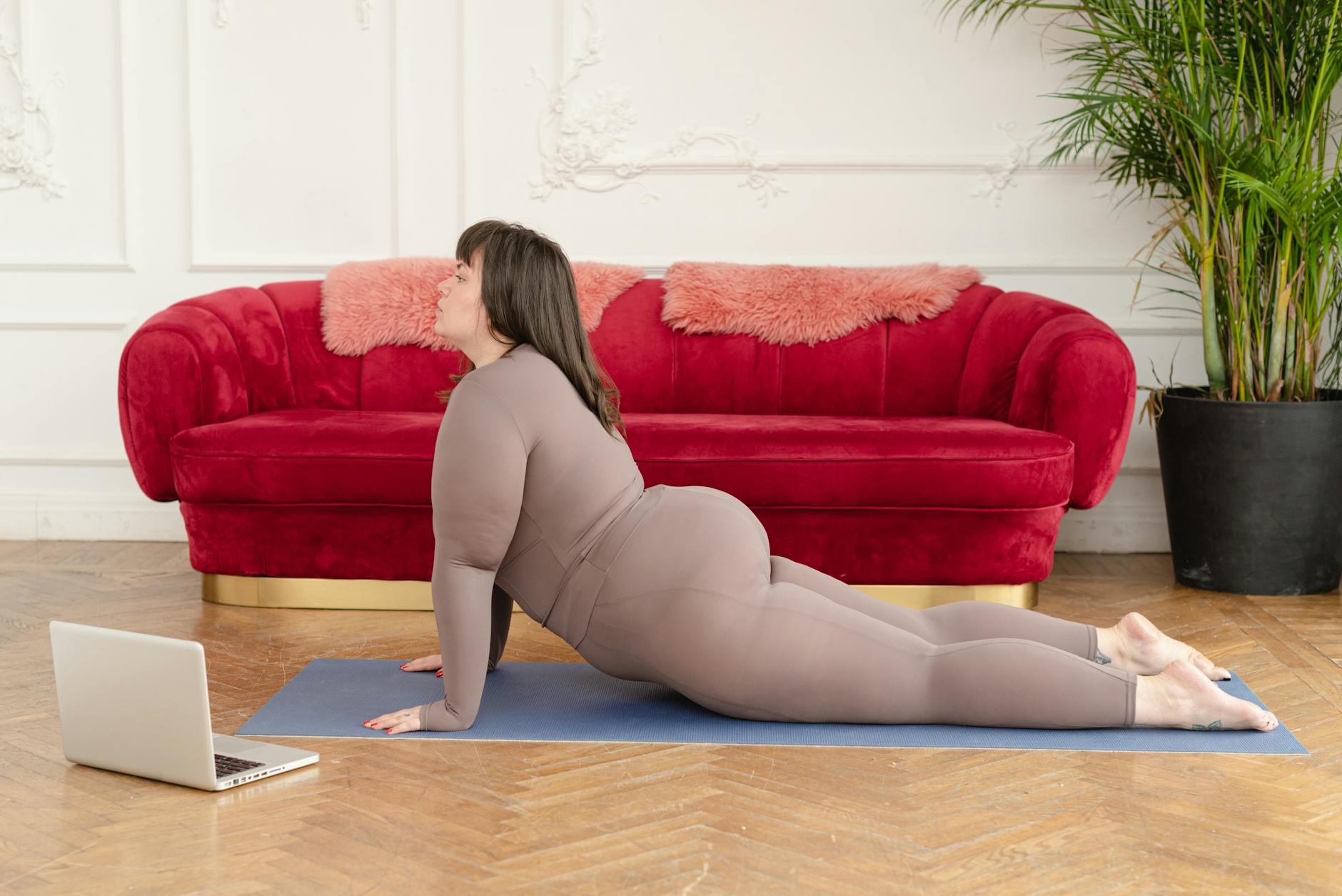
The foundation of any good posture correction plan lies in strengthening the muscles that support your spine and lengthening the ones that have become too tight. This isn't about building massive muscles, but about developing functional strength and flexibility. You want to create a balanced muscular system that naturally holds you upright.
Core Strengthening for a Stable Foundation
Your core isn't just your abs; it's a deep network of muscles that wrap around your torso, providing stability for your entire spine. Exercises like planks, bird-dogs, and glute bridges are fantastic because they engage these deep stabilizers without putting excessive strain on your back. Aim to incorporate these into your routine 3-4 times a week. Start with shorter holds and gradually increase the duration as you get stronger. The key is proper form; it’s better to do 10 perfect planks than 30 sloppy ones.
Upper Back and Shoulder Re-Alignment
To combat slouching shoulders and forward head posture, we need to activate those often-neglected muscles in your upper back and retrain your shoulder blades to sit in a more neutral position. Exercises like "Y" raises, "T" raises, and "W" raises (often done with light weights or just bodyweight) are excellent for targeting the rhomboids and trapezius muscles. Think about squeezing your shoulder blades together and down, as if you're trying to hold a pencil between them. Pull-aparts with a resistance band are also incredibly effective for opening up the chest and strengthening the upper back.
Stretching Tight Areas
Don't forget to release the tension! Tight chest muscles pull your shoulders forward. Regular chest stretches, like doorway stretches where you place your forearms on the doorframe and lean forward, can make a significant difference. Similarly, stretching your hip flexors is crucial. Lunges with a posterior pelvic tilt are a great way to target this. Holding these stretches for 30 seconds, a couple of times a day, can start to undo years of sitting.
Mindfulness and Body Awareness
This is where the real magic happens, and honestly, it’s something I overlooked for far too long. You can do all the exercises in the world, but if you’re not mindful of your posture throughout the day, you’ll undo your progress in minutes. It’s about developing a constant, gentle awareness of your body’s position.
The "String Pulling You Up" Visualization
A simple yet powerful technique is to imagine a string gently pulling you upwards from the crown of your head. This helps to naturally lengthen your spine, drawing your shoulders back and down slightly, and aligning your head over your shoulders. It’s not about forcing yourself into an unnaturally rigid position, but about finding that sweet spot of length and balance. Practice this while standing, sitting, and even walking.
Regular Check-ins
Set reminders on your phone or computer to do a quick posture check every 30-60 minutes. Ask yourself: Are my shoulders rounded? Is my head forward? Is my lower back excessively arched? Simply noticing these things is the first step to correcting them. It’s like a mini-reset for your body. This consistent feedback loop is incredibly effective in retraining your neuromuscular pathways.
Environmental Adjustments: Making Your Space Work for You
Our environment plays a massive role in our posture, especially if you spend a lot of time at a desk. Making small, strategic adjustments can have a profound impact. This isn't about buying the most expensive ergonomic chair, though that can help. It's about understanding the principles of good setup.
Ergonomic Chair Benefits and Desk Setup
When you're sitting, your feet should be flat on the floor, with your knees at roughly a 90-degree angle. Your lower back should be supported, ideally by the natural curve of the chair or a lumbar support pillow. Your monitor should be at eye level so you're not craning your neck up or down. Your keyboard and mouse should be close enough that your elbows can rest at about a 90-degree angle, allowing your shoulders to remain relaxed. This setup minimizes strain and encourages better alignment. I found that even adjusting my monitor height by just a couple of inches made a noticeable difference in my neck pain.
Standing Desks and Movement Breaks
If possible, consider a standing desk or a sit-stand converter. Alternating between sitting and standing throughout the day can dramatically reduce the negative effects of prolonged sitting. Even if you don't have a standing desk, make it a point to get up and move every 30 minutes. A quick walk around the office, a few stretches, or even just standing up and touching your toes can break up the static posture and give your muscles a chance to recover. This is crucial for preventing the stiffness that leads to persistent poor posture and can even help with managing arthritis back pain.

Beyond the Physical: The Mental Shift
I'll be real with you, this journey of bad posture correction isn't just about physical fixes. There's a significant mental component that often gets overlooked. It’s about cultivating patience, self-compassion, and a long-term perspective.
Patience is Your Greatest Ally
Years of ingrained habits don’t disappear overnight. You’re essentially rewiring your body and your brain. There will be days when you feel like you’re back at square one. Don't get discouraged. Celebrate the small victories: a day where you were more mindful, a week where your neck pain was less severe. Consistency over time is what yields lasting results. Think about how long it took to develop the bad posture; it will take time to correct it.
Self-Compassion: Forgiving the Slouch
Be kind to yourself. You're not a robot that can be perfectly programmed. Life happens. You’ll have days where you’re tired, stressed, and your posture suffers. Instead of beating yourself up, acknowledge it, gently correct it, and move on. Self-criticism only adds to the tension that contributes to poor posture in the first place. It’s a continuous process of learning and adjusting.
The Long-Term Vision
Fixing bad posture isn't just about looking better; it's about investing in your long-term health and well-being. Good posture reduces strain on your joints, improves breathing, can boost your mood, and can even enhance your confidence. When you stand tall, you feel more capable, more present. It's a fundamental aspect of taking care of yourself. The research from organizations like the World Health Organization consistently highlights the importance of musculoskeletal health for overall quality of life. Understanding how to address issues like back pain medicine also plays a role in your holistic approach to physical comfort.

My Personal Take: What Matters Most
If I had to boil down my experience with bad posture correction to one core principle, it would be this: listen to your body. For so long, I treated my body like an adversary, trying to force it into submission. But our bodies are incredibly intelligent. They send us signals – aches, pains, stiffness – to let us know when something isn't right. Learning to interpret those signals, rather than ignore or suppress them, is the key. It’s about building a partnership with your physical self.
Don't underestimate the power of small, consistent actions. The daily check-ins, the conscious effort to adjust your desk setup, the few minutes dedicated to stretching – these are the building blocks of lasting change. It's easy to get overwhelmed by the idea of "fixing" years of bad habits, but remember that every single step forward, no matter how small, is progress. The journey to better posture is a profound act of self-care, and the rewards extend far beyond just standing up straight. It’s about reclaiming your physical comfort, your energy, and your confidence. And that, in my book, is worth every bit of effort.