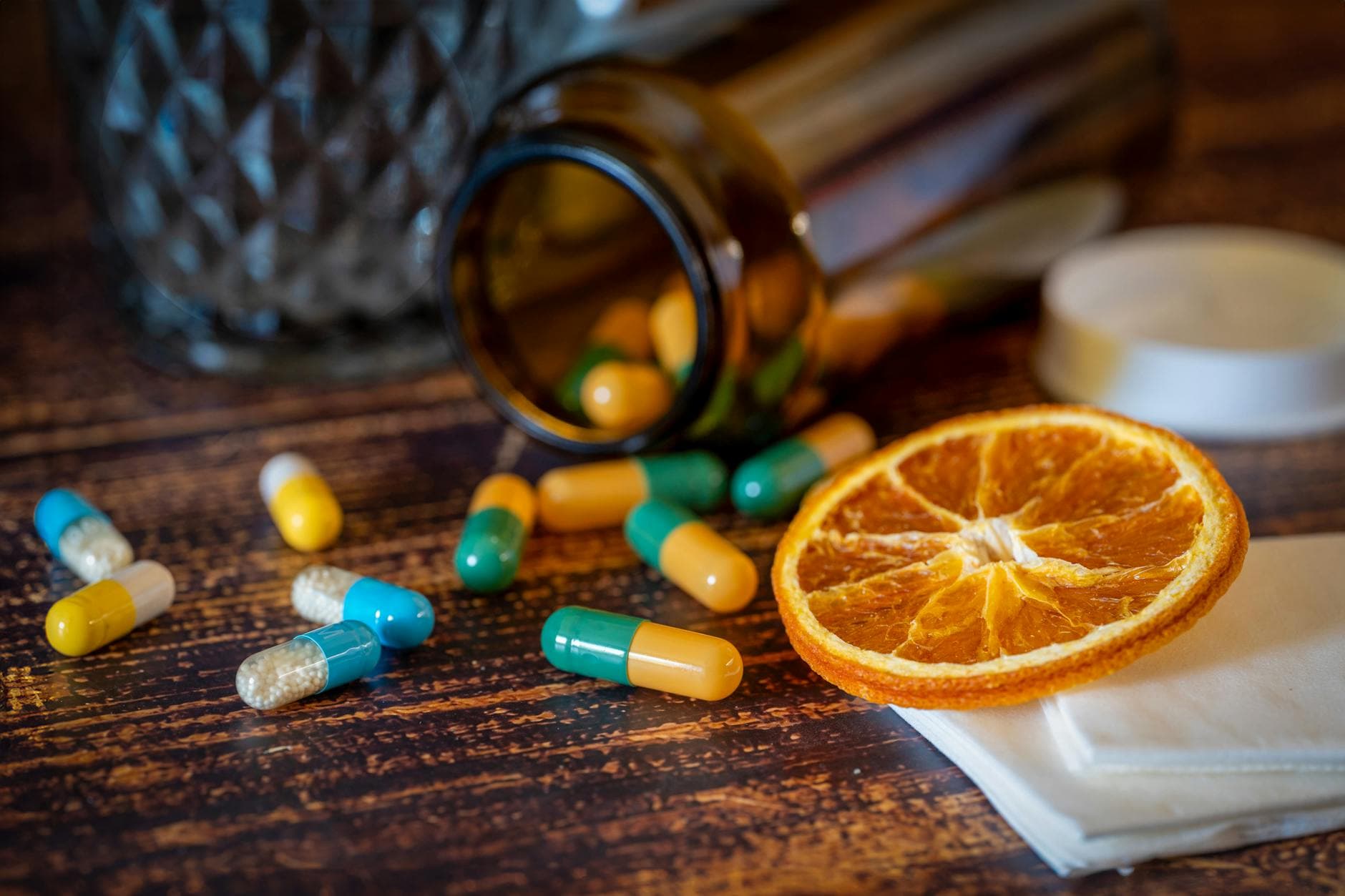
What if you could significantly reduce those nagging colds, bounce back from seasonal sniffles faster, and generally feel more resilient against the everyday onslaught of germs? It sounds like a dream, right? But the truth is, you have the power to boost immune system naturally, and it doesn't require expensive supplements or complicated regimens. It’s about understanding your body and giving it the foundational support it craves.
For years, I’ve worked with people who feel like they’re constantly fighting off illness. They’re tired, run down, and frustrated. The common thread? Often, it’s a disconnect from the simple, powerful ways we can support our body’s incredible defense system. We live in a world that often pushes quick fixes, but I’ll be real with you: the most profound and lasting changes come from nurturing your health from the inside out.
The Foundation: What Your Immune System Actually Needs
Think of your immune system as your body's personal army. It's constantly on patrol, identifying and neutralizing threats. When this army is well-fed, well-rested, and well-supported, it’s incredibly effective. When it’s not, even minor invaders can cause significant disruption. My goal is to help you understand these fundamental needs so you can move from feeling vulnerable to feeling empowered.
Fueling the Front Lines: Nutrition's Role
You can't build a strong army on empty rations. What you eat directly impacts your immune cells’ ability to function. It’s not about restrictive diets; it’s about nutrient density. Vibrant fruits, colorful vegetables, lean proteins, and healthy fats are the building blocks of a robust defense.
The Power of Micronutrients
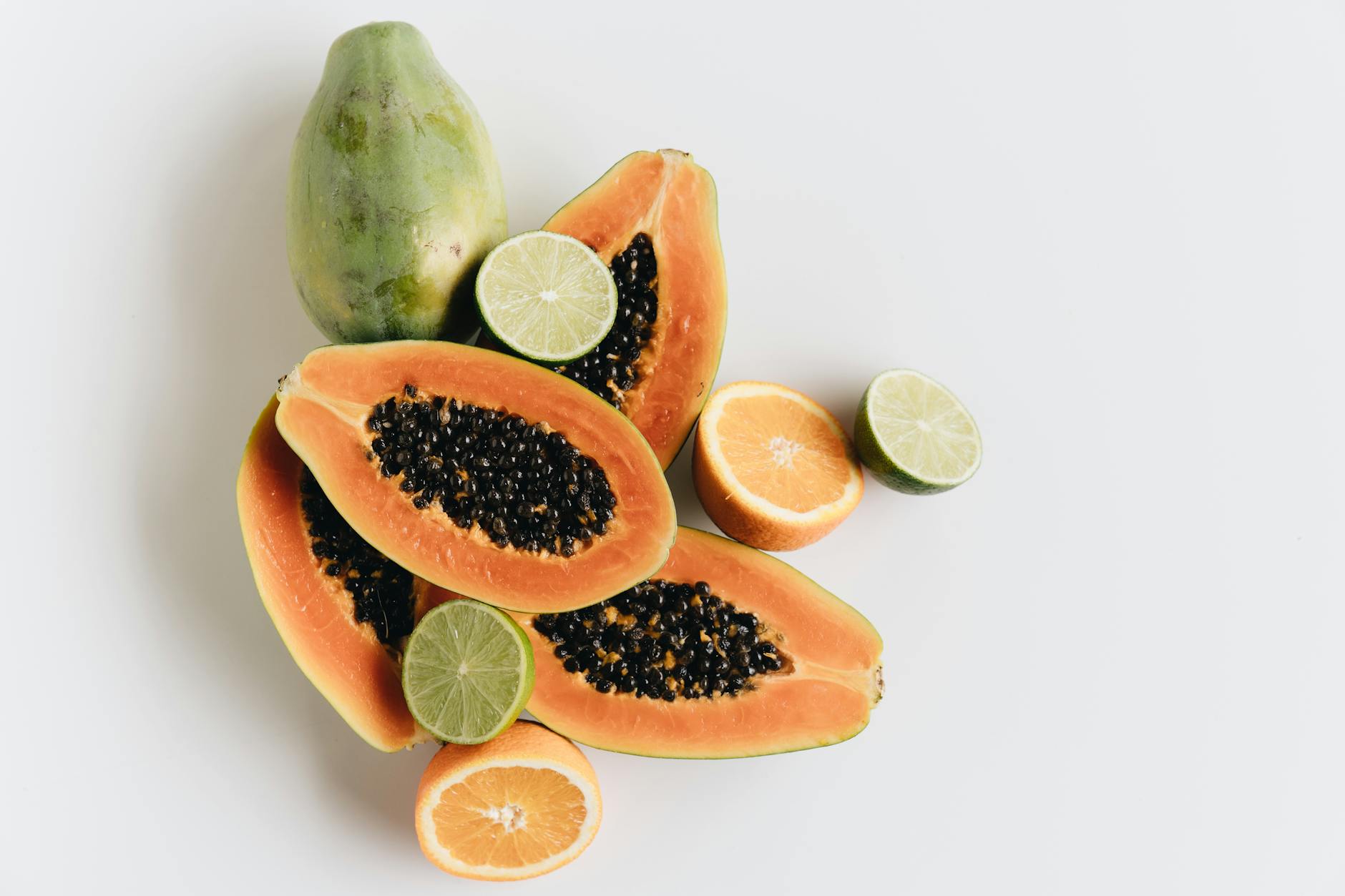
Certain vitamins and minerals are absolute superstars for immune health. Vitamin C, for instance, is a well-known antioxidant that supports various cellular functions of both the innate and adaptive immune system. While many people reach for supplements, I often encourage focusing on whole food sources first. Think bell peppers, citrus fruits, strawberries, and leafy greens. Zinc is another critical player, involved in immune cell development and communication. Oysters, pumpkin seeds, and lentils are excellent sources.
Beyond Vitamins: The Importance of Fiber
Here’s something that surprised me early in my practice: the sheer impact of fiber. It’s not just for digestion; it's crucial for gut health immunity. A diverse gut microbiome, fueled by fiber from whole grains, legumes, fruits, and vegetables, plays a significant role in training and regulating your immune responses. I’ve seen clients with persistent issues see remarkable improvements simply by increasing their fiber intake.
Rest and Repair: The Underrated Pillars
This is where many people stumble. We live in a culture that often glorifies busyness, but chronic sleep deprivation is a silent saboteur of your immune function. Your body does its most important repair work while you sleep. If you’re not getting enough quality rest, your immune system simply cannot operate at its peak.
The Science of Sleep and Immunity
During sleep, your body produces and releases cytokines, which are proteins crucial for fighting inflammation and infection. Studies have shown that even a few nights of poor sleep can significantly impair your immune response, making you more susceptible to illness. You can find more information on sleep deprivation causes and how to combat them, which is a vital step in strengthening your immune system.
Stress: The Invisible Enemy
Chronic stress floods your body with cortisol, a hormone that, in the short term, can be helpful. But when cortisol levels remain elevated, they suppress your immune system, making you more vulnerable. I’ve seen this time and again. People under immense pressure at work or home often find themselves getting sick more frequently. Learning to manage stress is not a luxury; it’s a necessity for immune health.
Hydration: The Unsung Hero
It sounds so simple, yet hydration immune system benefits are profound. Water is essential for transporting nutrients, flushing out toxins, and maintaining the health of all your bodily fluids, including lymph. Lymphatic fluid plays a critical role in immune surveillance, carrying immune cells throughout your body. Dehydration can slow down this vital process.
How Much is Enough?
A general guideline is around eight 8-ounce glasses of water per day, but this can vary based on activity level, climate, and individual needs. Listen to your body; thirst is a signal you're already a little dehydrated. Herbal teas can also contribute to your daily fluid intake.

Natural Immune Boosters: Tapping into Nature's Pharmacy
Beyond the foundational elements, there are incredible natural allies that can provide targeted immune system support. These aren't magic bullets, but when integrated into a healthy lifestyle, they can make a noticeable difference.
Herbs for Immune System Power
For centuries, traditional medicine systems have relied on the power of plants to bolster health. Many of these herbs have scientific backing that’s increasingly being recognized.
Echinacea: A Classic Choice
Echinacea is perhaps one of the most well-known herbs for immune support. Research suggests it can help stimulate the immune system and has anti-inflammatory properties. It's often used at the first signs of a cold or flu.
Elderberry: Tiny Berries, Big Impact
Elderberries are packed with antioxidants and vitamins, and studies have shown they can help reduce the duration and severity of flu symptoms. They’re delicious in syrups and gummies. I’ve had clients swear by elderberry syrup during flu season; it’s a staple in their homes now.
Garlic and Ginger: Culinary Champions
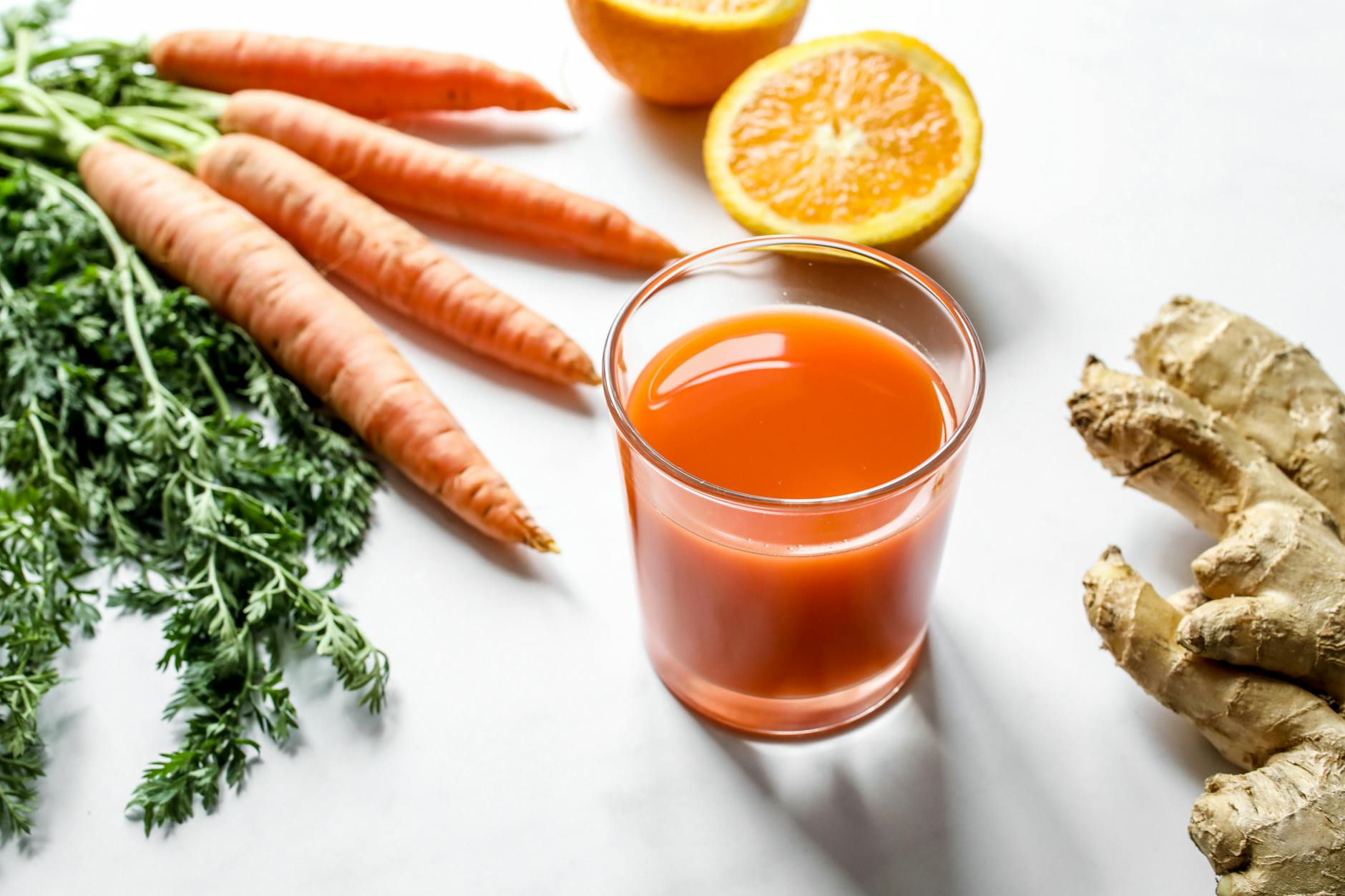
Don't underestimate the power of your spice rack! Garlic contains allicin, known for its immune-boosting and antimicrobial properties. Ginger is a potent anti-inflammatory and can help soothe sore throats and nausea. Incorporating these into your cooking is an easy way to boost immune system naturally.
Probiotics and Prebiotics: Nurturing Your Gut Garden
As mentioned earlier, gut health immunity is paramount. Probiotics are the beneficial bacteria that live in your gut, and prebiotics are the fibers that feed them. A healthy gut flora is essential for a strong immune response.
Fermented Foods: A Delicious Source
Yogurt (with live and active cultures), kefir, sauerkraut, kimchi, and tempeh are excellent sources of probiotics. Making these a regular part of your diet can significantly improve your gut microbiome diversity.
The Role of Prebiotic Foods
Onions, garlic, leeks, asparagus, bananas, and oats are rich in prebiotics. They act as food for the good bacteria, helping them thrive and multiply.
Lifestyle Tweaks for Lasting Resilience
It's not just about what you eat or what herbs you take; it's about how you live. Small, consistent changes in your daily habits can have a profound effect on your ability to strengthen immune system.
Movement: Gentle, Consistent Exercise
Regular, moderate exercise can improve circulation, allowing immune cells to move through your body more effectively. It also helps reduce stress. Think of it as getting your army marching efficiently.
Finding Your Rhythm
The key is consistency, not intensity. Aim for at least 30 minutes of moderate activity most days of the week. This could be brisk walking, cycling, swimming, or dancing. Overdoing it, however, can temporarily suppress your immune system, so listen to your body.
Sunlight and Fresh Air: Seasonal Boosts
Especially as we move into warmer months, embracing the outdoors is beneficial. Sunlight helps your body produce Vitamin D, which plays a crucial role in immune function. Spending time in nature can also reduce stress and improve mood, contributing to overall well-being. This is a great aspect of spring immune support.
Vitamin D: More Than Just Sunshine
While sunlight is the best source, some foods like fatty fish and fortified dairy products contain Vitamin D. Many people, especially those in less sunny climates, may benefit from supplementation, but it’s always best to consult with a healthcare professional first.
Mindfulness and Relaxation Techniques
I cannot stress enough how important stress reduction immunity is. Practices like meditation, deep breathing exercises, yoga, or even just taking a few minutes each day to sit quietly can make a huge difference. These techniques help lower cortisol levels and allow your body to enter a state of repair.
The Power of Deep Breathing
Try this: inhale deeply through your nose for a count of four, hold for four, and exhale slowly through your mouth for a count of six. Repeat this for a few minutes. It’s a simple yet powerful way to calm your nervous system and, by extension, support your immune function.
Addressing Specific Concerns: Seasonal Allergies and Immune Health
You might be wondering how all this ties into issues like seasonal allergies immune responses. When your immune system is out of balance, it can overreact to harmless substances like pollen. By strengthening your overall immune health and reducing inflammation, you can often lessen the severity of allergic reactions. Exploring natural allergy relief options often goes hand-in-hand with boosting your immune system.
The Gut-Allergy Connection
A significant portion of your immune system resides in your gut. An imbalanced gut microbiome can contribute to inflammatory responses that manifest as allergies. Therefore, focusing on gut health through diet and potentially probiotics is a key strategy.
Anti-inflammatory Foods as Allies
Incorporating foods rich in omega-3 fatty acids (like fatty fish, flaxseeds, and walnuts) and antioxidants can help quell the inflammation that fuels allergic symptoms. This is another way to improve immune health holistically.
Putting It All Together: Your Personalized Path
The journey to a stronger immune system is not a one-size-fits-all approach. It’s about understanding the principles and then tailoring them to your unique life. I’ve seen hundreds of people transform their health by adopting these natural strategies. It’s about consistent effort, patience, and a belief in your body’s innate ability to heal and protect itself.
Listen to Your Body
Pay attention to how different foods make you feel. Notice when you’re most energized and when you’re most fatigued. Your body sends signals; learning to interpret them is a crucial skill for maintaining optimal health and for effectively boosting your immune system naturally.
Seek Professional Guidance When Needed
While these natural approaches are powerful, there are times when professional help is essential. If you’re dealing with chronic illness, persistent infections, or severe allergies, consulting with a doctor or a qualified healthcare practitioner is vital. They can help identify underlying issues and guide you toward the most effective treatments. You can find extensive research on how to boost immune system naturally on platforms like the National Institutes of Health research on boost immune system naturally.
Ultimately, strengthening your immune system is a profound act of self-care. It’s about building a resilient foundation that allows you to live a fuller, more vibrant life, less hampered by illness. Start small, be consistent, and trust the process. Your body will thank you.