
I'll be real with you: for a long time, I thought managing arthritis back pain was all about popping pills. I saw people around me doing it, and it seemed like the only logical step. My own journey with this stubborn condition taught me a harsh lesson: relying solely on medication is like trying to fix a leaky faucet with a band-aid. It might offer temporary relief, but it doesn't address the root cause. This realization hit me hard, and it's a lesson I want to share with you today, because true relief, lasting relief, comes from a much deeper, more holistic approach.
Understanding the Root of Your Arthritis Back Pain
Arthritis isn't a single disease; it's an umbrella term for over 100 conditions that affect joints. When it targets your spine, it can lead to significant discomfort, stiffness, and limited mobility. You might be experiencing osteoarthritis back pain, where the cartilage cushioning your vertebrae wears down over time, causing bones to rub together. Or perhaps it's rheumatoid arthritis back involvement, an autoimmune condition where your immune system mistakenly attacks your joints, including those in your spine, leading to inflammation and damage. Regardless of the specific type, the result is often persistent arthritis back pain that can make everyday life a challenge.
The Wear and Tear of Osteoarthritis
Osteoarthritis is probably the most common culprit when we talk about lower back arthritis. Think of your spine's facet joints – these are the small joints that connect your vertebrae and allow you to bend and twist. With osteoarthritis, the smooth cartilage that normally covers the ends of these bones starts to break down. This is a gradual process, and it can lead to bone spurs forming, inflammation, and that deep, aching pain you feel. You might notice it's worse after periods of inactivity, like when you first wake up in the morning, and it can improve a bit with gentle movement, only to return with prolonged activity.
The Inflammatory Assault of Rheumatoid Arthritis
Rheumatoid arthritis is a different beast altogether. Here, your immune system is the troublemaker. It attacks the lining of your joints, called the synovium, causing it to become inflamed. This inflammation can eventually damage the cartilage and bone. When it affects the spine, it can lead to stiffness and pain, often felt more intensely in the morning and improving throughout the day with movement. It's a systemic disease, meaning it can affect other parts of your body too, which is why a comprehensive approach is so vital.
Spinal Arthritis: More Than Just a Backache
When we talk about spinal arthritis, we're referring to any form of arthritis that affects the joints of the spine. This can include osteoarthritis, rheumatoid arthritis, and other inflammatory types like ankylosing spondylitis. The impact goes beyond just pain; it can lead to reduced flexibility, a hunched posture, and even nerve compression if bone spurs press on spinal nerves. Understanding which type of arthritis you have is the first step towards effective back pain arthritis relief.
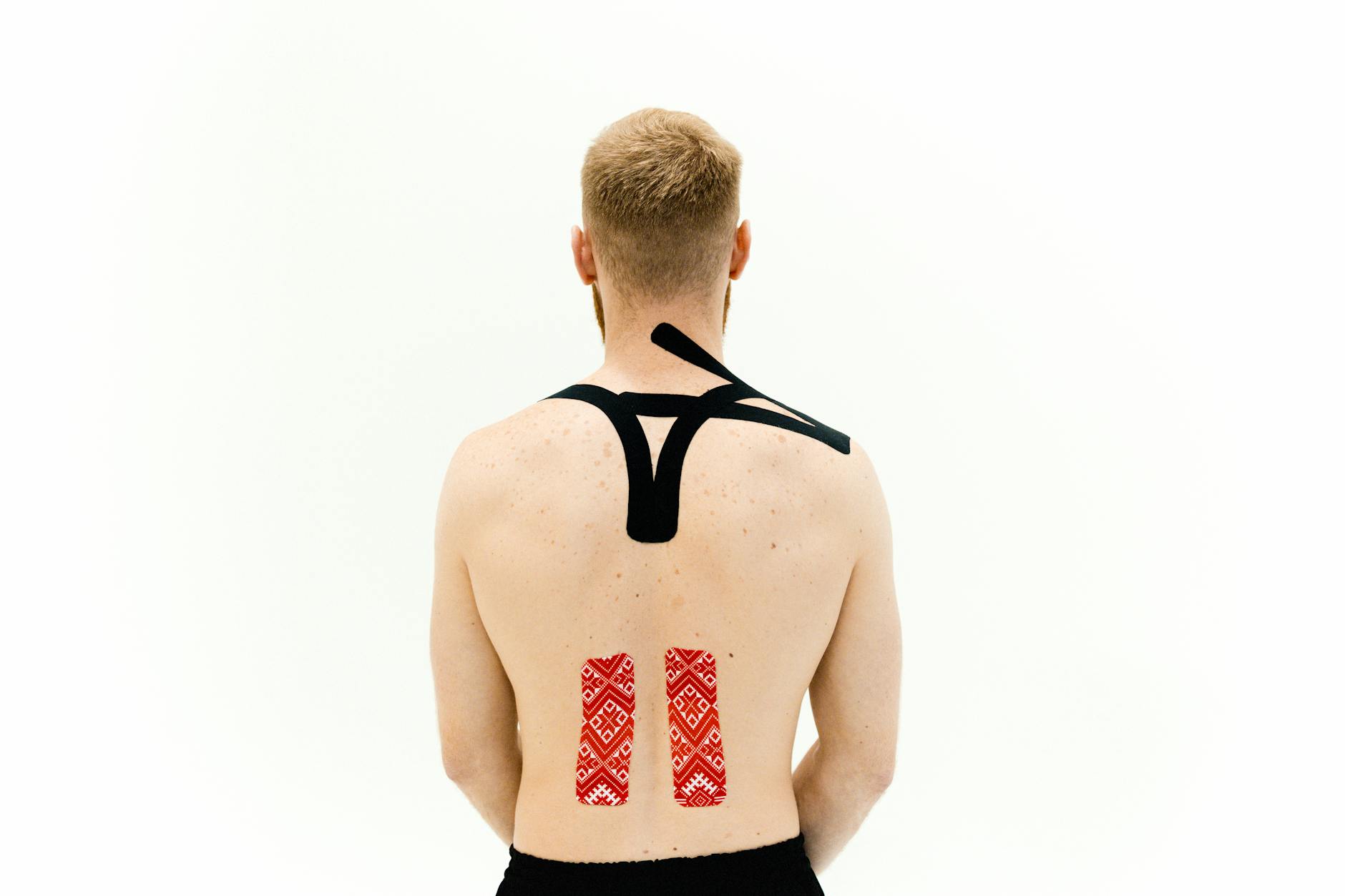
Beyond Medication: A Holistic Approach to Back Pain Arthritis Relief
Here's the truth: while medication can be a necessary tool for managing pain and inflammation, it’s rarely the whole solution. My own experience, and countless others I've spoken with, shows that the most profound and lasting back pain arthritis relief comes from a multi-faceted strategy. This means looking at your lifestyle, your movement, your nutrition, and your mental well-being. It’s about empowering yourself with knowledge and tools to actively participate in your healing journey.
The Power of Movement and Exercise
I know, I know. When your back hurts, the last thing you want to do is move. But here's the thing: inactivity is often the enemy when it comes to arthritis back pain. Gentle, targeted exercises can strengthen the muscles that support your spine, improve flexibility, and reduce stiffness. Think of it as lubricating your joints and building a natural corset for your back.
Low-Impact Aerobic Activity
Activities like walking, swimming, or cycling are fantastic. They get your blood flowing, deliver nutrients to your joints, and help maintain a healthy weight, which is crucial for reducing stress on your spine. Aim for at least 150 minutes of moderate-intensity aerobic activity per week, as recommended by health organizations. Even 30 minutes, five days a week, can make a significant difference in how you feel.
Strength Training for Spinal Support
Focus on exercises that strengthen your core muscles – your abdomen and back. A strong core acts like a natural brace for your spine, taking pressure off the affected joints. Exercises like planks, bird-dogs, and gentle bridges can be incredibly effective. Always start slow and listen to your body; proper form is more important than the number of repetitions.
Flexibility and Stretching
Gentle stretching can help combat the stiffness that often accompanies arthritis. Yoga and Tai Chi are excellent for improving flexibility, balance, and reducing stress. Poses like cat-cow, child's pose, and gentle spinal twists can provide much-needed relief. Remember to consult with a physical therapist or a qualified instructor to ensure you're performing these movements safely for your specific condition.
Nutrition: Fueling Your Fight Against Inflammation
What you eat has a direct impact on inflammation in your body, and for those with arthritis back pain, this is a game-changer. It's not just about avoiding inflammatory foods; it's about actively incorporating foods that help reduce inflammation and support joint health.
Anti-Inflammatory Foods to Embrace
Load up on fatty fish like salmon and mackerel, rich in omega-3 fatty acids. Include plenty of colorful fruits and vegetables – berries, leafy greens, broccoli, and peppers are powerhouses of antioxidants. Nuts, seeds, and olive oil also offer beneficial fats. Don't forget the power of spices like turmeric and ginger, which have potent anti-inflammatory properties. Incorporating lemon water benefits can also contribute to overall hydration and alkalinity, supporting your body's natural detoxification processes.
Foods to Minimize
On the flip side, try to reduce your intake of processed foods, refined sugars, unhealthy fats (like those found in fried foods and many baked goods), and excessive red meat. These can contribute to systemic inflammation, potentially worsening your arthritis symptoms. It’s a journey, and small, consistent changes add up over time.
Mind-Body Connection: Stress Management and Pain Perception
This is one area that often gets overlooked, but it's incredibly powerful. Chronic pain can take a toll on your mental health, and stress can, in turn, amplify your perception of pain. Learning to manage stress is a crucial component of back pain management.
Mindfulness and Meditation
Practicing mindfulness and meditation can help you become more aware of your thoughts and feelings without judgment. This can change your relationship with pain, making it feel less overwhelming. Even just a few minutes of deep breathing exercises daily can make a difference. There are many guided meditations available online and through apps that can help you get started.
The Importance of Sleep
Adequate, quality sleep is vital for your body's repair processes and for managing pain. When you're sleep-deprived, your pain threshold lowers, and inflammation can increase. Establish a regular sleep schedule, create a relaxing bedtime routine, and ensure your bedroom is dark, quiet, and cool. If you're struggling with sleep due to pain, talk to your doctor about potential strategies.

Exploring Advanced and Alternative Back Pain Treatments
While lifestyle changes are foundational, sometimes you need to explore additional avenues for arthritis back pain relief. This is where a deeper dive into various treatments comes into play. It's about finding what works best for your unique situation and working closely with healthcare professionals.
When to Consider Medical Interventions
There are times when over-the-counter pain relievers aren't enough, and you might need to discuss prescription options with your doctor. This could include non-steroidal anti-inflammatory drugs (NSAIDs) or other pain medications. It's essential to have an open conversation about the risks and benefits, and to understand that these are often part of a broader treatment plan, not the sole solution. Some people find relief with back pain medicine, but it's crucial to use it under medical guidance.
Physical Therapy: A Guided Path to Recovery
A skilled physical therapist can be an invaluable ally. They can assess your specific condition, identify muscle imbalances or movement patterns that are contributing to your pain, and create a personalized exercise program. They can also use modalities like heat, cold, or ultrasound to help manage pain and inflammation. Their guidance ensures you're exercising safely and effectively, preventing further injury.
Complementary Therapies for Joint Pain Relief
Many people find significant benefit from exploring complementary therapies. Acupuncture, for example, has shown promise in helping to manage chronic pain by stimulating the body's natural pain-relieving mechanisms. Massage therapy can help to relieve muscle tension and improve circulation. Always discuss any complementary therapies you're considering with your doctor to ensure they are safe and appropriate for your condition.
The Role of Posture and Ergonomics
You might be surprised how much your posture impacts your back pain. Slouching or maintaining awkward positions for extended periods can put undue stress on your spine. Investing in a good posture corrector can be a helpful tool, but it's more about developing conscious awareness and strengthening the muscles that support good posture. Making adjustments to your workspace and daily habits to promote better posture can provide substantial relief.


Living Well with Arthritis Back Pain: A Long-Term Strategy
Living with arthritis back pain doesn't mean you have to resign yourself to a life of discomfort. It means adopting a proactive, informed approach to managing your health. This is a marathon, not a sprint, and consistent effort in the right direction yields the best results. You've probably noticed that setbacks happen, but the key is to not let them derail your progress entirely.
Finding Your Support System
You are not alone in this. Connecting with others who understand what you're going through can be incredibly empowering. Support groups, online forums, or even just talking openly with friends and family can provide emotional strength and practical advice. Sharing experiences and learning from others who are navigating similar challenges can offer hope and practical tips for back pain management.
Educate Yourself Continuously
The more you understand about your condition, the better equipped you will be to manage it. Stay informed about new research and treatment options. Reliable sources like the Mayo Clinic and the National Institutes of Health offer a wealth of information. Understanding the nuances of spinal arthritis or degenerative disc disease can help you make informed decisions about your care.
Embrace Patience and Self-Compassion
This is perhaps the most important piece of advice I can give you. Healing and managing chronic pain takes time. There will be good days and bad days. Be kind to yourself during the challenging times. Celebrate the small victories, acknowledge your efforts, and remember that you are doing your best. Your journey with arthritis back pain is unique, and your path to relief will be too.
Ultimately, managing arthritis back pain is about building a resilient body and a resilient mind. It’s about understanding that while you can't always erase the condition, you can absolutely influence how it impacts your life. By focusing on movement, nutrition, stress management, and seeking appropriate medical and therapeutic support, you can find significant back pain arthritis relief and live a fuller, more active life. This is a journey of empowerment, and you have the strength within you to navigate it successfully.