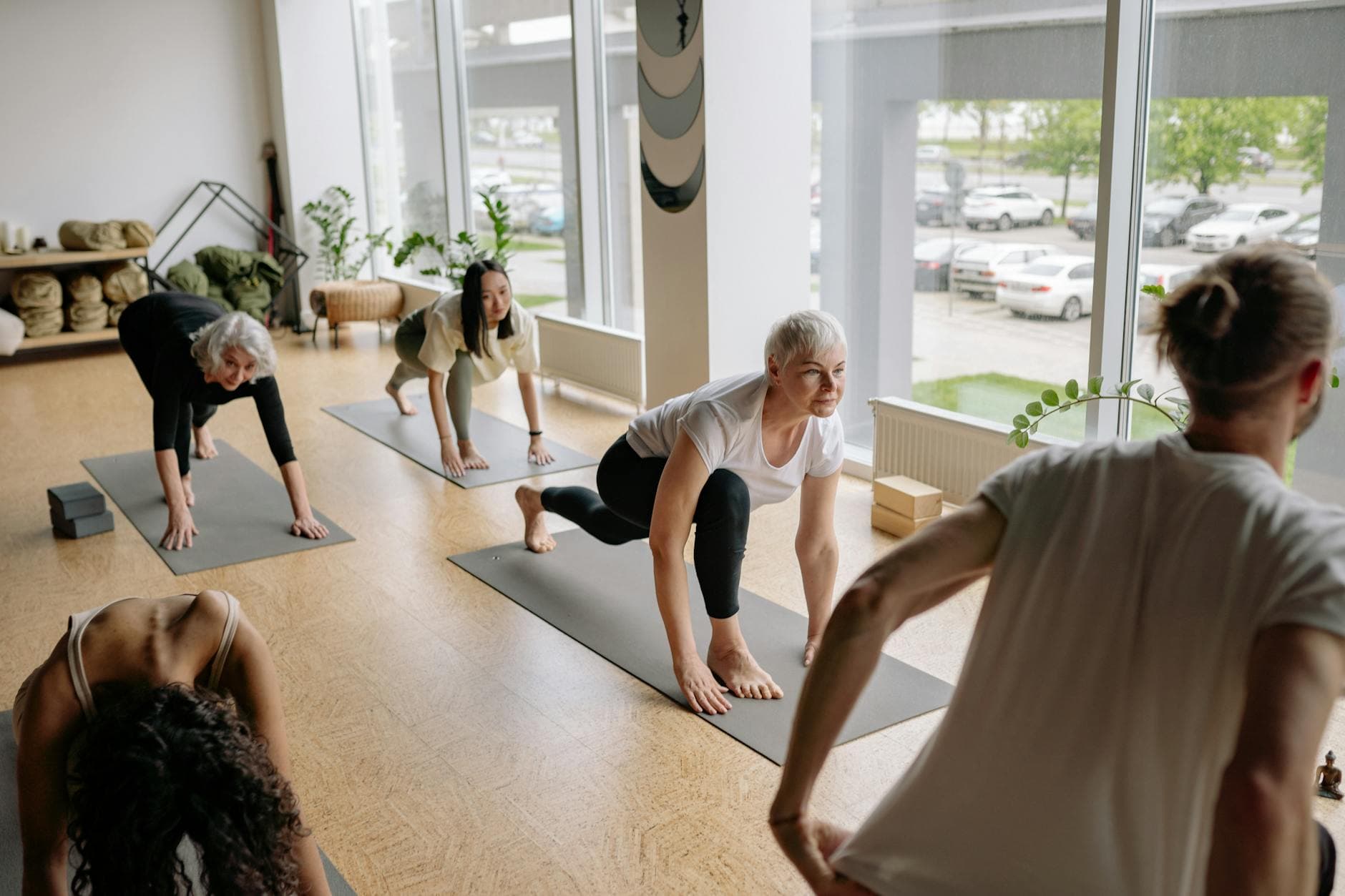
Picture this: you’re rushing through your day, phone buzzing, deadlines looming, shoulders practically glued to your ears from tension. Maybe you glance into a sun-drenched studio window, catching a glimpse of people moving with a quiet grace you can only dream of. A little voice whispers, "yoga." But then another, louder voice retorts, "Me? No way. I’m not flexible, I can’t touch my toes, I’d look ridiculous." I’ll be real with you, I used to think the exact same thing. For years, the idea of stepping into yoga classes for beginners felt like signing up for an Olympic gymnastics trial, not a path to peace. Yet, I’ve found that initial hesitation is precisely what makes the journey so incredibly rewarding, especially when you find the right introductory yoga classes.
That First Step: Unlocking the Magic of Yoga Classes for Beginners
Honestly, overcoming that mental hurdle is half the battle. We build up these grand, often intimidating, images of what yoga "should" be, forgetting that everyone, even the most seasoned yogi, started right where you are. The beauty of yoga classes for beginners lies in their explicit design to welcome everyone, no matter your current fitness level or flexibility. This isn't about pretzel-like contortions; it's about connecting with your body, one gentle stretch at a time.
Beyond the Studio Window: Why Start Now?
You've probably noticed the buzz around yoga, right? It's not just a fad; it's a practice that has stood the test of time, and for good reason. My own journey into yoga began purely out of curiosity, a desperate attempt to find something, anything, to quiet the constant chatter in my head. What I discovered was a profound sense of calm that extended far beyond the mat. It wasn't immediate, mind you, but slowly, subtly, the benefits began to weave themselves into my daily life. Think about the last time you truly felt present, undistracted. Yoga offers a pathway back to that feeling.
Dispelling the Myths: What Yoga Isn't
Let's clear the air on a few common misconceptions. First, you absolutely do not need to be flexible. That’s like saying you need to be strong before you can lift weights; flexibility is a result of yoga, not a prerequisite. Second, it's not a competition. No one in a legitimate beginner friendly yoga class cares if you fall out of a pose or if your tree pose looks more like a wilted shrub. The focus is always inward, on your own experience. And third, it's not just for women, or young people, or people who eat kale for breakfast. Yoga is for every body, every age, every gender. I've seen a 70-year-old man in a chair yoga class gain more mobility and joy than some of the younger, more "advanced" practitioners.
The Real Payoff: Unexpected Benefits for Newbies
The immediate benefits of yoga for beginners often surprise people. Sure, you might expect a bit more flexibility or improved balance, but many newcomers report a significant reduction in stress after just a few sessions. This one surprised me, honestly. I thought it was all about the physical, but the mental clarity and emotional regulation were game-changers for me. Plus, you’re building core strength without even realizing it, which is fantastic for everyday life and even helps with lower back flexibility exercises. It’s a holistic workout, touching mind, body, and spirit.
Navigating the Yoga Landscape: Choosing Your First Beginner Friendly Yoga Class
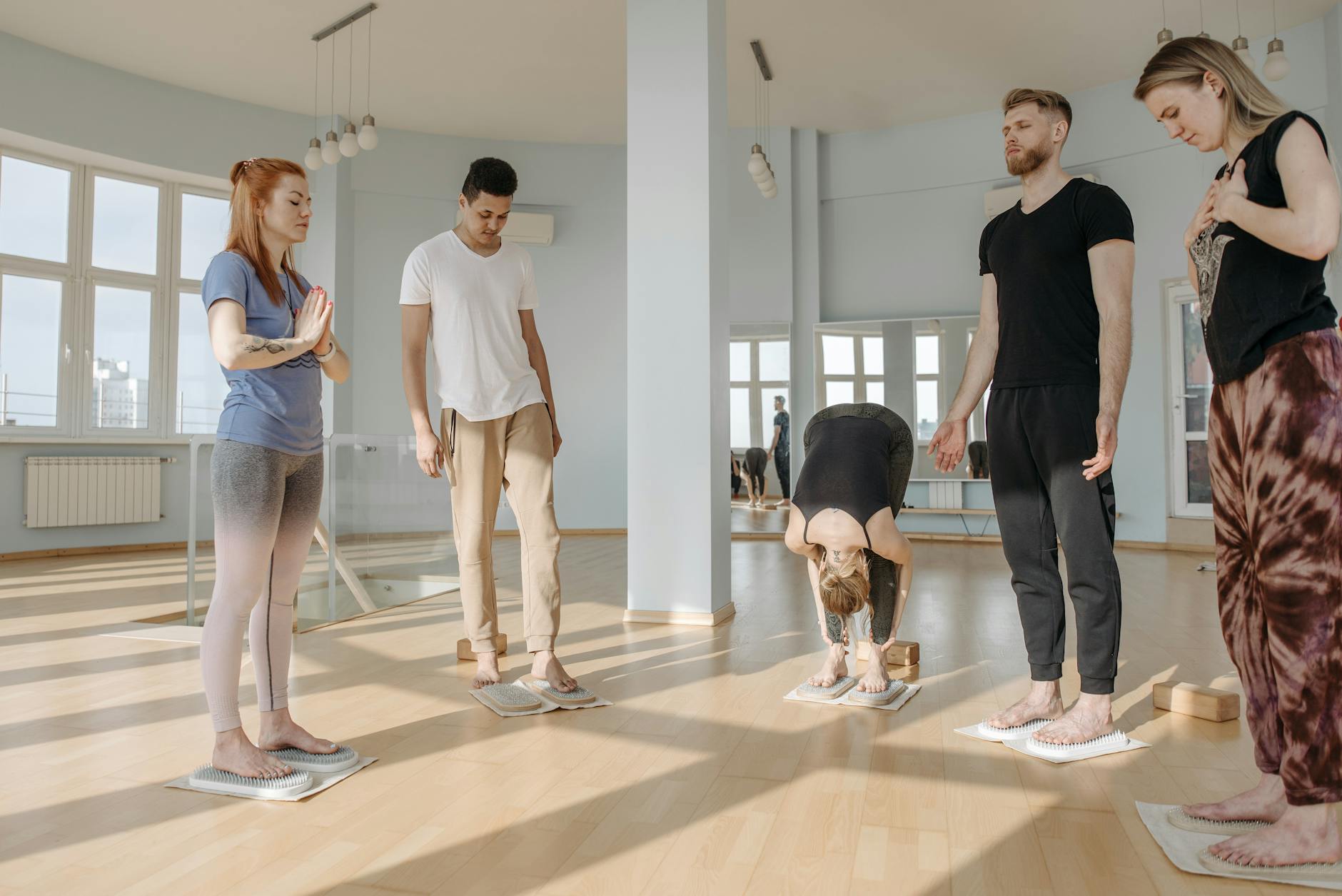
So, you’re ready to take the plunge. Excellent! Now comes the fun part: finding the right fit. The world of yoga is vast, with countless styles and approaches, which can feel a little overwhelming at first. My advice? Don't overthink it. Focus on classes explicitly labeled "beginner" or "introductory." These are designed with your comfort and understanding in mind.
Decoding Class Styles: Finding Your Perfect Match
When you start looking for easy yoga classes, you'll encounter a few common terms. Hatha yoga for beginners is often a fantastic starting point. It’s typically slower-paced, focusing on fundamental poses and holding them for several breaths, allowing you to learn proper alignment. Vinyasa, while popular, can be a bit more dynamic and flow-based, which might feel rushed if you're still learning the basic shapes. Restorative or Yin yoga are also excellent for beginners, emphasizing deep relaxation and passive stretching, though they might not give you the "workout" you expect. My first class was a Hatha, and it was perfect – slow enough to understand, challenging enough to feel like I was doing something.
Studio vs. Screen: Exploring Online Yoga for Beginners
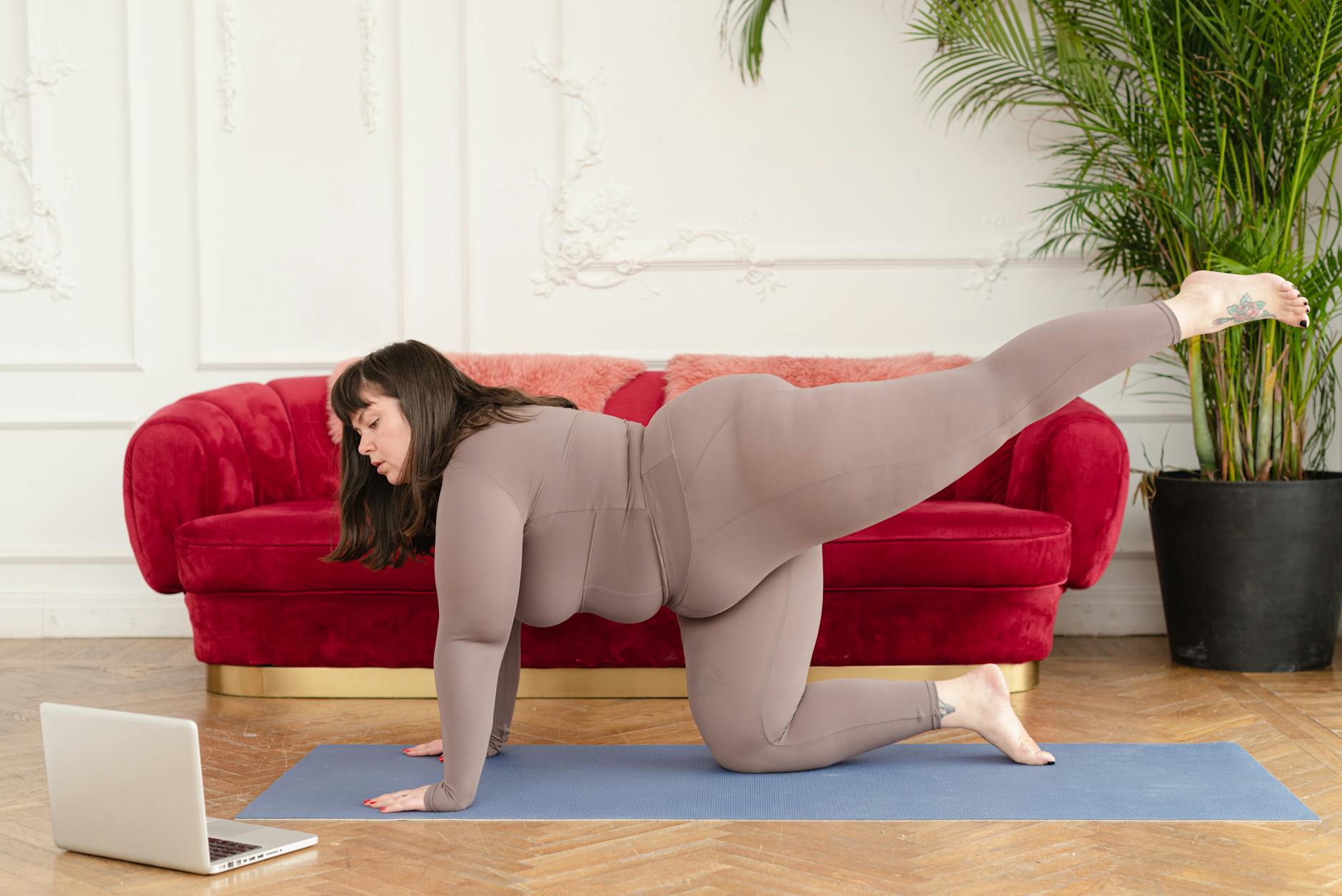
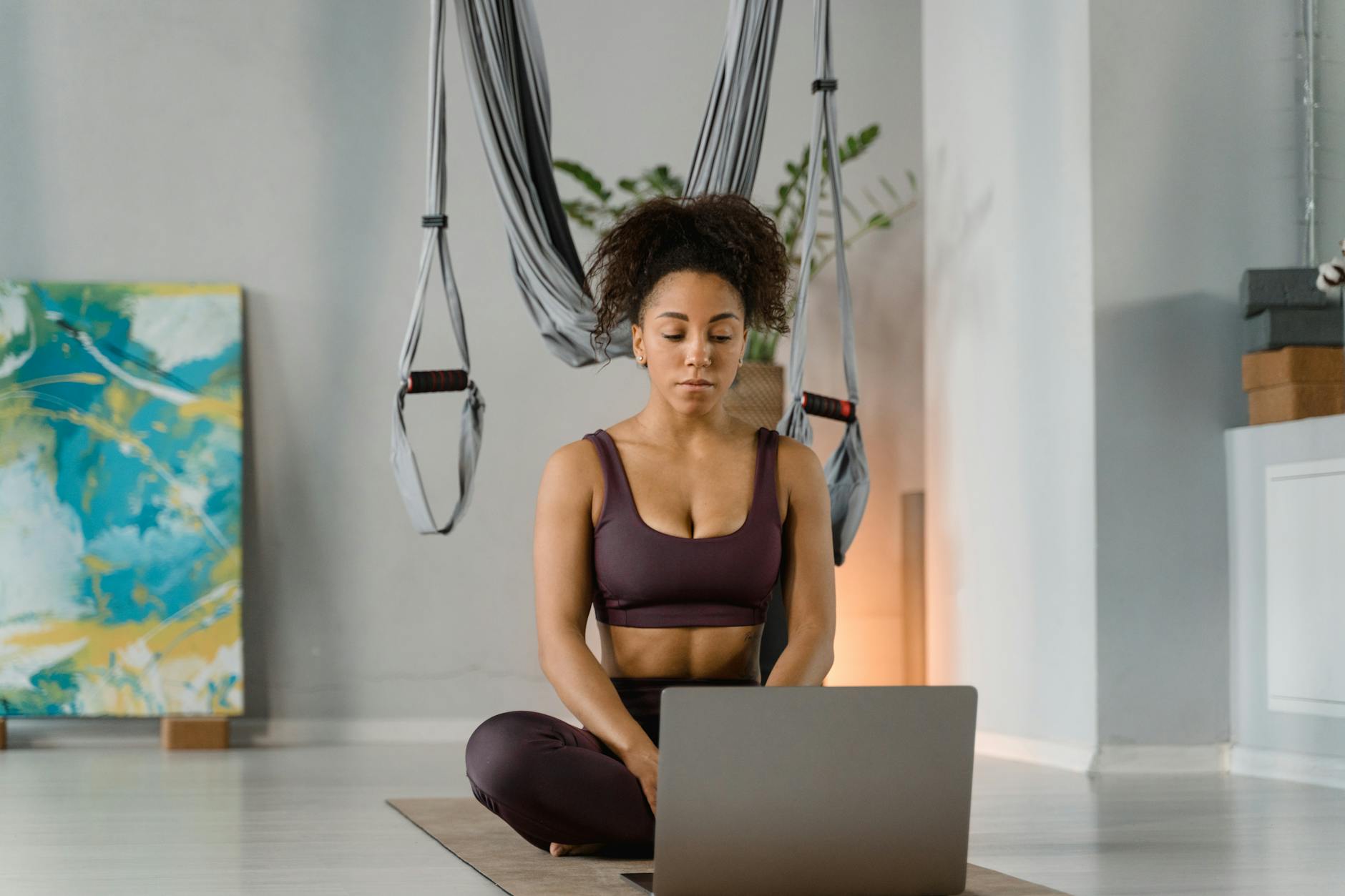
Here's the thing: you don't even have to leave your house to start. The rise of online platforms has made easy yoga for beginners incredibly accessible. Many studios offer virtual classes, and there are countless apps and websites dedicated to online yoga for beginners. This can be a great way to build confidence in your own space before venturing into a studio. It allows you to pause, rewind, and truly go at your own pace without feeling self-conscious. However, a live class offers the invaluable benefit of an instructor who can offer hands-on adjustments and personalized feedback, something you can't get from a screen. I recommend trying a mix if you can, maybe starting online then progressing to an in-person class.
Questions to Ask Before You Commit
Before signing up, don't hesitate to call the studio or check their website for specifics. Ask if the class is truly designed for absolute beginners. Inquire about the class size – smaller classes often mean more individual attention. You might also ask about the instructor's experience teaching beginners; some teachers have a particular knack for making newcomers feel at ease. Many studios offer introductory packages, like "first week free" or "three classes for $30," which is a fantastic way to try different teachers and styles without a big financial commitment.
Getting Ready for the Mat: What to Wear and What to Know
Once you’ve picked your class, the next thought usually turns to logistics. What do I wear? What do I bring? Will I stick out like a sore thumb? Relax, it's far simpler than you imagine. The goal is comfort and ease of movement, not a fashion show.
Dressing the Part: Comfort is King
Forget those expensive yoga outfits you see on Instagram. For your first yoga for beginners class, any comfortable, breathable athletic wear will do. Think leggings or shorts that allow full range of motion, and a t-shirt or tank top that won't ride up when you bend over. Loose clothing can sometimes get in the way or make it hard for the instructor to see your alignment, so something relatively fitted is often preferred. Honestly, I've shown up in old gym shorts and a faded tee more times than I can count, and no one batted an eye. The focus is on your practice, not your attire.
Essential Gear (Hint: It's Less Than You Think)
For most yoga classes for beginners, all you truly need is a yoga mat. Many studios offer mats for rent, usually for a nominal fee (around $2-5), so you don't even need to buy one right away. Some people like to bring a small towel for sweat, and a water bottle is always a good idea, though you typically don't drink during class itself, only before and after. Props like blocks, straps, and blankets are usually provided by the studio and are there to help you find comfort and proper alignment, not because you're "not good enough" without them. Embrace the props; they are your friends, especially when you're working on bodyweight training and flexibility.
Mastering the Vibe: Essential Yoga Studio Etiquette
This is where a little insider knowledge goes a long way. First, arrive early – about 10-15 minutes before class. This gives you time to sign in, get settled, and mentally prepare. Second, remove your shoes before entering the practice room. Third, silence your phone and leave it outside the studio or in a locker. This is sacred time for many. Fourth, try to avoid strong perfumes or colognes, as some people are sensitive. Finally, and this is crucial, find a spot that feels comfortable to you. If you’re nervous, don't be afraid to position yourself near the back or side, but also know that being closer to the front allows you to see the instructor more clearly. Remember, everyone is there for their own practice, not to judge yours.
Simple Foundations: Understanding Basic Yoga Poses for Beginners
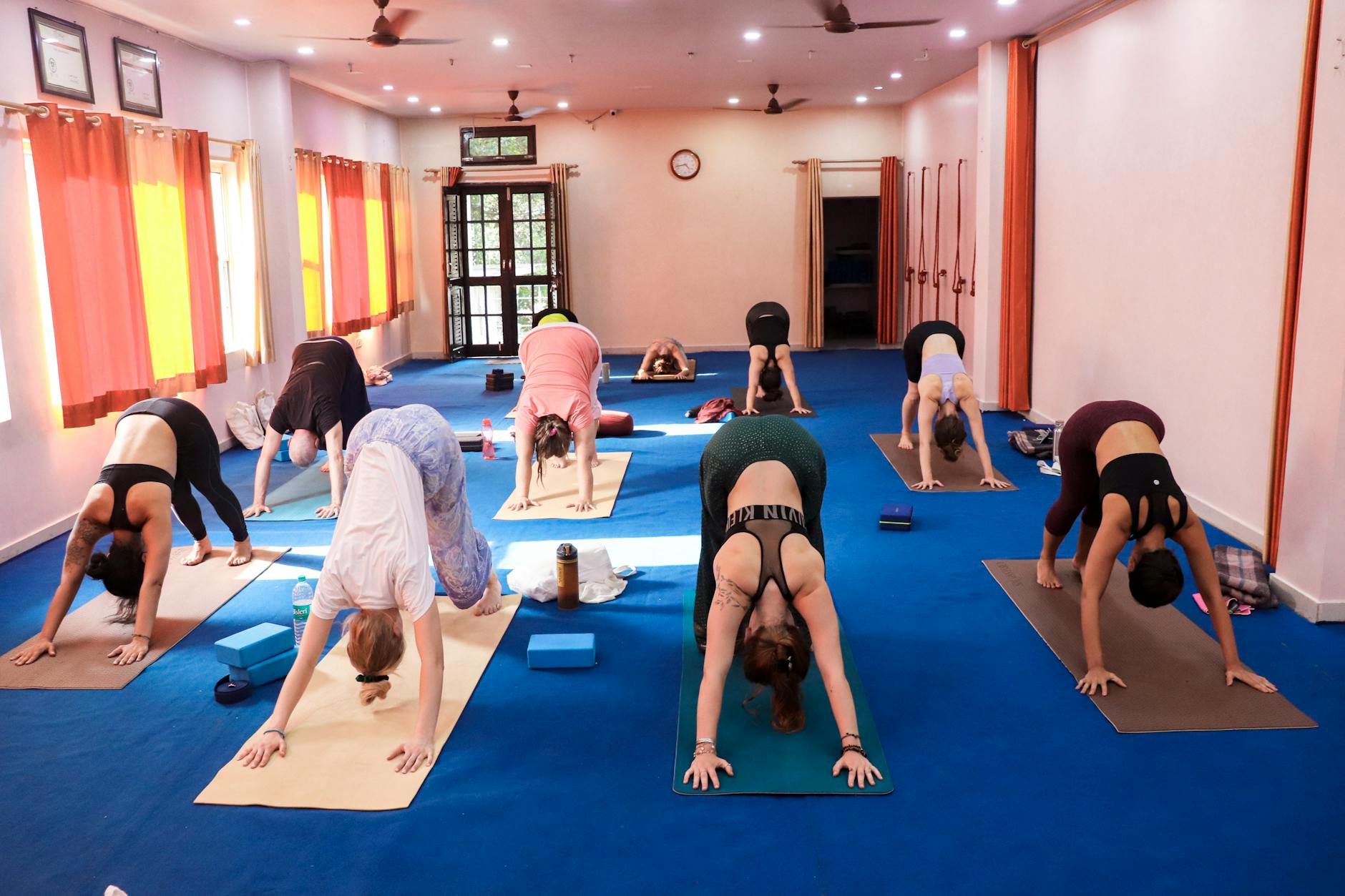
The thought of all those complex poses can be daunting, but the truth is that every single one is built upon a handful of fundamental shapes. In easy yoga classes, you'll focus on these foundational yoga poses for beginners, learning how to move safely and effectively. It’s like learning the alphabet before writing a novel.
Your First Few Shapes: Core Yoga Poses for Beginners
You'll quickly become familiar with poses like Mountain Pose (Tadasana), which teaches you how to stand powerfully and ground yourself; Downward-Facing Dog (Adho Mukha Svanasana), a wonderful full-body stretch that decompresses the spine; and Child's Pose (Balasana), an essential resting pose that you can always return to when you need a break. Sun Salutations, a flowing sequence of poses, are also a staple in many classes, especially Hatha yoga for beginners, and they're excellent for building warmth and fluidity. Don't worry about perfect alignment right away; focus on the sensation in your body and breathing deeply. For more specific guidance, you can always check out resources on best Pilates exercises or gym workout plan, which complement yoga beautifully.
Listening to Your Body: The Golden Rule
This is arguably the most important lesson you’ll learn in any yoga class: listen to your body. Seriously. If something hurts, back off. If a pose feels uncomfortable, modify it. Your instructor will offer variations, and it's always okay to take Child's Pose or simply sit out a few movements. There's no ego in yoga; pushing through pain is not strength, it's a recipe for injury. The goal is to find a balance between effort and ease, a concept called sthira sukham asanam, which means "steady and comfortable seat." This principle applies to every single pose you attempt, whether it’s your first Downward Dog or an advanced inversion.
Harnessing Breath: The Unsung Hero of Practice
You might be wondering why everyone talks so much about breath in yoga. It's not just about getting oxygen; it's about connecting your mind and body. In yoga, the breath (Pranayama) is your anchor. It helps you stay present, deepens your stretches, and calms your nervous system. You'll often be instructed to breathe in through your nose and out through your nose, a technique that warms the air and filters it. Focusing on your breath is a powerful tool for yoga for stress relief, instantly bringing you back to the moment when your mind starts to wander. It's a simple yet profound shift that makes all the difference.
The Deeper Dive: Beyond the Physical Benefits of Yoga
While the physical transformations are undeniable, the truly profound impact of a consistent yoga practice extends far beyond what you see in the mirror. It's a journey into self-discovery, resilience, and inner peace that few other activities can offer. This is where the real magic happens.
Finding Calm: Yoga for Stress Relief
I can tell you from personal experience that yoga offers an unparalleled sanctuary from the relentless pace of modern life. Even short, consistent sessions have a cumulative effect on your nervous system, teaching it to switch from "fight or flight" to "rest and digest." The combination of mindful movement, deep breathing, and focused attention helps to lower cortisol levels and promote a sense of calm. For me, it was like hitting a reset button after a particularly hectic week – a tangible, physical release of accumulated tension. It gives you tools to manage daily stressors more effectively, making you less reactive and more resilient.
Building Resilience: Mental Fortitude Through Movement
Beyond simply de-stressing, yoga actually builds mental fortitude. Holding challenging poses, even for a few breaths, teaches you to tolerate discomfort and stay present when your mind wants to quit. This mental training translates directly into your everyday life, helping you approach challenges with a more grounded perspective. You learn patience, perseverance, and the ability to find stillness amidst chaos. It’s not just about physical strength; it's about the strength of your mind, your ability to stay calm under pressure and adapt to change. This is a skill that pays dividends in every aspect of your existence.
Long-Term Gains: Why Consistency Matters
Like any worthwhile endeavor, the true benefits of yoga unfold with consistent practice. You won't become a master yogi overnight, and that's perfectly okay. What you will find, however, is a gradual but profound shift in your physical and mental well-being. Your flexibility will improve, your strength will increase, and your ability to manage stress will become second nature. It’s not about achieving a perfect pose; it’s about the journey, the commitment to showing up for yourself, day after day, breath by breath. Embrace the process, celebrate the small victories, and watch as your entire outlook begins to transform.