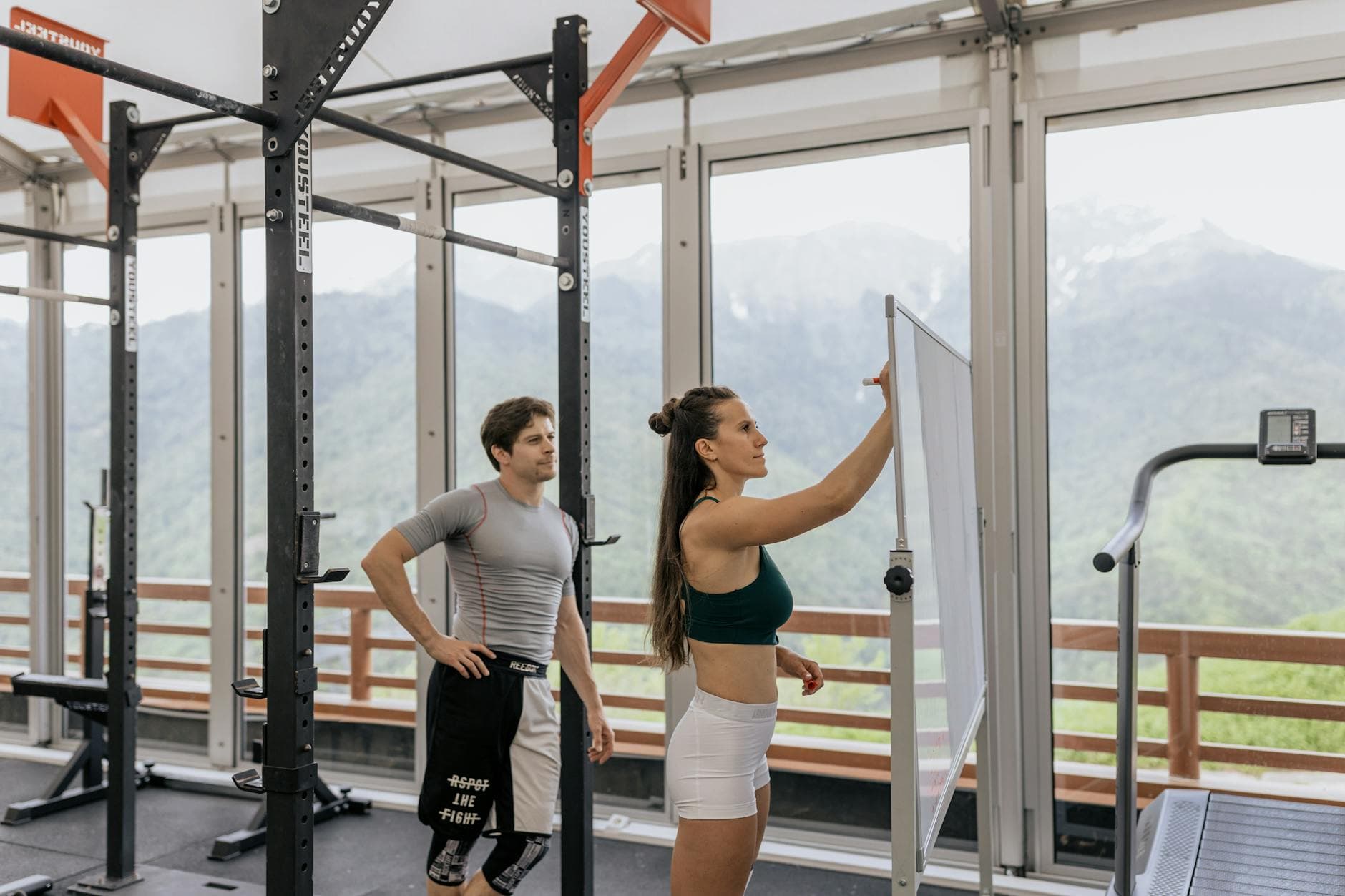
Here's the thing about getting into the gym: most people think you need some hyper-complex, six-day-a-week, split routine designed by a guru to see any real progress. They scroll through Instagram, see these ripped athletes doing crazy exercises, and immediately feel overwhelmed, convinced they need to replicate that intensity. Honestly, I used to think that too – that a legitimate gym workout plan had to be complicated to be effective.
But that's a myth, plain and simple. It’s a huge misconception that paralyzes so many folks before they even step foot on the gym floor. The truth? The best plan for you, especially when you're starting out, is one that's sustainable, straightforward, and builds a solid foundation. You don't need to be a fitness model; you just need to be consistent and smart about your approach.
The Biggest Myth About Your Gym Workout Plan
Why "More is Better" is a Trap
We live in a culture that often equates effort with results, and while hard work is absolutely crucial, blindly pushing yourself to exhaustion isn't always the smartest path. I've seen countless people burn out within weeks, trying to mimic someone else's advanced gym workout routine. They go too hard, get injured, or simply get so tired they quit altogether. It's a common cycle, and it's heartbreaking to watch.
Your body needs time to adapt, to build strength, and to recover. Throwing everything at it at once is like trying to build a skyscraper without laying a proper foundation; it just won't stand. Instead of chasing the most intense workout, focus on mastering the basics and understanding how your body responds.
The Real Secret to Lasting Progress
The real secret, the one that truly transforms bodies and lives, is consistency. It's showing up, even when you don't feel like it, and executing a well-thought-out plan. It's about making small, incremental improvements over time – that's what we call progressive overload, and it's the cornerstone of any effective strength training program. You don't need to revolutionize your body overnight; you need to commit to showing up for the long haul.
This approach builds resilience, both physically and mentally. It teaches you discipline and helps you understand your own capabilities without the pressure of needing to perform like an elite athlete from day one. That's the beauty of a smart, sustainable gym workout plan.

Your Fitness Journey Starts Here: Building the Right Foundation
Defining Your "Why"
Before you even think about specific exercises or reps, you need to understand why you want to start this fitness journey. Seriously, grab a pen and paper. Is it for weight loss, to build muscle, to feel stronger, or just to improve your overall health? Your "why" is your fuel when motivation inevitably dips. For me, my initial "why" was pretty simple: I wanted to stop feeling winded after climbing a flight of stairs. It wasn't about abs; it was about living better.
Once you have a clear purpose, your goals become much more tangible. Maybe you want to be able to lift a certain amount, or run a 5k, or simply feel more confident in your clothes. These specific goals will help shape your beginner gym workout and keep you on track.
Assessing Your Starting Point
You wouldn't plan a road trip without knowing where you're starting from, right? The same goes for your fitness. Be honest with yourself about your current fitness level. Do you have any injuries or physical limitations? Are you completely new to exercise, or are you returning after a break?
This assessment isn't about judgment; it's about being smart. If you're completely new, a simple full body gym workout plan performed 2-3 times a week is going to be far more effective and safer than jumping into an advanced split. Think about consulting a doctor if you have significant health concerns before starting any new fitness program, as recommended by organizations like the Centers for Disease Control and Prevention.
Gym Equipment Guide: What You Really Need to Know
Walking into a gym for the first time can feel like entering a spaceship. There's so much equipment! But here's my advice: don't get intimidated. You don't need to know how to use every single machine. For a solid beginner gym workout, you really only need a few key pieces of equipment.
Essential Tools for a Beginner
- Dumbbells: Versatile for a huge range of bodyweight training exercises and core exercises.
- Barbells: When you're ready, these are fantastic for compound movements like squats and deadlifts.
- Cable Machines: Great for controlled movements and targeting specific muscles.
- Resistance Bands: Excellent for warm-ups, cool-downs, and adding extra challenge.
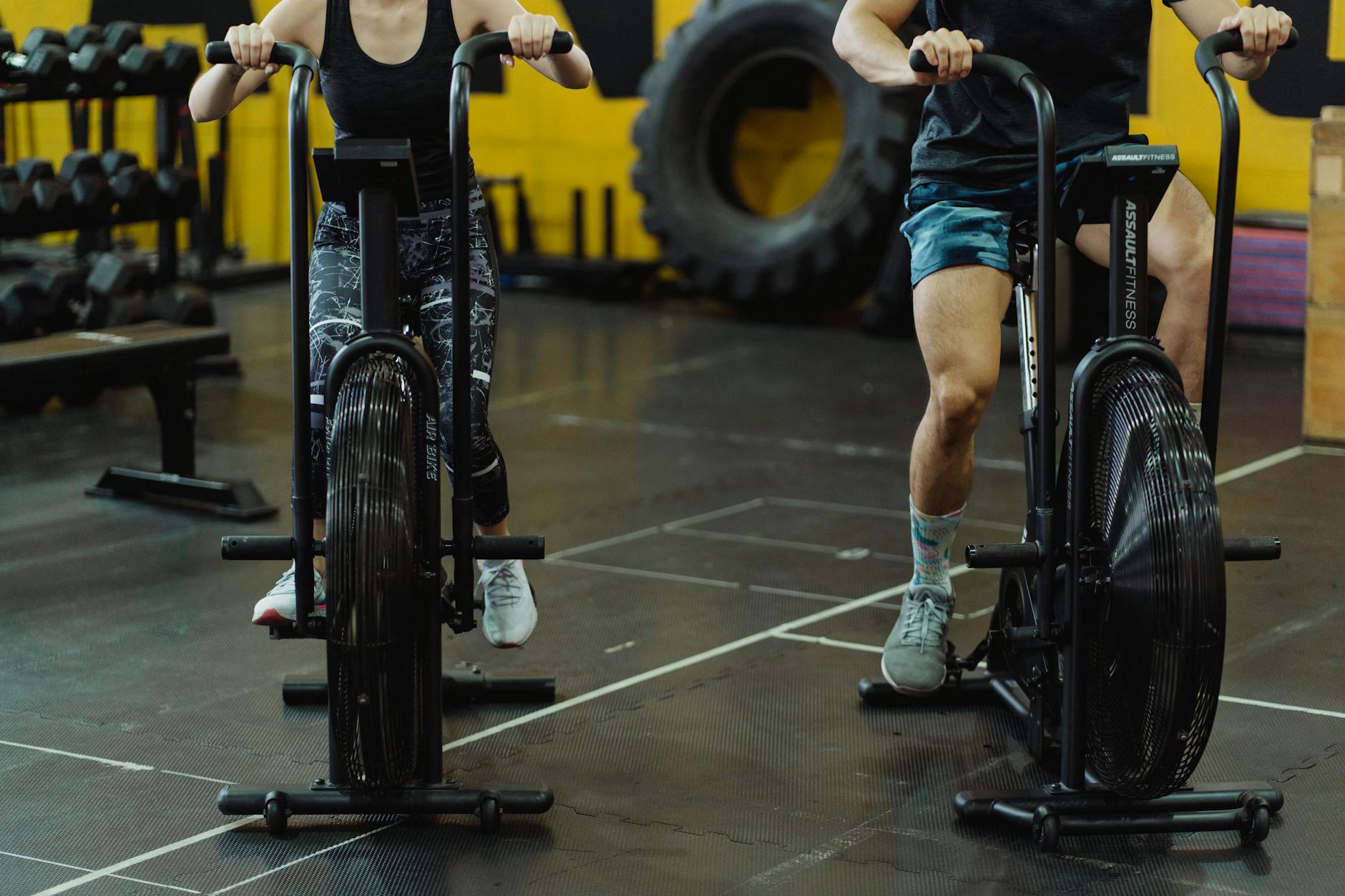
- Cardio Machines: Treadmills, ellipticals, stationary bikes are all great for your heart health. You can even do a home cardio workout without them, but they're there if you want them.
Focus on learning how to safely and effectively use these basics first. You'll build a strong foundation without getting lost in the sea of fancy gadgets.

Crafting Your First Effective Gym Workout Plan
The Power of a Full Body Gym Workout Plan for Beginners
If you're just starting, a full body gym workout plan is, in my opinion, the absolute best way to go. Why? Because it allows you to hit all your major muscle groups multiple times a week, stimulating growth and strength across your entire body. You're not overtraining one area while neglecting another. It's efficient, effective, and helps you build a balanced physique.
Imagine doing three full-body sessions a week: Monday, Wednesday, Friday. This gives your muscles adequate time to recover between sessions, which is crucial for muscle building exercises and preventing injury. Plus, it builds the habit of going to the gym without demanding five or six days of your week.
Essential Muscle Building Exercises for Every Session
When you're building your first gym workout plan, stick to compound movements. These are exercises that work multiple muscle groups at once, giving you the most bang for your buck. Think about the last time you saw someone lift something heavy – they weren't isolating one tiny muscle; they were using their whole body.
Key Compound Movements to Master
- Squats: Goblet squats with a dumbbell are a fantastic starting point. They work your glutes, quads, and core.
- Deadlifts: Start with Romanian deadlifts using light dumbbells to learn the hip hinge movement, which is vital for your posterior chain.
- Push-ups: If full push-ups are too hard, start on your knees or against a wall. This is a brilliant chest, shoulder, and triceps builder.
- Rows: Dumbbell rows or cable rows are excellent for your back and biceps. Focus on pulling with your back muscles, not just your arms.
- Overhead Press: Again, dumbbells are great here. Pressing weight overhead builds shoulder and triceps strength.
- Plank: A staple for core exercises, teaching you to brace your entire midsection.
Focus on perfect form over heavy weight. I'll be real with you, lifting too heavy with bad form is the fastest way to get hurt and derail your progress. Watch videos, ask a trainer, or even record yourself to check your technique.
Understanding Sets, Reps, and Progressive Overload
Once you have your exercises, you need to know how many sets and reps to do. For beginners aiming for general strength and muscle building, a good starting point is 3 sets of 8-12 repetitions for each exercise. This range is widely supported by National Institutes of Health research on gym workout plan effectiveness for hypertrophy (muscle growth).
The magic happens with progressive overload. This means gradually increasing the demand on your muscles over time. It could be increasing the weight, doing more reps, adding another set, reducing rest time, or improving your form. Don't try to add 20 pounds to your squat every week. Maybe one week you add 2.5 pounds, the next you do an extra rep. These small steps accumulate into huge gains over months and years.
Beyond the Weights: Nutrition, Recovery, and Mindset
Fueling Your Body for Peak Performance
You can have the most perfect gym workout plan in the world, but if your nutrition is off, you're leaving so much progress on the table. Think of food as fuel. Your body needs adequate protein to repair and build muscle, complex carbohydrates for energy, and healthy fats for overall health. You don't need to be extreme, just consistent and mindful.
Aim for whole, unprocessed foods most of the time. Get enough protein with every meal – chicken, fish, eggs, tofu, lentils. Drink plenty of water. This isn't just about weight loss workout goals; it's about giving your body what it needs to perform and recover from those intense strength training program sessions.
The Unsung Heroes: Sleep and Active Recovery
This one surprised me when I first started my fitness journey. I thought more training meant more results. Turns out, what you do outside the gym is just as vital. Sleep is when your body repairs itself, rebuilds muscle tissue, and consolidates all the hard work you put in. Aim for 7-9 hours of quality sleep every night.
Active recovery, like a light walk, stretching, or even Pilates reformer exercises, can help with blood flow and reduce muscle soreness on your off days. Don't just sit on the couch doing nothing; keep moving gently. This helps you come back stronger for your next session.
Staying Consistent When Motivation Wanes
Look, motivation is fleeting. There will be days you just don't want to go to the gym. This is where discipline kicks in. One time, I was absolutely drained after a long day at work. My gym bag felt like it weighed a ton, and my couch was calling my name. I almost gave in. But I remembered my "why" – to be able to play with my nephews without getting tired. I told myself, "Just go for 20 minutes. If you still feel awful, you can leave." I ended up completing my entire workout, and felt incredible afterward. That small commitment made all the difference.
Build habits. Lay out your gym clothes the night before. Schedule your workouts like important appointments. Find a workout buddy. These small strategies stack up and make consistency much easier.

Scaling Up: From Beginner to Advanced
When to Adjust Your Gym Workout Routine
You might be wondering, "How do I know when it's time to change my gym workout plan?" It's a great question. The biggest indicator is when your current routine stops feeling challenging, and you're no longer seeing progress with progressive overload. If you're easily hitting 12-15 reps with good form on all your exercises and aren't getting stronger, it's time to switch things up.
Typically, after 8-12 weeks on a consistent beginner gym workout, your body will have adapted significantly. This is a good time to consider increasing your workout intensity, introducing new exercises, or even moving to a different split routine if that aligns with your evolving goals.
Incorporating Variety: Strength, Cardio, and Flexibility
As you progress, think about adding more variety to your overall fitness regimen. While a strength training program is amazing for building muscle, incorporating dedicated cardio sessions is crucial for cardiovascular health. This could be anything from running on the treadmill, cycling, or even trying a no equipment cardio workout at home.
Don't forget flexibility and mobility work either. Stretching, yoga, or even dynamic warm-ups can prevent injuries and improve your range of motion. A well-rounded approach is always best for long-term health and performance.
Navigating Plateaus and Pushing Limits
Every fitness journey hits plateaus. You'll get to a point where progress slows down, and that's totally normal. Don't get discouraged! This is where you need to get creative with your gym workout plan. Maybe it's time to try a new rep scheme, experiment with different exercises, or even deload for a week to allow your body to fully recover.
Sometimes, pushing limits means trying something completely new, like powerlifting or a specific athletic endeavor. It's about continually challenging yourself in intelligent ways, not just mindlessly lifting heavier. Remember, the goal is always sustainable progress.
My Personal Take: It's More Than Just a Plan
The Unexpected Joy of the Process
When I first started, my focus was entirely on the outcome – how I'd look, how much I'd lift. But over the years, I've found so much joy in the process itself. The feeling of getting stronger, the mental clarity after a tough session, the camaraderie in the gym, even the satisfaction of sticking to my gym workout routine when I wanted to quit. These are the things that keep me coming back, far more than any aesthetic goal.
It becomes a form of self-care, a non-negotiable part of your week that grounds you. It's an investment in your physical and mental well-being that pays dividends far beyond just muscle mass or a number on the scale.
Trusting Yourself and Your Body
Ultimately, your gym workout plan needs to work for you. Listen to your body. Some days you'll feel like a superhero; other days, a lighter workout is all you can manage, and that's okay. Don't get so rigid with a plan that you can't adapt to life's curveballs. Trust your intuition, learn what makes you feel good and strong, and be patient with yourself.
This isn't a race; it's a marathon. And the most successful athletes are the ones who learn to pace themselves, understand their limits, and enjoy the journey.
So, take a deep breath. Forget the noise and the intimidation. Your journey to a stronger, healthier you starts with a simple, smart, and sustainable approach. Pick one of those essential exercises, learn it well, and show up consistently. That's the real secret to unlocking your fitness potential, and I know you can do it.