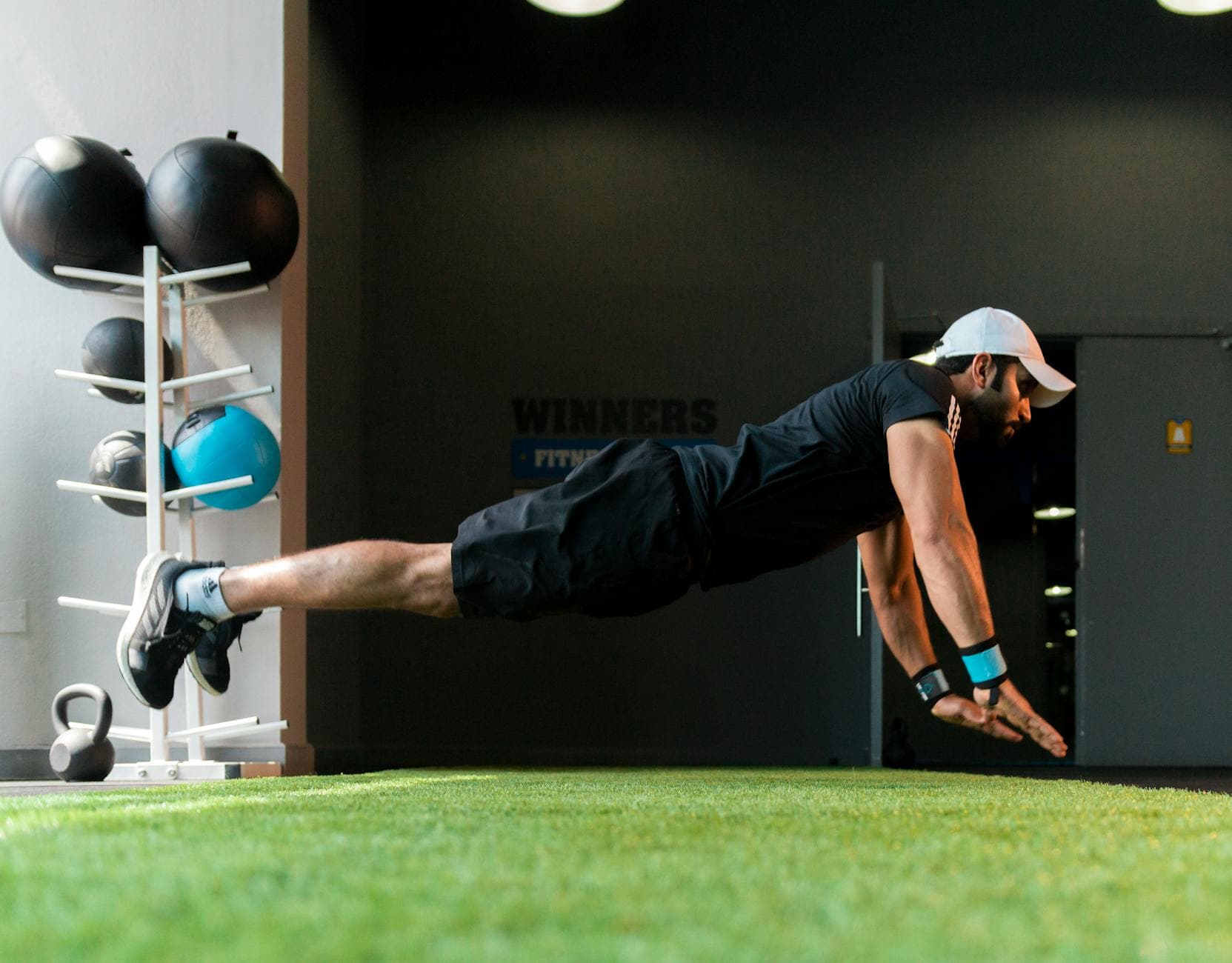
What if I told you that the most powerful gym in the world isn't packed with gleaming machines or heavy barbells, but rather, it's something you carry with you every single day? What if unlocking incredible strength, endurance, and flexibility didn't require a monthly membership, expensive gear, or even leaving your living room?
For years, I chased the conventional gym wisdom, believing that true progress meant more plates on the bar. But then, something shifted. I discovered the profound, often underestimated power of bodyweight training. This isn't just about doing a few push-ups; it's a comprehensive approach to fitness that leverages your own body as the ultimate resistance tool. It's about mastering movement, building resilient strength, and forging a deeply functional physique.
The Unseen Power of Your Own Body
Many people associate "working out" with barbells, dumbbells, and complicated machines. They picture crowded gyms and the constant chase for heavier lifts. And while there's certainly a place for that, it's not the only path, nor is it always the most effective or accessible one.
Imagine a World Without Gym Fees
Think about it: no commute, no waiting for equipment, no monthly debit from your bank account. The freedom that comes with knowing you can get a serious, challenging workout anytime, anywhere, is truly liberating. This accessibility is one of the biggest draws of a dedicated Bodyweight Workout Routine: Master Your Home Fitness Journey, making fitness less of a chore and more of an integrated part of your life.
More Than Just Push-ups: Defining True Bodyweight Strength
When I talk about bodyweight training, I'm not just referring to the basics. While push-ups, squats, and planks are fantastic foundational movements, the world of calisthenics extends far beyond. We're talking about pistol squats, handstands, pull-ups, muscle-ups, and even advanced skills that demand incredible control and power. This form of Bodyweight Muscle Building: Build Strength & Size at Home forces you to engage multiple muscle groups simultaneously, leading to a kind of holistic strength that barbells often miss.
Why Bodyweight Training is a Game Changer
Honestly, the benefits stack up so high, it's hard to ignore. This approach isn't just a convenient alternative; it's a superior choice for many, especially those looking for sustainable, injury-resistant progress.
Unlocking True Functional Strength
One of the things I love most about bodyweight exercises is how they translate directly to real-world movements. You're not just moving a weight through a fixed path; you're learning to control your own body in space. This builds what we call functional strength training – the kind of strength that helps you move better, whether you're lifting groceries, playing with your kids, or navigating uneven terrain. The Centers for Disease Control and Prevention research on bodyweight training highlights its effectiveness in improving overall physical function and reducing the risk of chronic diseases, which is a huge win in my book.
The Ultimate Convenience Factor
You've probably noticed that life gets busy. Really busy. Finding an hour to drive to the gym, work out, and drive back can feel impossible. That's where a Home Cardio Workout: Burn Fat & Boost Fitness Fast, especially one built around bodyweight movements, becomes a lifeline. All you need is a bit of space, maybe a sturdy doorframe for a pull-up bar, and your own determination. This makes consistency, the real key to any fitness success, so much easier to achieve.
Building Muscle Without Weights: A Reality Check
I used to think that to really build muscle, you absolutely needed heavy weights. I'll be real with you, I was wrong. While progressive overload is crucial for muscle growth, it doesn't always mean adding more plates. With bodyweight strength training, you achieve progressive overload by increasing reps, decreasing rest times, improving form, or, most powerfully, advancing to more challenging variations of bodyweight exercises. Think about moving from knee push-ups to standard push-ups, then to decline push-ups, and eventually one-arm push-ups. Each step builds significant strength and size. Harvard Health research on bodyweight training often emphasizes its efficacy in developing lean muscle mass and improving body composition, proving that you can indeed build muscle without weights.
My Journey: From Skeptic to Believer
Look, I'm a hands-on guy. I've been in the fitness space for years, and for a long time, my world revolved around barbells. I saw bodyweight workouts as something for beginners or for people who couldn't afford a gym membership. This one surprised me, how profoundly my perspective shifted.
The Early Days and My Misconceptions
My initial perception was that if you weren't lifting heavy, you weren't truly getting strong. I’d dabble in some push-ups or squats on rest days, but they were never the main event. I thought real gains came from the iron. When I saw people doing impressive calisthenics workout routines online, I admired the skill but still mentally pigeonholed it as a niche activity, not a primary strength builder. I figured it was all about endurance, not about serious hypertrophy.
The Moment It Clicked
The shift came after a minor injury that sidelined me from heavy lifting for a few months. Frustrated but determined not to lose all my progress, I decided to dive deep into a dedicated full body bodyweight routine. I started researching progressions, experimenting with different leverage points, and focusing intensely on form. What I discovered was incredible: my body awareness skyrocketed. My core strength, which I thought was solid, became rock-hard. My joints felt healthier, and I was moving with an agility I hadn't experienced in years. I wasn't just maintaining; I was building a different kind of strength, one that felt more integrated and resilient. It was a revelation, and it fundamentally changed how I approach fitness, making me a passionate advocate for no equipment workout strategies.

Crafting Your Own Bodyweight Workout Plan
So, you're ready to embrace the power of your own body? Fantastic! Here's how to start building a solid bodyweight fitness program that will get you real results.
Essential Bodyweight Exercises for Every Level
The beauty of bodyweight training is its scalability. Almost every exercise has easier and harder variations, meaning you can continuously challenge yourself as you get stronger.
Foundation Movements
- Squats: Start with basic bodyweight squats, focusing on depth and control. As you get stronger, progress to sumo squats, Bulgarian split squats, and eventually pistol squats.
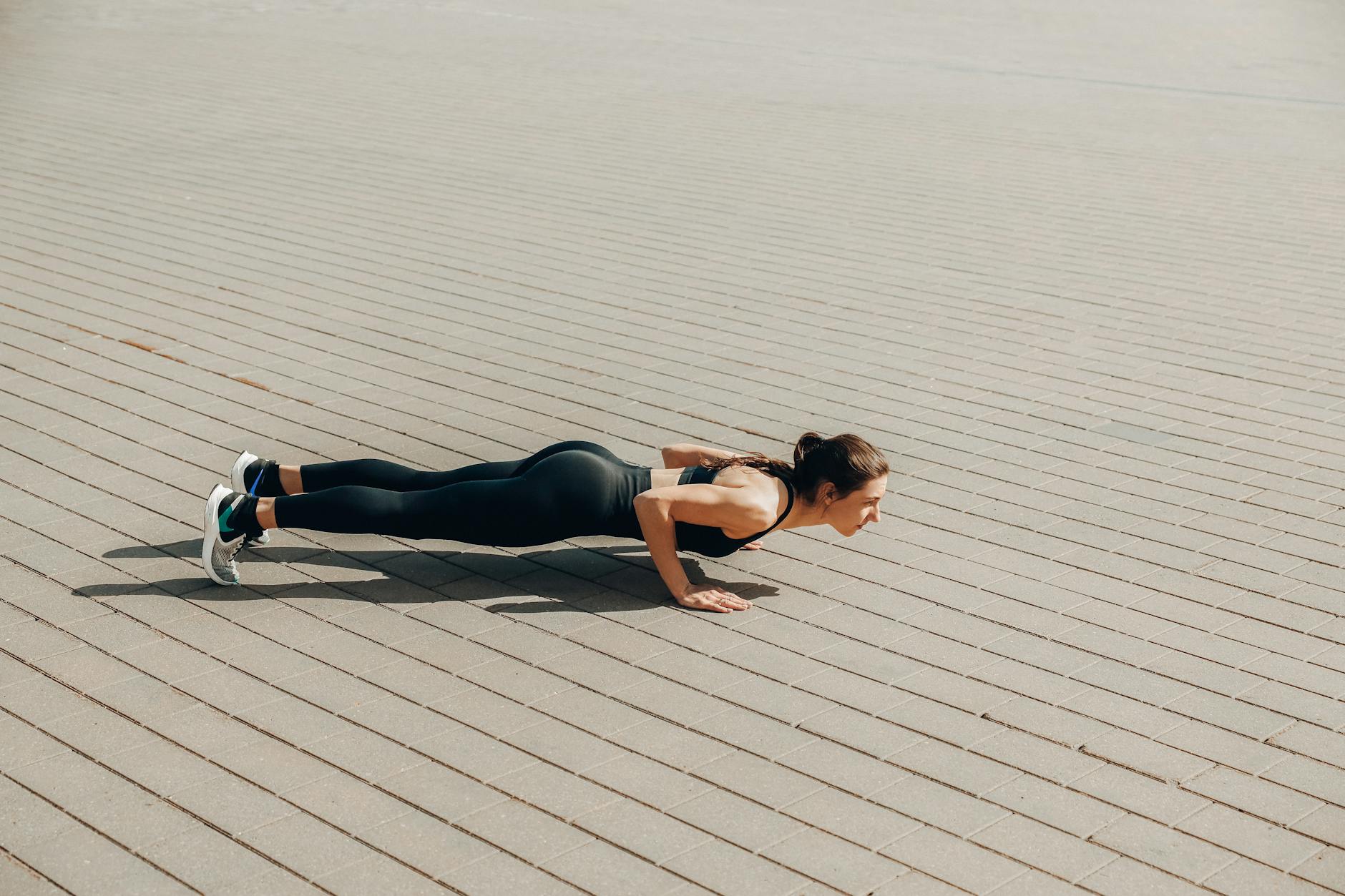
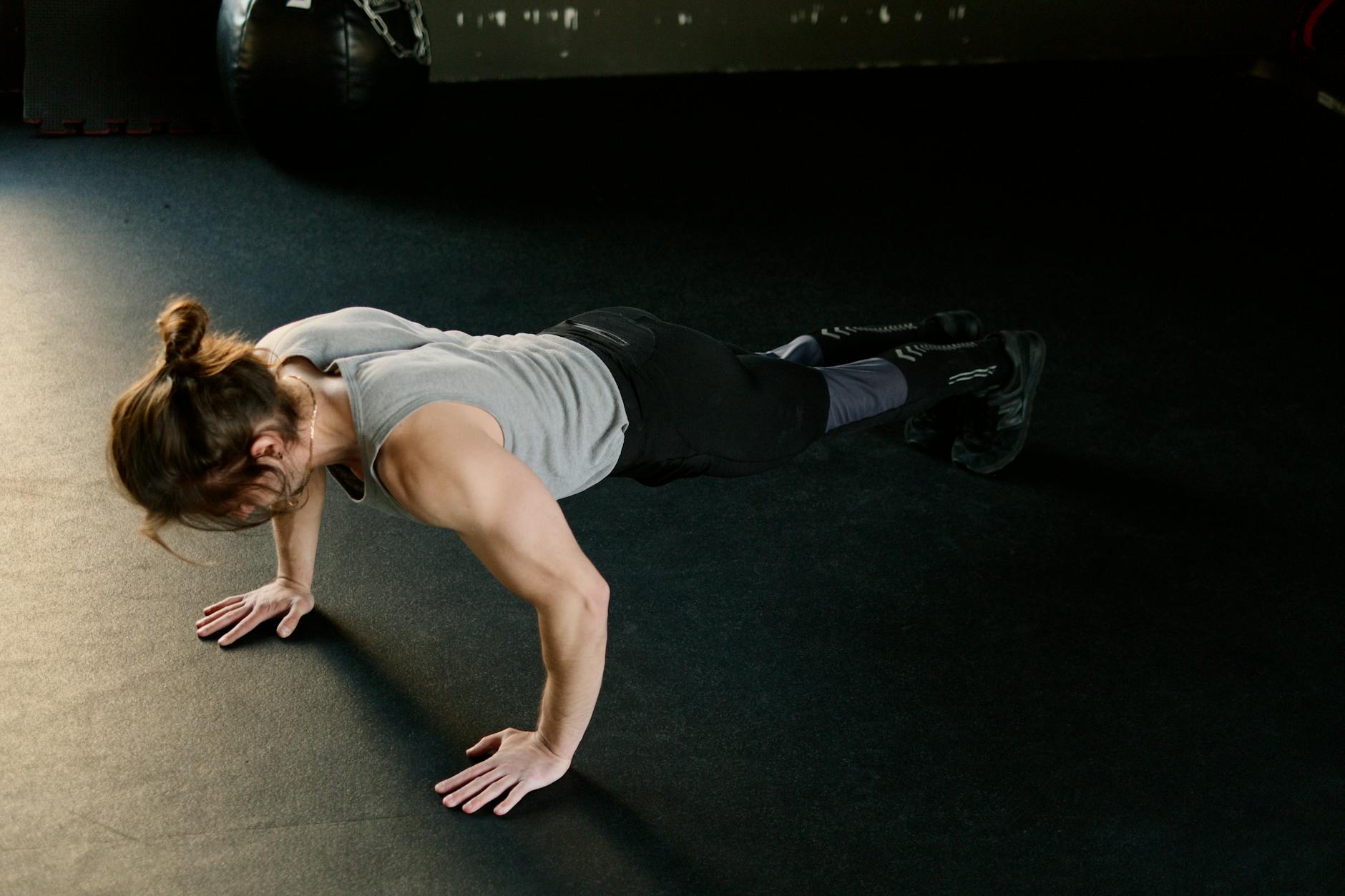
- Push-ups: Begin with knee push-ups or incline push-ups against a wall or bench. Work your way to standard push-ups, then decline push-ups, and eventually one-arm push-ups.
- Rows: If you don't have a pull-up bar, inverted rows using a sturdy table or low bar are fantastic. Focus on pulling your chest to the bar with controlled movement.
- Planks: The cornerstone of core strength. Master the basic plank, then explore side planks, plank with arm/leg raises, and eventually L-sits.
- Lunges: Forward lunges, reverse lunges, lateral lunges – these build incredible leg and glute strength, improving balance and coordination.
Intermediate Progressions
Once you've mastered the fundamentals, you can start looking at more advanced moves. Think about progressing to pull-ups (assisted if needed, then full), dips (using parallel bars or sturdy chairs), pike push-ups (for shoulder strength), and advanced core work like leg raises and hollow body holds. These are the stepping stones to true body mastery.
Structuring an Effective Home Bodyweight Workout
A random collection of exercises isn't a program. You need structure to ensure you're challenging your muscles adequately and allowing for recovery.
Frequency and Volume
For most people, aiming for 3-4 full-body bodyweight workouts per week is ideal. This allows for sufficient recovery while providing enough stimulus for growth. For each exercise, aim for 3-5 sets. The number of repetitions will depend on your goal: 8-15 reps for muscle growth, or higher reps (15-30+) for endurance, or fewer, more challenging reps for strength with advanced variations.
Progressive Overload Without Plates
Here's the thing about bodyweight strength training: progress isn't about adding weight, it's about making the movement harder. This can be done by:
- Increasing repetitions or sets: More work done is more stimulus.
- Decreasing rest time: This increases intensity and endurance.
- Slowing down the movement: Emphasize the eccentric (lowering) phase.
- Increasing range of motion: Go deeper into your squats or further down in your push-ups.
- Changing leverage: Elevate your feet for push-ups, or use one leg for squats.
- Moving to a harder variation: The ultimate form of progression.
Integrating a Full Body Bodyweight Routine
A well-rounded routine should hit all major muscle groups. You want to balance pushing movements (push-ups, dips) with pulling movements (rows, pull-ups), upper body with lower body, and don't forget that all-important core work. A sample week might look like: Monday (Full Body A), Wednesday (Full Body B), Friday (Full Body A), with active recovery or a No Equipment Cardio Workout: Ultimate Home Fitness Guide on other days. Ensure you're hitting opposing muscle groups to maintain balance and prevent imbalances.
Common Pitfalls and How to Avoid Them
Even with the best intentions, people often stumble. Here are some common mistakes I see and how you can steer clear of them.
The Myth of "Too Easy"
This is probably the biggest misconception. People try a few standard push-ups, find them easy, and dismiss beginner bodyweight exercises as ineffective. They don't realize the vast spectrum of difficulty available. If standard push-ups are easy, elevate your feet. If squats are easy, try pistol squats. The challenge is always there, waiting for you to find it. The National Institutes of Health research on bodyweight training consistently shows that when performed with proper progression, it can be as effective as weighted training for strength and hypertrophy.
Listening to Your Body (Really!)
We're often taught to push through pain, but there's a huge difference between muscle fatigue and joint pain. Bodyweight training, with its emphasis on natural movement patterns, tends to be gentler on joints than heavy lifting, but that doesn't mean you're immune to injury. Pay attention to aches and sharp pains. Sometimes, slowing down, improving form, or taking an extra rest day is the smartest thing you can do. Recovery is just as important as the workout itself. Also, consider how bodyweight training can complement other forms of movement, like the core stability and flexibility benefits you'd get from Pilates Reformer Exercises: Boost Strength & Flexibility, which also emphasize body control.
Consistency Over Intensity
It's tempting to go all out on day one, burn yourself out, and then quit. Don't do it. A consistent, moderate effort will always yield better long-term results than sporadic, intense bursts. Building a habit is more important than crushing a single workout. Aim for sustainability. Show up, do the work, and trust the process.
Beyond Strength: The Holistic Benefits
While building strength and muscle is a primary goal for many, bodyweight training offers so much more than just physical prowess. It's a truly holistic approach to fitness.
Enhanced Mobility and Stability
Because bodyweight movements often require a full range of motion and demand significant control, they naturally improve your flexibility, balance, and joint stability. Think about holding a handstand or performing a deep squat – these aren't just strength feats; they're demonstrations of incredible mobility and core stability. This improved range of motion can dramatically reduce your risk of injury in everyday life and other sports.
Mental Fortitude and Discipline
There's a unique mental game involved in mastering your own body. Overcoming the frustration of a failed attempt at a new skill, the discipline to stick with a challenging progression, and the patience to see gradual improvement all build incredible mental resilience. This isn't just about physical strength; it's about training your mind to push boundaries and embrace the journey.
Your Next Step Towards Mastering Your Body
So, here's the thing: your body is an incredible machine, capable of far more than you probably give it credit for. You don't need a fancy gym or expensive equipment to unlock its potential. All you need is the willingness to start, the commitment to learn, and the belief in yourself.
Forget the excuses. Forget the perceived limitations. Start small, stay consistent, and progressively challenge yourself. The path to a stronger, more capable, and more confident you is literally at your fingertips. Take that first push-up, that first squat, and begin the journey of truly mastering your body. You'll be amazed at what you discover.