Ever woken up feeling like your lower back was made of concrete? Or perhaps you've spent hours at a desk, only to stand up with a groan, a stiff ache radiating from your lumbar spine? If you've nodded along, even just a little, then you've stumbled upon something truly transformative. I've been there, trust me. For years, I battled what felt like an inevitable fate of lower back pain, especially after long runs or intense gym sessions. But then, I discovered the incredible, liberating power of dedicated lower back flexibility exercises, and honestly, it changed everything.
I used to think back pain was just part of getting older, part of pushing my body. I accepted it. But what if I told you that a significant chunk of that discomfort, that stiffness, that feeling of being perpetually "locked up," isn't inevitable at all? It's often a direct result of neglected spinal mobility and tight back muscles. This isn't just about feeling good; it's about reclaiming freedom of movement, improving posture, and yes, dramatically reducing or even eliminating that nagging pain. It's a revelation, a genuine game-changer!
The Silent Epidemic: Why Our Backs Are Crying Out
Modern Life's Toll on Spinal Health
Think about your typical day. How much time do you spend sitting? Driving, working at a computer, scrolling on your phone, relaxing on the couch – for most of us, it's a shocking amount. Our bodies, particularly our spines, are designed for movement, for bending, twisting, extending. Instead, we often hold them in prolonged, static positions that shorten muscles, compress discs, and gradually reduce our spinal mobility. This sedentary lifestyle is, in my opinion, the biggest culprit behind the widespread issue of tight backs and chronic lower back pain. It's a global health concern, something the World Health Organization research on lower back flexibility exercises has highlighted repeatedly.
Beyond Just Pain: The True Cost of Stiffness
Stiffness isn't just about pain; it's a thief, robbing you of vitality. A stiff lower back impacts everything. It limits your range of motion in daily activities, making simple tasks like tying your shoes or picking up a child feel like an Olympic event. It compromises your performance in other fitness pursuits, whether you're trying a Bodyweight Training routine, a Gym Workout Plan, or just enjoying a Home Cardio Workout. A rigid spine can also throw off your entire kinetic chain, leading to issues in your hips, knees, and even shoulders. I've seen it countless times in my own journey and with others – neglecting back flexibility creates a cascade of problems.
Understanding Your Lumbar Spine
Your lower back, or lumbar spine, is an incredible piece of engineering. It supports the weight of your upper body, allows for movement in multiple directions, and protects your spinal cord. It comprises five large vertebrae, cushioned by intervertebral discs, and surrounded by a complex network of muscles, ligaments, and nerves. When any part of this system becomes tight, weak, or misaligned, you feel it. Understanding this basic structure really helped me appreciate why targeted stretches for back flexibility are so crucial.

Unlocking Freedom: The Power of Lower Back Flexibility Exercises
Relief is Just a Stretch Away
Here's the thing: you don't need fancy equipment or hours of time to start making a difference. Simple, consistent back flexibility stretches can provide profound relief from muscle tension and discomfort. When you gently lengthen those tight muscles, you're not just easing pain; you're increasing blood flow, improving nutrient delivery to your spinal discs, and promoting a healthier nervous system response. It's almost like giving your back a deep, internal massage.
The Unexpected Benefits: Posture, Performance, and Peace
The benefits extend far beyond just pain relief. Imagine standing taller, feeling more confident, and moving with greater ease – that's the power of improved posture, a direct result of a more flexible lower back. Better spinal mobility also translates into enhanced athletic performance; your body can move more efficiently, reducing the risk of injury. And honestly, there's a profound sense of peace that comes from a body that feels less restricted, less burdened by constant aches. It's a holistic improvement, impacting your physical and mental well-being.
What Nobody Tells You About Spinal Mobility
I'll be real with you: what nobody really emphasizes enough is that true, lasting back flexibility isn't about pushing through pain or forcing yourself into extreme positions. It's about consistency, patience, and listening to your body. I used to think more was always better, pushing deep into stretches until I felt a sharp pull. That's a recipe for injury, not flexibility. The truth is, gentle, controlled movements, held for appropriate durations, are far more effective and sustainable. You're trying to coax your muscles into releasing, not brutalize them into submission. The Mayo Clinic research on lower back flexibility exercises frequently highlights the importance of proper form and gradual progression.

My Go-To Lower Back Flexibility Exercises: A Daily Ritual
Over the years, I've experimented with countless stretches. These are the ones I’ve found to be the most effective, the ones I recommend to everyone, and the ones that form the core of my own daily back flexibility routine. They're simple, impactful, and accessible to almost everyone.
Gentle Warm-Ups for Spinal Awakening
Always start gently. These movements are about waking up your spine, not pushing it to its limits.
Cat-Cow Flow
This is a yoga staple for a reason. Start on your hands and knees, wrists under shoulders, knees under hips. As you inhale, drop your belly towards the floor, lift your chest and tailbone (cow pose). As you exhale, round your spine towards the ceiling, tuck your chin to your chest (cat pose). Flow between these two, coordinating with your breath, for 5-10 repetitions. It's amazing for spinal mobility, gently articulating each vertebra.
Pelvic Tilts
Lie on your back with knees bent, feet flat on the floor, about hip-width apart. Gently flatten your lower back into the floor by engaging your abdominal muscles and tilting your pelvis upwards. Then, arch your lower back slightly, creating a small space between your back and the floor, tilting your pelvis downwards. Perform 10-15 slow, controlled repetitions. This helps to mobilize the lumbar spine and engage core muscles without strain.
Deep Stretches for Lasting Release
Once your back feels a little more awake, you can move into holds that encourage deeper release in tight areas.
Knee-to-Chest Hug
Lying on your back, gently bring one knee towards your chest, clasping your hands around your shin or behind your thigh. Hold for 20-30 seconds, feeling a gentle stretch in your lower back and glute. Repeat on the other side. For an even deeper stretch, you can bring both knees to your chest simultaneously. This is a brilliant way to relieve back pain directly.
Supine Spinal Twist
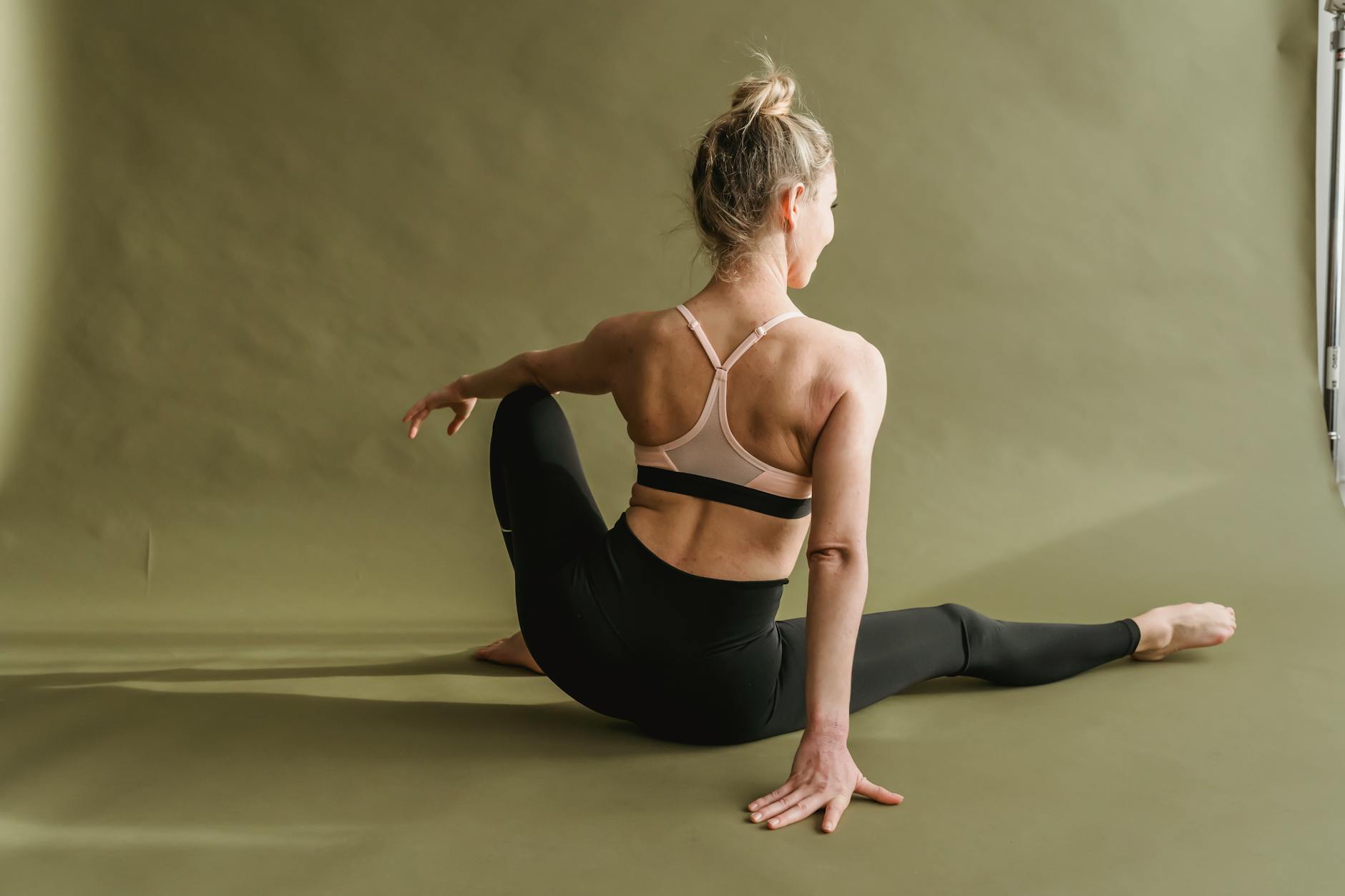
Still on your back, extend your arms out to the sides in a 'T' shape. Bring both knees towards your chest, then slowly let them fall to one side, keeping both shoulders grounded as much as possible. Look in the opposite direction of your knees. Hold for 30 seconds, breathing deeply into the stretch. Repeat on the other side. This is fantastic for rotational back flexibility stretches.
Child's Pose
From your hands and knees, sit your hips back towards your heels, extending your arms forward or resting them alongside your body. Let your forehead rest on the floor. This gentle inversion elongates the spine and provides a wonderful sense of release in the lower back. Hold for 30-60 seconds, or longer if it feels good. It's a cornerstone of Pilates exercises and yoga for back flexibility.
Dynamic Movements for Functional Strength
Flexibility isn't just about static stretching; it's also about moving through a full range of motion with control. These exercises build strength and stability alongside flexibility.
Bird-Dog
Start on all fours. Engage your core, then slowly extend your right arm forward and your left leg straight back, keeping your back flat and hips level. Hold for a few seconds, then return to the start. Alternate sides, performing 8-12 repetitions per side. This exercise is phenomenal for core stability and overall back health, improving coordination and strength in your posterior chain.
Thread the Needle
From all fours, lift your right arm to the ceiling, twisting your torso open. Then, "thread" your right arm under your left armpit, resting your right shoulder and the side of your head on the mat. Your left arm can extend forward or stay bent for support. Feel the stretch across your upper back and shoulders. Hold for 30 seconds, then repeat on the other side. While not strictly a lower back exercise, it helps release tension in the upper back, which often contributes to lower back issues.

Beyond the Mat: Integrating Flexibility Into Your Day
Desk Stretches for Back Relief
We can't always escape our desks, but we can outsmart them. Every hour, take 5 minutes to move. Simple desk stretches for back relief include seated cat-cow, gentle spinal twists in your chair, and reaching your arms overhead to lengthen your spine. I personally set a timer for every 45 minutes to stand up, walk around, and do a few quick stretches. This small habit makes an enormous difference in preventing that end-of-day stiffness.
The Role of Foam Rolling and Self-Massage
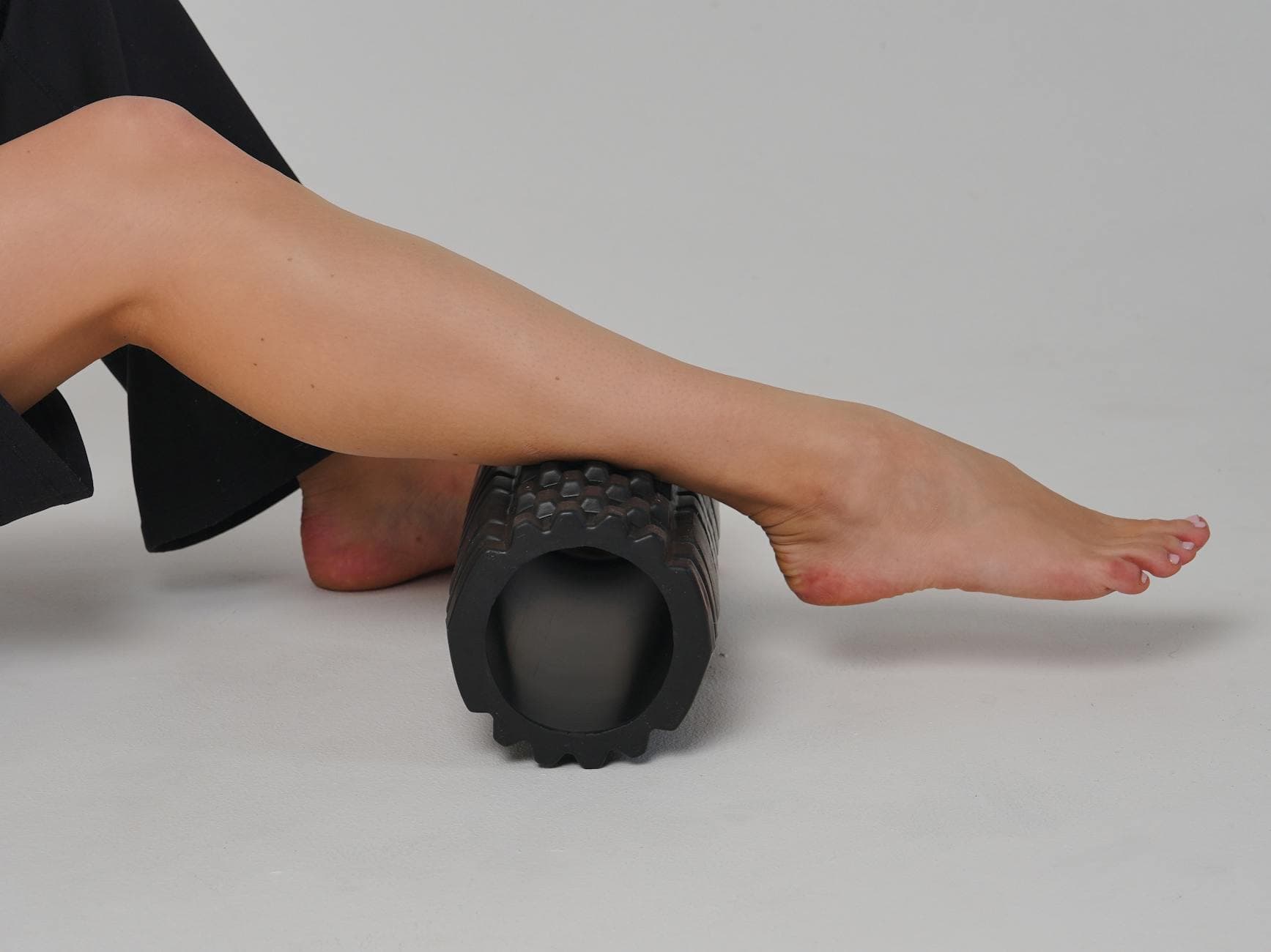
Foam rolling back muscles can be a game-changer for releasing stubborn knots and increasing tissue mobility. While you need to be cautious with direct lower back foam rolling (it can sometimes put too much pressure on the spine), using a foam roller for your glutes, hips, and upper back can indirectly alleviate lower back tension. A lacrosse ball can also be excellent for targeting specific tight spots in your piriformis or glutes, which often refer pain to the lower back. It's like giving yourself a deep tissue massage!
When to Seek Professional Guidance
While these lower back flexibility exercises are incredibly beneficial, it's important to know when to seek help. If you experience sharp, shooting pain, numbness, tingling, or weakness in your legs, or if your pain worsens with exercise, please consult a doctor or physical therapist. They can diagnose the underlying issue and provide personalized guidance. Never push through pain; listen to your body's signals. The National Institutes of Health research on lower back flexibility exercises often emphasizes the importance of professional medical advice for persistent or severe pain.
Building a Sustainable Daily Back Flexibility Routine
Consistency is Your Secret Weapon
Look, I'm not asking you to become a contortionist overnight. The magic of a daily back flexibility routine lies in its consistency, not its intensity. Even 10-15 minutes a day, performed regularly, will yield far greater results than an hour-long session once a week. Make it a non-negotiable part of your morning or evening routine, like brushing your teeth. Your spine will thank you.
Listening to Your Body (Really Listening!)
This is my biggest piece of advice. Every day is different. Some days your body will feel more open, others more restricted. Don't force it. Move gently, breathe deeply, and respect your body's current limits. The goal is to feel a gentle stretch, not pain. Pay attention to which movements feel good and which areas need more attention. This self-awareness is key to long-term success.
Complementary Practices: Yoga and Pilates
For those looking to deepen their practice, incorporating yoga for back flexibility or specific Pilates exercises can be incredibly beneficial. Both disciplines emphasize core strength, breath control, and mindful movement, all of which are essential for a healthy, flexible spine. Many of the stretches I've mentioned are foundational in these practices, offering a structured way to improve overall spinal health and build a stronger, more resilient back.
So, what are you waiting for? That nagging stiffness, that persistent ache – it doesn't have to be your story. By embracing these simple, powerful lower back flexibility exercises, you're not just stretching muscles; you're investing in a future of greater freedom, less pain, and a body that moves with joy and ease. Start today. Even five minutes is a revolution in motion. Your back will literally breathe a sigh of relief, and you'll wonder why you didn't start sooner.