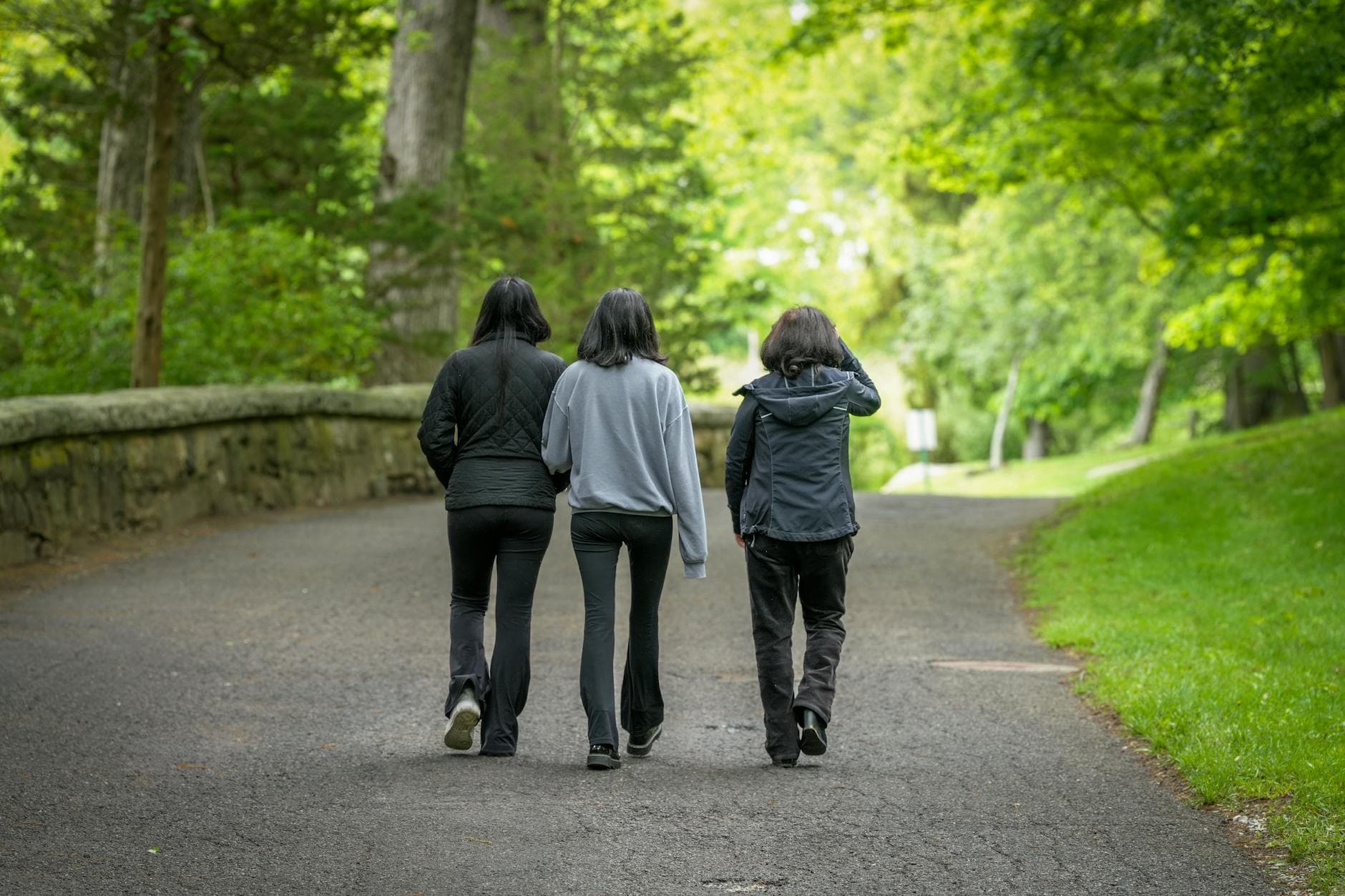
Spring Walking: Your Path to a Healthier You
There's a common myth that getting fit requires grueling gym sessions or extreme diets. Honestly, that’s just not true. For so many of us, the simplest, most accessible path to fitness lies right outside our door. As the weather warms and the world shrugs off its winter coat, it's the perfect time to embrace a spring walking plan. You don't need fancy equipment or a personal trainer to start feeling better, moving more, and enjoying the season. This isn't about chasing perfection; it's about progress, consistency, and finding joy in movement.
Why Spring is the Perfect Time to Start
You've probably noticed how the longer days and milder temperatures just make you *want* to be outside. It's like nature is giving us a gentle nudge. After months of being cooped up, the urge to stretch our legs and breathe in fresh air is powerful. This natural inclination makes spring an ideal season to kickstart any walking fitness plan. The enthusiasm is already there, waiting to be channeled.
The Myth of "Starting Fresh"
Many people believe you need a "clean slate" or a full calendar reset to begin a fitness routine. I used to think that way too. But here's the thing: every day is a fresh start. You don't need to wait for Monday, or the first of the month, or even the first day of spring. The best time to start building healthy habits is right now, and a spring walking plan is an excellent way to do it.

Crafting Your Personalized Spring Walking Plan
Building a successful spring walking plan isn't about copying someone else's routine. It's about understanding your own starting point and setting realistic goals. Think of it like planting a garden; you need to prepare the soil before you can sow the seeds.
Assessing Your Current Fitness Level
Before you lace up those shoes, take a moment to honestly assess where you're at. If you've been largely sedentary, your initial goal might simply be to walk for 15-20 minutes, three times a week. If you're already moderately active, you might aim for longer durations or more frequent walks. This isn't about judgment; it's about setting yourself up for success and avoiding overexertion, which can be a major demotivator. For those looking to go from zero to something, a couch to trail walking approach is perfect.
Setting Achievable Goals
What do you want to achieve? Do you want to boost your energy levels, improve your cardiovascular health, manage your weight, or simply enjoy more time outdoors? Be specific. Instead of "walk more," try "walk for 30 minutes, four times a week, by the end of April." Having clear, measurable goals makes it easier to track your progress and stay motivated. These are your spring fitness goals, and they should be tailored to you.
Choosing Your Walking Routes
Variety is the spice of life, and it's also key to a sustainable walking exercise routine. Explore different parks, neighborhoods, or local trails. A change of scenery can make your walks much more engaging. If you're new to outdoor activity, starting with familiar, well-lit paths can provide a sense of security. This is where the couch to trail walking concept truly shines, gradually introducing you to different environments.

The Beginner's Spring Walking Program: Building Momentum
For those new to exercise, a structured beginner walking program is essential. It's about building a habit gradually, ensuring you don't get discouraged. This is where consistency trumps intensity.
Week 1-2: The Foundation
Your focus here is simply on getting out the door. Aim for three to four walks per week, each lasting 15-20 minutes. The pace should be comfortable, allowing you to hold a conversation. Don't worry about speed or distance; just focus on the act of walking itself. This is the crucial first step in your spring walking plan.
Week 3-4: Increasing Duration
As you feel more comfortable, gradually increase the duration of your walks. Aim for 25-30 minutes per session, still maintaining a comfortable pace. You might also consider adding another walk day if your schedule allows. Listen to your body; if you feel fatigued, it's okay to take an extra rest day.
Week 5-6: Introducing Variety and Intensity
Now you can start to play with your routine. Try incorporating some gentle inclines or slightly faster bursts of walking. This is where you can begin to explore interval walking workout principles. For example, walk briskly for 30 seconds, then return to a moderate pace for 2 minutes, repeating this cycle a few times within your walk. You can also explore new routes or try some outdoor walking for fitness in a different park. Remember to warm up and cool down properly. Some simple stretches for flexibility and pain relief can make a big difference.

Beyond the Basics: Enhancing Your Spring Walking Plan
Once you've established a solid foundation, there are many ways to make your spring walking plan even more effective and enjoyable. This is where you can really tailor it to your evolving fitness goals.
The Power of Interval Walking
An interval walking workout can significantly boost your fitness gains. Alternating between periods of higher intensity and recovery helps improve cardiovascular health and burn more calories in less time. For instance, after a 5-minute warm-up, you could walk briskly for 1 minute, then at a moderate pace for 2 minutes, and repeat this pattern for 20-25 minutes before a cool-down. This is a fantastic way to challenge yourself without feeling overwhelmed. Research from the Mayo Clinic research on spring walking plan highlights the benefits of varied intensity.
Incorporating Strength and Balance
Walking is primarily aerobic, but combining it with strength and balance exercises can create a more comprehensive fitness routine. Look for opportunities during your walks to pause and do some bodyweight exercises like squats, lunges, or calf raises. Even simple balance exercises, like standing on one leg for 30 seconds (holding onto something for support if needed), can improve stability and prevent falls. For building overall stamina, consider exploring muscular endurance exercises on your non-walking days.
The Importance of Hydration and Nutrition
As you increase your activity levels, staying properly hydrated becomes crucial. Don't wait until you're thirsty to drink water. Carry a water bottle with you, especially on longer walks or warmer days. Proper nutrition also fuels your body for your workouts and aids in recovery. Think about having a light snack before a longer walk if you feel you need the energy. Staying hydrated is a key component of any successful spring workout hydration strategy.

Embracing the Outdoors: More Than Just Exercise
A spring walking plan is about more than just the physical benefits, though those are substantial. It's about reconnecting with the world around you and reaping the mental health rewards that come with it.
The Mental Health Boost
The benefits of outdoor walking for fitness extend far beyond the physical. Studies have shown that spending time in nature can reduce stress, anxiety, and symptoms of depression. The fresh air, the sunlight, and the natural scenery can have a profoundly calming and uplifting effect. It's a simple yet powerful way to improve your overall well-being. This is why many people find spring hiking for beginners so appealing; it combines gentle activity with immersion in nature.
Mindful Walking
Try to be present during your walks. Pay attention to the sights, sounds, and smells around you. Notice the blooming flowers, the chirping birds, or the gentle breeze. This practice of mindfulness can deepen your appreciation for your surroundings and make your walks more restorative. It's a form of active meditation that can clear your head and reduce mental clutter.
Social Connection
Walking can also be a great social activity. Invite a friend, family member, or neighbor to join you. Walking together provides an opportunity to catch up, share experiences, and offer mutual encouragement. This can make your walking fitness plan more enjoyable and help you stay accountable. Even a quick chat during a spring workouts busy mornings can set a positive tone for the day.
Overcoming Common Roadblocks
No fitness journey is entirely smooth. You'll encounter days when motivation wanes or life gets in the way. The key is to have strategies in place to navigate these challenges.
Dealing with Bad Weather
Spring can be unpredictable. If the weather turns sour, don't let it derail your entire plan. Consider investing in some basic rain gear and continue your walks, or have a backup indoor activity like walking in place, climbing stairs, or using a treadmill if you have access to one. Sometimes, even a short 10-minute walk indoors can keep your habit alive.
Finding Time in a Busy Schedule
This is a common struggle for many. Look for opportunities to fit in shorter walks. Could you walk during your lunch break? Wake up 20 minutes earlier? Walk to the local shop instead of driving? Even small bursts of activity add up. Remember, the goal is to build a sustainable habit, not to add more stress to your life. Prioritizing your health is important, and even finding time for walking for weight loss beginners requires a commitment.
When Motivation Fades
It happens to everyone. On days when you just don't feel like walking, try a few things. Remind yourself of your goals and why you started. Look at your progress so far – seeing how far you've come can be incredibly motivating. Sometimes, just getting started is the hardest part; tell yourself you'll only walk for 10 minutes, and often you'll find yourself continuing longer. Remember the World Health Organization research on spring walking plan and its emphasis on regular physical activity for overall health.
Making Your Spring Walking Plan a Lasting Habit
The goal of any spring walking plan isn't just to get through the season; it's to build a sustainable habit that carries you forward. This is about making movement a natural, integrated part of your life.
Celebrate Your Progress
Acknowledge and celebrate your achievements, no matter how small. Did you complete all your planned walks this week? Did you increase your distance? Did you try a new, challenging route? Pat yourself on the back! Positive reinforcement is a powerful motivator and helps solidify your new habits. Seeing your progress on paper or in an app can be incredibly rewarding.
Listen to Your Body
This is perhaps the most important advice I can give. Your body will tell you what it needs. If you're feeling unusually sore or fatigued, it's okay to rest. Pushing too hard, too soon can lead to injury and burnout. A sustainable fitness plan is one that respects your body's signals. The National Institutes of Health research on spring walking plan often emphasizes listening to your body's cues.
Embrace the Journey
Fitness isn't a destination; it's an ongoing journey. There will be ups and downs, but the key is to keep moving forward. Your spring walking plan is just the beginning. As you get fitter and more confident, you can explore new activities, longer hikes, or even running. The most important thing is that you've taken the step to prioritize your health and well-being. Enjoy the process, savor the fresh air, and feel the difference it makes.