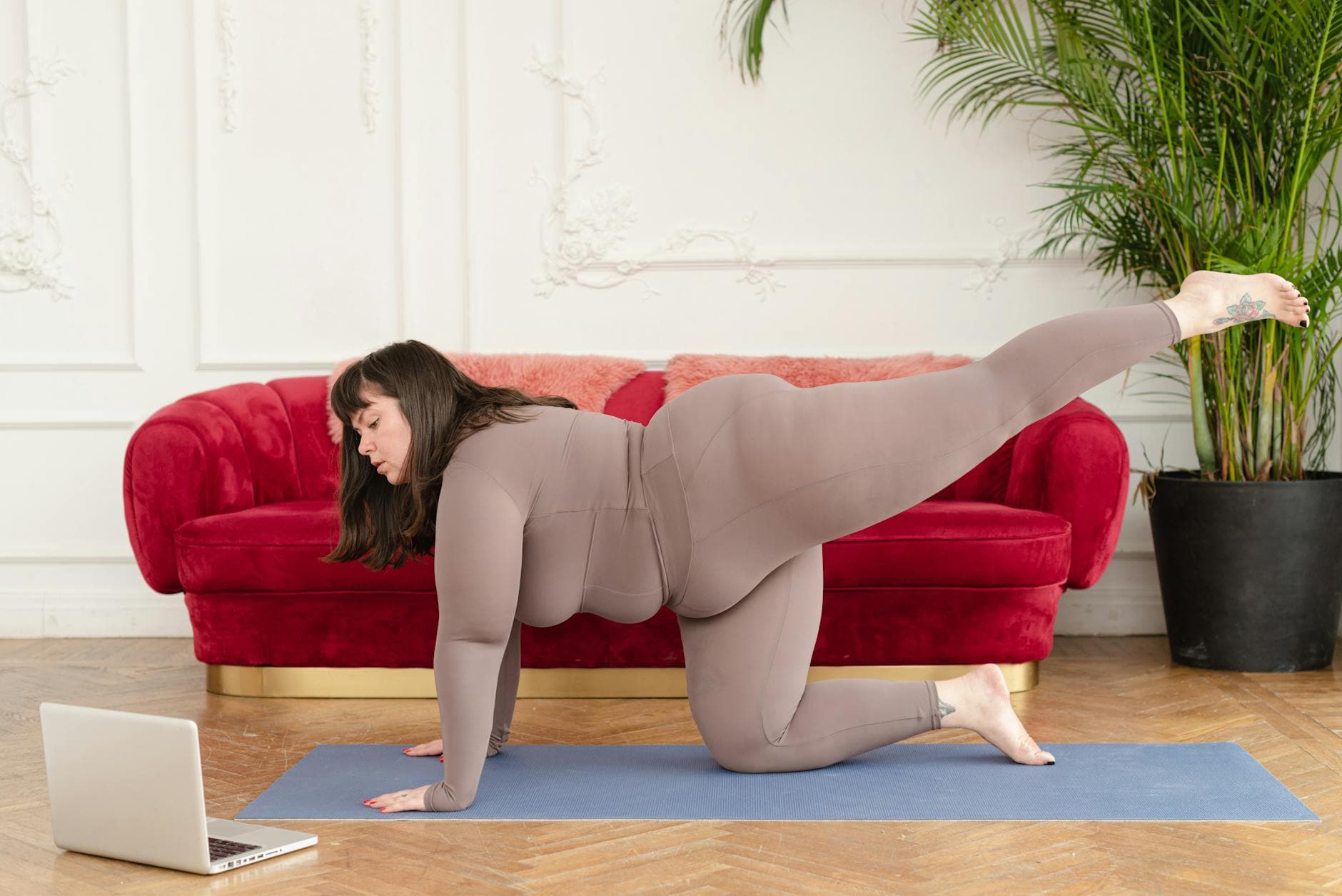
Ever felt that pang of intimidation when you see a photo of someone effortlessly twisted into a pretzel, maybe perched on one hand, looking serene as a monk? You probably thought, "Well, that's not for me. My body just doesn't do that." I used to think the exact same thing. For years, the idea of yoga conjured images of extreme flexibility and spiritual gurus, making it feel utterly inaccessible. But what if I told you that the path to a stronger, calmer, more flexible you doesn't start with a headstand, but with something far simpler, far more forgiving? It starts with easy yoga for beginners.
My journey into fitness, and eventually into sharing what I've learned, has taught me one undeniable truth: the biggest barrier to starting something new isn't capability, it's perception. We build up these grand, often unrealistic, ideas in our heads, and then we let them stop us before we even take the first breath. Yoga, in its purest form, is about connecting with yourself, moving with intention, and finding peace, not about performing circus acts. And honestly, it’s one of the most powerful tools I’ve found for holistic well-being.
The First Step Is Always the Hardest (and Why It's Worth It)
Think about the last time you tried something completely new. Maybe it was a new hobby, a different route to work, or even cooking an unfamiliar recipe. There's always that initial awkwardness, that feeling of not quite knowing what you're doing. Yoga is no different, but the rewards for pushing through that initial discomfort are immense, touching every facet of your life.
Dispelling the Myth of the "Yoga Body"
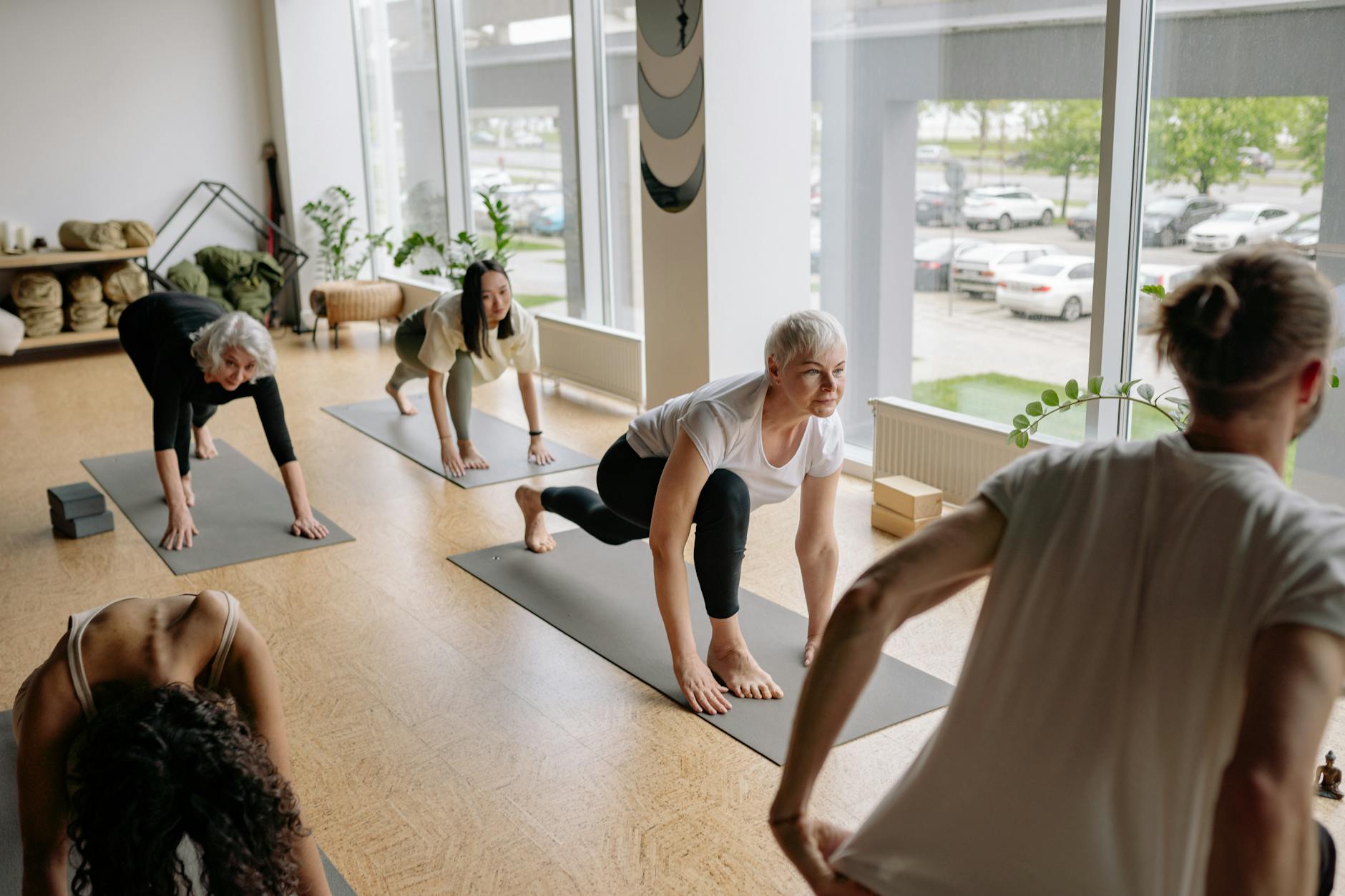
Here's the thing: there's no such thing as a "yoga body." Seriously, it’s a marketing construct, a fantasy. Every body is a yoga body. Whether you're tall, short, slender, curvy, stiff, or already quite flexible, yoga is for you. The poses aren't about achieving a certain aesthetic; they're about how they feel in your body, how they challenge you gently, and how they open up new pathways of movement and sensation. I've seen people in their 80s start a practice and gain incredible mobility and balance, proving that age, size, or prior fitness levels are irrelevant.
My Own Stumbling Blocks (and Yours Too)
When I first tried yoga, I was a mess of tight muscles from years of weightlifting and competitive sports. My hamstrings felt like guitar strings, my hips were locked up tighter than Fort Knox, and my balance was laughable. I remember my first downward dog felt less like a graceful inversion and more like a struggle to avoid face-planting. I was frustrated, comparing myself to the seemingly effortless movements of others in the class. It took a while for me to understand that this wasn't a competition, but a personal exploration. My biggest mistake was thinking I needed to be good at it from day one, instead of simply showing up and being present. You've probably felt that pressure too, that internal voice telling you you're not good enough.
Why Easy Yoga for Beginners Is More Than Just Stretching
Many people view yoga as simply a way to become more flexible. While it certainly does wonders for your mobility, that's just scratching the surface. The real magic of even the simplest yoga practice lies in its profound impact on your mind and spirit, creating a powerful trifecta of physical, mental, and emotional well-being.
The Unseen Benefits Beyond Flexibility
Sure, your hamstrings will thank you, and those stiff shoulders might finally loosen up. But what about the less obvious perks? Regular yoga can significantly improve your posture, which for someone like me who spends hours at a desk, is a game-changer. It builds core strength you didn't even know you were missing, helping to stabilize your entire body. I've personally seen a dramatic reduction in the nagging lower back pain I used to experience, simply by incorporating targeted movements and Pilates for Back Pain: Effective Exercises for Relief Now, which shares many principles with gentle yoga. The World Health Organization research on easy yoga for beginners even points to its role in preventing non-communicable diseases by promoting physical activity.
Mind-Body Connection: The Real Game Changer
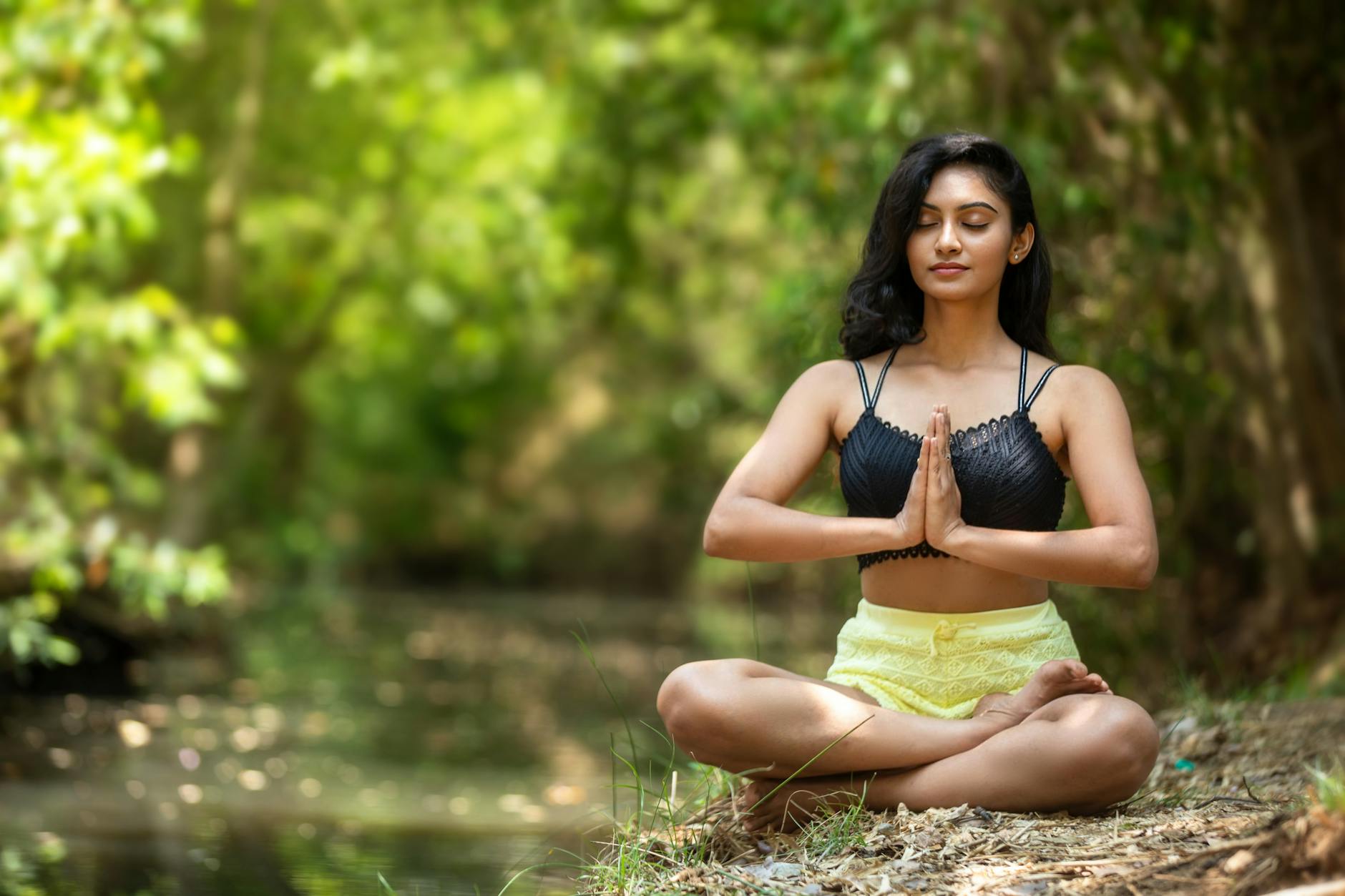
Here's the truth: the breath is everything. In yoga, your breath isn't just something your body does automatically; it's a tool, a guide, an anchor. Focusing on your breath while moving helps quiet the incessant chatter of the mind. This isn't just some woo-woo concept; it's a scientifically proven way to calm your nervous system. Mayo Clinic research on easy yoga for beginners highlights its effectiveness for stress reduction. I remember one particularly stressful week, feeling completely overwhelmed. Twenty minutes of simply focusing on my breath during a gentle flow completely shifted my perspective, allowing me to approach my challenges with a clearer head. This ability to regulate your internal state is, in my opinion, one of the most invaluable yoga benefits.
Building a Foundation, Not a Castle
When you start with easy yoga for beginners, you're not trying to build a skyscraper; you're laying a solid foundation. You learn how to properly align your body, how to engage the right muscles, and most importantly, how to listen to what your body needs. Skipping these foundational steps often leads to frustration or injury down the line. Trust me, it’s far better to do a simple pose correctly and mindfully than to strain yourself attempting something you’re not ready for. This slow, deliberate approach is what makes yoga sustainable and truly beneficial in the long run.
Your First Moves: Simple Poses to Get Started
Alright, enough talk about the philosophy. Let's get practical. You don't need fancy gear or an expensive studio membership to start. Just a comfortable space, maybe a mat, and an open mind. These Beginner Yoga Poses: Your Guide to Easy & Effective Moves are gentle, accessible, and form the bedrock of almost every yoga practice.
The Gentle Giants: Essential Beginner Poses
These are the poses I recommend to anyone who asks me how to start yoga. They're fundamental, effective, and surprisingly powerful. Remember, move slowly and breathe deeply.
Mountain Pose (Tadasana)
- Stand tall with your feet hip-width apart, arms by your sides.
- Press down through all four corners of your feet, feeling grounded.
- Engage your thigh muscles, gently tuck your tailbone, and lift your chest.
- Imagine a string pulling the crown of your head towards the ceiling.
- Breathe deeply, feeling the strength and stability of your posture. This is the starting point for everything.
Cat-Cow Pose (Marjaryasana-Bitilasana)
- Start on your hands and knees, wrists under shoulders, knees under hips.
- As you inhale, drop your belly, lift your chest and tailbone (Cow).
- As you exhale, round your spine, tuck your chin to your chest (Cat).
- Move fluidly with your breath, feeling your spine awaken. This is fantastic for spinal mobility and warming up.
Downward-Facing Dog (Adho Mukha Svanasana)
- From hands and knees, tuck your toes and lift your hips high, forming an inverted V-shape.
- Keep a generous bend in your knees, especially if your hamstrings are tight.
- Press firmly through your hands, spreading your fingers wide, and let your head hang heavy.
- Focus on lengthening your spine, not necessarily straightening your legs. This pose stretches the entire back of the body and strengthens the arms and legs.
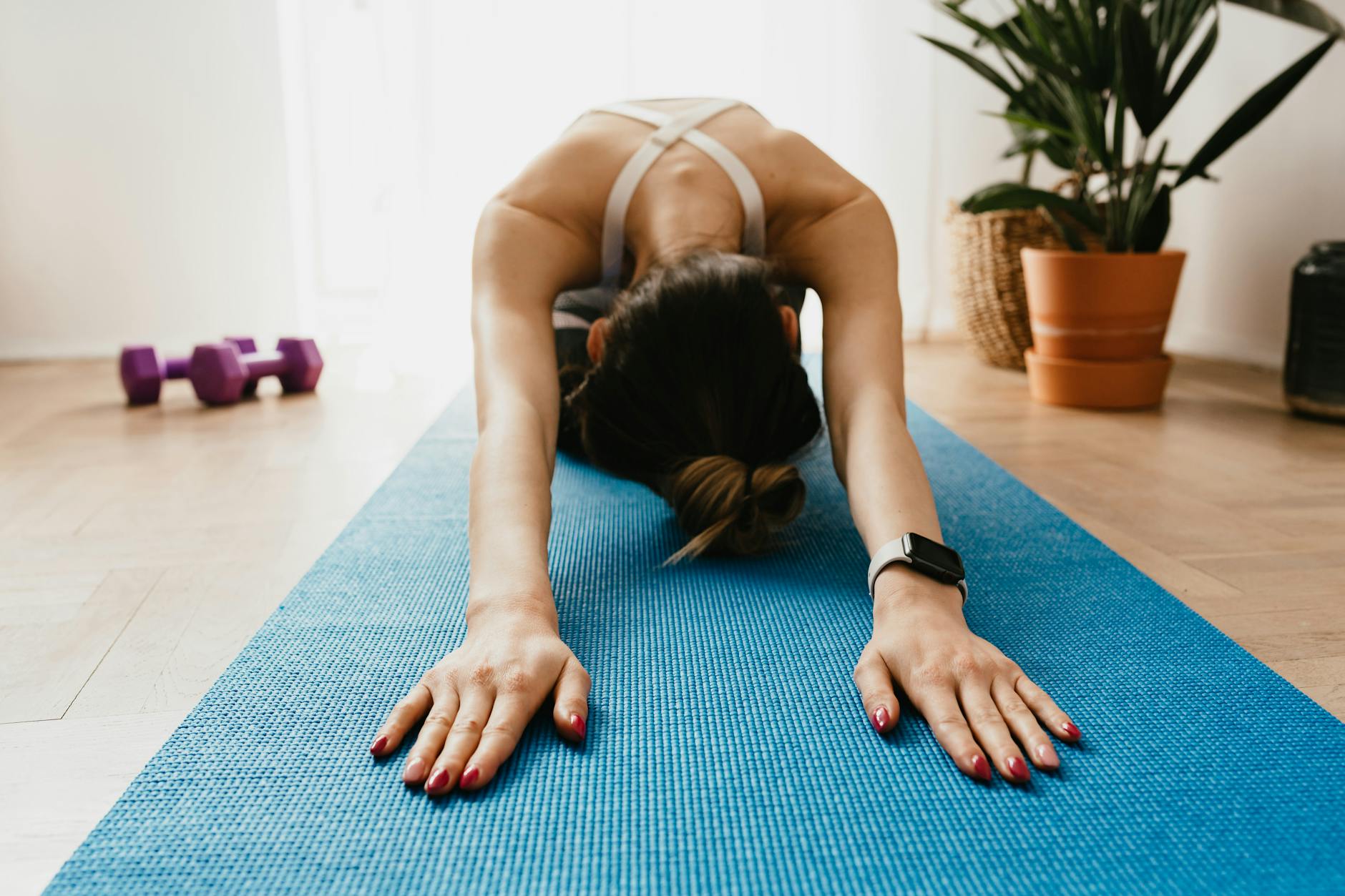
Child's Pose (Balasana)
- From hands and knees, bring your big toes together and spread your knees wide.
- Sink your hips back towards your heels and lower your torso between your thighs.
- Rest your forehead on the mat, extending your arms forward or bringing them back alongside your body.
- This is your resting pose, a sanctuary. Use it whenever you need a break or to recenter.
Modifications Are Your Best Friends
I cannot stress this enough: modifications are not a sign of weakness; they are a sign of wisdom. Using props like blocks, blankets, or even a sturdy chair can make poses accessible and allow you to experience their benefits without strain. For example, in Downward Dog, bending your knees deeply is a fantastic modification. If you can't reach the floor in a forward fold, place your hands on your shins or use blocks. Your body is unique, and your yoga practice should reflect that. Don't force anything; instead, adapt the pose to fit your body today. This is a core principle of Flexibility Exercise Examples: Boost Your Mobility Today! and holistic movement.
Crafting Your Own Mini-Sequence
Once you're familiar with these simple yoga poses, try linking them together. A beginner yoga sequence doesn't need to be long or complex. Start with Cat-Cow to warm up your spine, move into Downward Dog for a full body stretch, then transition to Child's Pose for rest. Repeat this a few times. Even 10-15 minutes of this kind of mindful movement can make a profound difference in how you feel, both physically and mentally. I've often found that these short, consistent practices are far more impactful than sporadic, hour-long sessions.
The Truth About Consistency (and How to Keep It)
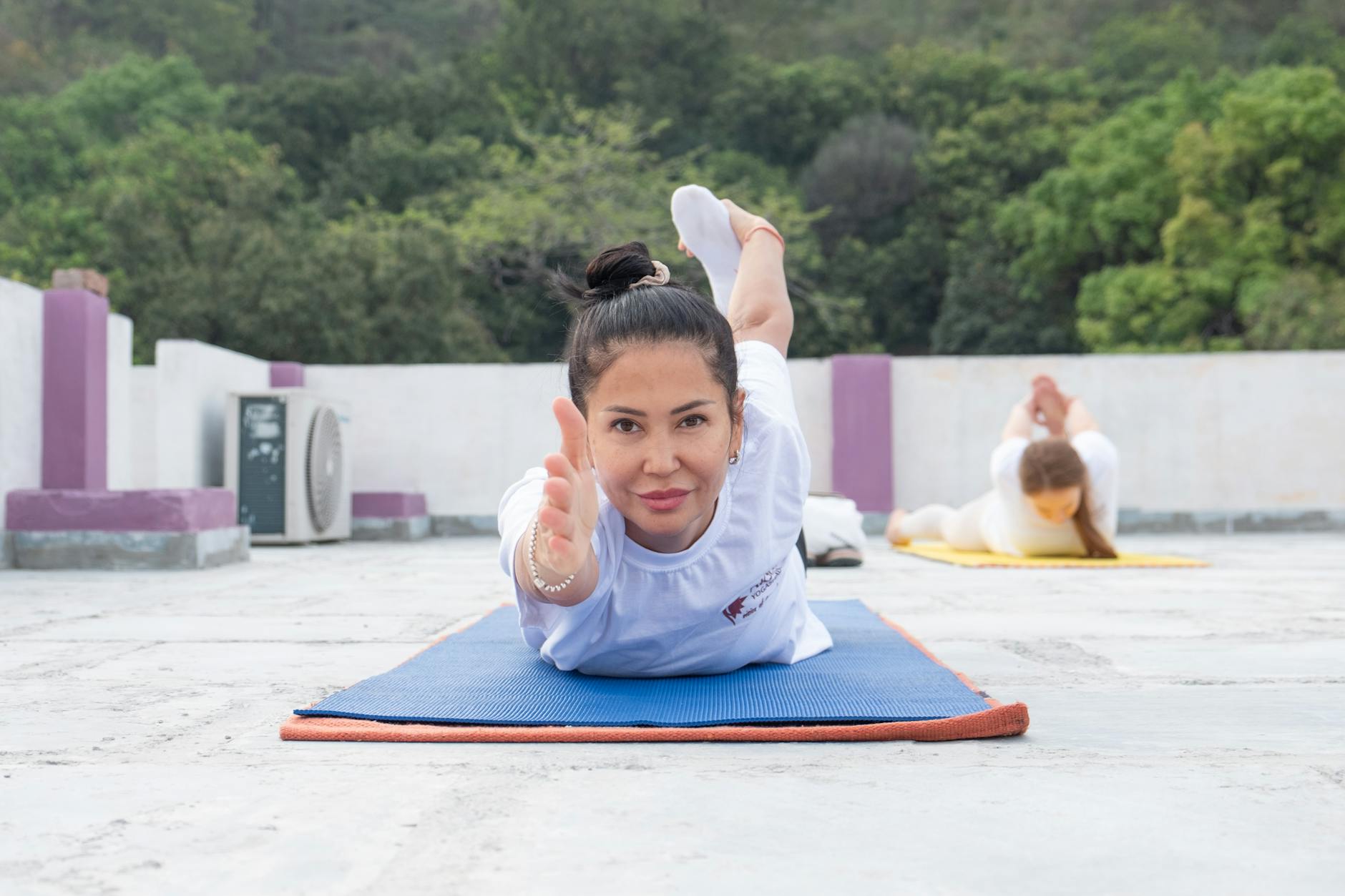
The greatest challenge with any new habit isn't starting, it's sticking with it. Yoga is no exception. Life gets in the way, motivation wanes, and suddenly, that mat in the corner starts collecting dust. But building consistency, even in small doses, is where the real transformation happens.
Overcoming the "I Don't Have Time" Excuse
We all have 24 hours in a day. The truth is, it's rarely about not having time; it's about not prioritizing. You don't need an hour every day. National Institutes of Health research on easy yoga for beginners suggests even short, regular bouts of physical activity are beneficial. Can you find 10 minutes? Five minutes? Even three minutes of mindful breathing and a few stretches can break the cycle of inertia. I used to tell myself I needed a perfect, uninterrupted block of time. Then I realized that a quick 15-minute session before my morning coffee made a bigger impact than waiting for a mythical free hour that never came. Look, if you can scroll social media for 10 minutes, you can do some gentle yoga for beginners.
Listening to Your Body, Not Your Ego
This one surprised me. I thought consistency meant pushing through pain, always striving for more. But with yoga, consistency means showing up for yourself, even when your body feels stiff, tired, or just "off." It means honoring those days when a restorative Child's Pose is all you can manage, instead of forcing yourself into a more challenging flow. Your body communicates with you constantly; our job is to learn its language. Pushing too hard, too fast, is a surefire way to get injured and derail your progress. Embrace the modifications, embrace the rest, and remember that every practice is different. Some days you'll feel like a graceful dancer; others, you'll feel like a rusty robot. Both are valid.
Beyond the Mat: Integrating Yoga into Daily Life
The lessons you learn on your yoga mat don't have to stay there. The awareness, the breath, the patience – these are tools that can enrich every aspect of your day, making you more resilient, focused, and present.
Breathing Techniques for Everyday Stress
One of the most immediate and profound yoga for stress relief techniques you'll learn is conscious breathing. Think about it: when you're stressed, your breath becomes shallow and rapid. By simply taking a few slow, deep breaths – inhaling deeply into your belly and exhaling fully – you can consciously shift your nervous system from "fight or flight" to "rest and digest." I use this all the time: before a big meeting, stuck in traffic, or even just when I feel my shoulders creeping up to my ears. It's an instant reset button, always available to you.
The Ripple Effect of a Regular Practice
Once you start a consistent yoga for absolute beginners practice, you’ll notice changes that extend far beyond your flexibility. You might find yourself sleeping better, having more sustained energy throughout the day, or even making healthier food choices without consciously trying. Your posture improves not just in poses, but when you're sitting at your desk or standing in line. Your emotional regulation gets better; those small annoyances that used to send you spiraling might now be met with a calm breath and a shrug. It's a subtle but powerful shift, a quiet confidence that starts to permeate everything you do. This increased body awareness also naturally leads to exploring other beneficial movements, like specific Hip Mobility Exercises: Improve Flexibility & Range of Mo....
Making Yoga Yours: Finding Your Tribe or Going Solo
The beauty of yoga is its adaptability. There's no single "right" way to practice. You can find a community that supports you, or you can cultivate a deep, personal practice in the comfort of your own home.
The Value of Beginner Yoga Classes Online: Start Your Yoga Journey Today!
For many, starting with an instructor, even virtually, provides invaluable guidance. A good teacher can offer personalized adjustments, explain the nuances of poses, and help you avoid common mistakes. Online platforms have made yoga incredibly accessible, allowing you to practice from anywhere, anytime. The structure of a class can also provide motivation and accountability, especially when you're just building the habit. I've learned so much from different teachers over the years, each bringing a unique perspective to the practice.
Embracing Yoga at Home: Your Personal Sanctuary
Once you've got a grasp of the basic poses and principles, practicing yoga at home becomes a truly liberating experience. You can choose your own music (or silence), wear whatever you want, and move at your own pace without any external pressure. This is where the practice truly becomes yours, an intimate dialogue between you and your body. I often find my most profound moments of clarity and peace happen during these solo sessions, where I can experiment, explore, and simply be.
Starting something new, especially something as deeply personal as yoga, can feel daunting. But remember that every expert was once a beginner, and every grand journey begins with a single, easy step. Don't chase perfection; chase consistency, curiosity, and compassion for yourself. Roll out that mat, take a deep breath, and allow yourself the grace to simply begin. You might be surprised by the incredible strength and serenity you discover within.