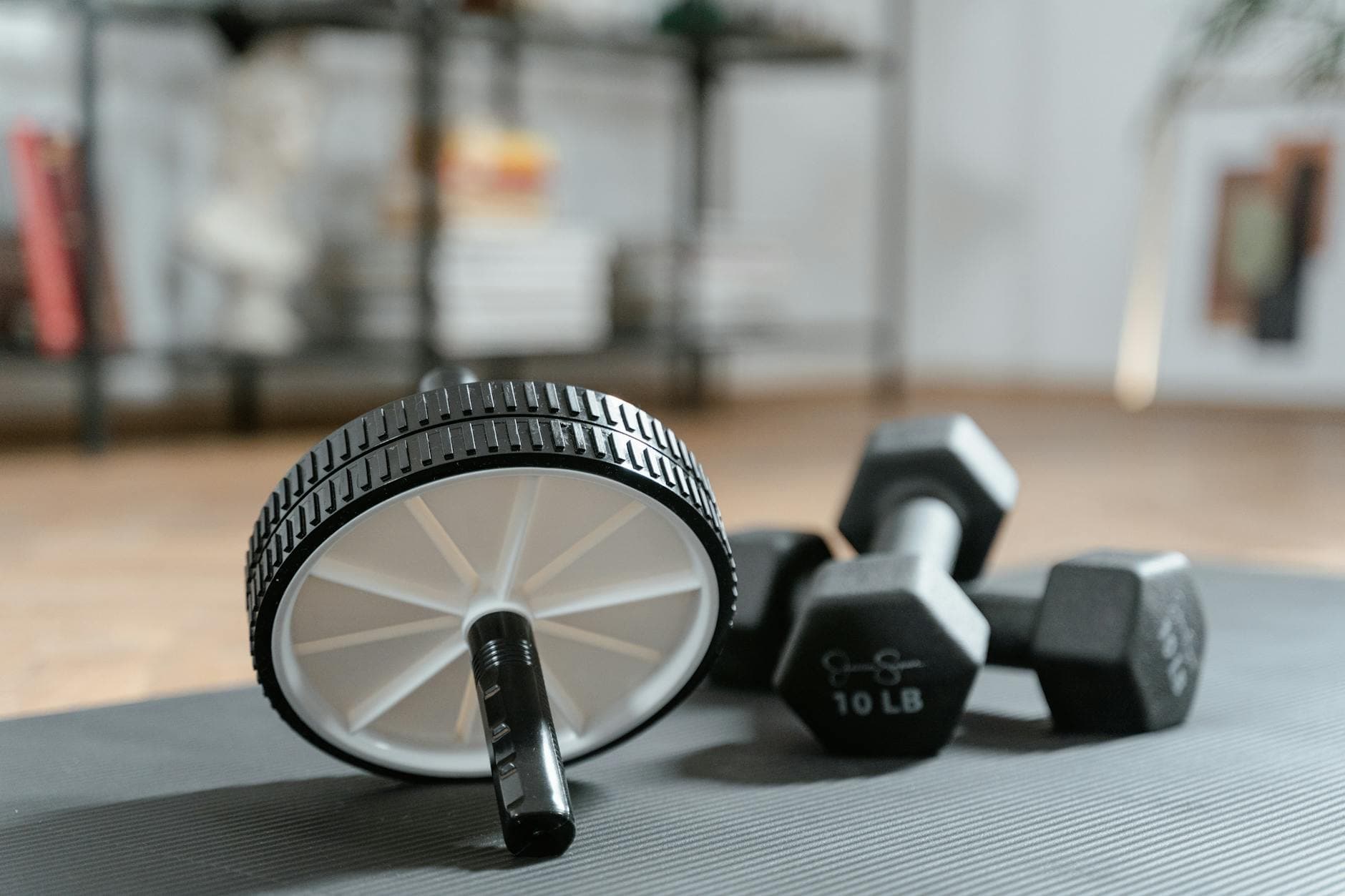
The air in my old gym used to hang heavy with the scent of chalk and sweat. I remember one sweltering summer afternoon, leaning against a dusty weight rack, feeling utterly defeated. I’d been chasing that elusive six-pack for months, religiously hitting the gym, doing endless crunches, and yet, my midsection stubbornly refused to cooperate. It felt like I was spinning my wheels, and the dream of a truly defined core seemed to be slipping further away with every failed attempt at a perfect plank. This is where many of you might find yourselves right now, staring at your reflection, wondering what’s missing from your **abs workout**.
Beyond the Crunches: Rethinking Your Abs Workout
It’s easy to fall into the trap of thinking that more crunches equal more defined abs. I certainly did. We see them everywhere: in magazines, on social media, promising quick fixes. But here’s the thing, and I’ll be real with you: the path to a strong, functional, and aesthetically pleasing core is far more nuanced than just mindlessly repeating the same abdominal exercises. It’s about understanding the entire core complex and how to engage it effectively.
The Myth of Spot Reduction
You’ve probably heard it before, but it bears repeating: you cannot target fat loss in one specific area. The idea of a "belly fat workout" that magically melts away the inches from your waistline is, frankly, a bit of a fantasy. While strengthening your abdominal muscles will make them more visible and contribute to a tighter appearance, the underlying layer of fat needs to be addressed through overall calorie deficit and consistent cardiovascular activity. Think of it this way: you can build a beautiful house, but if it’s covered in a thick layer of dust, no one will see the craftsmanship.
The True Definition of Core Strength
Your core isn't just your rectus abdominis – those coveted "six-pack" muscles. It’s a complex system involving your abdominals, obliques, lower back muscles, glutes, and even your diaphragm. A truly effective **abs workout** strengthens all these interconnected muscles, leading to better posture, reduced risk of injury, and improved athletic performance. It’s about building a stable foundation for every movement you make.

The Best Abs Exercises: A Holistic Approach
Forget the endless reps of basic crunches that often lead to neck strain. We need to incorporate exercises that challenge the core in multiple planes of motion and engage those deeper stabilizing muscles. This is where the real magic happens, building a resilient and powerful midsection.
Compound Movements for Maximum Impact
When I started incorporating compound exercises into my routine, that’s when I saw a significant shift. These aren't just "abs exercises" in the traditional sense, but they engage your core intensely as it works to stabilize your body.
Squats and Deadlifts
Sounds counterintuitive, right? But think about it. When you perform a deep squat or a heavy deadlift, your core has to brace and stabilize your spine against immense force. This is a functional strength that translates directly to everyday life and other training. I remember the first time I felt my entire trunk lock in during a heavy deadlift; it was a revelation.
Overhead Presses
Pushing weight overhead requires a strong, engaged core to prevent your lower back from arching. It’s a full-body movement that demands core control.
Targeted Abdominal Exercises That Actually Work
While compound lifts are crucial, we still need to dedicate time to directly targeting the abdominal muscles. But let's do it smarter.
The Plank Progression
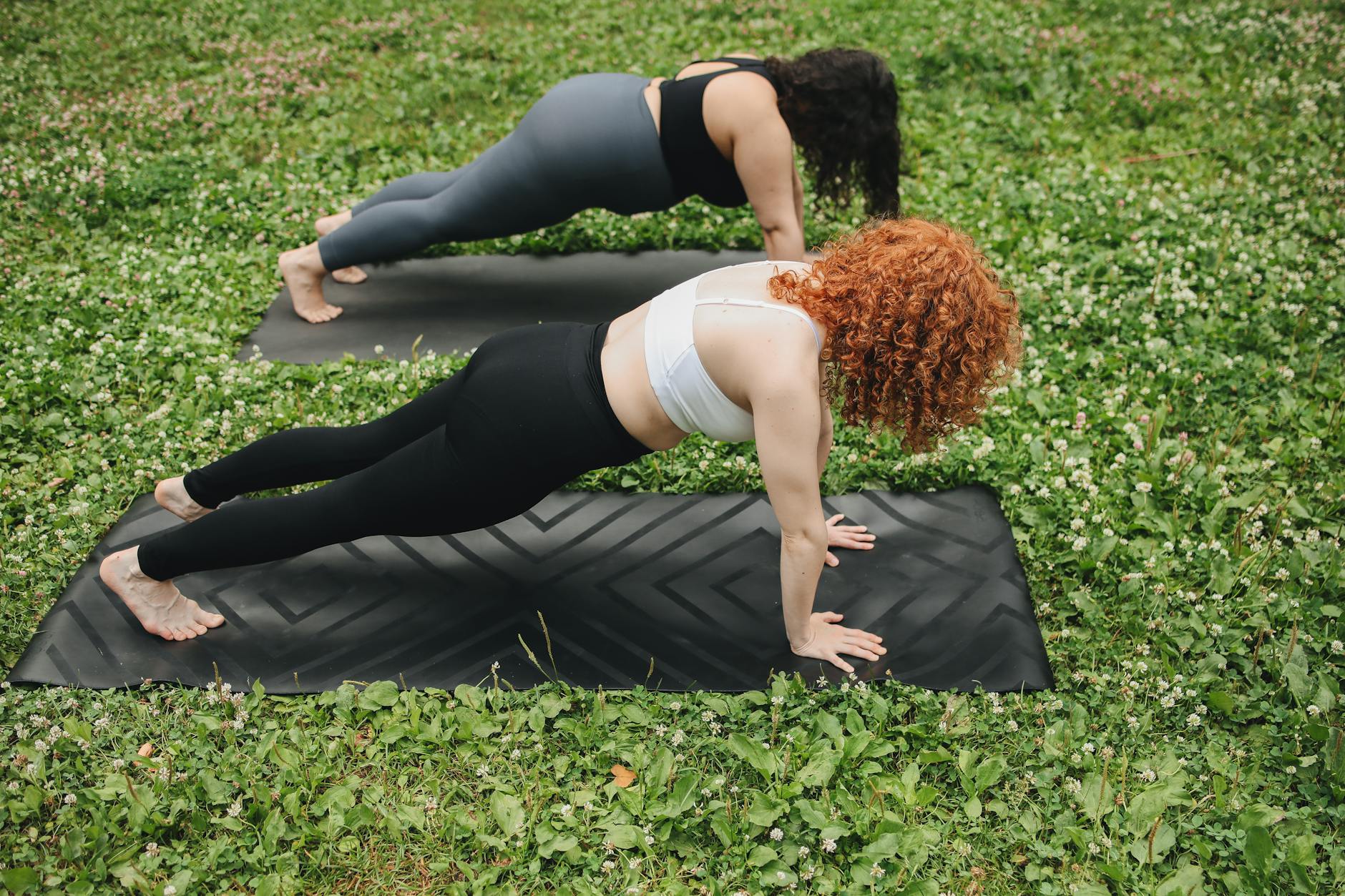
The classic plank is a fantastic isometric exercise. But don't just hold it. Progress to variations like the side plank, plank jacks, and dynamic planks where you alternate lifting arms or legs. This challenges your stability in new ways. I used to think holding a plank for two minutes was the goal, but I learned that varied, challenging planks were far more effective for building endurance and strength.
Leg Raises and Hanging Leg Raises
These target the lower portion of your rectus abdominis. For leg raises, focus on keeping your lower back pressed into the floor. Hanging leg raises, if you can manage them, are a serious challenge and incredibly effective for building that lower ab definition.
Russian Twists (with Proper Form!)
This exercise targets the obliques, the muscles on the sides of your waist. The key here is to rotate your torso, not just your arms, and to keep your core engaged throughout. Avoid the temptation to swing wildly; controlled movement is paramount.
Building Your Home Ab Workout Routine
You don’t need a fancy gym to get a killer **abs workout**. Many of the most effective exercises can be done right in your living room. This is where flexibility and consistency truly shine.
Creating a Balanced Routine
A good home ab workout should include exercises for:
- Rectus Abdominis (the “six-pack” muscles)
- Obliques (side abs)
- Transverse Abdominis (the deep stabilizing muscle)
- Lower Back and Glutes (essential for overall core stability)
Sample Beginner Ab Exercises Routine
If you’re just starting, focus on mastering the form of these fundamental movements:
Bodyweight Squats
Glute Bridges
Bird-Dog
Modified Plank (on knees if needed)
Crunches (focus on controlled movement, not speed)
The goal here is to build a base of strength and proprioception.
Advanced Variations for a Challenging Core Workout
Once you’ve got the basics down, it’s time to amp up the intensity:
Pistol Squat Progressions
Hanging Knee Raises
Bicycle Crunches
Wood Chops (using resistance bands or light weights)
This is where you really start to build that impressive core strength.

The Role of Pilates in Your Abs Workout
I’ll be honest, I was skeptical of Pilates for a long time. I thought it was too gentle, too focused on flexibility. But then I tried a few classes, and my perspective completely changed. Pilates, when done correctly, is an incredibly powerful tool for developing deep core strength and control. It’s not just about the aesthetic; it’s about building resilience from the inside out.
Understanding the Pilates Difference
Pilates emphasizes breath control, precise movements, and the engagement of the deep abdominal muscles, particularly the transverse abdominis. This is the muscle that wraps around your waist like a corset, providing incredible stability.
Floor Pilates Exercises
Many foundational Pilates exercises, like the Hundred, the Roll-Up, and the Single Leg Stretch, are performed on the floor. They meticulously work your abdominal muscles without putting undue stress on your neck or back. This is a fantastic way to build foundational core strength.
Pilates Chair Exercises
For those looking for an even greater challenge, the Pilates Chair offers a unique way to engage the core. The resistance of the springs forces your muscles to work harder to maintain control and stability, leading to rapid improvements in strength and definition.
The Unseen Enemy: Belly Fat and How to Tackle It
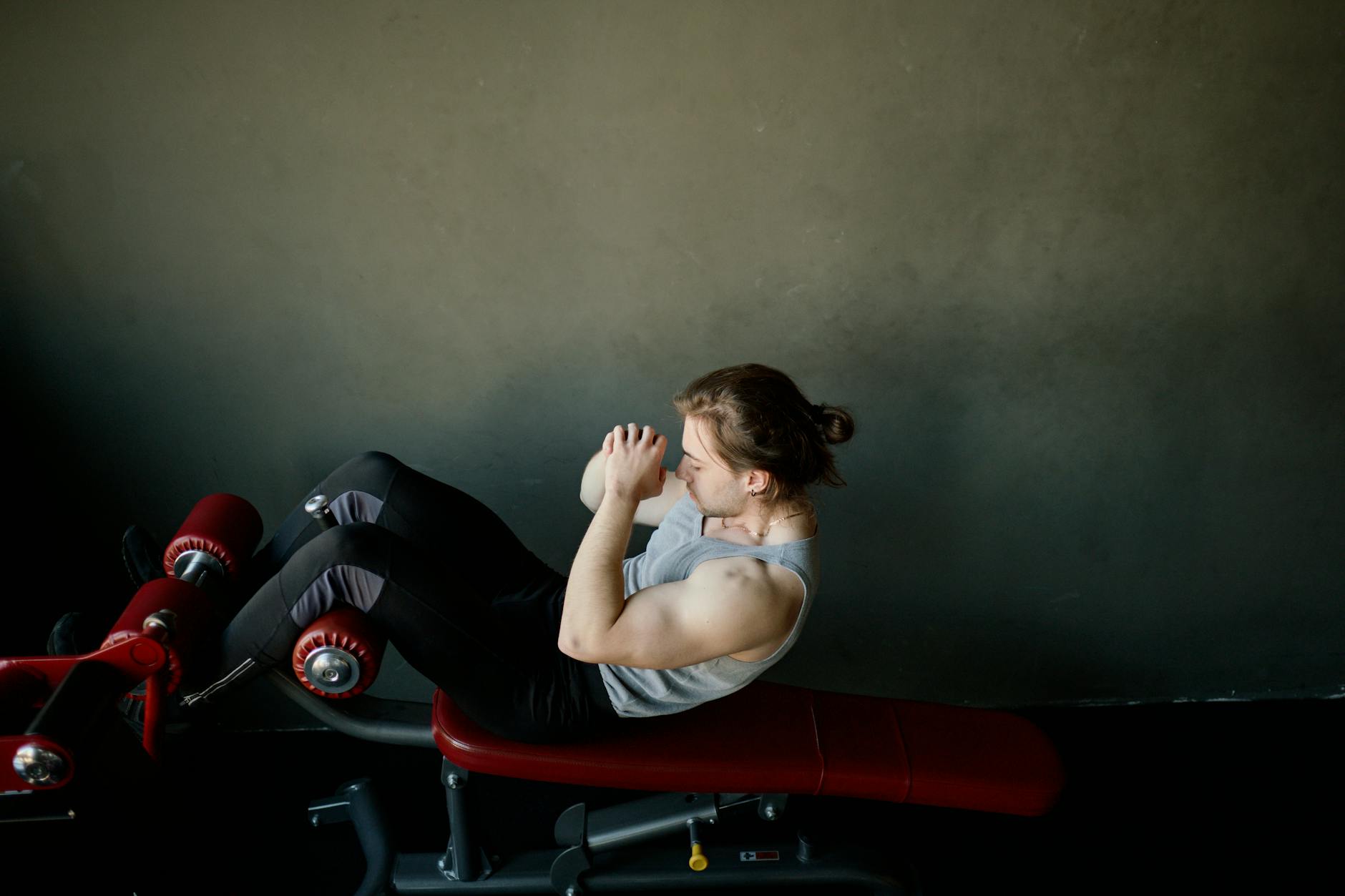
Let's talk about the elephant in the room for many: belly fat. Even with a strong core, excess body fat can obscure your abdominal muscles, preventing that desired "six-pack" appearance. This is where the concept of a "belly fat workout" truly needs to be reframed.
Nutrition is King
This is the hard truth: you cannot out-train a bad diet. No matter how intense your **abs workout** is, if you’re consuming more calories than you’re burning, you’ll struggle to lose that stubborn belly fat. Focus on whole, unprocessed foods, lean protein, plenty of vegetables, and healthy fats.
Cardio for Calorie Burn
While strength training builds muscle and boosts your metabolism, cardiovascular exercise is crucial for burning calories and creating the calorie deficit needed for fat loss. Find an activity you enjoy – running, swimming, cycling, brisk walking – and aim for consistency. Research from the Mayo Clinic consistently highlights the importance of diet and exercise for overall health and weight management.
Stress Management and Sleep
It might sound surprising, but chronic stress and lack of sleep can actually contribute to increased belly fat. Cortisol, the stress hormone, can signal your body to store more fat around your midsection. Prioritizing sleep and finding healthy ways to manage stress are therefore integral parts of any effective strategy to lose belly fat.
The Journey to a Stronger Core: Consistency Over Intensity
Building a strong, defined core isn't an overnight process. It requires patience, consistency, and a willingness to adapt your approach. I’ve seen countless people get discouraged because they don’t see results immediately. But the truth is, the most profound changes happen gradually.
Listen to Your Body
There will be days when you’re feeling strong and energetic, and days when you need to dial it back. Pushing through pain is rarely productive and can lead to injury. Learn to differentiate between muscle fatigue and actual pain.
Progress Gradually
Don't try to do too much too soon. As you get stronger, gradually increase the duration, intensity, or complexity of your exercises. This progressive overload is key to continued improvement. Consider exploring core strength workouts that offer a variety of challenges.
The Long Game
Think of your **abs workout** and overall fitness journey as a marathon, not a sprint. Celebrate the small victories – a slightly longer plank hold, an extra rep on a leg raise, feeling more stable during everyday activities. These are the building blocks of lasting change. The knowledge gathered from institutions like the National Institutes of Health supports the long-term benefits of consistent, well-rounded fitness programs.
Ultimately, the most effective **abs workout** is one that you can stick with, one that challenges you appropriately, and one that addresses your core as a complete system. It’s about building a body that is not only strong and capable but also resilient and healthy for years to come.