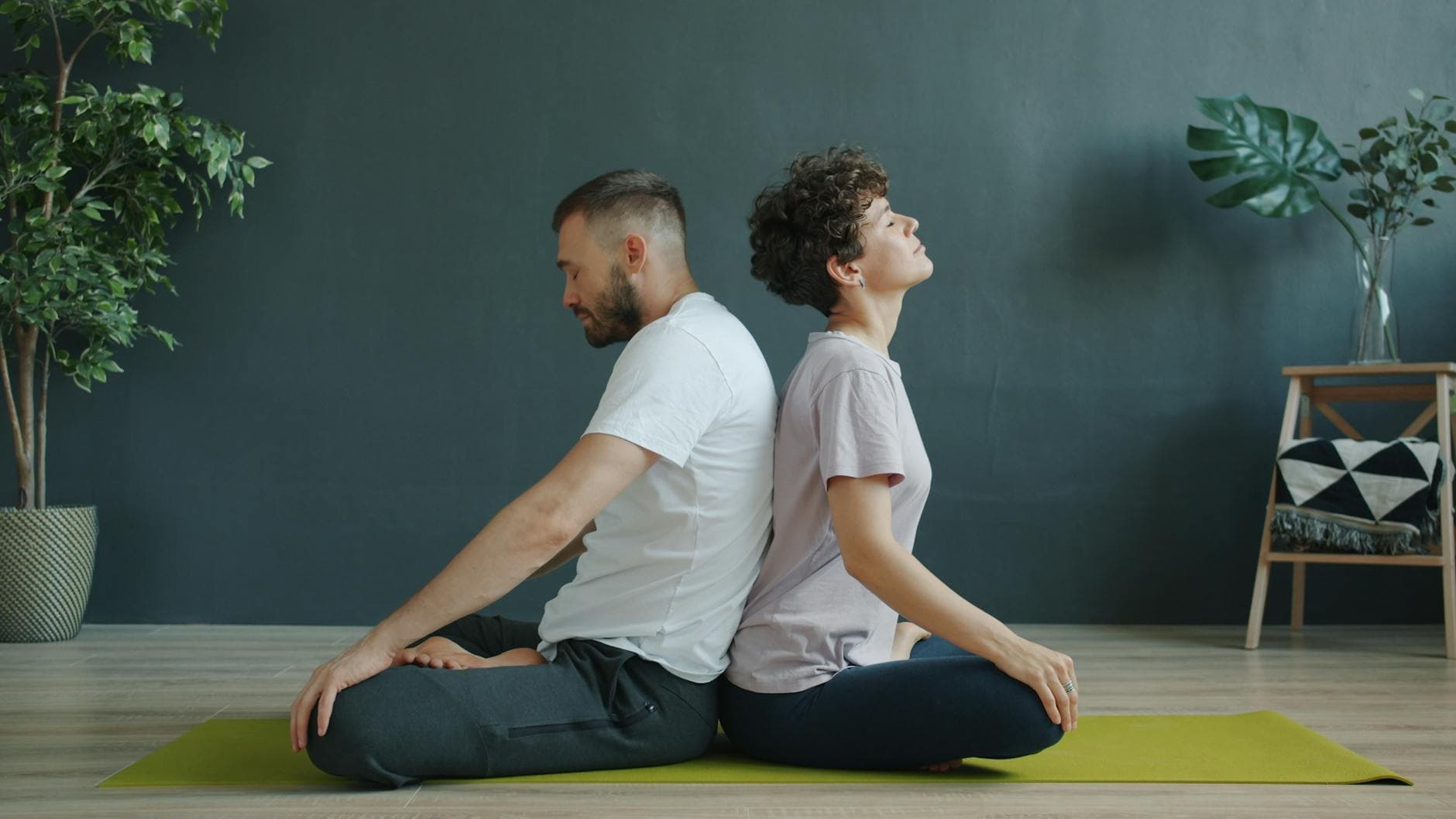
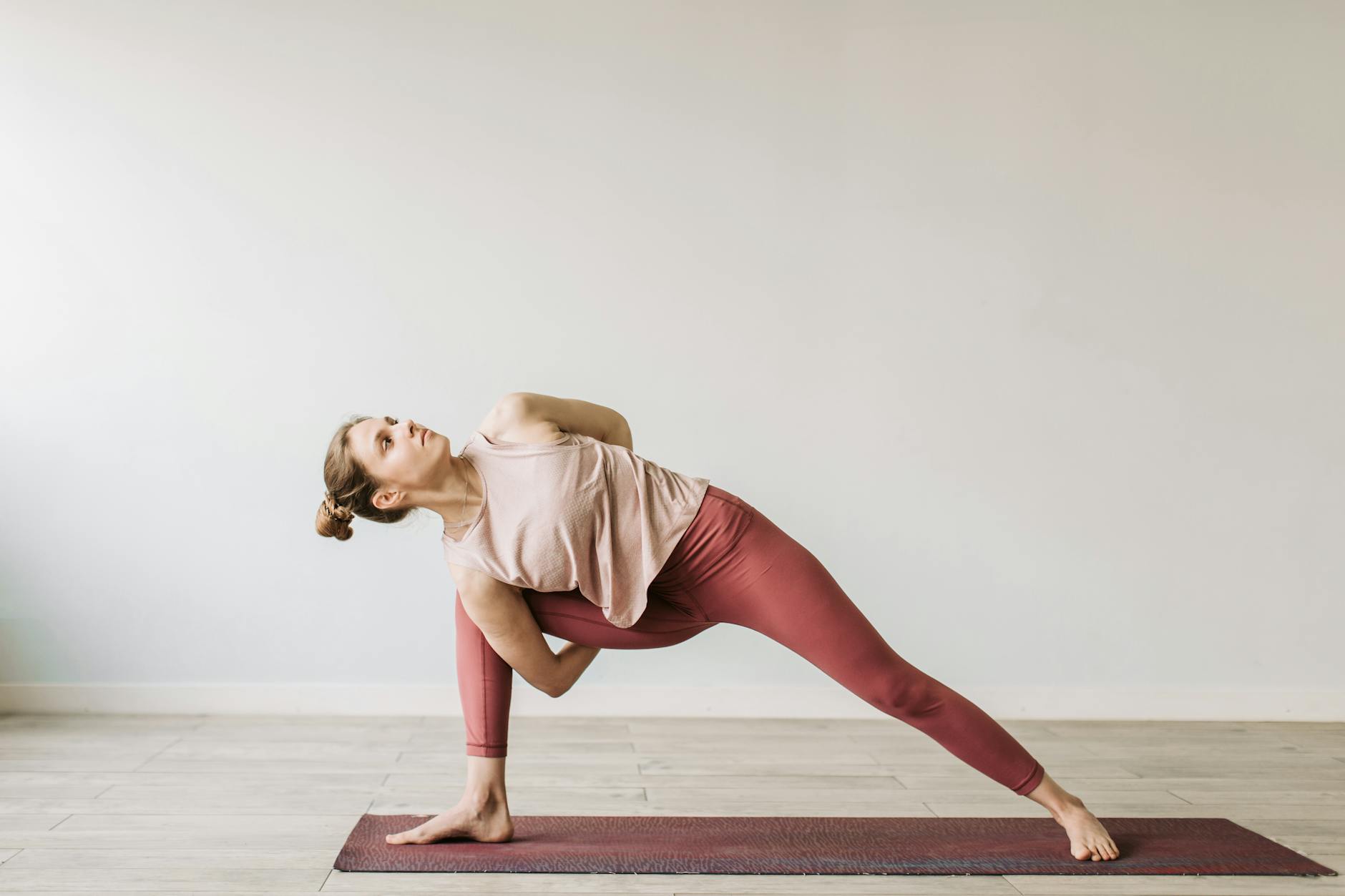
Most people think yoga is all about pretzel-like contortions and chanting. Honestly, that couldn't be further from the truth. The real power of yoga, especially for newcomers, lies in its accessibility and its profound ability to bring calm and strength to your everyday life. If you're feeling stiff, stressed, or just looking for a gentle way to move your body, exploring yoga poses for beginners is one of the best decisions you can make.
Getting Started with Yoga Poses for Beginners
Why Yoga Isn't Just for the Flexible
I'll be real with you, when I first tried yoga, I thought I'd just embarrass myself. I couldn't even touch my toes! But here's the thing: flexibility isn't a prerequisite for yoga; it's a result. The practice itself helps you gradually increase your range of motion. The goal isn't to be perfect, it's to be present.
Setting Up Your Practice Space
You don't need a fancy studio or expensive gear to start. A quiet corner in your living room, a yoga mat (or even a firm rug), and comfortable clothing are all you need. Make sure you have enough space to extend your arms and legs without hitting anything. Dim lighting and maybe some calming music can enhance the experience, but they aren't essential.
Mindset Matters: What to Expect
Expect to feel a little awkward at first. Expect to wobble. Expect some poses to feel surprisingly difficult. This is all normal. The most important thing is to listen to your body. Yoga is not a competition. It’s about self-discovery and building a better relationship with yourself. You might be wondering if these simple yoga poses can really make a difference, and the answer is a resounding yes.
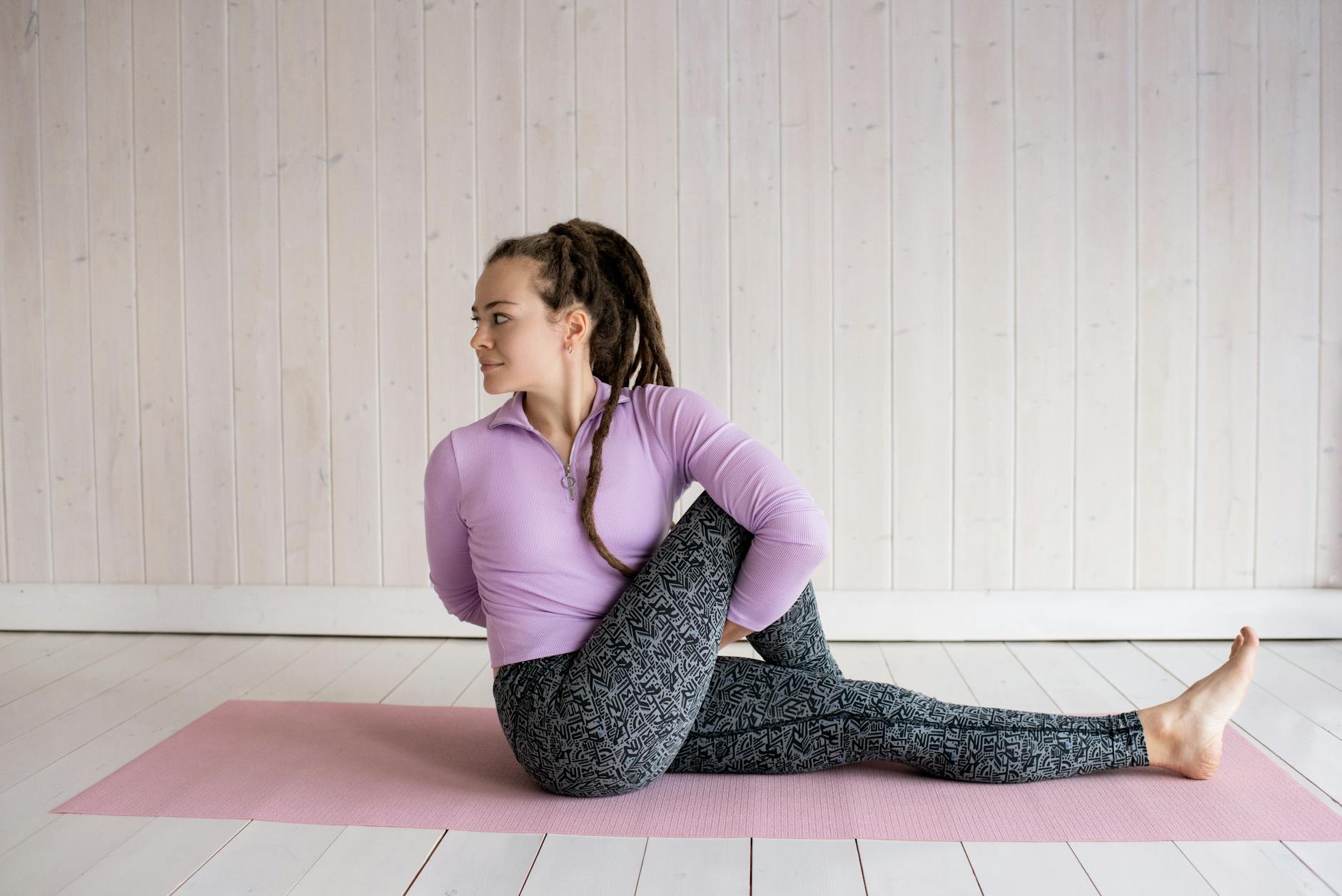
Fundamental Beginner Yoga Poses to Master
Mountain Pose (Tadasana): The Foundation of All Standing Poses
This might seem too simple to even be a pose, but Tadasana is crucial. Stand with your feet together or hip-width apart. Ground down through all four corners of your feet. Engage your thigh muscles, tuck your tailbone slightly, and lengthen your spine. Roll your shoulders back and down, letting your arms hang naturally by your sides, palms facing forward. Feel the strength and stability in your body. It's the bedrock for many other introductory yoga poses.
Downward-Facing Dog (Adho Mukha Svanasana): A Gentle Full-Body Stretch
This is a pose many people recognize. Start on your hands and knees, with your wrists directly under your shoulders and your knees directly under your hips. Tuck your toes and lift your hips up and back, forming an inverted V-shape with your body. Press firmly into your hands, spreading your fingers wide. Let your head hang heavy between your arms. You can keep a slight bend in your knees, especially if your hamstrings feel tight. The goal is to lengthen your spine and stretch your hamstrings and calves. This is a fantastic option for at home yoga poses.
Child's Pose (Balasana): Your Resting Sanctuary
When you need a break or a moment of calm, Child's Pose is your best friend. Kneel on your mat with your big toes touching. Separate your knees about hip-width apart, or wider if that feels more comfortable. Lower your torso down between your thighs, resting your forehead on the mat. You can extend your arms forward, palms down, or bring them back alongside your body, palms up. Breathe deeply into your back body. This pose is incredibly restorative and a perfect example of simple yoga poses that offer immense relief.
Cat-Cow Pose (Marjaryasana-Bitilasana): Spinal Mobility for All
This dynamic duo is excellent for warming up the spine. Start on your hands and knees in a tabletop position. As you inhale, drop your belly, lift your chest, and arch your back, looking slightly upward (Cow Pose). As you exhale, round your spine, tuck your chin to your chest, and draw your navel towards your spine (Cat Pose). Move fluidly between these two poses, coordinating your breath with your movement. This is one of the most accessible basic yoga postures.
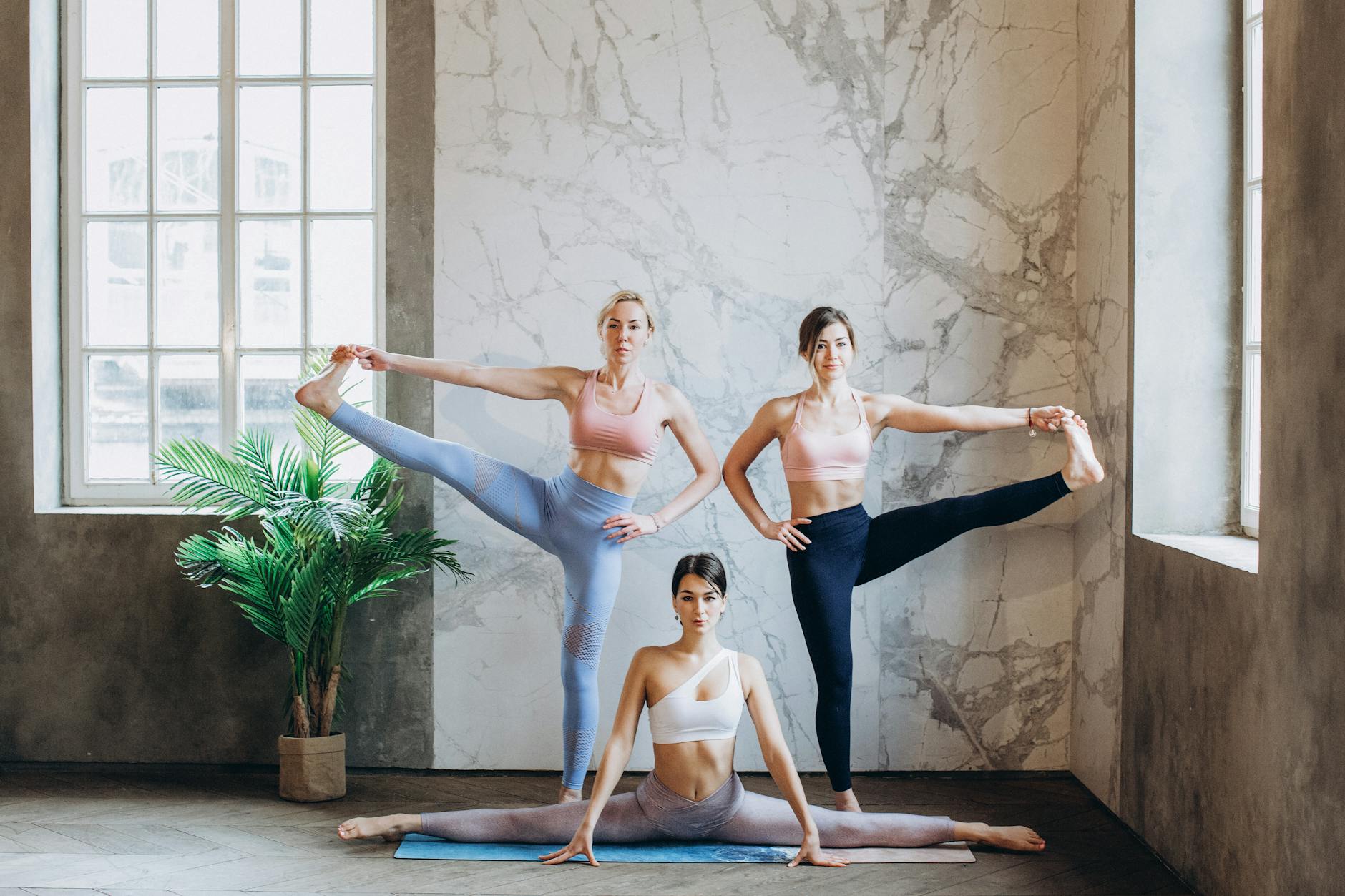
Poses for Strength and Stability
Warrior II (Virabhadrasana II): Empowering and Grounding
This pose builds strength in your legs and opens your hips. Step your feet about 3-4 feet apart. Turn your right foot out 90 degrees and your left foot in slightly. Align your right heel with the arch of your left foot. Bend your right knee directly over your right ankle, keeping your thigh parallel to the floor if possible. Extend your arms out to the sides at shoulder height, parallel to the floor, with your gaze over your right fingertips. Feel the power and stability radiating from your foundation. It's a great pose for building confidence.
Plank Pose (Phalakasana): Core Strength Essential
Plank is more than just a fitness challenge; it's a fundamental pose for building core strength. Start on your hands and knees. Step your feet back, so your body forms a straight line from your head to your heels. Your wrists should be directly under your shoulders. Engage your core by drawing your navel towards your spine. Avoid letting your hips sag or lift too high. If a full plank is too intense, you can modify by dropping your knees to the floor. This is a key pose for developing functional strength.
Tree Pose (Vrksasana): Balance and Focus
Tree Pose is a wonderful way to improve balance and concentration. Stand tall in Mountain Pose. Shift your weight onto your left foot. Bring the sole of your right foot to your inner left ankle, calf, or thigh (avoid pressing on the knee joint). Bring your hands to prayer position at your heart, or extend them overhead. Find a steady point to gaze at to help maintain your balance. This pose teaches you to find stillness amidst movement.
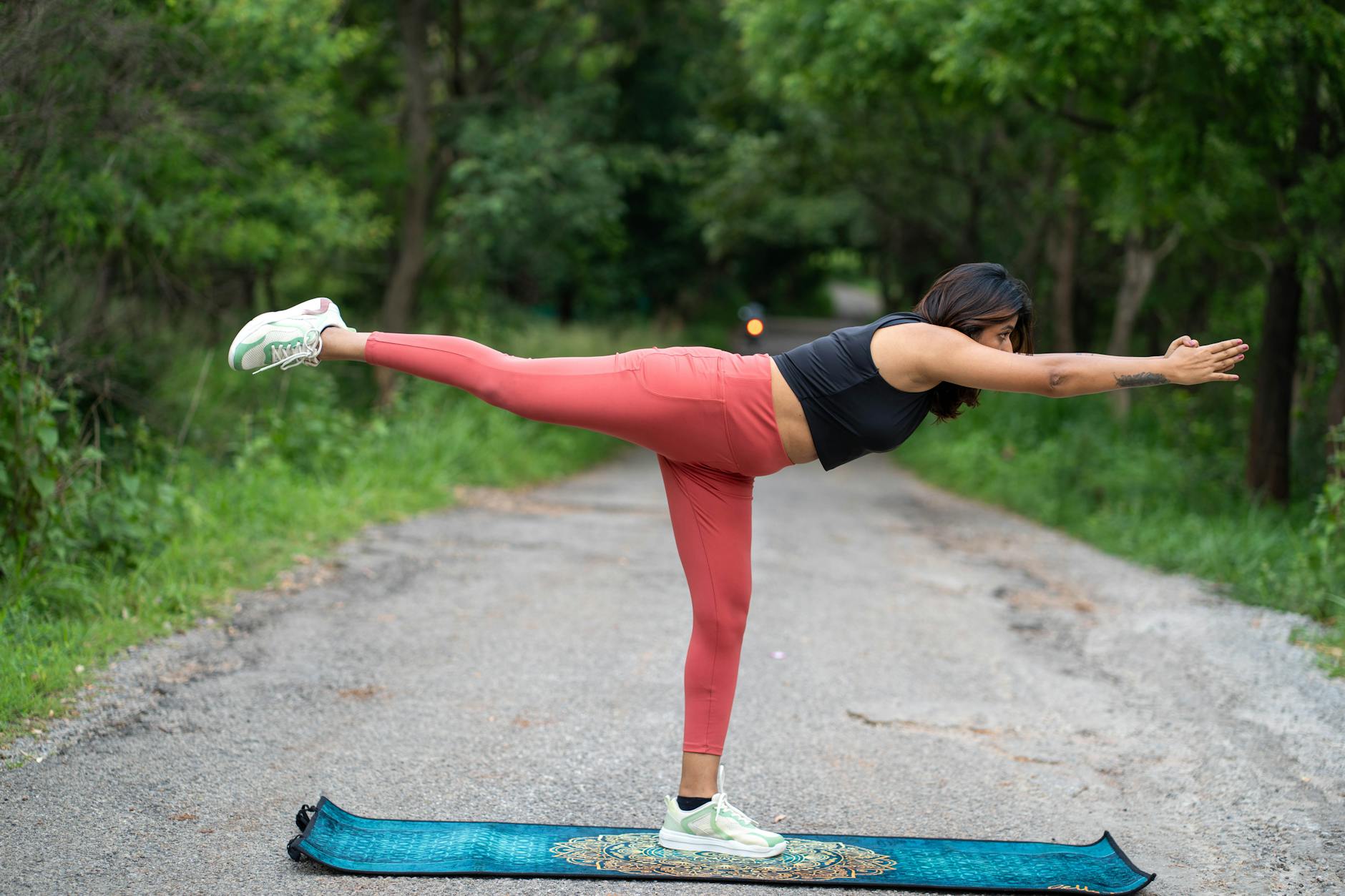
Poses for Flexibility and Stress Relief
Seated Forward Bend (Paschimottanasana): Calming the Mind
This pose is a fantastic hamstring and back stretch that can also induce a sense of calm. Sit on the floor with your legs extended straight in front of you. Flex your feet. Inhale and lengthen your spine. As you exhale, hinge at your hips and fold forward over your legs. You can rest your hands on your shins, ankles, or feet. It's okay if you can't touch your toes; the focus is on the stretch in your hamstrings and the release in your back. This is a classic among yoga poses for stress relief.
Supine Spinal Twist (Supta Matsyendrasana): Releasing Tension
This gentle twist is perfect for releasing tension in the spine and hips, especially after a long day. Lie on your back with your knees bent and feet flat on the floor. Draw your knees into your chest. Then, let your knees fall to the right side, keeping your shoulders grounded on the mat. Extend your left arm out to the side, and gently turn your head to look over your left shoulder. Hold for several breaths, then repeat on the other side. This is one of the easiest yoga poses for back pain.
Reclining Butterfly Pose (Supta Baddha Konasana): Opening the Hips
This restorative pose is a gentle hip opener and a wonderful way to relax. Lie on your back and bring the soles of your feet together, letting your knees fall open to the sides. You can place blocks or cushions under your knees for support if needed. Rest your arms by your sides or place one hand on your heart and the other on your belly. Allow your body to soften and release. This pose is incredibly effective for promoting relaxation and is often recommended by the Mayo Clinic research on yoga poses for beginners.
Integrating Yoga into Your Life
How Often Should You Practice Beginner Yoga Poses?
Consistency is more important than intensity. Even 15-20 minutes a few times a week can make a significant difference. Think about how you might integrate short sessions into your routine, perhaps before your morning coffee or as a way to unwind in the evening. If you're looking for a fitness boost, consider pairing it with something like HIIT workout plans for a well-rounded approach.
Listening to Your Body: The Golden Rule
This cannot be stressed enough. Your body will tell you what it needs. Some days you'll feel strong and energetic, other days you'll need more rest and gentle movement. Never push into pain. Modifications are your friends. There are countless ways to adapt poses to suit your current physical condition. The World Health Organization research on yoga poses for beginners often highlights the importance of listening to individual body signals.
Beyond the Mat: The Wider Benefits of Yoga
The benefits of yoga extend far beyond the physical. Regular practice can lead to improved mental clarity, reduced anxiety, better sleep, and a greater sense of self-awareness. It’s a holistic practice that nurtures both your physical and mental well-being. You might find that the calm you cultivate on your mat starts to permeate other areas of your life, much like the focus you build from fat burning abs exercises.
So, if you've been on the fence about trying yoga, I hope this gives you the nudge you need. Start with these basic yoga postures, be patient with yourself, and enjoy the process. You might be surprised at what you discover. Think about the last time you felt truly at peace in your own skin; yoga can help you find that feeling more often. For those looking to get active as the weather improves, exploring spring trail walking or outdoor interval training could be great complements to your yoga practice.