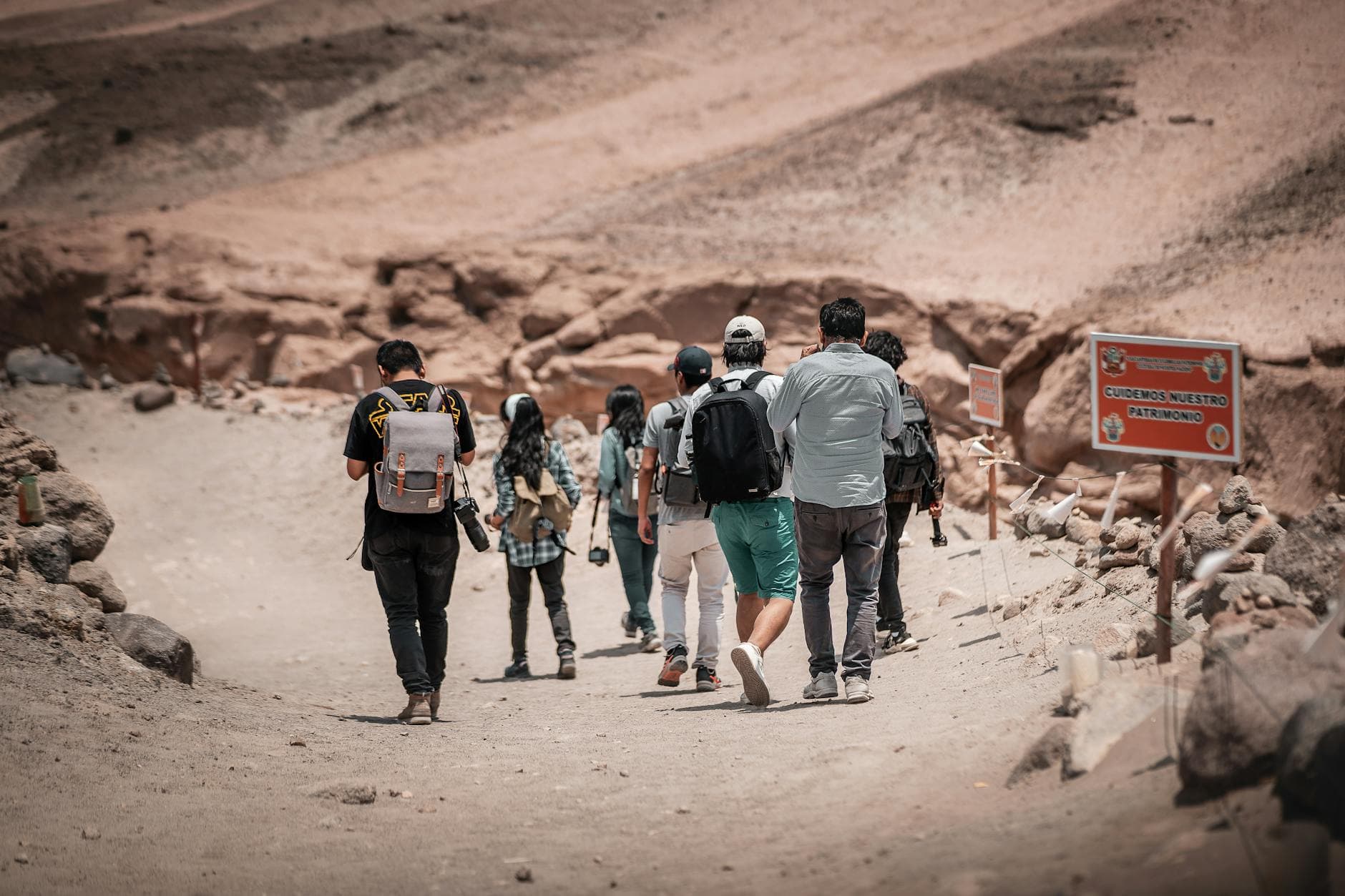
The air is crisp, the days are getting longer, and that familiar itch to hit the trails is back. For me, spring hiking is more than just a hobby; it's a complete reset button. I remember one particular April morning a few years ago. I’d been cooped up all winter, feeling a bit sluggish, and the city felt… gray. I laced up my boots, grabbed a light jacket, and headed for a local state park. Within an hour, surrounded by the fresh scent of damp earth and the vibrant green of new growth, I felt a transformation. That's the magic of spring hiking, and this comprehensive spring hiking guide is designed to help you experience it too.
Embracing the Spring Trail Awakening
Spring is a season of renewal, and the trails mirror that energy. It's a fantastic time for both seasoned hikers and those just dipping their toes into the world of outdoor adventure. This season offers a unique blend of challenges and rewards, from blooming wildflowers to unpredictable weather.
The Allure of Spring Trails
The visual spectacle alone is worth the effort. Think about the subtle shift from winter's stark beauty to spring's burgeoning life. You'll see delicate wildflowers pushing through the soil, birds returning with their cheerful songs, and the vibrant green of new leaves unfurling. It’s a sensory feast that can truly lift your spirits after a long winter.
Navigating Spring's Unique Conditions
Here's the thing: spring weather can be as fickle as a celebrity's mood. One day might be warm and sunny, perfect for a t-shirt, and the next could bring a chilly rain or even a late-season frost. Understanding these conditions is key to a safe and enjoyable hike. You’ll want to be prepared for mud, melting snow at higher elevations, and rapidly changing temperatures.
Why This Spring Hiking Guide Matters
My goal is to equip you with the knowledge and confidence to make the most of your spring hikes. I'll be real with you; my early hiking days were filled with guesswork and a few less-than-ideal experiences. This guide distills years of learning into actionable advice, so you can focus on the joy of being outdoors, not on worrying about what might go wrong.

Getting Started: Your First Spring Hike
If you're new to hiking, spring is an excellent entry point. The trails are often less crowded than in the peak of summer, and the cooler temperatures make physical exertion more manageable. This section focuses on the essentials for those taking their first steps onto the trail.
Choosing the Right Trail for Beginners
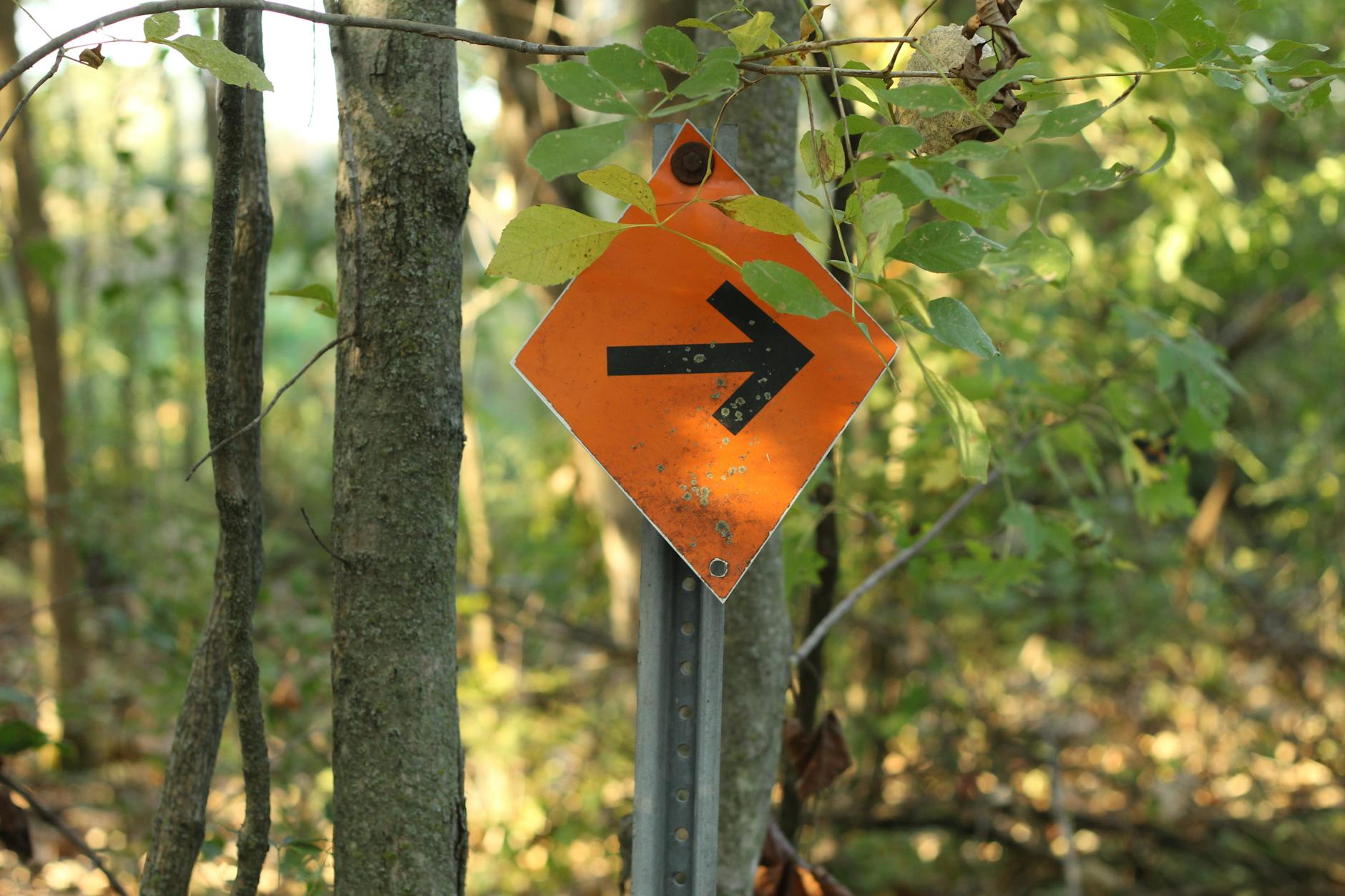
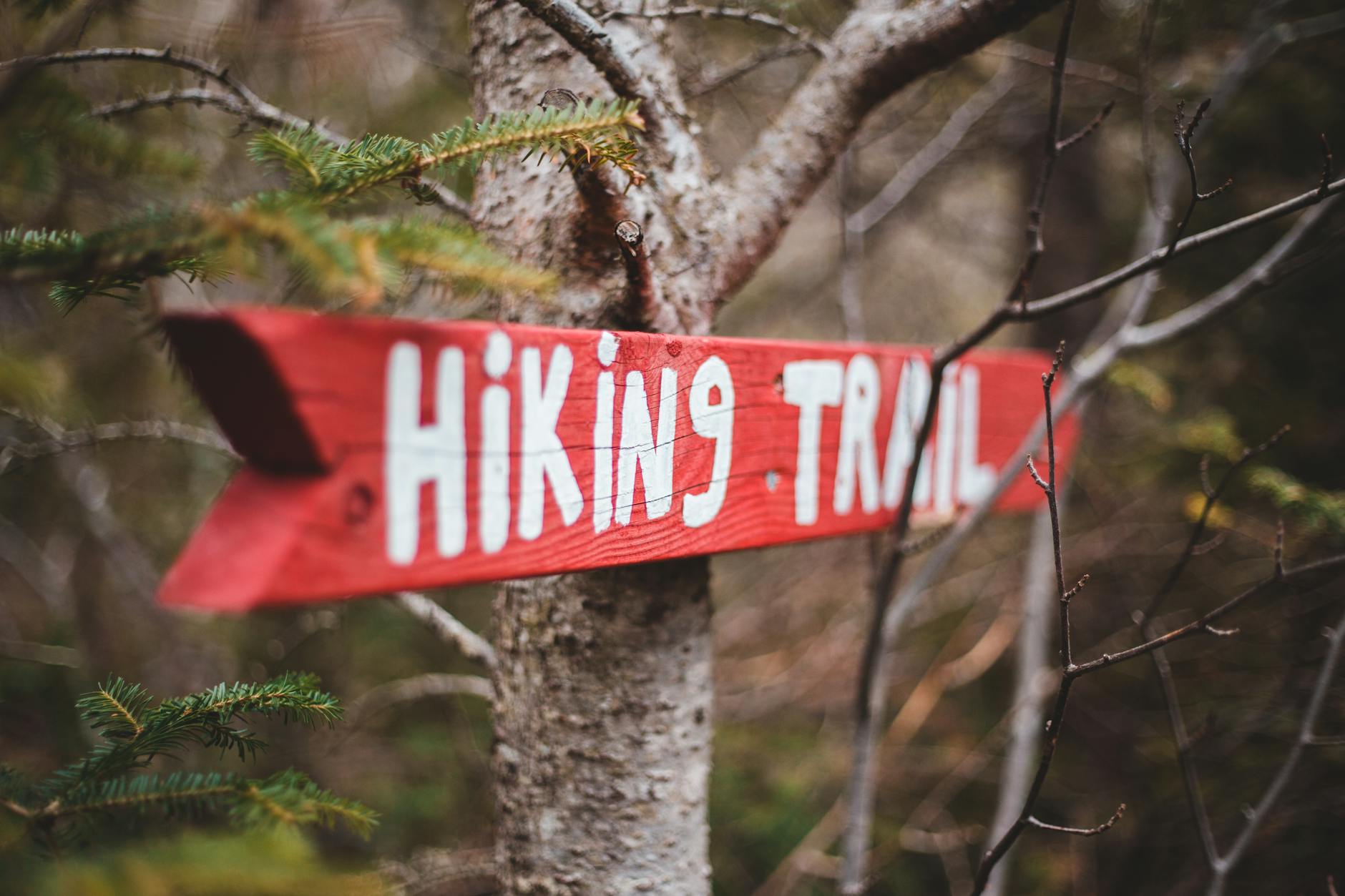
For your initial outings, opt for well-maintained, relatively flat trails with clear signage. Local parks and nature preserves are often ideal. Look for trails that are around 2-5 miles in length. This distance is challenging enough to feel like an accomplishment but not so long that it becomes overwhelming.
Essential Gear for Your First Outing
You don't need to break the bank on gear for your first few hikes. Start with the basics. A good pair of broken-in hiking boots or sturdy trail shoes are paramount. Comfortable, moisture-wicking socks are non-negotiable. A lightweight, breathable jacket is also a smart choice, as it can be layered or removed as needed.
Understanding Basic Trail Etiquette
Respecting the trail and other hikers is crucial. Always stay on marked paths to protect fragile vegetation. Yield to uphill hikers. Pack out everything you pack in, including all trash. A simple smile and a nod to fellow hikers go a long way in fostering a positive atmosphere.
Hiking Gear for Spring: Layering is Key
Spring weather demands adaptability, and your clothing choices should reflect that. This is where the art of layering truly shines, allowing you to adjust to fluctuating temperatures and conditions.
The Power of the Three-Layer System
This is a fundamental concept in outdoor clothing. The base layer wicks moisture away from your skin. The mid-layer provides insulation. The outer layer protects you from wind and rain. For spring hiking, you might wear a synthetic or merino wool base layer, a fleece or lightweight puffy jacket as your mid-layer, and a waterproof, breathable shell as your outer layer.
What to Wear for Spring Hiking: Specifics
Avoid cotton at all costs. It absorbs moisture and stays wet, making you cold and uncomfortable. Opt for synthetic fabrics or merino wool for your base layers. For your legs, convertible pants that zip off into shorts can be incredibly versatile. A wide-brimmed hat or baseball cap is good for sun protection, and sunglasses are a must.
Footwear: Your Most Important Decision
Your feet will thank you for investing in good footwear. For spring hiking, especially if trails are muddy or you anticipate crossing streams, waterproof hiking boots are a solid choice. If you know the terrain will be dry and well-maintained, trail running shoes might suffice. The most important thing is that they are comfortable and have good traction. I used to think any old sneaker would do, but I learned my lesson quickly on a slippery, muddy descent!
Spring Trail Safety: Be Prepared, Be Aware
Safety is always the top priority, and spring presents its own set of considerations. Being prepared and aware will ensure your hiking adventures are positive and memorable.
Understanding Spring Weather Hiking Hazards
Sudden thunderstorms can develop quickly, especially in mountainous regions. Hypothermia is a risk even in milder temperatures if you get wet and cold. Be aware of changing trail conditions, such as slippery mud, ice patches at higher elevations, or swollen streams. This is where consulting weather forecasts immediately before your hike is vital.
What to Pack: Day Hiking Essentials
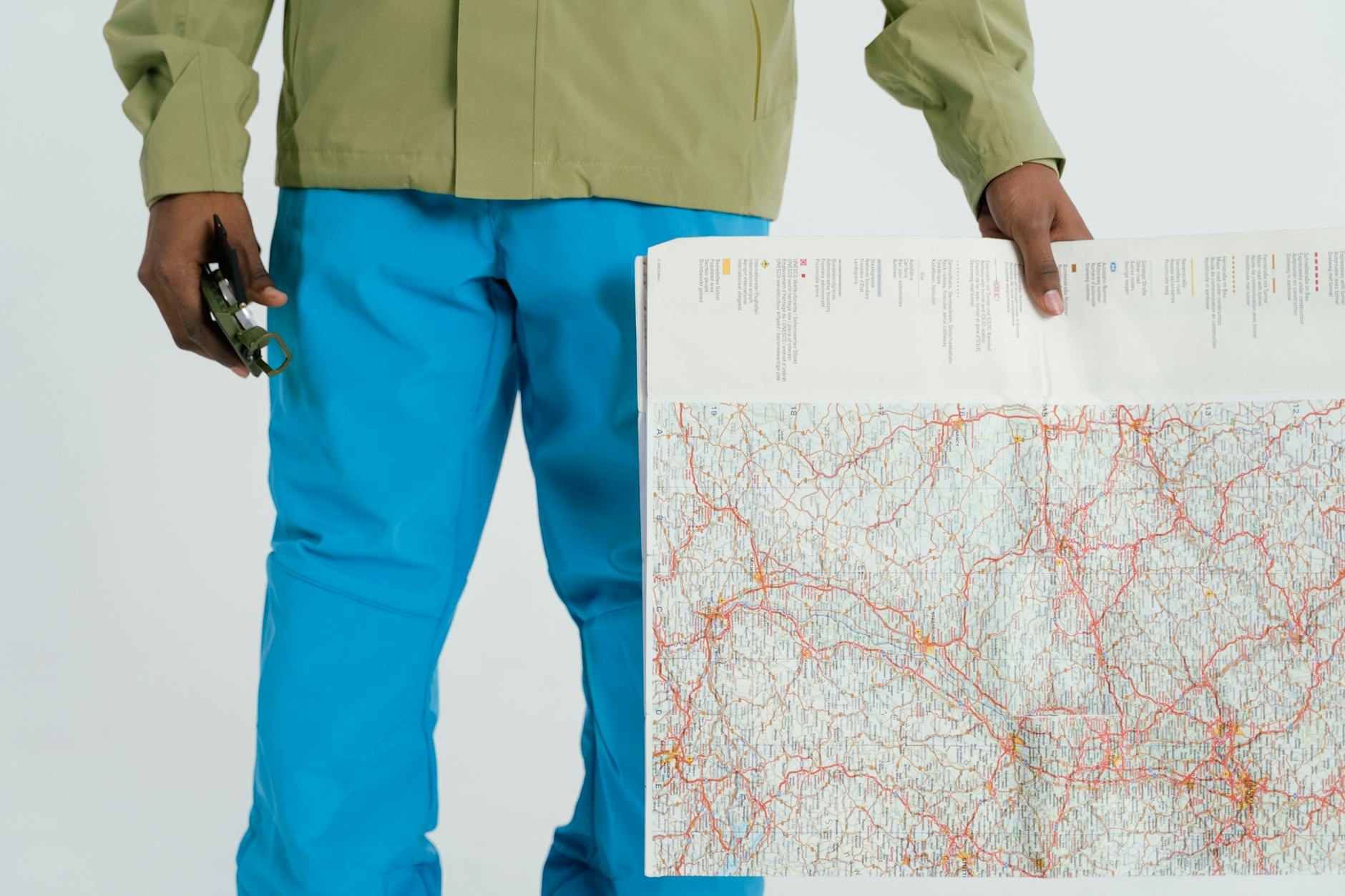
Beyond your clothing layers, a few key items are essential for any day hike. A backpack to carry everything is a given. You’ll need plenty of water – more than you think you’ll need. High-energy snacks like nuts, dried fruit, and energy bars are crucial. A basic first-aid kit, including bandages, antiseptic wipes, pain relievers, and any personal medications, is a must. Don't forget a map and compass (and know how to use them), a headlamp or flashlight, sunscreen, and insect repellent.
First-Time Hiker Tips for a Safe Experience
Always tell someone where you are going and when you expect to be back. Hike with a buddy, especially when you're starting out. Start with shorter, easier trails and gradually increase the difficulty. Listen to your body – if you feel tired, take a break. If you're unsure about a trail section, it's often better to turn back.
Beyond the Basics: Enhancing Your Spring Hikes
Once you've got the fundamental gear and safety practices down, you can start thinking about how to make your spring hikes even more rewarding. This might involve incorporating other fitness activities or focusing on specific aspects of the experience.
The Benefits of a Pre-Hike Workout Routine
Building a solid fitness base will make your hikes more enjoyable and less strenuous. A good leg workout routine can strengthen the muscles you'll rely on most. Incorporating some cardiovascular exercise, like Spring HIIT workouts or even just brisk walking, will improve your stamina. For true beginners, a beginner workout routine can be a gentle introduction to building strength and endurance.
Incorporating Hiking into a Fitness Plan
Hiking is a fantastic full-body workout, engaging your legs, core, and even your arms if you use trekking poles. It's also a wonderful way to incorporate movement into a Spring fat burning challenge. Think of it as active recovery or a sustainable way to burn calories while enjoying nature. If you find you love the trails, you might even consider Spring trail running down the line.
Mindfulness and Enjoyment on the Trail
Don't just power through your hike. Take moments to pause, breathe, and observe your surroundings. Notice the details – the intricate patterns of moss on a rock, the way sunlight filters through the trees, the sound of a distant stream. This mindful approach can deepen your connection with nature and enhance the restorative benefits of hiking.
Preparing for Your Spring Hiking Adventures
To truly thrive on the trails this spring, a little planning goes a long way. This isn't just about packing the right gear; it's about a holistic approach to how to prepare for a hike that sets you up for success.
Assessing Trail Conditions Before You Go
Before you even leave the house, do your homework. Check recent trail reports online or call the park ranger station. This will give you insights into mud levels, snowmelt, downed trees, or any other potential obstacles. Understanding these conditions allows you to adjust your gear and expectations accordingly.
The Importance of Hydration and Nutrition
Proper hydration is critical, especially as temperatures rise. Start hydrating the day before your hike, not just the morning of. For longer hikes, bring electrolyte supplements or powders to add to your water. Snacks should be calorie-dense and easy to digest. Think about what your body needs to sustain energy over several hours.
Mental Preparation: Setting Realistic Expectations
It's easy to get swept up in the excitement and plan an overly ambitious hike. Be honest with yourself about your current fitness level and experience. A successful hike is one where you feel accomplished and energized, not depleted and sore. Setting realistic expectations helps prevent disappointment and ensures you'll want to go out again soon. Research from the Centers for Disease Control and Prevention often highlights the importance of gradual progression in physical activity.
Spring hiking is an invitation to reconnect with the natural world and with yourself. It’s a season of vibrant life and fresh starts. By following this spring hiking guide, you're not just learning about gear and safety; you're building a foundation for a lifelong enjoyment of the trails. So, lace up those boots, embrace the unpredictable beauty of spring, and step out into the wild. Your next adventure awaits.