
There's a persistent myth that as soon as the weather warms up, you have to ditch your indoor fitness routine and suddenly become an outdoor warrior. While embracing the sunshine is fantastic, the idea that you can't get an incredibly effective workout indoors or that outdoor workouts *must* be long and leisurely is just not true. The real magic happens when you combine the efficiency of high-intensity interval training with the fresh air and energy of spring. That's where spring hiit workouts come in, offering a powerful way to boost your fitness and make the most of the season.
Why Spring is Prime Time for HIIT
The Seasonal Shift and Your Motivation
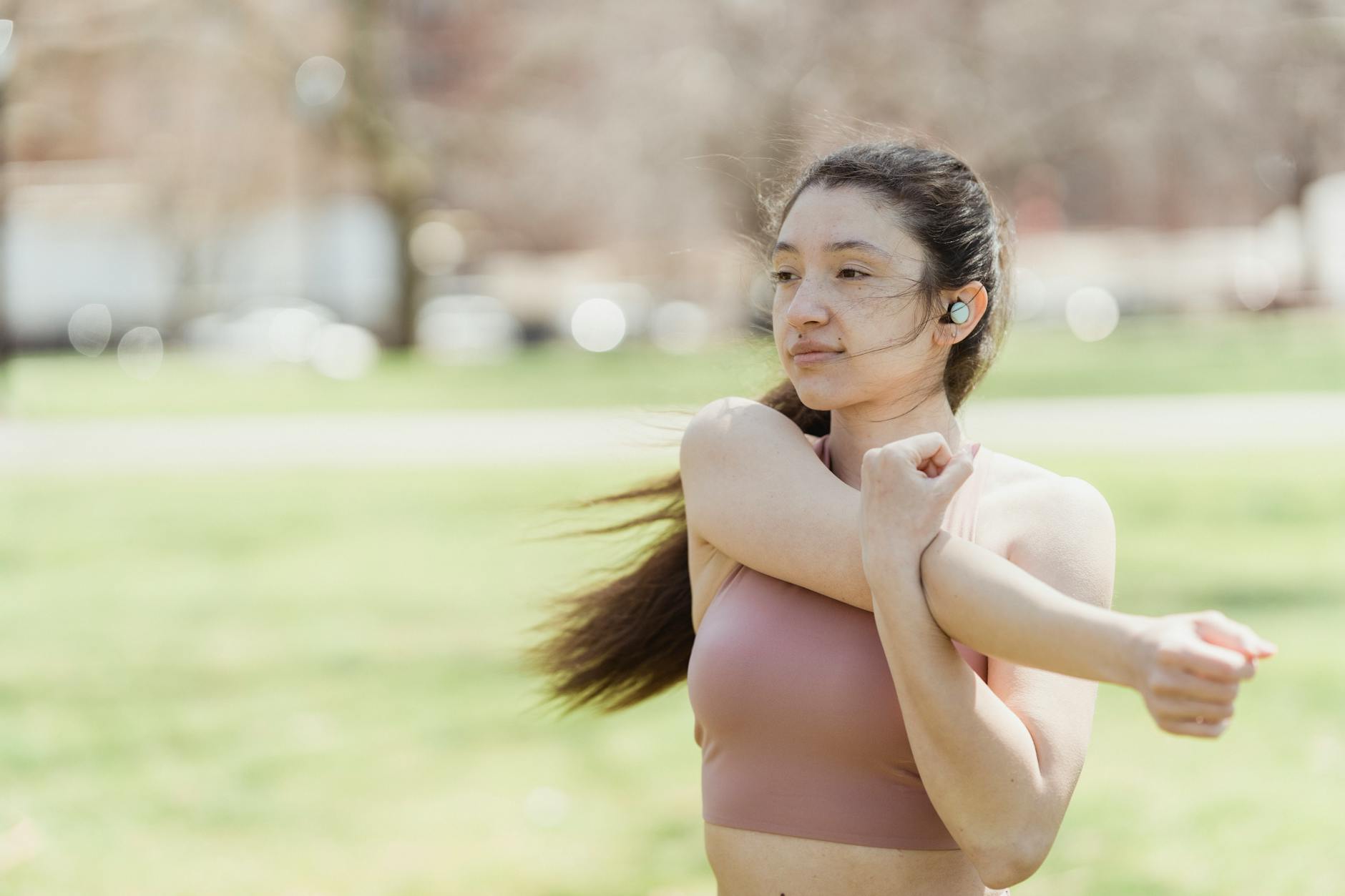
You've probably noticed it yourself – that subtle shift in the air, the longer days, the urge to shed those winter layers. This natural reawakening can be a massive motivator for your fitness. After months of being cooped up, the prospect of hitting the park or your backyard for a workout feels way more appealing than staring at the same four walls.
This is precisely why focusing on spring hiit workouts makes so much sense. HIIT, by its very nature, is short, sharp, and incredibly effective. It doesn't demand hours in the gym, making it the perfect complement to a season that encourages us to be more active outdoors. You can squeeze in a killer session before work, during your lunch break, or as the sun starts to set.
Maximizing Your Outdoor Workouts
When you think about outdoor fitness, you might picture long hikes or leisurely bike rides. While those are great, they don't always pack the punch of an interval-style workout. Outdoor hiit training allows you to tap into the benefits of being outside – fresh air, vitamin D, and a change of scenery – while still getting that heart-pumping, calorie-burning effect that HIIT is known for.
Think about the last time you felt truly energized after a workout. That's the kind of feeling we're aiming for. HIIT is brilliant at delivering that, and when you can do it under an open sky, it’s even better. It’s about smart training, not just more training, and using the season to your advantage.
Beyond Just Cardio: Functional Fitness Spring
The beauty of incorporating HIIT into your spring fitness routine is its versatility. It's not just about pounding the pavement or sprinting. You can integrate movements that build strength, improve agility, and enhance your overall functional fitness. This means you're not just getting fitter; you're getting more capable in your everyday life.
This focus on functional movements is key. It's about preparing your body for whatever life throws at it. Whether it's carrying groceries, playing with kids, or tackling a weekend adventure, a well-rounded HIIT program will serve you well. It’s a holistic approach to getting you ready for the active months ahead.
Crafting Your Spring HIIT Workouts
The Core Principles of Effective Intervals
At its heart, HIIT is about alternating between periods of intense effort and brief recovery. The "high intensity" part is crucial; you should be pushing yourself to about 80-90% of your maximum effort during these work intervals. This is where you see the biggest gains in cardiovascular fitness and fat burning. Then, you rest or perform low-intensity recovery for a period that's typically equal to or slightly longer than your work interval.
It's a delicate balance. Too short a rest, and you won't be able to recover enough to maintain intensity. Too long, and you lose the "high-intensity" aspect of the interval. This is why experimentation is key to finding what works for your current fitness level. National Institutes of Health research on spring hiit workouts suggests that varied work-to-rest ratios can be highly effective for different fitness goals.
Structuring Your Sessions for Maximum Impact
When designing your spring hiit workouts, consider the duration of your work and rest periods. For beginners, starting with a 30-second work, 30-second rest ratio is a solid entry point. As you get fitter, you can gradually increase the work time, decrease the rest, or introduce more complex exercises. An example might be 45 seconds of burpees followed by 15 seconds of rest, repeated for several rounds.
Remember, consistency is more important than intensity on day one. Aim for 2-3 HIIT sessions per week, allowing at least a day of rest or lower-intensity activity in between to prevent overtraining. This allows your body to adapt and rebuild, making you stronger for your next session. It’s about progress, not perfection, especially when you're just starting out.
The Power of Bodyweight HIIT Outdoors
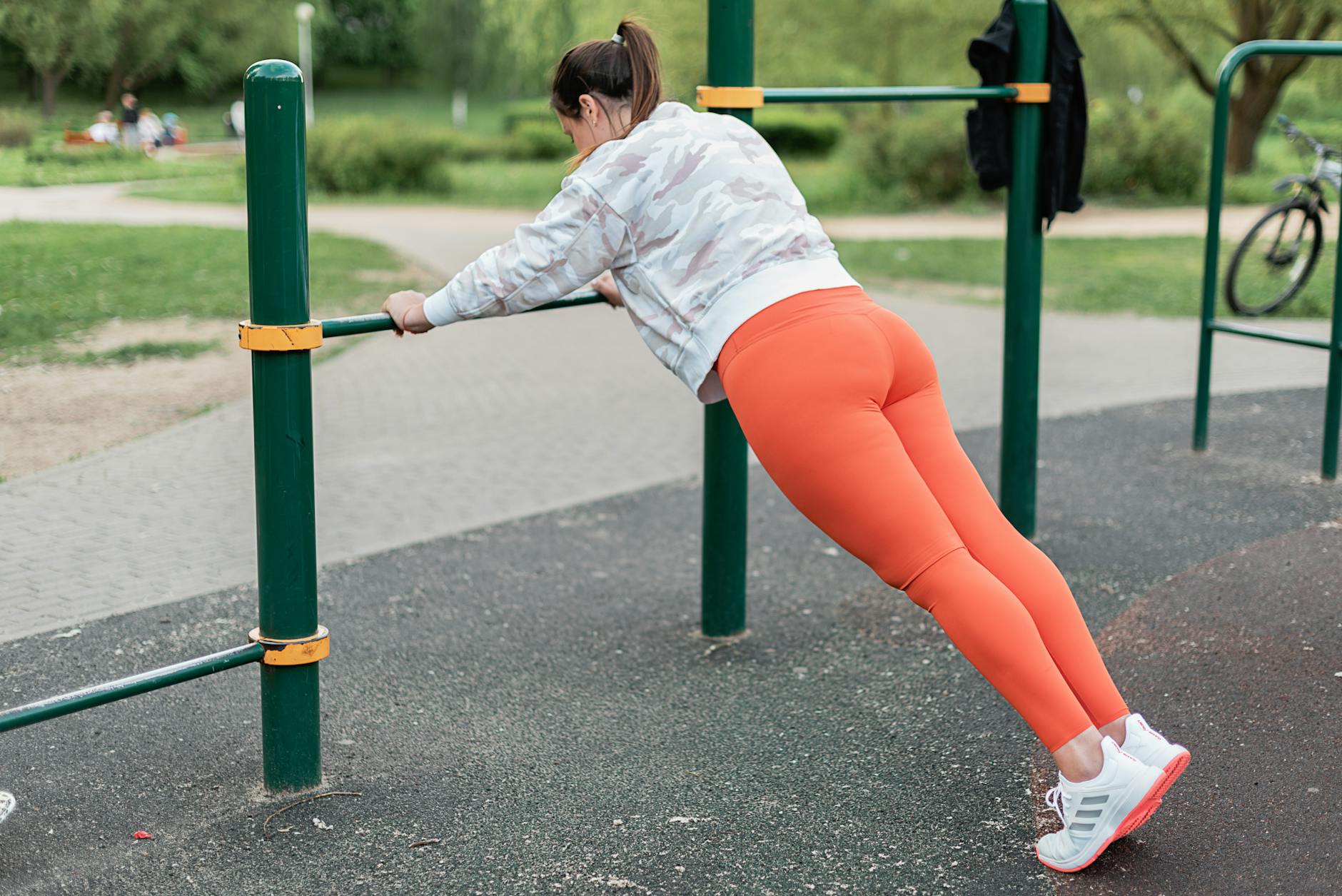
One of the most liberating aspects of HIIT is how little equipment you often need. Bodyweight hiit outdoors is incredibly accessible and effective. Think jumping jacks, burpees, high knees, mountain climbers, squats, and lunges. These foundational movements, when performed with intensity, can deliver a full-body workout that rivals any gym session.
I'll be real with you, some of these exercises can feel brutal when you're pushing hard, but that's exactly the point. The challenge is where the growth happens. You can find a quiet spot in a park, your backyard, or even a quiet street and get an amazing workout. This accessibility is a game-changer for making fitness a sustainable part of your life.
Advanced HIIT Spring: Pushing Your Limits
Elevating Intensity for Experienced Athletes
If you've been consistently doing HIIT for a while, you might be looking for ways to level up your training. Advanced hiit spring isn't just about doing more reps; it's about increasing the complexity and intensity of your movements. This could involve incorporating plyometrics like box jumps or jump squats, or adding resistance with bands or even light dumbbells if you have them available.
The goal here is to push your anaerobic threshold further. This means shorter rest periods, longer work intervals, or more demanding exercises. For instance, instead of 30 seconds of jogging in place, you might do 40 seconds of sprints or a complex compound movement like a kettlebell swing and burpee combo. Harvard Health research on spring hiit workouts highlights the benefits of progressive overload for continued adaptation.
Endurance HIIT Spring: Building Stamina
While HIIT is known for its power and speed, it can also be a fantastic tool for building endurance. This is where you might adjust the work-to-rest ratio to favor longer work intervals with shorter, but still active, recovery. Think of it as sustained bursts of high effort rather than quick sprints.
An example of endurance hiit spring could be performing exercises like jump rope, fast feet, or dynamic lunges for 60-90 seconds, followed by only 15-30 seconds of walking or marching in place. Repeating this cycle multiple times builds impressive stamina. This is particularly useful for activities like spring trail running or longer cycling efforts where sustained power is key.
Integrating Equipment for Varied Challenges
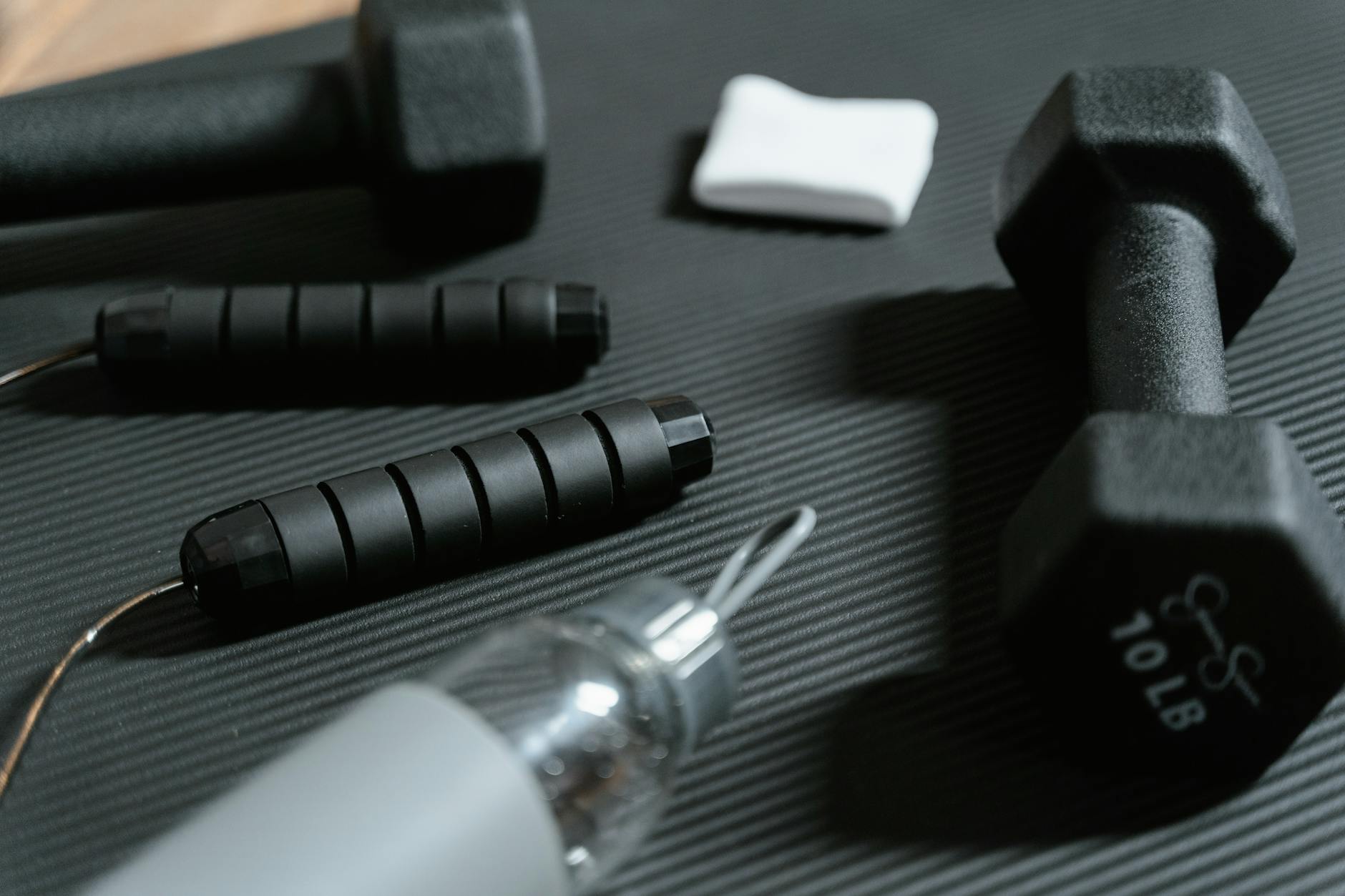
While bodyweight is king for accessibility, don't shy away from using equipment if you have it. Resistance bands can add an extra layer of challenge to squats, lunges, and upper body exercises. A jump rope is a classic tool for elevating your heart rate quickly. Even a sturdy park bench can be used for step-ups or incline push-ups.
This one surprised me when I first started experimenting. I thought bodyweight was the ultimate, but adding a simple resistance band to my glute bridges and squats made them infinitely harder and more effective. It's about finding creative ways to challenge your muscles and cardiovascular system, and equipment can open up a whole new world of possibilities for your spring hiit workouts.

Putting it All Together: Your Spring Fitness Routine
Designing a Balanced Weekly Schedule
A balanced spring fitness routine shouldn't rely solely on HIIT. While it's a powerful tool, you also need to consider recovery and other forms of training. Aim for 2-3 HIIT sessions per week, spread out with at least one day of rest or active recovery in between. On your "off" days, you might opt for a spring yoga flow to improve flexibility and mindfulness, or a brisk walk in nature.
Don't forget about strength training. While HIIT does engage many muscle groups, dedicated strength sessions are crucial for building muscle mass and overall strength. This could involve focusing on a leg workout routine one day and an upper body focus the next. The key is variety and listening to your body.
Fueling Your Body for Performance
Intense workouts like HIIT demand proper fueling. Before your session, focus on easily digestible carbohydrates for energy. A banana or a small bowl of oatmeal works well. After your workout, prioritize protein to aid muscle repair and recovery. Chicken breast, fish, or a protein shake are excellent choices. Staying adequately hydrated is also non-negotiable; water is your best friend.
I used to think that because I was burning so many calories during HIIT, I could eat whatever I wanted. That's a recipe for burnout and poor performance. Your body needs quality fuel to perform at its best and to recover effectively. Think of food as the premium fuel that allows your engine to run smoothly and powerfully.
Listen to Your Body: The Ultimate Guide
Here's the thing: no matter how perfectly structured your spring hiit workouts are, if you ignore your body's signals, you'll end up injured or demotivated. Persistent fatigue, sharp pain, or a general feeling of being run down are all signs that you need to ease up. It's okay to modify an exercise, take an extra rest day, or swap a high-intensity session for a gentle walk.
True fitness is a marathon, not a sprint. Pushing through pain is not a badge of honor; it's a fast track to a setback. Learn to distinguish between muscle fatigue – that good burn – and actual joint or muscle pain. Your body is your most important training partner, and learning to communicate with it is paramount for long-term success. This means embracing rest and recovery just as much as the intense intervals.
As the days lengthen and the world outside bursts with life, don't let your fitness routine stagnate. Embrace the vibrant energy of spring and inject it into your training with dynamic spring hiit workouts. Whether you're embracing outdoor hiit training in a sun-drenched park, pushing your boundaries with advanced hiit spring, or simply looking to refresh your entire spring fitness routine, the principles of HIIT offer a powerful and efficient path to a stronger, healthier you. Remember to listen to your body, fuel it well, and enjoy the process. The season is calling – answer it with energy and intention!