What if I told you that the key to a more powerful physique, better athletic performance, and even a stronger mind lies not in endless hours of upper body work, but in mastering your lower half? It sounds almost too simple, right? Yet, so many people overlook the sheer importance of a well-rounded leg workout routine. I've seen it countless times: gym-goers with impressive biceps and broad shoulders, but legs that seem like an afterthought. Honestly, it's a missed opportunity for significant gains across the board. Building strong legs isn't just about aesthetics; it's foundational for everything you do, from walking and running to jumping and lifting heavier weights overall.
Building a Foundation: Why Legs Matter Most
The Unsung Heroes of Your Body
Think about it. Your legs are your engine. They propel you forward, support your entire frame, and are home to some of the largest muscle groups in your body: your quads, hamstrings, glutes, and calves. When you train these muscles effectively, you're not just building bigger legs; you're boosting your metabolism, improving your balance and stability, and enhancing your functional strength for daily life and sports. A solid leg day workout can have a ripple effect on your entire fitness journey.
Beyond the Mirror: Functional Strength Gains
I used to think leg day was just about getting that V-taper or having impressive quads. But the real magic happens when you realize how much functional strength you gain. Squatting deeper translates to lifting heavier in other exercises. Stronger glutes improve your posture and can alleviate lower back pain. Better hamstring strength reduces injury risk. It’s about building a resilient, powerful body from the ground up.
The Metabolic Advantage
Here's a fact that often surprises people: training your legs burns a tremendous amount of calories. Because those muscle groups are so large, your body has to work harder to fuel them during and after your workout. This means a more significant calorie expenditure, which is fantastic for fat loss and improving your overall body composition. It's a smart way to maximize your training time.
Crafting Your Ultimate Leg Workout Routine
The Essential Movements
When we talk about the best leg workouts, a few core movements always come to the forefront. These are the staples that provide the most bang for your buck. They hit multiple muscle groups simultaneously and allow for progressive overload, which is key to continued growth and strength. We're talking about compound exercises that build a solid foundation.
Squats: The King of Leg Exercises
You simply cannot have a comprehensive full leg workout without squats. Whether it's the barbell back squat, front squat, goblet squat, or even a bodyweight squat for beginners, this exercise is a powerhouse. It works your quads, glutes, hamstrings, and even your core. The variations are endless, allowing you to target different areas and adapt to your fitness level.
Barbell Back Squat Form
For the classic barbell back squat, focus on keeping your chest up, back straight, and driving through your heels. Aim to go at least to parallel depth, where your thighs are parallel to the floor. Control the descent and explode up. It’s crucial to master the form before loading up the weight. I’ve seen too many people rush this and end up with injuries.
Deadlifts: The Full-Body Powerhouse
While often considered a back exercise, deadlifts are phenomenal for the posterior chain – your hamstrings and glutes. Romanian deadlifts (RDLs) are particularly effective for hamstring development. They also engage your entire body, making them a true test of strength. Remember to keep your back straight and hinge at the hips.
Lunges: Unilateral Strength Builders
Lunges, in all their forms (forward, backward, walking, Bulgarian split squats), are fantastic for building unilateral strength, meaning strength in one leg at a time. This helps correct muscle imbalances and improves balance and coordination. They strongly target the quads and glutes, with hamstrings getting a good secondary hit.
Accessory Exercises for Complete Development
While compound lifts are king, don't neglect the accessory movements that can really sculpt and strengthen specific muscle groups. These target areas that might not get enough stimulus from the big lifts alone.
Quad-Focused Isolation
Leg extensions are a classic quad isolation exercise. They allow you to really focus on squeezing the quadriceps at the top of the movement. This is great for building quad size and definition. Just be mindful of the range of motion and avoid hyperextending at the knee.
Hamstring Emphasis
Lying leg curls and seated leg curls are your go-to for directly targeting the hamstrings. These are crucial for balanced leg development and preventing injuries. Focus on a slow, controlled movement and feel the hamstring contract. Some people find that incorporating these after their main compound lifts helps them feel the hamstrings working more effectively.
Glute Activation and Development
Hip thrusts are an absolute game-changer for glute development. They allow for a huge range of motion and significant glute activation. Glute bridges are a simpler, yet still effective, alternative. Don't underestimate the power of these movements for a stronger, more functional posterior chain.
Calf Work
Calf raises, both standing and seated, are essential for developing strong, well-defined calves. These muscles are often overlooked, but they play a crucial role in ankle stability and power generation. Aim for a full range of motion, stretching at the bottom and squeezing at the top.
Leg Exercises at Home: No Gym? No Problem!
Bodyweight Power
You don't need fancy equipment to build impressive legs. Your own bodyweight is a formidable tool. The key is to employ variations that increase intensity and volume.
Squat Variations
If you can't do barbell squats, master your bodyweight squat. Then, progress to jump squats for explosive power, pistol squat progressions for single-leg strength, and wall sits for isometric endurance. Holding dumbbells or even jugs of water can add resistance if you have them available.
Lunge Variations
Bodyweight lunges are excellent. Try reverse lunges, which are often easier on the knees, or lunge jumps for a cardiovascular and strength challenge. Bulgarian split squats using a chair or sofa are also incredibly effective for hitting each leg independently.
Glute Bridges and Hip Thrusts
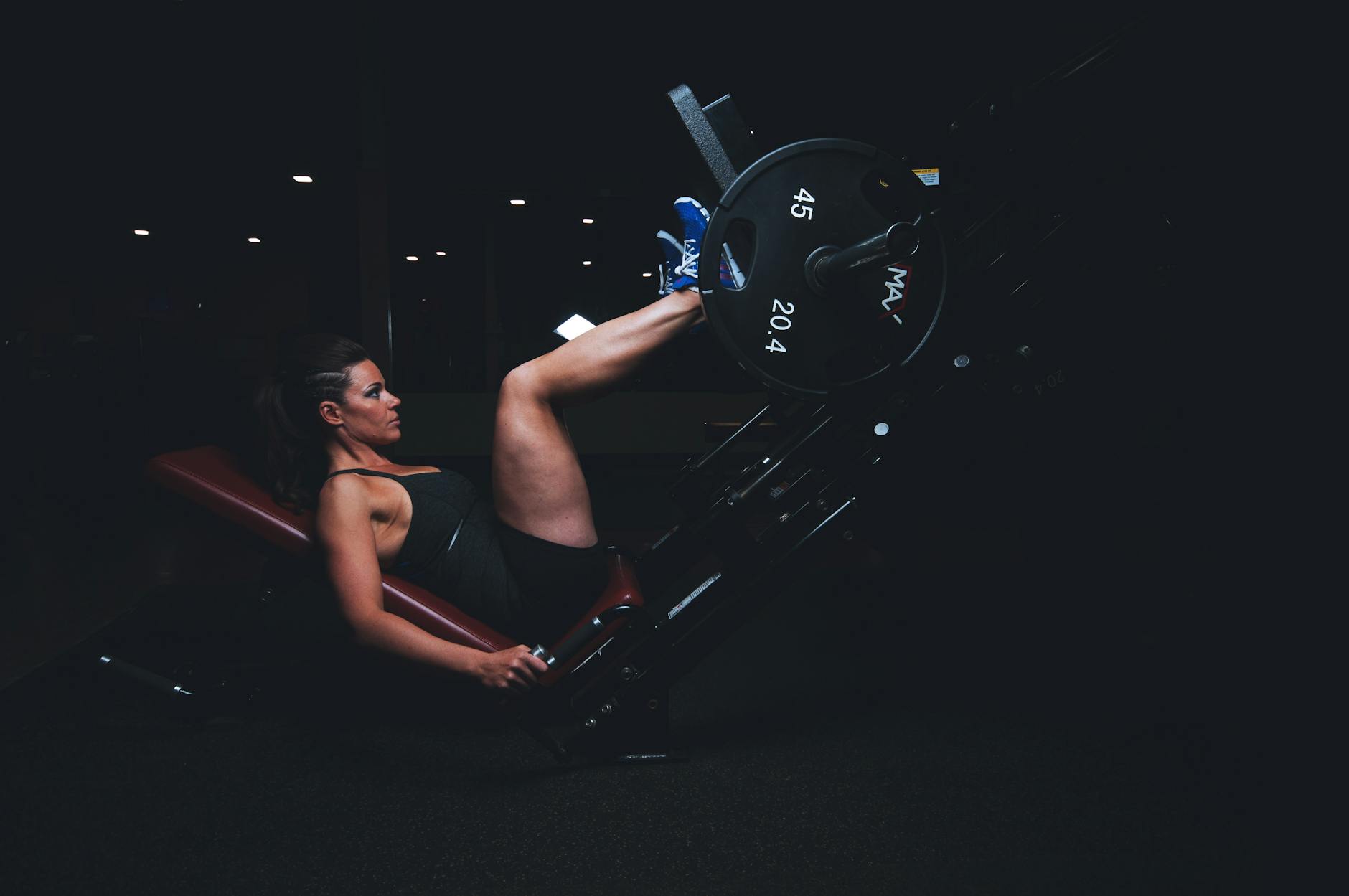
You can perform glute bridges and even bodyweight hip thrusts with significant resistance by elevating your upper back on a stable surface. Focus on squeezing your glutes at the top of each rep. Adding a resistance band around your knees can further enhance glute activation.
Utilizing Household Items
Think creatively! Stairs are your best friend for calf raises and step-ups. A sturdy chair can be used for Bulgarian split squats or elevated glute bridges. Resistance bands, which are relatively inexpensive, can add significant challenge to almost any bodyweight leg exercise, from squats to glute kickbacks.
Calf Raises Anywhere
Stand on the edge of a step and let your heels drop below the level of the step to get a full stretch, then push up onto your toes as high as you can. Repeat this for multiple sets. You can hold heavy books or water bottles to increase the load.
Structuring Your Leg Day Workout Routine
Beginner's Blueprint
For those just starting out, the focus should be on learning proper form and building a base of strength. A good beginner leg workout routine might look like this:
Workout A (Example)
- Goblet Squats: 3 sets of 10-12 reps
- Bodyweight Lunges: 3 sets of 10-12 reps per leg
- Glute Bridges: 3 sets of 15-20 reps
- Calf Raises: 3 sets of 15-20 reps
Rest 60-90 seconds between sets. Focus on controlled movements and feeling the muscles work. This is a great starting point for a leg workout for beginners.
Intermediate Progression
As you get stronger, you'll want to incorporate more challenging exercises and increase the weight or reps. This is where you start building more significant muscle mass and strength.
Workout B (Example)
- Barbell Back Squats: 4 sets of 8-10 reps
- Romanian Deadlifts: 3 sets of 10-12 reps
- Walking Lunges (with dumbbells): 3 sets of 10-12 reps per leg
- Leg Press: 3 sets of 12-15 reps
- Lying Leg Curls: 3 sets of 12-15 reps
- Standing Calf Raises: 4 sets of 15-20 reps
Rest 60 seconds between sets. Pay attention to progressive overload – aim to lift slightly heavier or do one more rep than last time.
Advanced Strategies for Maximum Gains
Advanced lifters can employ techniques like supersets, drop sets, and advanced exercise variations to push their muscles to the limit. The goal is hypertrophy and maximal strength.
Workout C (Example)
- Barbell Back Squats: 5 sets of 5-8 reps (focus on heavy weight)
- Front Squats: 3 sets of 8-10 reps
- Hip Thrusts: 4 sets of 8-12 reps (heavy)
- Leg Extensions: 3 sets of 15 reps (with a drop set on the last set)
- Seated Leg Curls: 3 sets of 12-15 reps (focus on slow negatives)
- Bulgarian Split Squats: 3 sets of 8-10 reps per leg
- Standing Calf Raises: 5 sets of 10-15 reps (focus on peak contraction)
This is a demanding strength training legs routine. Ensure adequate recovery between sessions. You might also consider incorporating plyometrics on a separate day or before your main lifting session for explosive power.
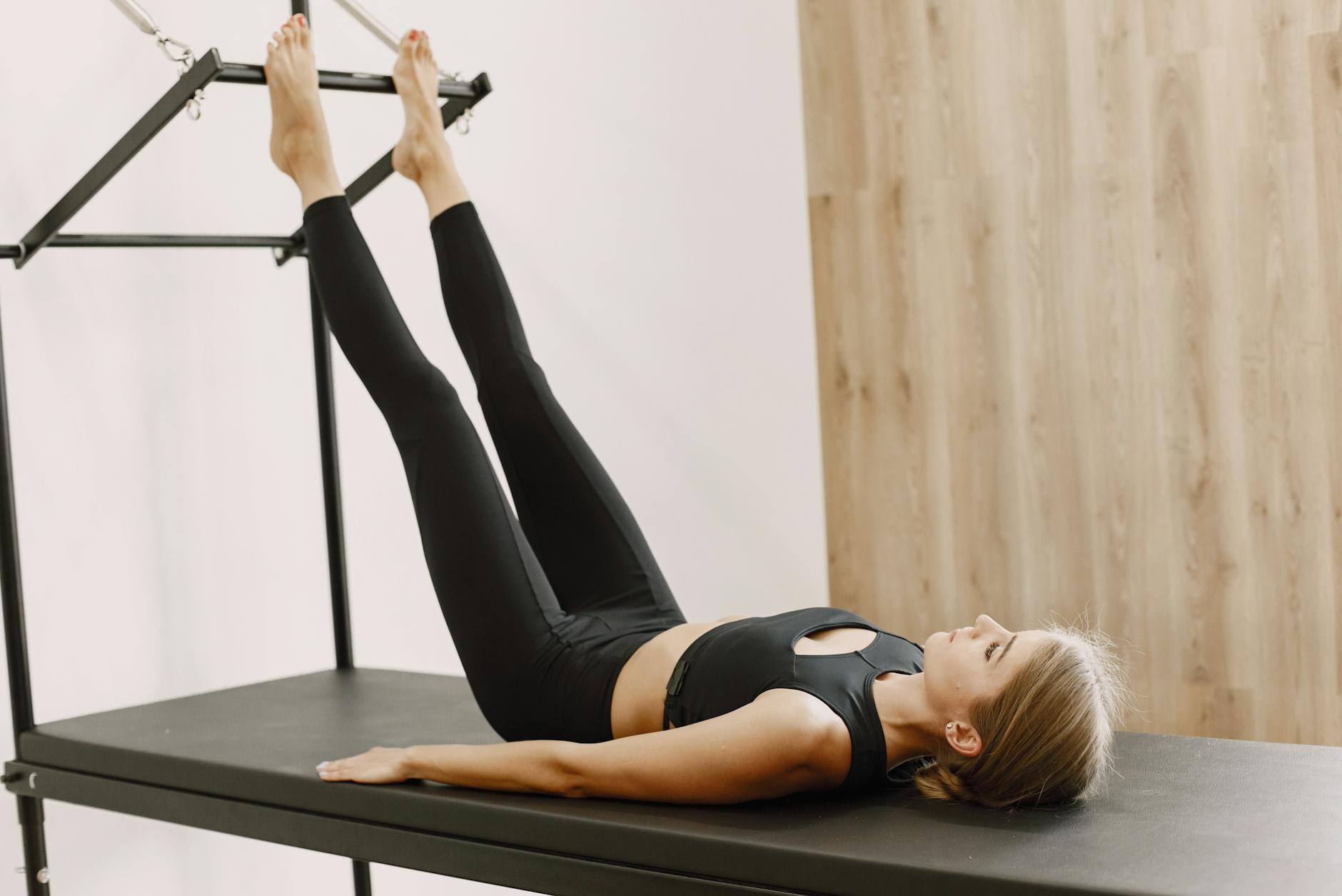
The Unexpected Angle: Your Legs and Your Mind
Beyond Physical Strength
We often talk about how exercise benefits the mind, but training your legs has a unique psychological impact. Pushing through a tough set of squats or lunges requires immense mental fortitude. You're battling discomfort, fatigue, and sometimes even fear of lifting heavy. Successfully conquering these challenges builds resilience and confidence that spills over into other areas of your life.
The Power of Overcoming Resistance
When you're struggling with a heavy set, you're learning to push past perceived limits. This mental toughness is incredibly valuable. I've found that the discipline required for a consistent, challenging leg workout routine translates directly into better focus, increased determination, and a more positive outlook. It’s not just about building muscle; it’s about building character.
The Importance of Recovery and Patience
Leg workouts can be brutal, and recovery is paramount. This teaches you patience. You can't rush muscle growth or strength gains. You have to respect the process, listen to your body, and allow it to repair and adapt. This lesson in patience is a powerful one, especially in a world that often demands instant gratification. Understanding this is part of what makes a truly effective leg day workout.
Putting It All Together for Lasting Results
Consistency is Key
Regardless of whether you're performing leg exercises at home or in a full-fledged gym, the most critical factor for success is consistency. Aim to hit your legs directly at least once, and ideally twice, per week. Listen to your body and adjust based on your recovery.
Listen to Your Body
Don't be afraid to modify exercises if you feel pain. There are always alternatives. For instance, if barbell squats aggravate your knees, try the leg press or focus on tempo squats with lighter weight. Consulting with a physical therapist or a certified trainer can be invaluable for understanding your body's specific needs and limitations. Research from the Centers for Disease Control and Prevention often highlights the importance of proper form and injury prevention in strength training.
Progressive Overload: The Engine of Growth
To continue seeing results, you must progressively challenge your muscles. This means gradually increasing the weight you lift, the number of repetitions you perform, or the intensity of your workouts over time. Without this principle, your progress will eventually plateau. This is a fundamental concept in National Institutes of Health research on leg workout routine and strength training in general.
Fueling Your Gains
Proper nutrition and rest are just as important as your training. Ensure you're consuming enough protein to support muscle repair and growth, and getting adequate sleep. Think about the last time you had a really tough leg day; your body needs the right resources to bounce back stronger. This synergy between training, nutrition, and rest is what truly unlocks your potential, a concept often explored in publications like Harvard Health research on leg workout routine.
Embrace the Challenge
Building strong legs is a journey, not a destination. It requires dedication, patience, and a willingness to push your boundaries. But the rewards—enhanced physical capabilities, improved health, and a greater sense of self-efficacy—are immense. So, go forth, embrace your leg workout routine, and build a foundation of strength that will serve you for a lifetime. Don't just train your legs; transform yourself.