
The air still holds a crisp bite, but the sun, oh, the sun feels different. It’s that gentle warmth that finally coaxes the last stubborn bits of winter from the landscape. You step out, and there it is – the first hint of green pushing through damp earth, the faint scent of pine needles and awakening soil. This is the magic of **spring trail running**, a time when the trails shed their icy armor and beckon you back to adventure. It’s more than just a workout; it’s a full sensory reset, a chance to reconnect with nature as it shrugs off its slumber.
Embracing the Spring Awakening on the Trails
The Call of the Unfrozen Path
Honestly, there’s nothing quite like that first run after a long winter. The crunch of last year's leaves underfoot, now softened by rain, is a symphony compared to the jarring hardness of frozen ground. You've probably noticed how the world just *seems* brighter, more alive. That’s the energy of spring, and the trails are where you can tap into it directly. This season offers a unique opportunity for **spring trail running**, bridging the gap between indoor training and the full-on summer marathon grind.
Why Spring is Your Trail Running Sweet Spot
Winter can be brutal for consistent training, right? You’re stuck on treadmills or navigating icy sidewalks. Spring changes all that. The temperatures are usually perfect – not too hot, not too cold. It’s the ideal time for **beginner trail running**, allowing you to ease into the sport without the extreme conditions of other seasons. Think of it as nature’s gentle invitation to get back out there.
First Steps: Getting Started Trail Running
So, you’re intrigued. Maybe you’ve dabbled in road running, or perhaps you’re completely new to this. The good news is, **getting started trail running** isn't as daunting as it might seem. It’s about embracing a different kind of challenge and a whole lot of fun. You don't need to be an elite athlete to enjoy it.
Navigating the New Terrain
The biggest difference, obviously, is the ground beneath your feet. Roads are predictable. Trails? Not so much. You'll encounter roots, rocks, mud, and uneven surfaces. This is where the real skill-building happens. Your body learns to adapt, your proprioception sharpens, and you become a more resilient runner. It's a fantastic way to improve your overall athleticism.
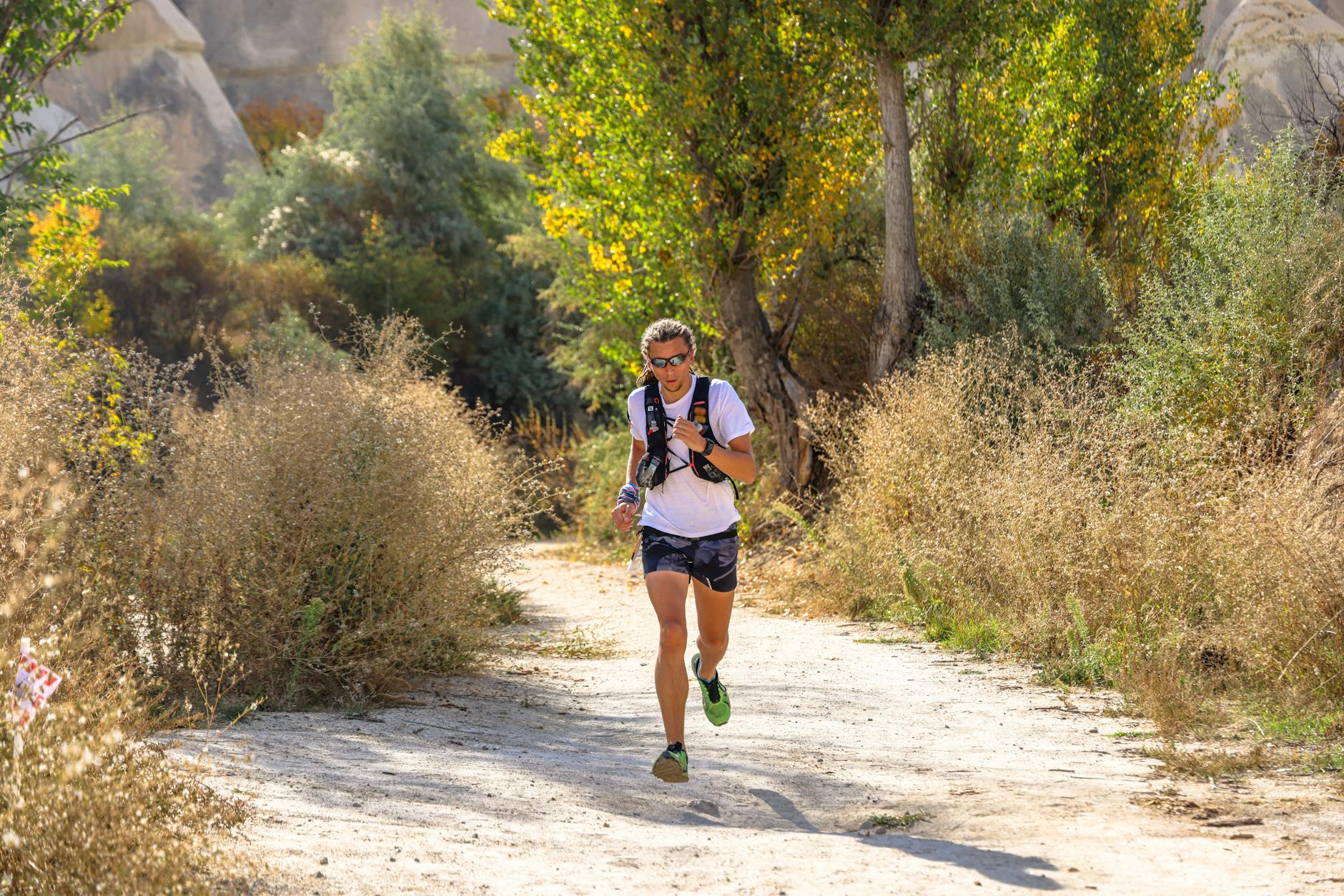
Gear Up for the Mud and the Miles
Your Essential Trail Running Gear
Let’s talk about what you actually *need*. You don’t need a top-of-the-line everything from day one, but a few key pieces will make your **spring trail running** experience much more enjoyable and safe.
Trail Shoes: Your Foundation
This is non-negotiable. Road running shoes just won’t cut it. You need **trail running shoes**. They have deeper, more aggressive treads for grip on slippery surfaces, reinforced uppers to protect your feet from rocks and roots, and often better cushioning for uneven terrain. I remember my first pair of trail shoes; I felt like I could run up a wall! They give you confidence when you’re navigating technical sections.
Clothing: Layer Up, Then Shed
Spring weather is famously fickle. You might start your run in a light jacket and end it with just a t-shirt. Think layers. A moisture-wicking base layer is crucial. Over that, a light, breathable long-sleeve or a short-sleeve shirt. A windbreaker or light waterproof jacket is a lifesaver for those unpredictable spring showers or breezy ridge lines. Don’t forget good socks – wool or synthetic blends are your best friends to prevent blisters.
Hydration and Nutrition: Fueling Your Adventure
Even for shorter runs, carrying water is smart, especially as you start to push yourself. A small hydration pack or a handheld bottle is usually sufficient for most spring outings. For longer efforts, you might want to pack a gel or a chew. Listen to your body; you'll learn what works for you.
The Art of the Trail Run: Technique and Safety
This is where the rubber meets the road, or rather, the shoe meets the trail. **Trail running tips** are less about speed and more about smart movement.
Foot Placement: The Key to Staying Upright
You’ve probably noticed that when you’re on a trail, you’re not just pounding the pavement. You’re looking where you’re going, scanning the path ahead. This is crucial for **how to trail run** effectively. Aim to land your feet lightly and deliberately. Think about placing your foot *under* your body, not out in front. This helps with balance and reduces the impact.
Uphill and Downhill Strategies
Uphills are your strength-building opportunities. Keep your stride short and efficient, lean into the climb slightly, and use your arms to help propel you. Downhills are where many beginners get nervous. Don't fight gravity; work with it. Keep your knees bent, your core engaged, and let your feet find their path. A slight lean forward can help maintain momentum. Think of it like skiing down a gentle slope.
Trail Running Safety: Your Top Priority
The wilderness is beautiful, but it demands respect. **Trail running safety** is paramount.
Know Your Route and Conditions
Before you head out, check the weather forecast and understand the trail conditions. Is it muddy after recent rain? Are there any known hazards like downed trees or washouts? If you're exploring a new area, a map or a GPS device can be incredibly helpful. Tell someone where you’re going and when you expect to be back.
Wildlife Encounters
You might see deer, rabbits, or various birds. Most of the time, they’ll simply go about their business. If you do encounter larger wildlife, like a bear or a moose, give them plenty of space and never try to feed them. Making noise can often alert them to your presence so they can avoid you.
First Aid Essentials
A small first-aid kit is always a good idea. Band-aids, antiseptic wipes, and any personal medications are must-haves. Knowing basic first aid can be a lifesaver.

Your Spring Trail Running Workout Plan
Building Your Trail Running Base
If you’re new to this, **trail running for beginners** means starting slowly and building gradually. Don't try to conquer a mountain on your first outing.
Walk-Run Intervals
This is a fantastic way to start. Alternate between running for a minute or two and walking for a minute or two. As you get fitter, gradually increase the running intervals and decrease the walking. This approach is also great for **spring hikes** that you want to add a bit more intensity to.
Focus on Consistency, Not Intensity
The goal in the early days is to get your body accustomed to the demands of the trail. Shorter, more frequent runs are better than one long, exhausting slog. You'll be amazed at how quickly your endurance improves.
Incorporating Strength and Flexibility
Running isn't just about your legs. A strong core and flexible muscles are vital for injury prevention and performance.
Core Strength for Stability
A strong core is your anchor on the trail. Exercises like planks, bird-dogs, and Russian twists will make a huge difference. A stable core allows your limbs to move more freely and efficiently.
The Importance of Stretching
After your runs, or on rest days, dedicate time to stretching. A good Flexibility Stretching Routine: Boost Your Mobility Today! can help keep your muscles supple and reduce that post-run soreness. Don't underestimate the power of a Your Perfect Daily Stretching Routine for Flexibility or the Best Stretching Routine: Unlock Flexibility & Ease Pain. It’s not just about touching your toes; it’s about keeping your body happy and injury-free.

Discovering Your Best Spring Trails
Finding Trails Near You
The beauty of **spring trail running** is that you don’t need to travel far to find adventure. Local parks, nature preserves, and state forests are often filled with hidden gems.
Online Resources and Apps
Websites and apps like AllTrails, Strava, and local park district pages are invaluable for discovering **best spring trails**. You can often find user reviews, elevation profiles, and photos to help you choose.
Ask Around!
Don't be afraid to ask fellow runners or hikers for recommendations. Local running stores are also a great resource for finding out about the best **trail running routes** in your area.
What Makes a Great Spring Trail?
Beyond just being a path, a great spring trail offers variety. Look for trails with a mix of terrain – some smooth sections, some technical bits, some gradual climbs, and some fun descents. Trails that offer scenic views are always a bonus. The Spring Calorie Burning Hikes: Best Trails for Fitness can offer a fantastic, lower-impact way to enjoy the outdoors and get your heart rate up.
The Joy of the Unexpected
One of my favorite moments last spring was on a trail I’d run a dozen times. After a heavy rain, a small stream had overflowed, creating a temporary, shallow "river" across the path. Instead of turning back, I splashed right through it, laughing. It was a reminder that nature is dynamic, and sometimes the best experiences are the unplanned ones. This is part of the charm of **spring trail running**.
Beyond the Run: The Holistic Benefits
Mental Recharge and Mindfulness
Running on trails is incredibly meditative. The focus required to navigate the terrain pulls you out of your head and into the present moment. It’s a powerful antidote to stress. The World Health Organization research on the mental health benefits of physical activity, including outdoor pursuits, is extensive. You can find more on World Health Organization research on spring trail running.
Connecting with Nature
There’s a profound sense of peace that comes from being immersed in nature. The sounds of birdsong, the rustling leaves, the scent of damp earth – it all contributes to a feeling of well-being. The Centers for Disease Control and Prevention research on the benefits of spending time outdoors highlights its positive impact on both physical and mental health. You can explore this further through Centers for Disease Control and Prevention research on spring trail running.
A Full-Body Workout
Don't underestimate the calorie-burning power of **trail running workout**. It engages more muscles than road running, particularly your stabilizing muscles. Studies from the National Institutes of Health often point to the varied demands of trail running as a superior form of cardiovascular exercise. Learn more about National Institutes of Health research on spring trail running. It’s a complete physical challenge.
Your Spring Trail Running Adventure Awaits
So, there you have it. Spring is here, and the trails are calling. Whether you're a seasoned runner looking for new challenges or a complete novice curious about **beginner trail running**, now is the perfect time to lace up those shoes and hit the dirt. It’s more than just exercise; it’s an experience. It’s about the fresh air, the challenge, the beauty, and the incredible sense of accomplishment. Don't overthink it. Just get out there and run.