Imagine this: it’s a crisp Saturday morning. Sunlight streams through your window, and you’ve got a whole day ahead of you. Instead of scrolling through your phone or getting lost in chores, you’re feeling a surge of energy. You’re ready. Ready to move your body, to feel stronger, to take that first step towards a healthier you. That’s the feeling we’re going for as we talk about building your beginner workout routine.
Your First Steps to a Stronger You
Finding Your "Why"
Honestly, the hardest part of starting any new fitness journey is just that – starting. You've probably seen countless ads, heard friends talk about their gym routines, and felt a pang of "I should be doing that." But why *should* you? Is it to have more energy for your kids? To feel more confident in your own skin? Maybe it’s to finally conquer that flight of stairs without feeling winded. Pinpointing your "why" is your anchor. It’s the fuel that will keep you going when motivation wanes, and trust me, it will wane sometimes. It’s not about chasing some fleeting aesthetic; it’s about building a sustainable, enjoyable habit that genuinely improves your life.
Setting Realistic Expectations
Look, nobody goes from couch potato to marathon runner overnight. And that’s okay! Your first workout plan shouldn't feel like a punishment. It should feel achievable, even exciting. You might be wondering how quickly you'll see results. The truth is, it varies from person to person, but consistency is key. Focus on showing up, even if it’s just for 20 minutes. Celebrate the small wins: completing your first workout, lifting a slightly heavier weight, or simply feeling less sore the next day. This is a marathon, not a sprint, and setting yourself up for long-term success means not expecting miracles in week one.
Understanding the Basics
A solid beginner workout routine doesn't require fancy equipment or a degree in exercise science. It’s about understanding fundamental movement patterns and building a base. We’re talking about exercises that engage multiple muscle groups, get your heart rate up, and prepare your body for more complex movements down the line. Think of it like learning to walk before you can run. The goal is to build a foundation of strength, endurance, and mobility. This approach ensures you’re not just going through the motions, but actually creating positive changes in your body.
Crafting Your Beginner Workout Routine
The Power of Full Body Workouts
For anyone just starting out, I can’t stress enough how beneficial a full body workout beginner approach can be. Why? Because it hits all your major muscle groups in a single session. This means you’re maximizing your time and stimulating growth across your entire body. It also allows for adequate recovery between sessions, which is crucial when your body is still adapting. You’re not just working your arms one day and your legs the next; you’re giving your whole system a gentle, yet effective, introduction to exercise. This holistic approach helps build overall strength and coordination.
A Sample Full Body Circuit
Let’s get practical. Here’s a simple circuit you can do, either at home or at the gym, that forms the backbone of many excellent beginner workout routine plans. Remember to focus on form over speed or weight. Start with 2-3 rounds, resting for 60-90 seconds between rounds. As you get stronger, you can increase the rounds or the repetitions.
- Bodyweight Squats: 10-12 repetitions. Stand with your feet shoulder-width apart, chest up. Lower your hips as if sitting into a chair, keeping your back straight.
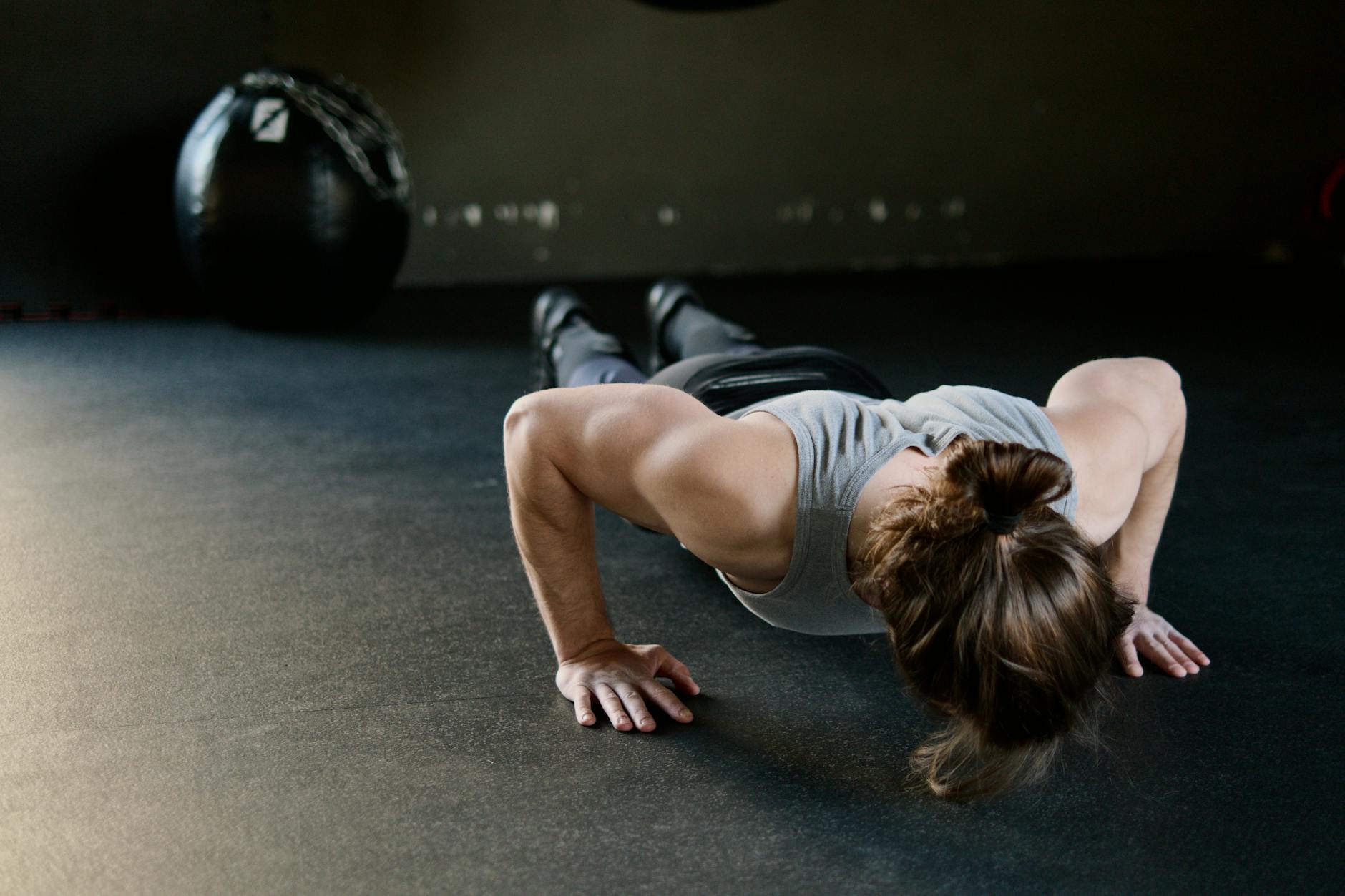
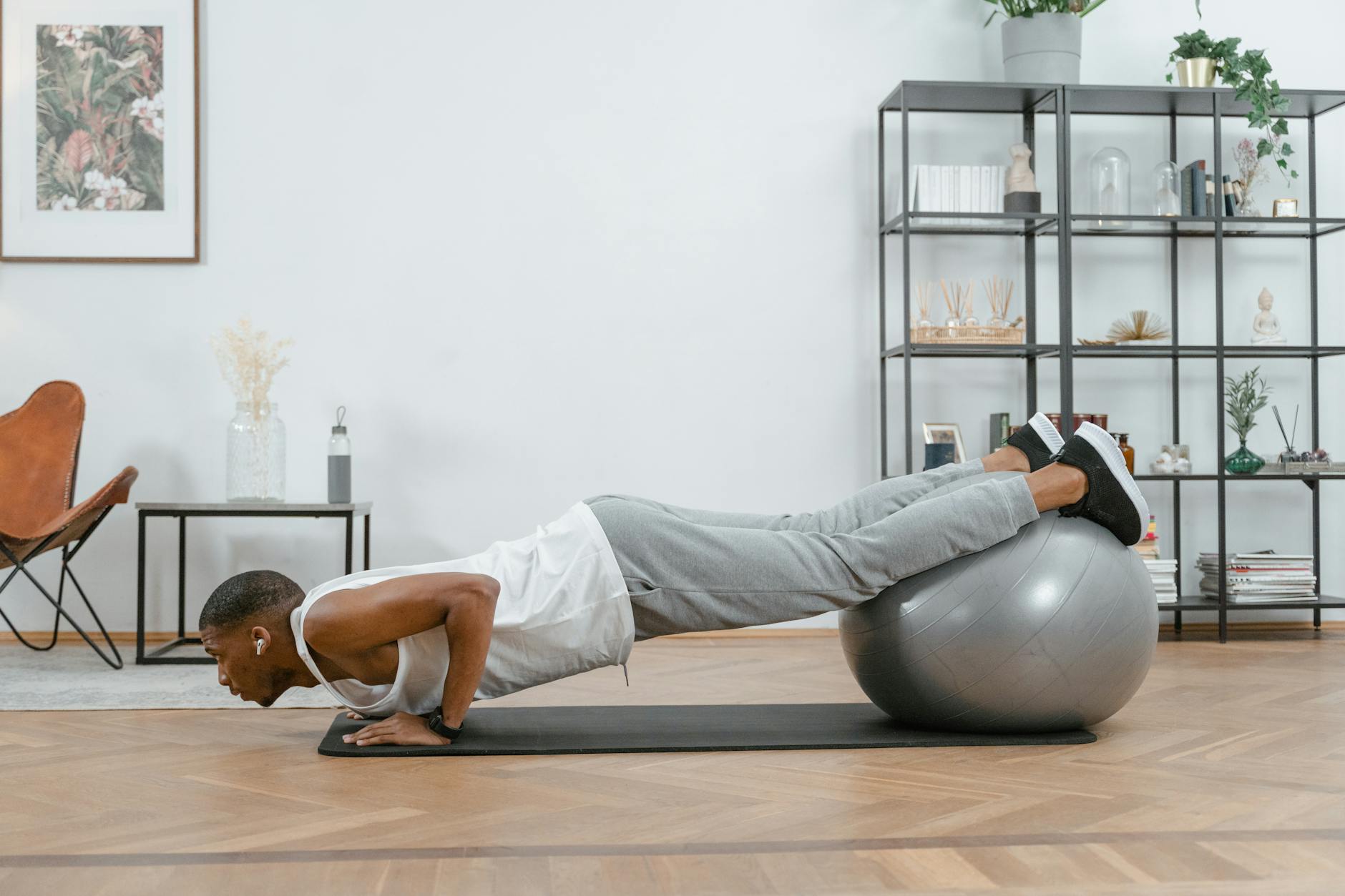
- Push-ups (on knees or toes): As many as possible with good form (aim for 5-10). If regular push-ups are too tough, start on your knees.
- Walking Lunges: 8-10 repetitions per leg. Step forward with one leg, lowering your hips until both knees are bent at approximately a 90-degree angle.
- Plank: Hold for 20-30 seconds. Keep your body in a straight line from head to heels, engaging your core.
- Glute Bridges: 12-15 repetitions. Lie on your back with knees bent, feet flat on the floor. Lift your hips off the ground, squeezing your glutes.
Incorporating Cardio for Beginners
Strength training is vital, but so is your cardiovascular health. Cardio for beginners shouldn't feel like you're running a marathon from day one. The goal is to elevate your heart rate and improve your endurance gradually. Think brisk walking, cycling at a comfortable pace, or even dancing. The key is to find an activity you enjoy, so it doesn't feel like a chore.
Finding Your Cardio Rhythm
Aim for at least 150 minutes of moderate-intensity aerobic activity per week, as recommended by the World Health Organization research on beginner workout routine. For a beginner workout routine, this could translate to three 30-minute sessions or five 20-minute sessions. If you’re just starting, even 10-15 minutes of sustained activity counts. You should be able to talk, but not sing, during moderate-intensity exercise.
Consider trying some spring trail running if you have access to safe trails. It’s a fantastic way to build endurance while enjoying nature. Or, if you prefer something more structured, a Spring HIIT workout can be adapted for beginners by focusing on lower impact options and longer rest periods. The important thing is movement, consistently.
Flexibility and Mobility: Often Overlooked
This is where things get interesting, and often, where people skip steps. Strength and cardio are essential, but your body needs to be able to move freely and efficiently. Flexibility and mobility work help prevent injuries, improve your range of motion in exercises, and can even alleviate everyday aches and pains. It’s not just about touching your toes; it’s about your joints moving through their full, healthy range of motion.
Gentle Movements to Start
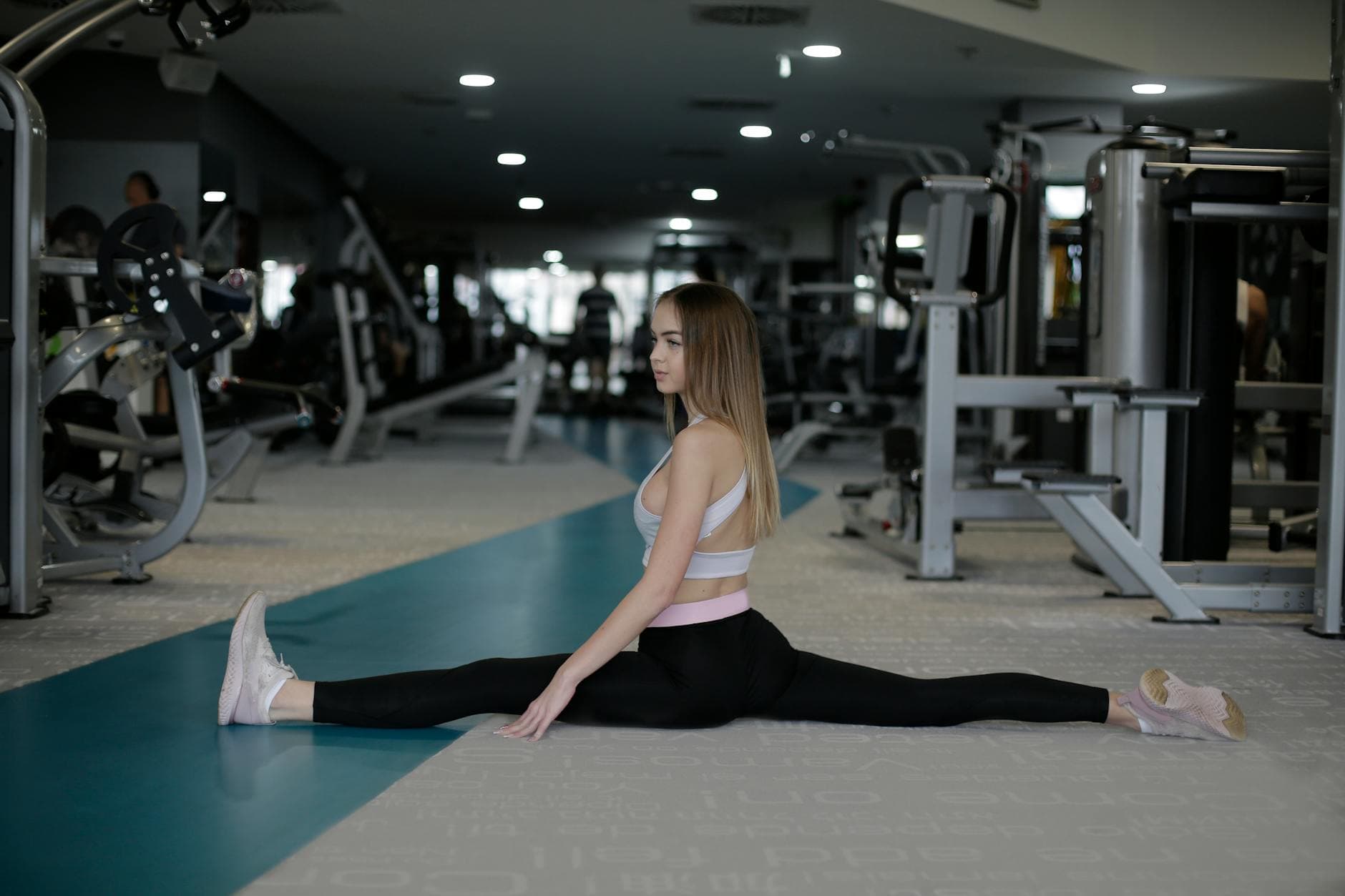
After your workouts, or even on rest days, dedicate 5-10 minutes to gentle stretching. Focus on major muscle groups like your hamstrings, quadriceps, chest, and back. Dynamic stretches, like arm circles and leg swings, are great before a workout to warm up your muscles, while static stretches (holding a stretch for 20-30 seconds) are best post-workout. You might also find that a Spring Yoga Flow is a wonderful way to integrate flexibility and mindfulness into your routine. It’s a gentle yet effective way to improve your body’s overall suppleness.
Structuring Your Weekly Beginner Workout Routine
The Importance of a Workout Schedule
Having a clear workout schedule for beginners is like having a roadmap. It removes the guesswork and helps you stay accountable. Without a plan, it's easy for workouts to fall by the wayside. You need to decide which days you’ll work out and what you’ll do on those days. This isn't about rigid adherence; it's about creating a framework that supports your goals.
Finding Your Optimal Frequency
For a beginner workout routine, aiming for 2-3 full-body strength sessions per week is a great starting point. This allows for at least one rest day between sessions, giving your muscles time to recover and rebuild. For example, you could do a full-body workout on Monday, Wednesday, and Friday, with active recovery or light cardio on Tuesday and Thursday. Rest days are not lazy days; they are crucial for muscle repair and preventing burnout. The Mayo Clinic research on beginner workout routine consistently highlights the importance of adequate rest.
Active Recovery and Rest Days
Rest days are where the magic happens. Your muscles grow and repair when you are resting, not when you are actively training. Pushing your body relentlessly without allowing for recovery is a fast track to injury and plateauing. Active recovery can include light activities like walking, gentle stretching, or foam rolling. It helps increase blood flow to your muscles, which can aid in reducing soreness and improving flexibility.
Making Rest Meaningful
Think of your rest days as an integral part of your training. They are opportunities for your body to adapt and get stronger. Don't feel guilty for taking them. If you're feeling particularly fatigued, take an extra rest day. Listen to your body; it's your best guide. Sometimes, a complete rest day is exactly what you need to come back stronger for your next session.
Progressive Overload: The Key to Continued Gains
Once you’ve established a consistent routine and your body has adapted to the initial exercises, you need to challenge yourself to keep progressing. This principle is called progressive overload. It means gradually increasing the demands placed on your body over time. Without it, you'll eventually stop seeing improvements.
How to Progress
There are several ways to implement progressive overload in your beginner workout routine. You can gradually increase the weight you lift, increase the number of repetitions or sets, decrease the rest time between sets, or improve your form and range of motion. For instance, if you started with 3 sets of 10 bodyweight squats, you might progress to 3 sets of 12, then to adding a light dumbbell, or even trying goblet squats. The key is to make small, consistent increases. This is also where focusing on specific muscle groups, like in a dedicated leg workout routine, can become beneficial as you advance.

Beginner Fitness Tips for Long-Term Success
Listen to Your Body
This is perhaps the most important piece of advice I can give. Your body will tell you when it needs rest, when it’s ready for more, and when something isn’t right. Pushing through sharp pain is a recipe for disaster. Learn to distinguish between muscle soreness (which is normal and a sign of adaptation) and joint pain or sharp, sudden discomfort. If you’re unsure, err on the side of caution and consult a healthcare professional or a qualified trainer.
Stay Hydrated and Nourished
You wouldn't expect a car to run without fuel or fluids, right? Your body is no different. Proper hydration is crucial for performance, recovery, and overall health. Aim to drink plenty of water throughout the day. Equally important is nourishing your body with balanced meals. Focus on whole foods like fruits, vegetables, lean proteins, and healthy fats. You don't need to overhaul your entire diet overnight, but making small, consistent improvements will pay dividends. The National Institutes of Health research on beginner workout routine often points to nutrition as a foundational element.
Consistency Over Intensity
I'll be real with you: showing up consistently for a moderate workout is far more effective than sporadic, super-intense sessions. It’s the cumulative effect of your efforts that leads to lasting change. Don't get discouraged if you miss a workout; just get back on track with your next scheduled session. Building the habit is the primary goal in the beginning. Once consistency is established, you can then focus on gradually increasing the intensity.
Find a Workout Buddy or Community
While not strictly necessary, having a workout buddy can be incredibly motivating. Someone to hold you accountable, share the ups and downs with, and celebrate successes. If a personal buddy isn't an option, consider joining online fitness communities or local fitness classes. The support and shared experience can make a huge difference in your journey. It reminds you that you're not alone in this endeavor.
Celebrate Your Progress
You’ve started. You’re showing up. You’re moving your body. These are huge accomplishments! Take time to acknowledge how far you’ve come. Did you manage to do an extra push-up? Hold a plank for longer? Feel more energetic? These are all victories. Recognizing your progress, no matter how small it may seem, fuels your motivation and reinforces the positive habit you are building. This is your journey, and every step forward deserves recognition.
Starting your fitness journey is an act of self-care, a commitment to yourself. This beginner workout routine is your launchpad. It’s designed to be accessible, effective, and sustainable. Remember why you started, be patient with yourself, and most importantly, enjoy the process of becoming a stronger, healthier, and more vibrant you. You’ve got this.