
Most people think Pilates is just about tiny movements and a delicate flow. Honestly, that couldn't be further from the truth for many. While grace is certainly a component, the real power of Pilates lies in its profound ability to build deep, functional strength from the inside out. So, what is Pilates? It's a system of movement designed by Joseph Pilates in the early 20th century, focusing on precise control, breath, and the integration of mind and body to create a resilient, efficient, and balanced physique. This isn't just about looking good; it's about feeling truly capable in your own skin, ready to tackle whatever life throws at you.
Unpacking the Core of Pilates
At its heart, Pilates is a mind-body exercise that emphasizes controlled movements, breath awareness, and core engagement. It was developed by Joseph Pilates, who originally called his method "Contrology." He envisioned a way to rehabilitate soldiers and dancers, but its benefits quickly became apparent to a much wider audience.
The Genius of Joseph Pilates
Joseph Pilates, a German physical culturist, developed his system during World War I. He initially used his apparatus to help bedridden soldiers recover from injuries. His innovative approach recognized the interconnectedness of the body and mind, believing that physical well-being was essential for mental health. He meticulously designed equipment and exercises to address imbalances and build a strong foundation.
Beyond the Abs: What is the "Core" in Pilates?
When we talk about the "core" in Pilates, we're not just talking about your six-pack. It's a much deeper, more comprehensive concept. The Pilates core refers to the deep abdominal muscles, the pelvic floor, the diaphragm, and the muscles of the back and hips. This powerhouse is the center of all movement, providing stability and control for every action you make. Building a strong core is fundamental to understanding what is Pilates and experiencing its transformative effects.
The Power of Precision
Unlike some other forms of exercise that focus on speed or high repetitions, Pilates prioritizes precision. Each movement is executed with intent and control. This focus ensures that the correct muscles are engaged and that the body moves efficiently, reducing the risk of injury and maximizing the effectiveness of the workout. You'll often hear instructors cueing for "quality over quantity," and that's a core tenet of the practice.
The Unseen Benefits: Why Pilates Works Wonders
The benefits of a consistent Pilates workout extend far beyond the studio. Many of my clients come to me seeking relief from pain or looking to improve their athletic performance, and time and again, Pilates delivers. It's a holistic approach to fitness that nourishes your body from the inside out.
Transforming Your Posture and Alignment
One of the most noticeable and celebrated pilates benefits is the dramatic improvement in posture and body alignment. In our modern lives, many of us spend hours hunched over desks or looking at screens, leading to rounded shoulders, a forward head posture, and a general sense of being out of sync. Pilates systematically works to lengthen the spine, strengthen the muscles that support good posture, and retrain the body to stand taller and move more gracefully. You'll find yourself standing straighter without even thinking about it.
Building Functional Strength Without Bulk
If you're wary of getting "too bulky" from exercise, Pilates is your answer. It builds long, lean muscle strength. The focus is on endurance and control, creating muscles that are strong and functional but not overly large. This type of strength is invaluable for everyday activities, making lifting groceries, carrying children, or even just walking feel easier and more effortless. It’s about creating a resilient, capable body.
Unlocking Greater Flexibility and Mobility
Flexibility is another key outcome of a regular pilates workout. While many think of stretching as the sole path to flexibility, Pilates integrates stretching with strengthening. Many exercises involve moving through a full range of motion while maintaining core control, which helps to increase both flexibility and joint mobility. This can alleviate stiffness and improve your overall range of movement, making you feel more fluid and agile.
The Gift of Pain Relief
This is where I see the most profound changes in people's lives. Many of my clients come to me with chronic back pain, neck pain, or other musculoskeletal issues. Pilates, with its emphasis on core strength and proper body mechanics, can be incredibly effective in alleviating these discomforts. By strengthening the supporting muscles and correcting postural imbalances, Pilates reduces the strain on the spine and joints, often providing significant relief where other methods have failed. It's not a quick fix, but a sustainable solution for long-term comfort. The Centers for Disease Control and Prevention research on what is pilates often highlights its rehabilitative potential.
Enhancing Body Awareness
Pilates is as much a mental practice as it is physical. The constant focus on breath, control, and precise movement cultivates a deep sense of body awareness. You learn to truly feel what your body is doing, to identify areas of tension or weakness, and to make conscious adjustments. This heightened awareness can translate into better movement patterns in all aspects of your life, from your daily commute to your favorite sport. This one surprised me when I first started; I didn't realize how disconnected I was from my own body.
Navigating the Pilates Landscape: Mat vs. Reformer
When you start exploring what is Pilates, you'll quickly encounter two primary modalities: mat work and reformer work. Both are integral to the system, and many practitioners benefit from incorporating both into their routine.
Mat Pilates: The Foundation
Mat Pilates is the original form of the practice, relying solely on your body weight and the mat for resistance. These exercises are designed to be accessible anywhere and require no special equipment, making it a fantastic starting point for beginners. You'll learn foundational movements that build core strength, improve alignment, and increase flexibility. Many common Pilates exercises are performed on the mat, forming the bedrock of the discipline.
Key Principles of Mat Pilates
- Core Engagement: Every exercise emphasizes drawing the navel towards the spine.
- Breath Synchronization: Movement is coordinated with the breath for optimal control and flow.
- Spinal Articulation: Focus on moving the spine segment by segment.
- Flow and Control: Smooth, deliberate transitions between exercises.
Reformer Pilates: Adding Resistance and Support
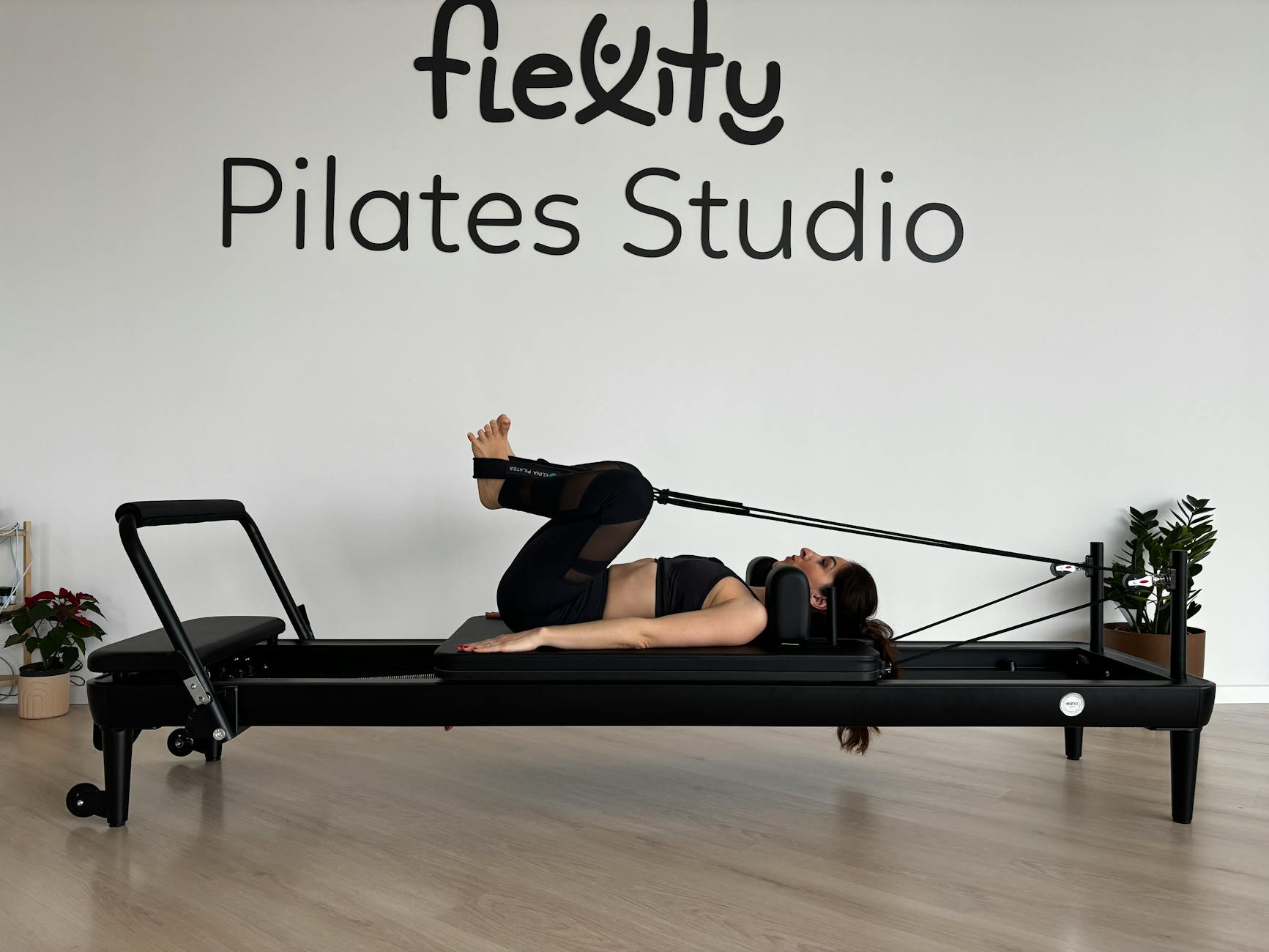
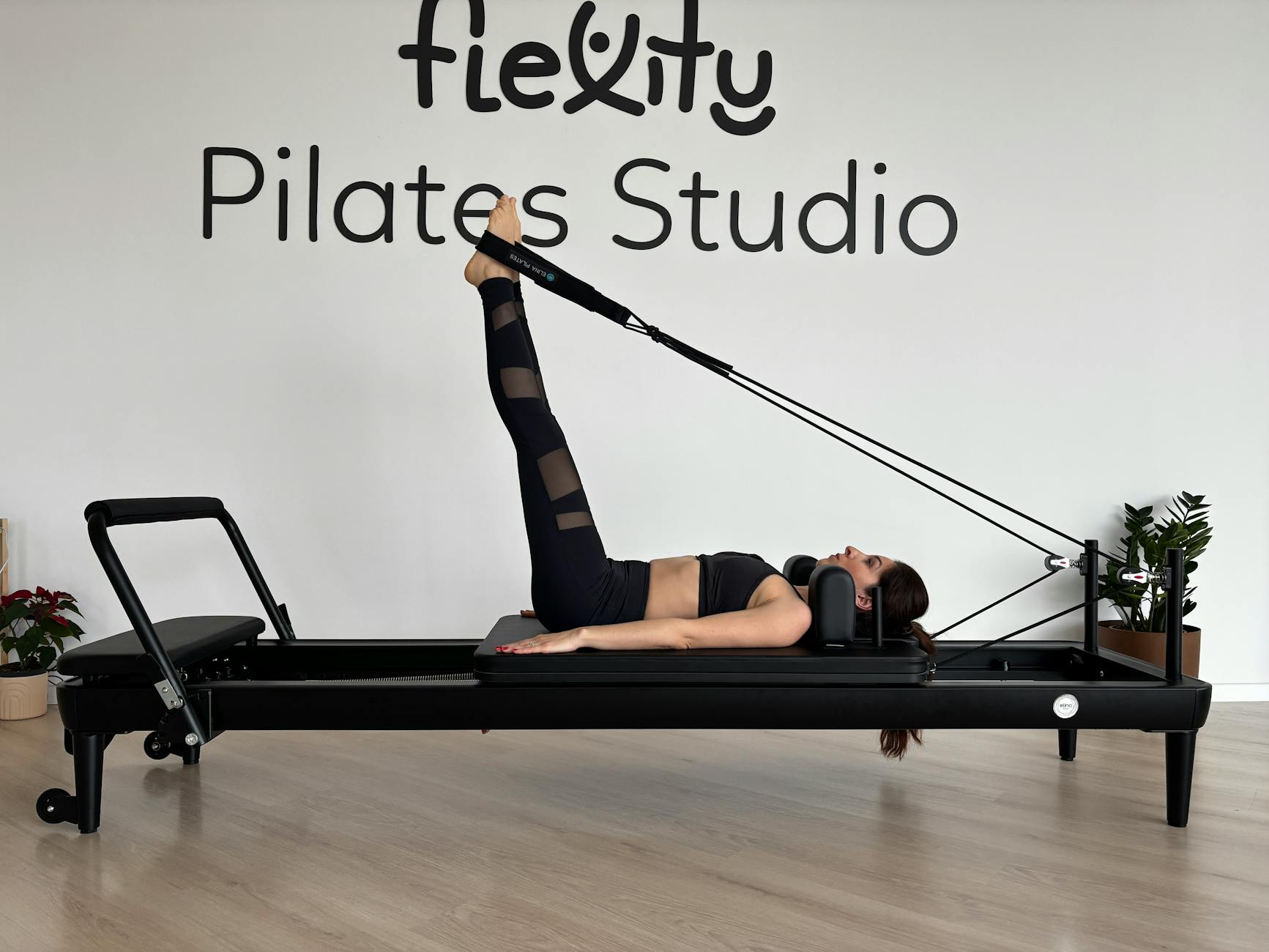
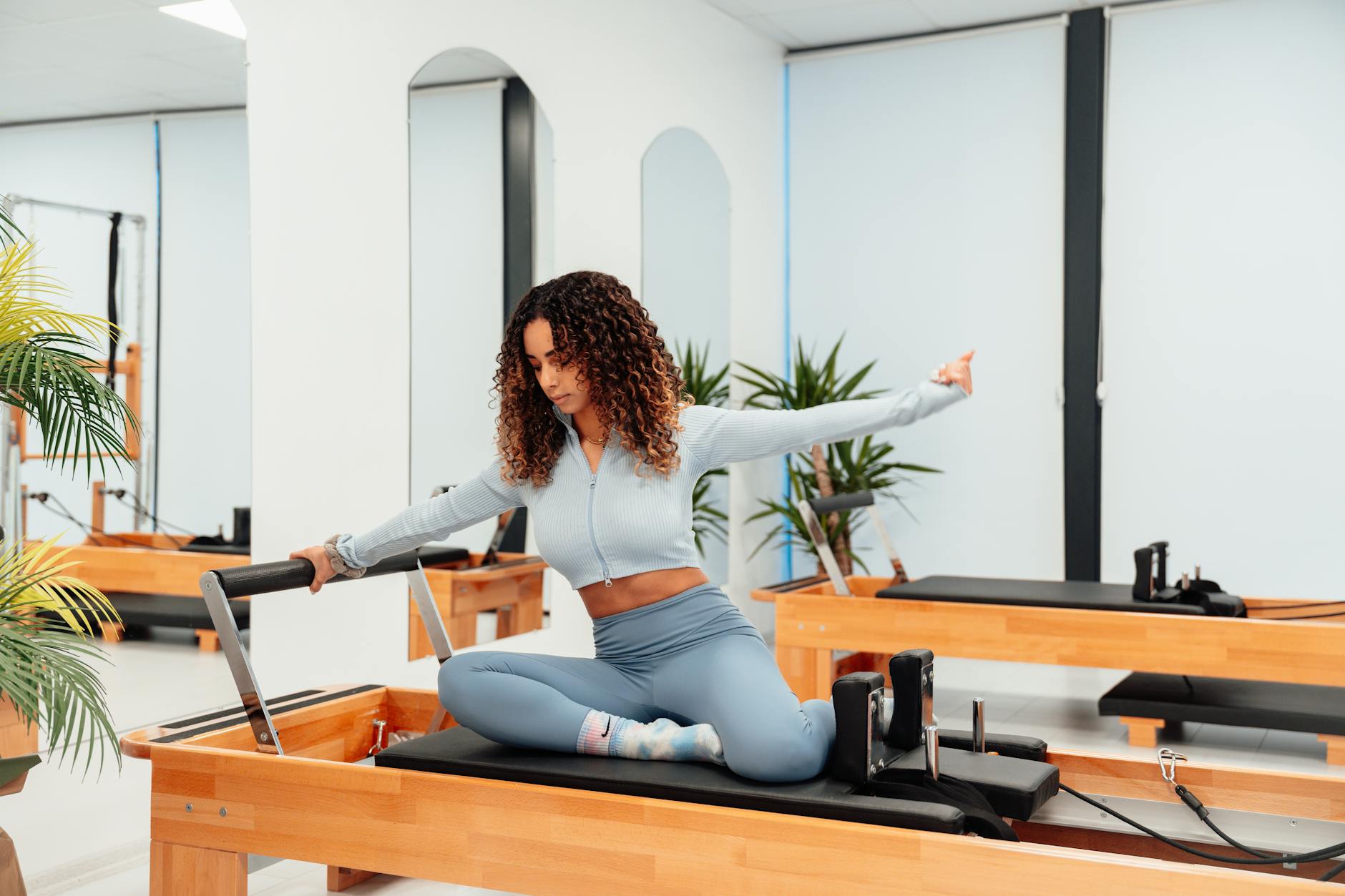
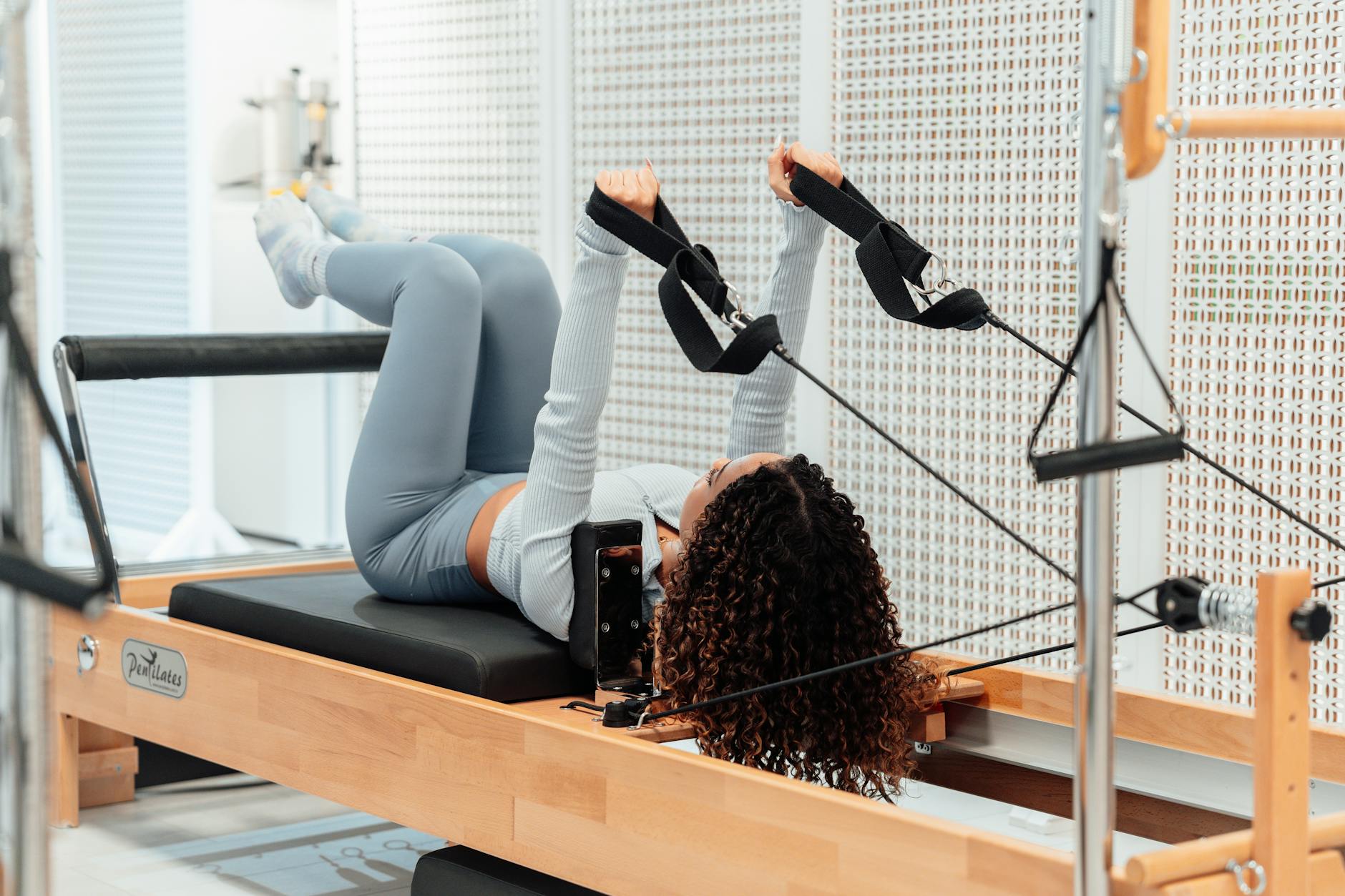
Reformer Pilates utilizes a specialized piece of equipment called the Reformer, invented by Joseph Pilates himself. The Reformer consists of a sliding carriage, springs, straps, and a bar, which provide variable resistance and support. This allows for a wider range of exercises and provides both challenge and assistance, depending on how the springs are configured. Pilates Reformer exercises can be incredibly effective for building strength, enhancing flexibility, and working muscles in new ways.
How the Reformer Enhances the Workout
- Variable Resistance: Springs can be added or removed to adjust the difficulty.
- Assisted Movement: The carriage can help guide and support your limbs.
- Challenging Stability: The moving carriage demands constant core engagement.
- Targeted Muscle Work: Specific exercises can isolate and strengthen particular muscle groups.
Many people wonder if they need to start with mat or reformer. Honestly, you can begin with either. If you're looking for accessibility and a foundational understanding, mat Pilates is perfect. If you're intrigued by the apparatus and want a more dynamic, resistance-based experience, reformer Pilates is excellent. Some studios offer Pilates workouts on YouTube that can give you a taste of both from the comfort of your home.
Pilates for Beginners: Getting Started Right
You might be wondering, "Is Pilates for me?" The answer is almost certainly yes. Pilates for beginners is designed to be welcoming and adaptable. The focus is on learning the fundamental principles and building a solid base of strength and control.
Finding the Right Class or Instructor
The most crucial step for beginners is finding a qualified instructor or a studio that offers beginner-focused classes. A good instructor will guide you through the fundamental exercises, explain the proper form, and help you understand the core principles of Pilates. They'll also be able to offer modifications to suit your individual needs and physical condition. Don't be afraid to try a few different instructors to find a teaching style that resonates with you.
What to Expect in Your First Pilates Session
Your first Pilates session, whether on the mat or reformer, will likely involve a gentle introduction to the core concepts. You'll learn about breathwork, spinal alignment, and how to engage your deep abdominal muscles. The instructor will emphasize proper form over speed or intensity. It's a learning process, so be patient with yourself. You might feel muscles you didn't know you had working, and that's perfectly normal!
Setting Realistic Expectations
Here's the thing: Pilates isn't a magic bullet. You won't see dramatic changes overnight. However, with consistent practice, you will begin to notice improvements. You'll feel stronger, more flexible, and more in tune with your body. The journey of Pilates is about gradual progress and consistent effort. The World Health Organization research on what is pilates often emphasizes the long-term health benefits of consistent, moderate exercise.
Beyond the Studio: Integrating Pilates Principles into Daily Life
The true power of Pilates is its ability to transcend the mat or the reformer and influence how you move and feel throughout your entire day. It's about cultivating a more mindful and efficient approach to movement.
Conscious Movement in Everyday Activities
Once you've developed a better understanding of your core and body alignment through Pilates, you can start applying these principles to everyday tasks. Think about how you stand, how you sit, and how you lift objects. Engaging your core even subtly while performing these actions can reduce strain and improve your overall posture. This integration is what makes Pilates so sustainable and beneficial in the long run.
A Complementary Practice
Pilates doesn't have to be your only form of exercise. In fact, it often complements other activities beautifully. If you enjoy cardiovascular exercise like HIIT cardio workouts or bodyweight cardio, Pilates can help build the core strength and body awareness needed to perform those activities more effectively and with a reduced risk of injury. It's about creating a well-rounded fitness routine.
Ultimately, understanding what is Pilates is about recognizing it as a pathway to a stronger, more balanced, and more aware you. It’s a commitment to understanding your body and empowering it to move with greater ease and resilience. The Mayo Clinic research on what is pilates often points to its multifaceted benefits for physical and mental well-being.