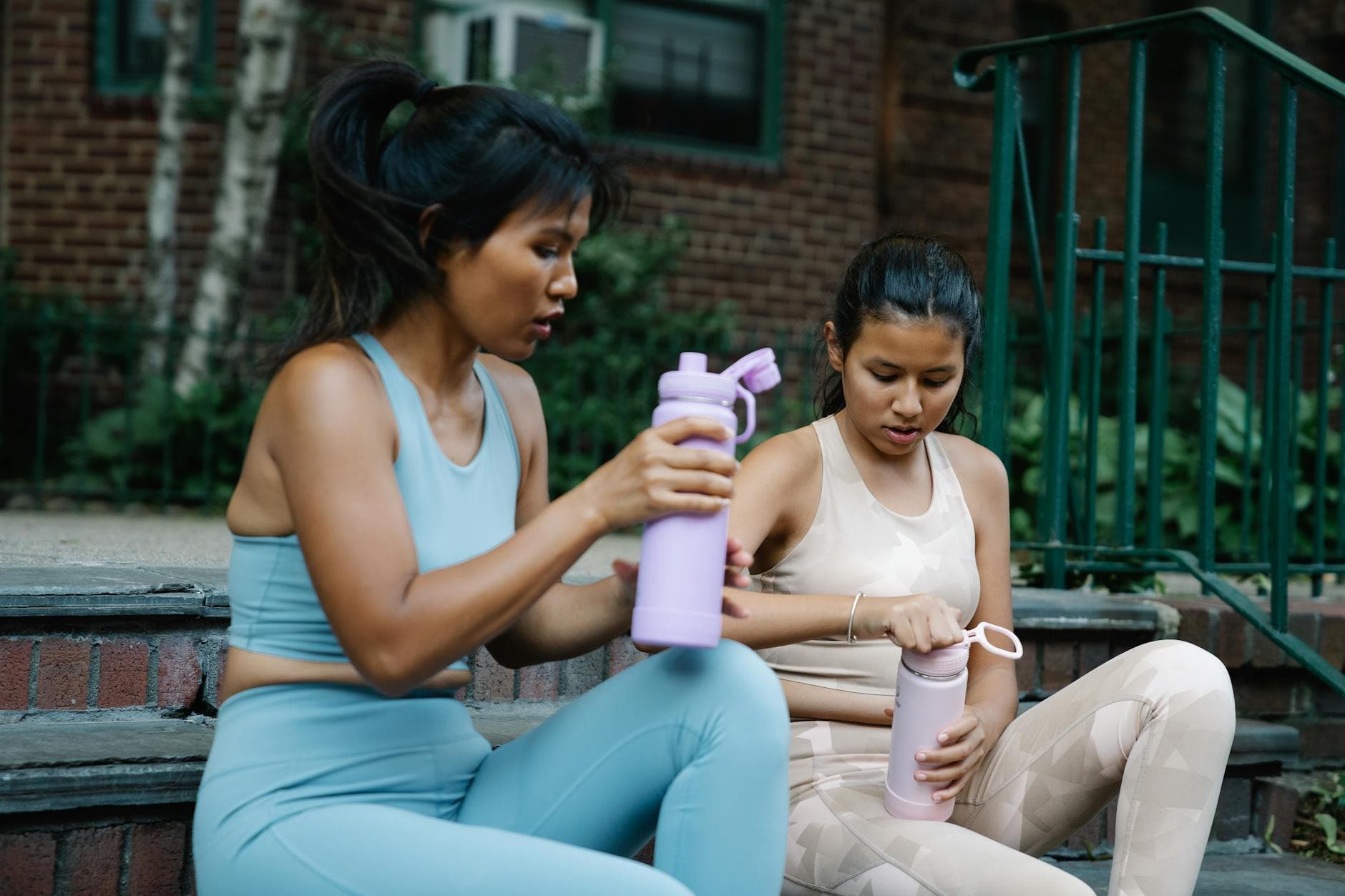
The Spring Awakening: Why Your Workout Hydration Needs a Serious Upgrade
Here's a myth I hear all the time: "It's not that hot, so I don't need to drink much." Honestly, that couldn't be further from the truth when it comes to spring workout hydration. As the chill of winter recedes and the days get longer, we're naturally more inclined to get outside and move. But with that increased activity comes a sneaky danger: dehydration. This season, let's ditch the complacency and embrace a smarter approach to fueling our bodies.
The Deceptive Chill: Why Spring Fools Us
Many people associate serious hydration needs with the sweltering heat of summer. This is a dangerous oversight. Spring, with its milder temperatures, can lull us into a false sense of security. You're sweating, you're working hard, and your body is losing fluids just as it would on a scorching July day.
The Subtle Shift in Temperature
Even a 10-degree Fahrenheit increase can significantly impact fluid loss during exercise. You might not feel the immediate oppressive heat, but your internal thermostat is working overtime.
The Psychological Factor
When it's cool, we simply don't *feel* as thirsty. This disconnect between our physiological needs and our perceived thirst is where trouble starts. You might be miles into a run or halfway through a park workout before you even realize you're parched.
Understanding the Science of Sweat
Sweat is your body's natural air conditioning system. It's how you regulate your core temperature when your internal engine starts to rev up. But this vital process comes at a cost: fluid loss.
Fluid Loss During Exercise
During a moderate workout, you can lose anywhere from 0.5 to 2 liters of fluid per hour through sweat. This can vary wildly based on intensity, duration, and individual physiology. For runners, this is a critical consideration.
Electrolytes: The Unsung Heroes
It's not just about water. Sweat also contains essential electrolytes like sodium, potassium, and magnesium. These minerals are crucial for muscle function, nerve signaling, and fluid balance. Losing too many can lead to cramping, fatigue, and more serious issues.
Crafting Your Spring Fitness Hydration Strategy
This is where the real magic happens. It’s about being proactive, not reactive. A solid spring workout hydration plan isn't complicated, but it does require a little thought.
Pre-Workout Hydration: Building Your Baseline
Don't wait until you're about to lace up your shoes. Start hydrating hours before your workout. Aim to drink water consistently throughout the day. A good rule of thumb is to have a few cups of water in the two to three hours leading up to your exercise session.
Hydration During Exercise: The Mid-Workout Top-Up
For workouts longer than an hour, or those performed in warmer conditions, sipping water or an electrolyte drink is essential. Don't chug; small, frequent sips are more effective.
Post-Workout Hydration: Replenishing What Was Lost
This is just as important as pre- and during-workout hydration. Continue to sip fluids to replace what you've lost. Weighing yourself before and after a workout can give you a surprisingly accurate idea of your fluid loss – for every pound lost, aim to drink about 16-20 ounces of fluid.
The Best Drinks for Workouts: Beyond Plain Water
While water is the undisputed champion for most workouts, sometimes you need a little more oomph.
Water: The Foundation
For workouts under an hour at moderate intensity, plain water is usually sufficient. It’s calorie-free, readily available, and does the job. Make sure it's cool, as cool fluids are absorbed more quickly.
Electrolyte Beverages: When You Need More
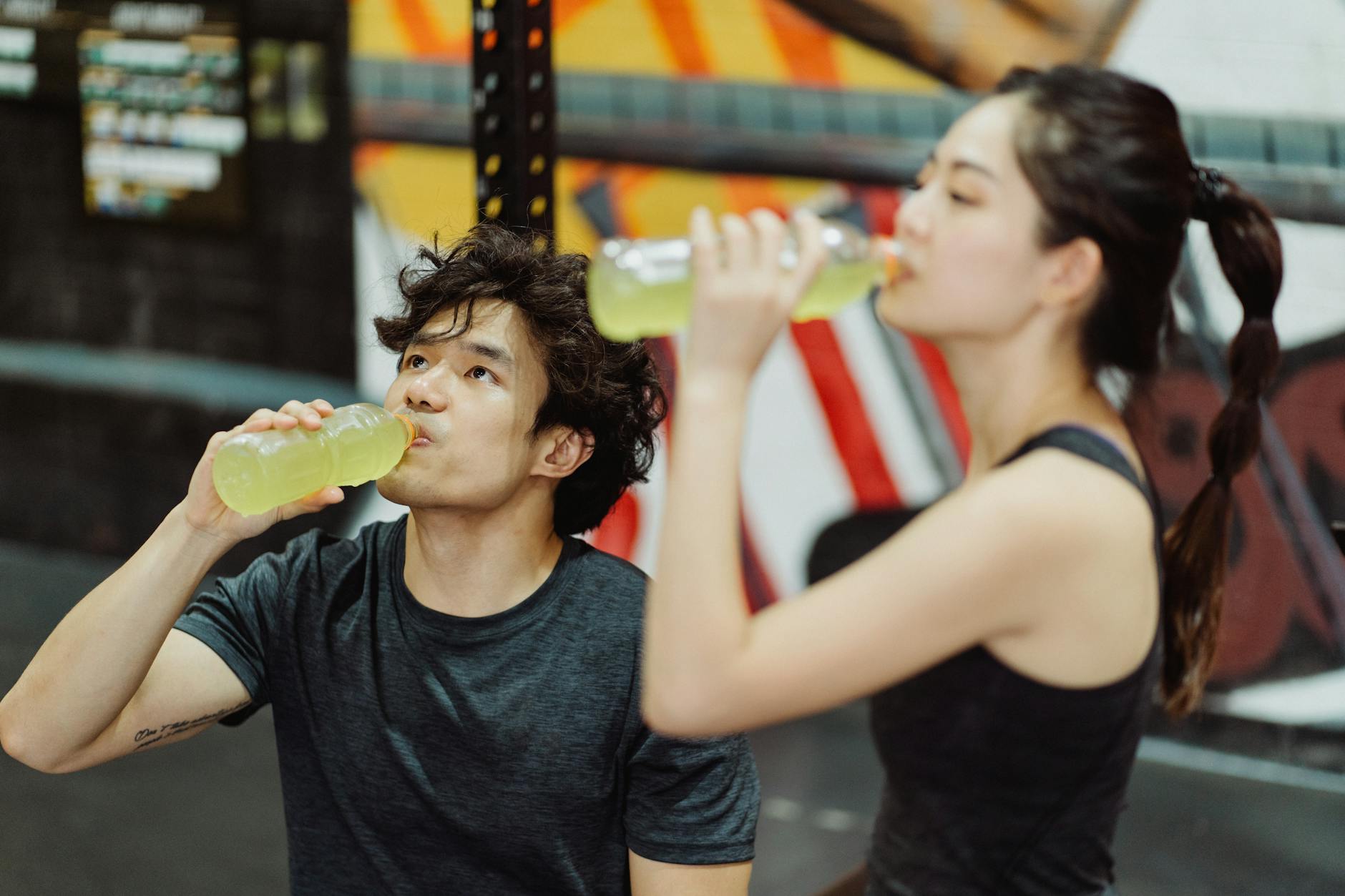
For longer, more intense sessions, or if you're a heavy sweater, consider an electrolyte drink. These can replenish lost minerals and provide carbohydrates for energy. Look for options with a balanced mix of sodium, potassium, and magnesium. Some sports drinks can be loaded with sugar, so read labels carefully.
Coconut Water: Nature's Sports Drink?
Coconut water is a natural source of electrolytes, particularly potassium. It's a good option for moderate activity, though it may not have enough sodium for very prolonged or intense efforts. I used to think it was just a trendy drink, but the science is actually pretty solid for certain scenarios.
Recognizing Dehydration Symptoms During Exercise
Being aware of the signs of dehydration is crucial for your safety and performance. Don't wait until you're feeling terrible.
The Early Warning Signs
Thirst is an obvious sign, but it's often a late one. Other early indicators include dry mouth, fatigue, and a slight headache. You might also notice your urine is darker than usual.
More Serious Dehydration Symptoms
As dehydration progresses, you might experience dizziness, muscle cramps, nausea, reduced sweating (which is a major red flag!), and confusion. If you experience any of these, stop exercising immediately, find a cool place, and begin rehydrating. Seek medical attention if symptoms are severe or don't improve.
Real-World Scenarios: A Hydration Story
I'll never forget a particular spring morning a few years back. I was training for a half-marathon, and it was a beautiful, crisp 55 degrees Fahrenheit. I felt great, energized by the sunshine. I did my usual quick sip of water before heading out for a 10-mile run. About six miles in, I started to feel a drag I couldn't shake. My legs felt heavy, and a dull ache settled behind my eyes. I finally stopped by a public fountain and gulped down a full bottle of water. Within minutes, I felt a significant improvement. It was a stark reminder that even on a "cool" day, my body was working hard and losing fluids. That experience cemented my commitment to consistent spring workout hydration.
The Importance of Listening to Your Body
My mistake was ignoring the subtle signs and assuming the temperature dictated my fluid needs. Your body is constantly communicating; learn to interpret its messages. This is key to any successful exercise hydration strategy.
Adapting Your Plan
That day taught me to be more mindful. Now, I always carry a water bottle, even on cooler mornings, and I make an effort to sip regularly. It’s about fine-tuning your approach based on your personal experience and the specific demands of your workout.
Hydration for Outdoor Workouts: The Spring Edition
Spring often means more time spent outdoors, whether it's running on trails, cycling through parks, or simply enjoying a yoga session in the sunshine. This brings its own set of hydration considerations.
The Sun's Deceptive Rays
Even if the air temperature feels mild, direct sunlight can significantly increase your body's heat production and thus, your sweat rate. Remember to factor in the intensity of the sun, not just the thermometer reading.
Humidity's Role
Higher humidity makes it harder for sweat to evaporate, meaning your body has to work harder to cool down. This can lead to increased fluid loss, even if the temperature isn't extreme. This is a crucial aspect of hydration for warmer weather.
Environmental Factors to Consider
Wind can also play a role. While it can feel refreshing, it can also increase evaporative cooling and fluid loss. Be aware of these variables when planning your spring fitness hydration.
Making Water Intake for Runners a Habit
Runners, in particular, need to be hyper-aware of their hydration. The repetitive motion and sustained effort can quickly deplete your fluid reserves.
The 8x8 Rule is Just a Starting Point
You've probably heard the old adage to drink eight 8-ounce glasses of water a day. That's a decent baseline, but for active individuals, especially runners, it's often not enough. Your individual needs will be higher.
Hydration Timing for Long Runs
For runs longer than 60 minutes, consider carrying water or planning a route with access to water fountains. Aim to drink 4-6 ounces every 15-20 minutes. This consistent intake helps maintain performance and prevent severe dehydration.
Post-Run Recovery Hydration
Replenishing fluids after a long run is critical. Don't just grab a sugary soda. Focus on water and electrolyte-rich beverages to help your body recover effectively. This is part of a comprehensive workout hydration tips regimen.
The Bottom Line: Hydration is Non-Negotiable
This spring, let's commit to a smarter approach to spring workout hydration. It's not about chugging liters of water all at once; it's about consistent, mindful intake that supports your body's incredible ability to perform. Pay attention to your body, understand the environmental factors, and don't let the mild temperatures fool you. Your body will thank you with better performance, faster recovery, and a whole lot more enjoyment of the season's fitness opportunities. Think about the last time you felt sluggish during a workout – was dehydration a culprit? Probably. Let's make this the season you conquer it.